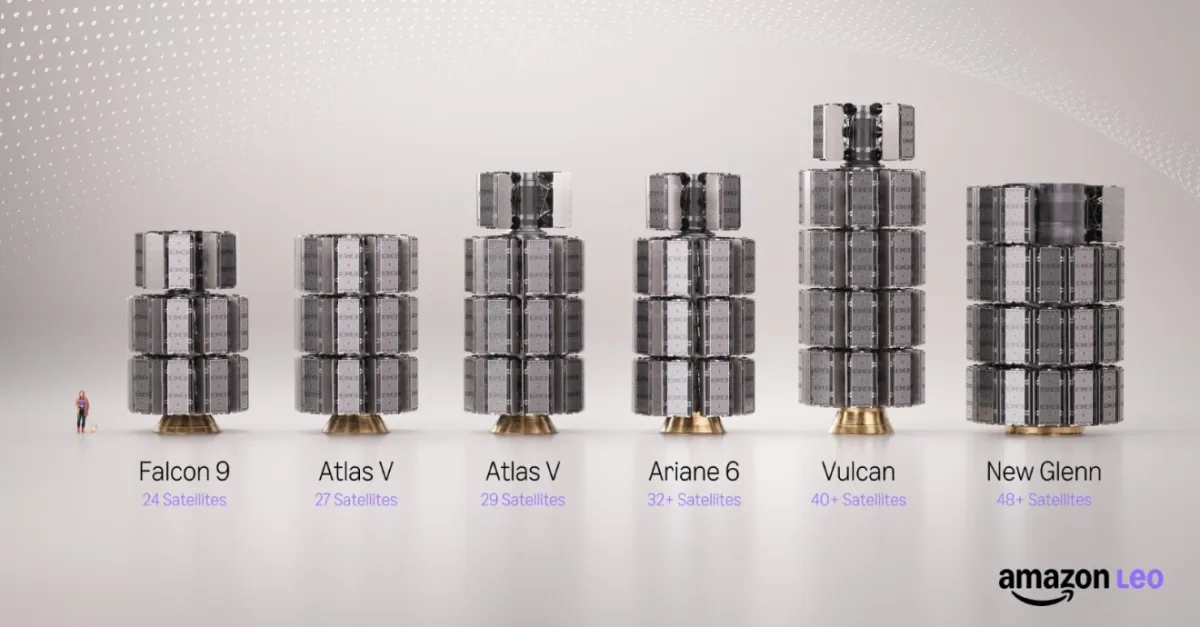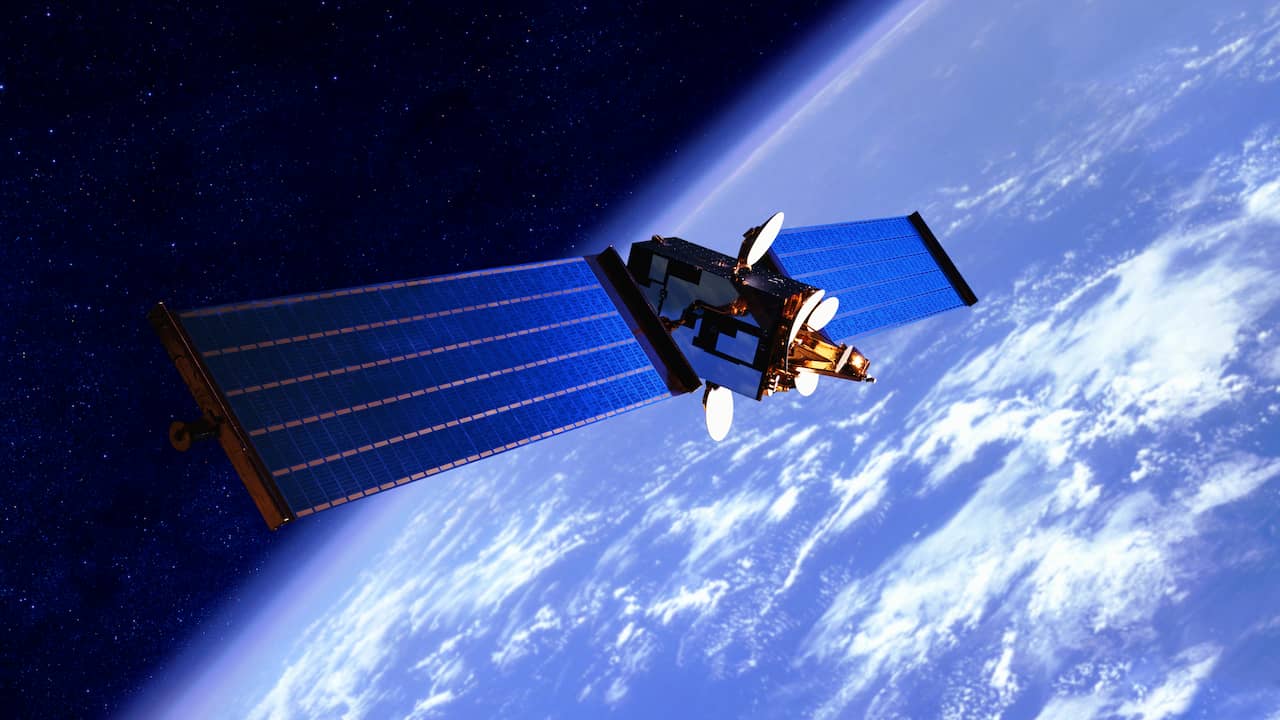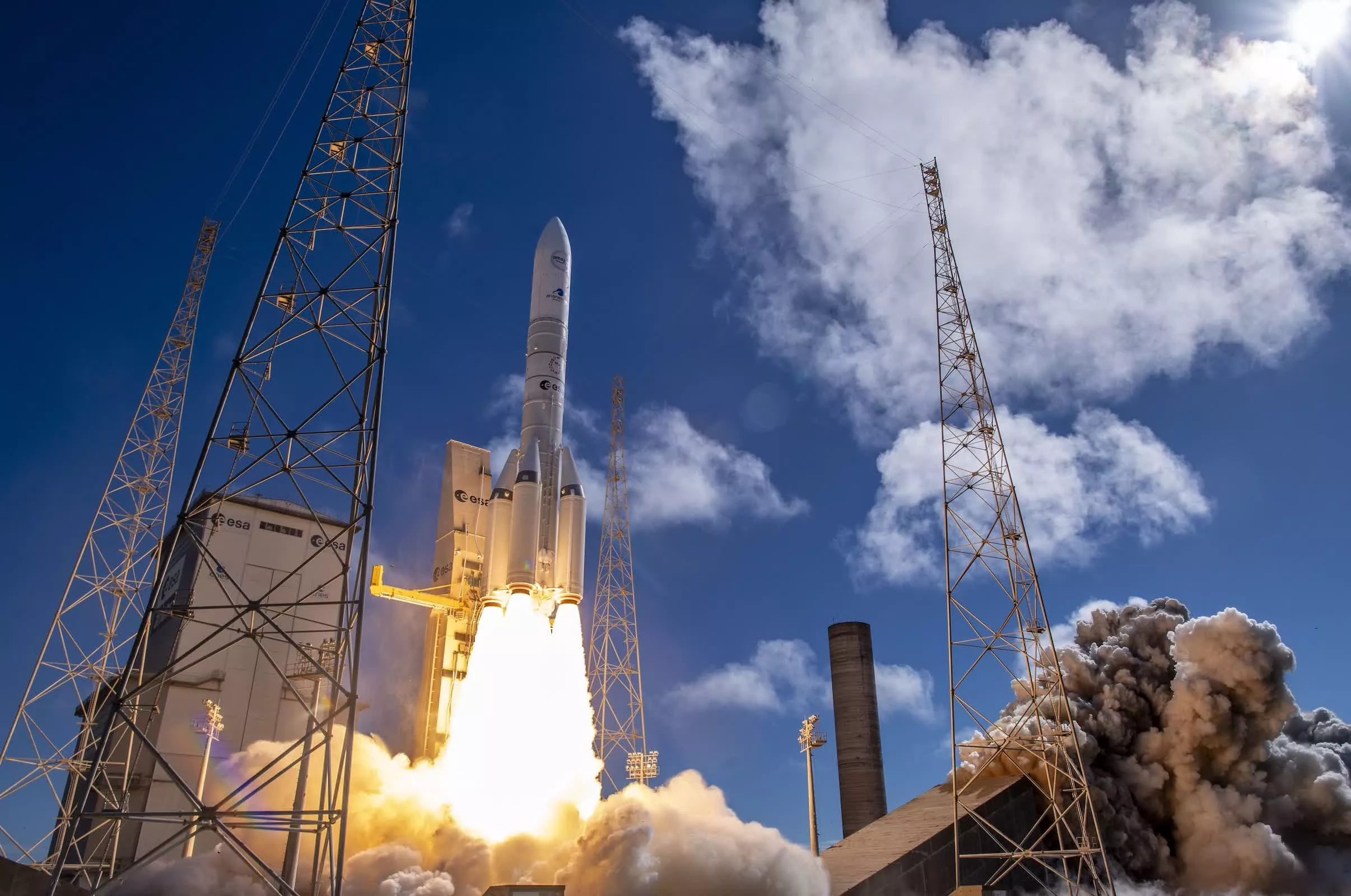
WHAT JUST HAPPENED? Amazon's low Earth orbit satellite network has reached the point where it can begin delivering continuous internet service in some areas, bringing its Starlink competitor out of the testing phase. After its latest launch, the company has 396 satellites in orbit. That number is "enough to support continuous service across initial latitudes," according to Chris Weber, vice president of business and product for Amazon Leo. That puts Amazon on track for its mid-2026 commercial launch goal, but the company has signaled that early service will be limited.
Starlink's public beta offers a useful comparison. When SpaceX rolled out to the public in 2020, it had nearly 900 satellites in orbit, but the service was uneven. Early users in northern parts of the United States and Canada reported frequent interruptions and high sensitivity to obstructions. Speeds generally ranged from 50 Mbps to 150 Mbps, with latency from 20 to 40 milliseconds. By 2022, service and coverage had already improved as SpaceX added more satellites.
Early adopters of Amazon's Leo service can expect a similar experience at first, with performance improving as additional satellites are sent into orbit. With each launch, Amazon adds capacity and coverage, which should gradually smooth out speeds and latency.