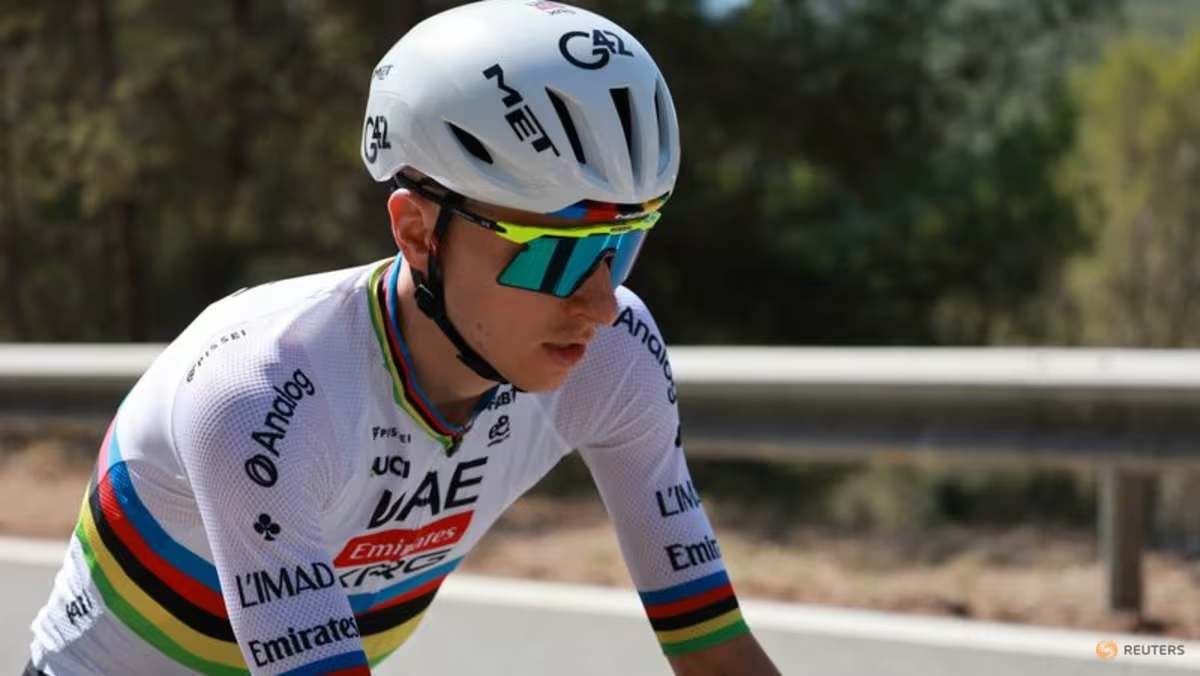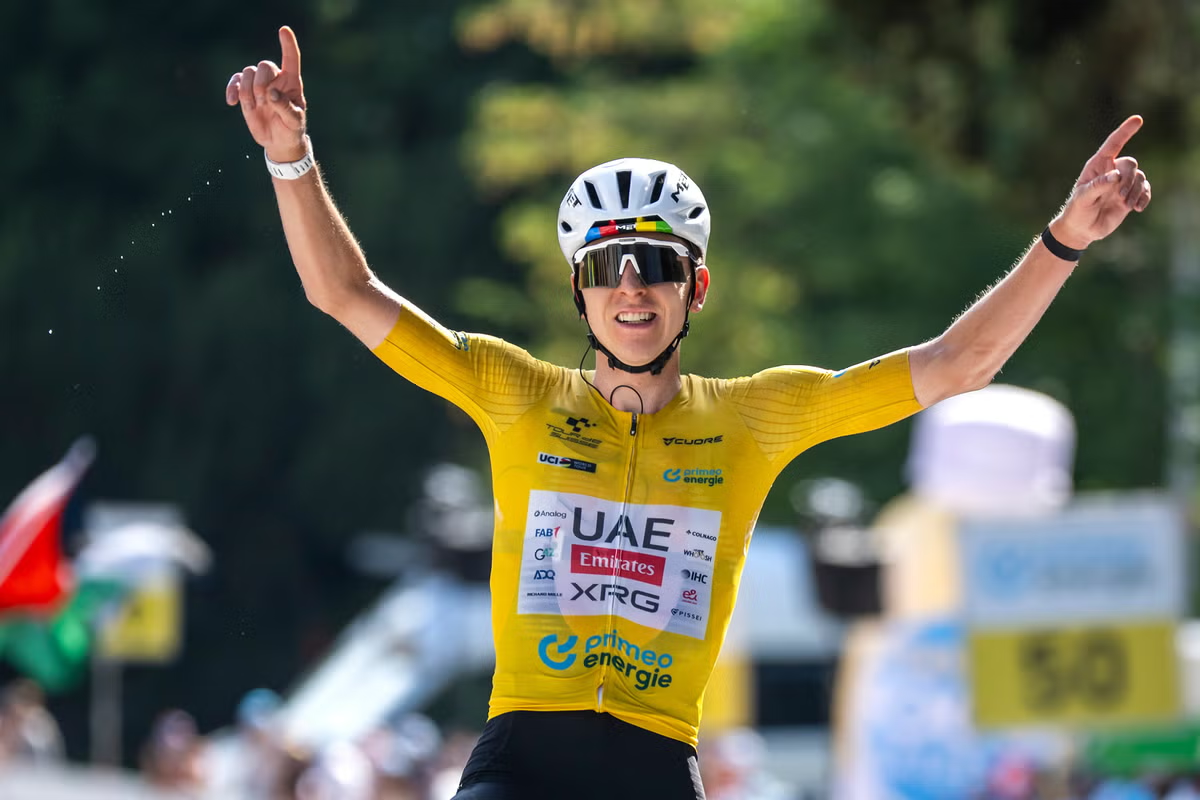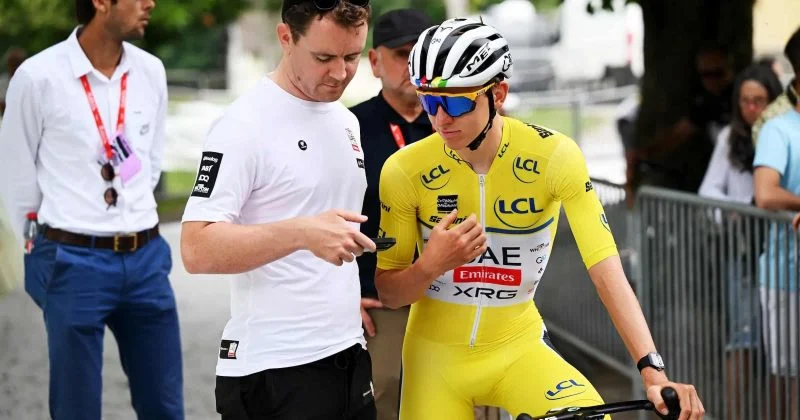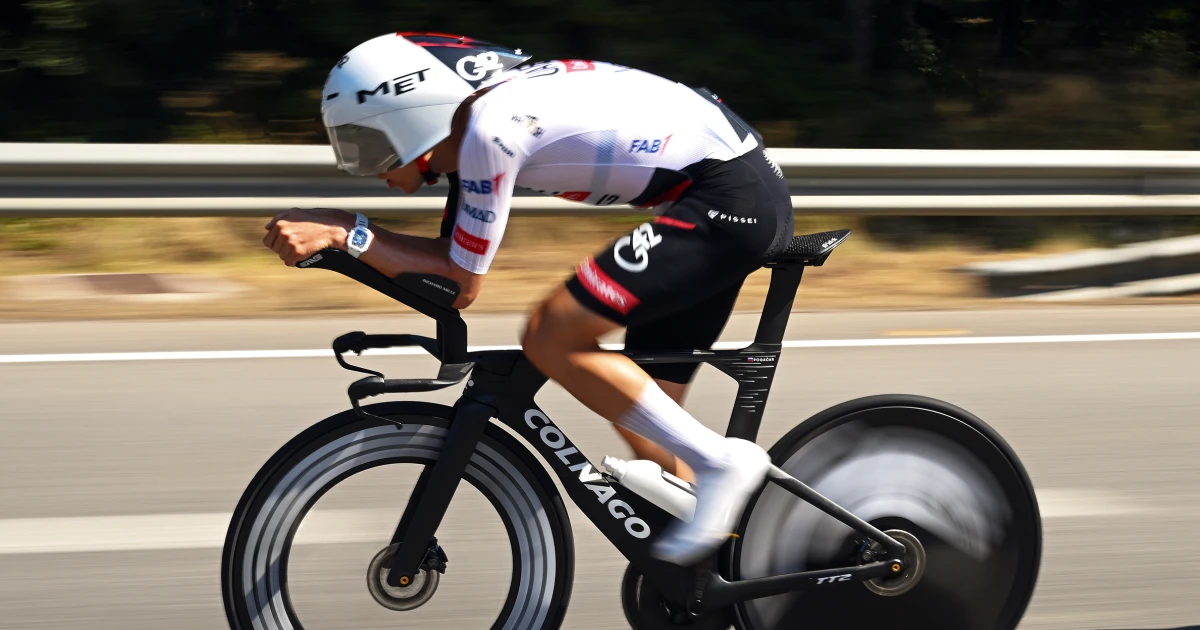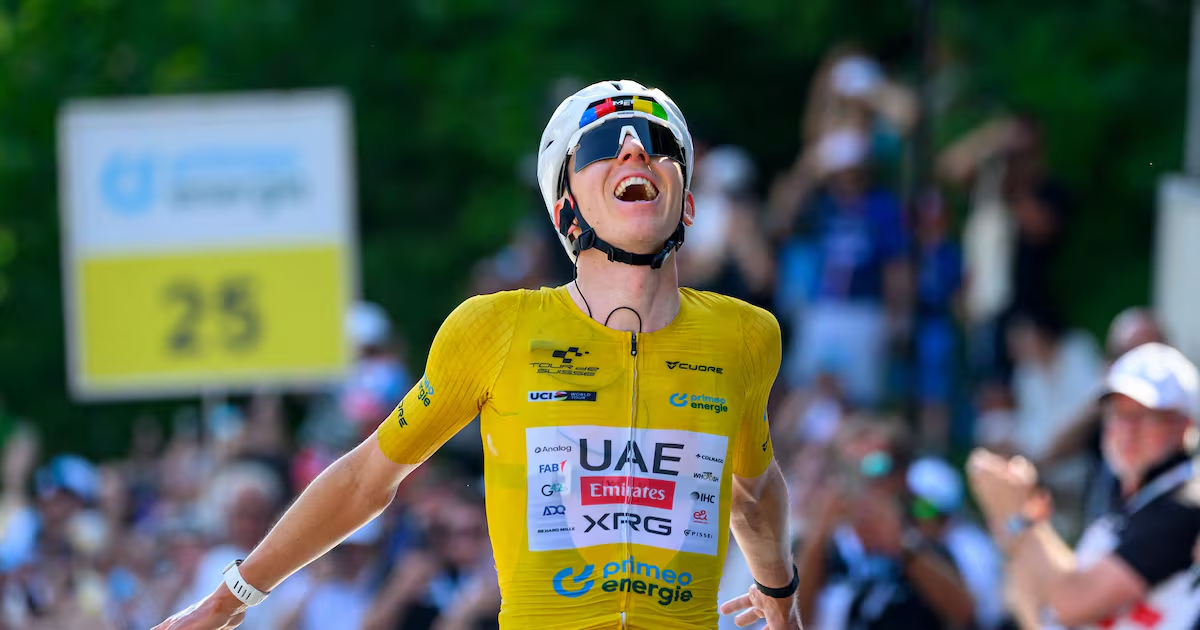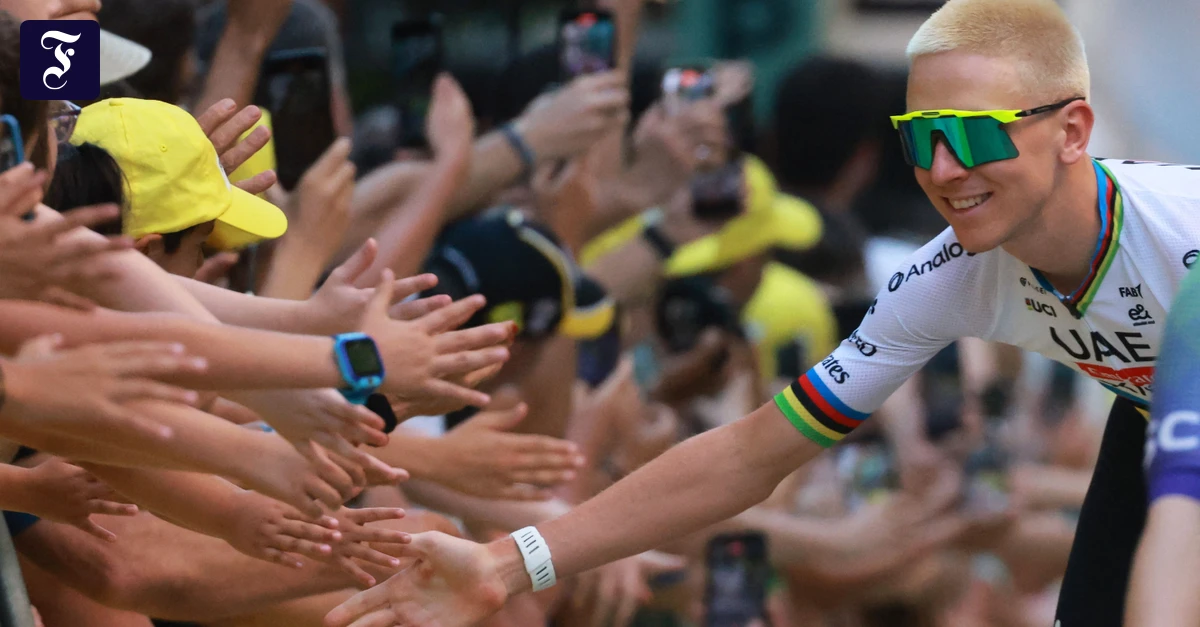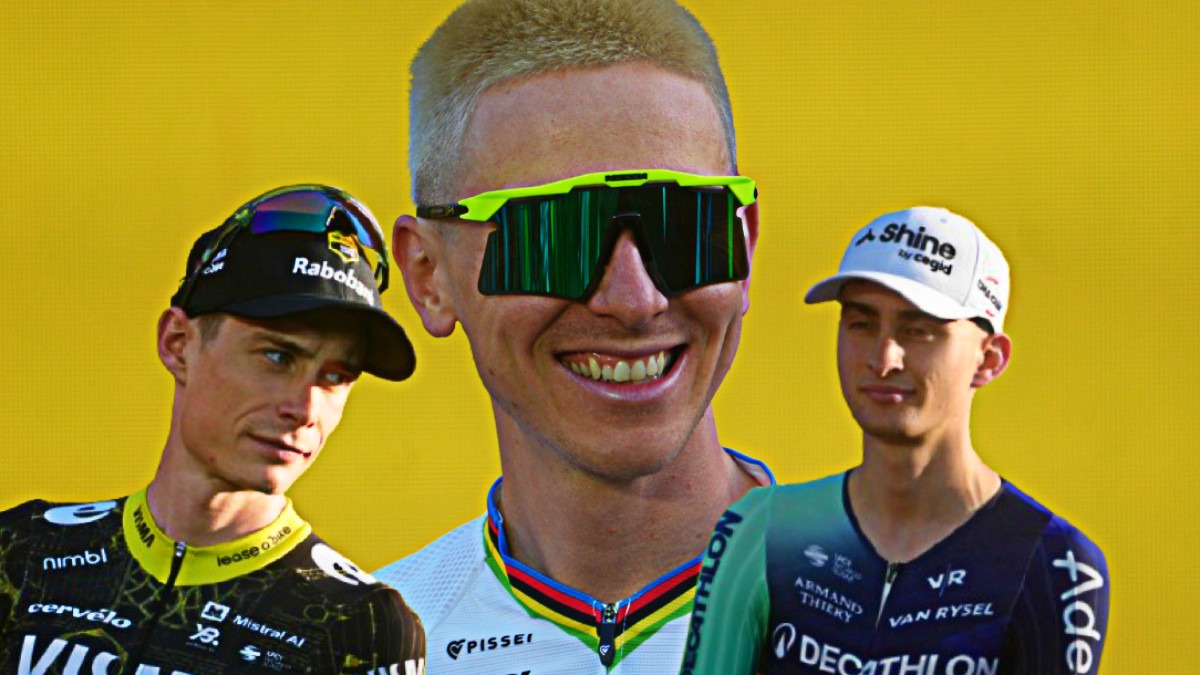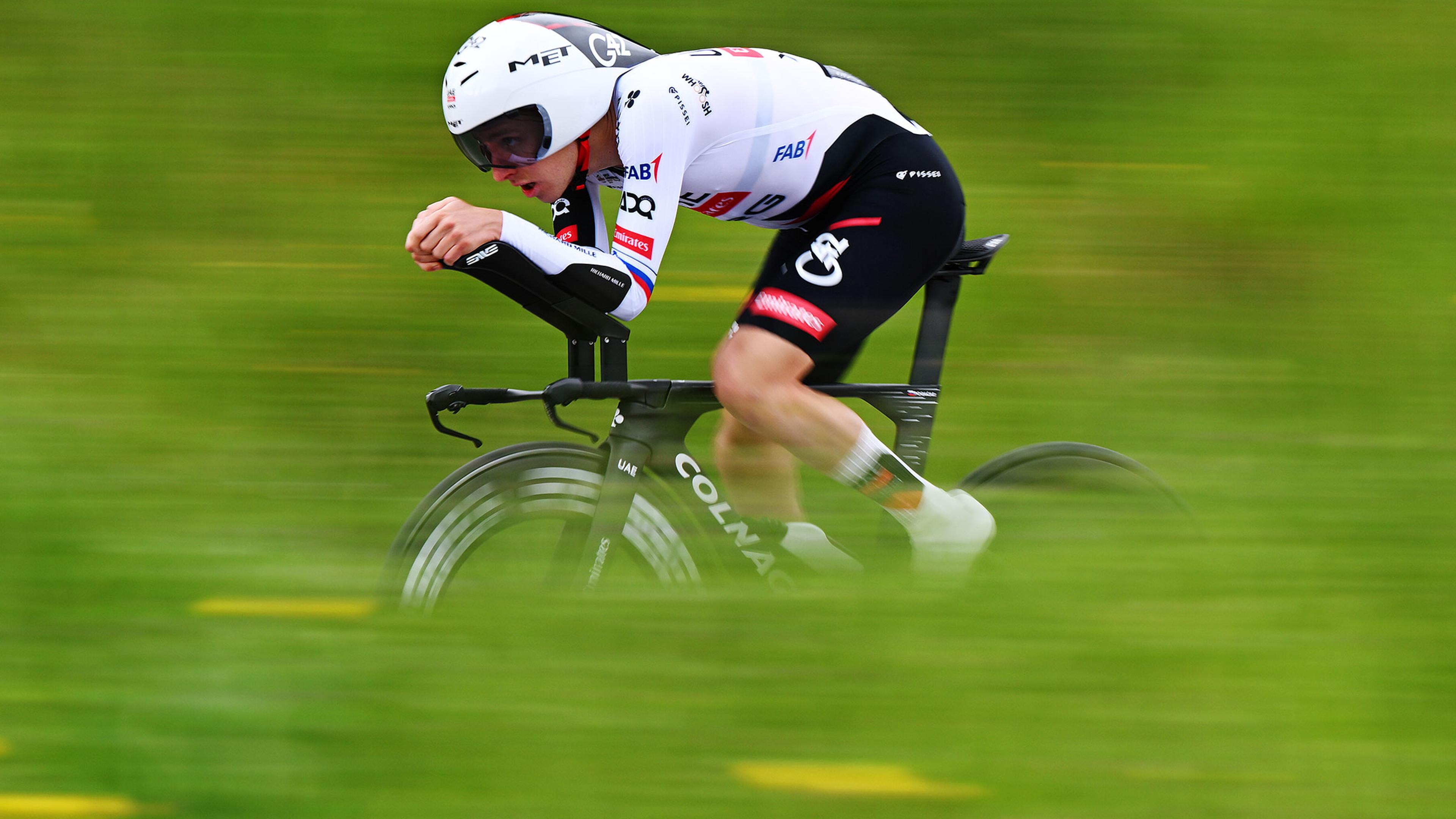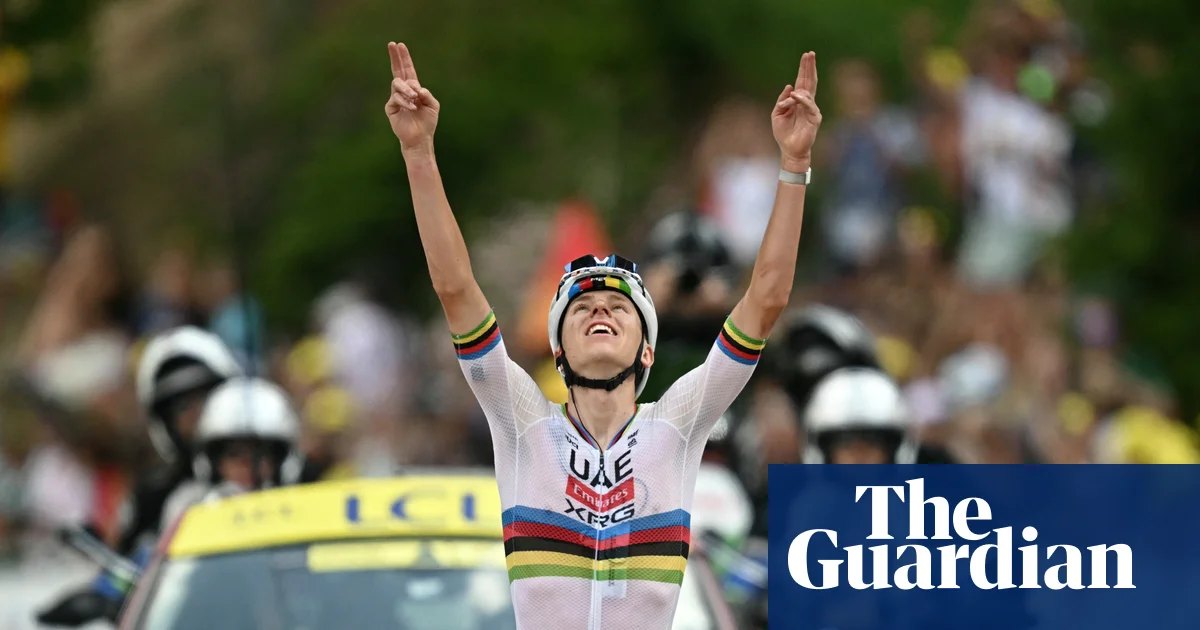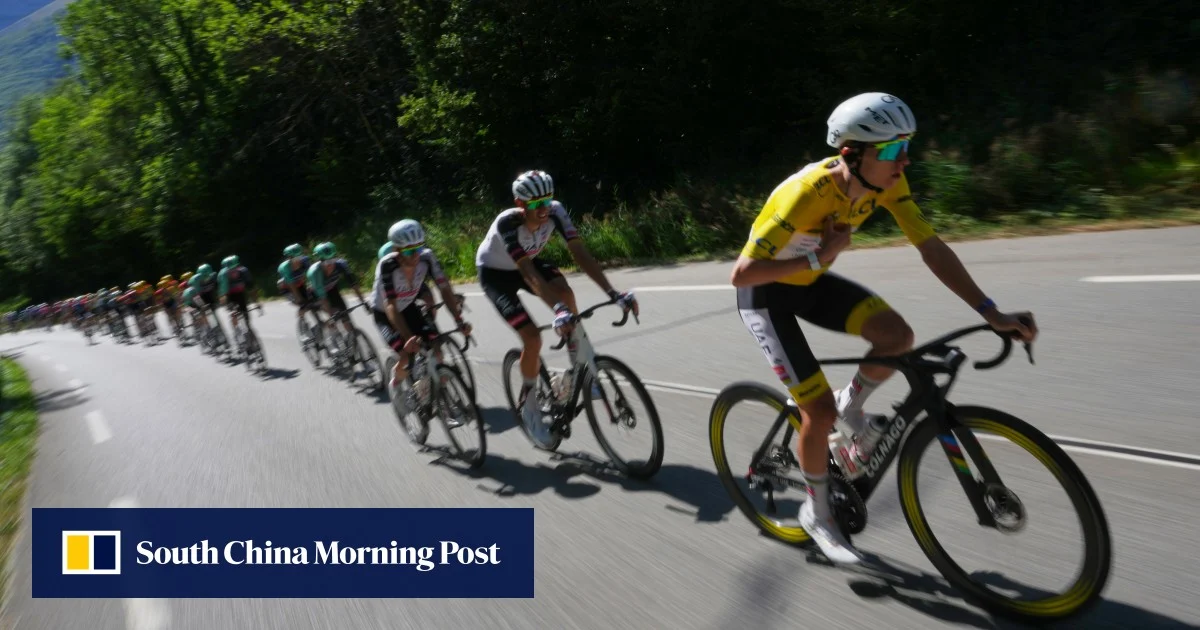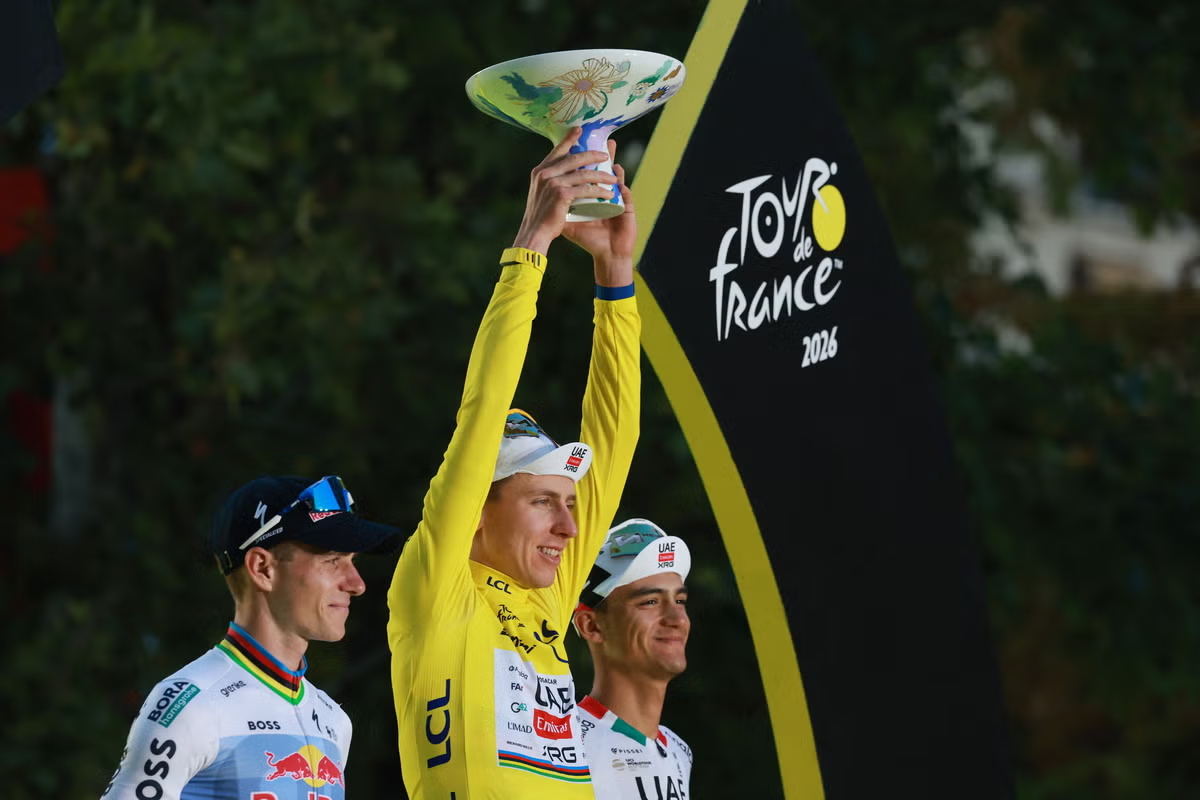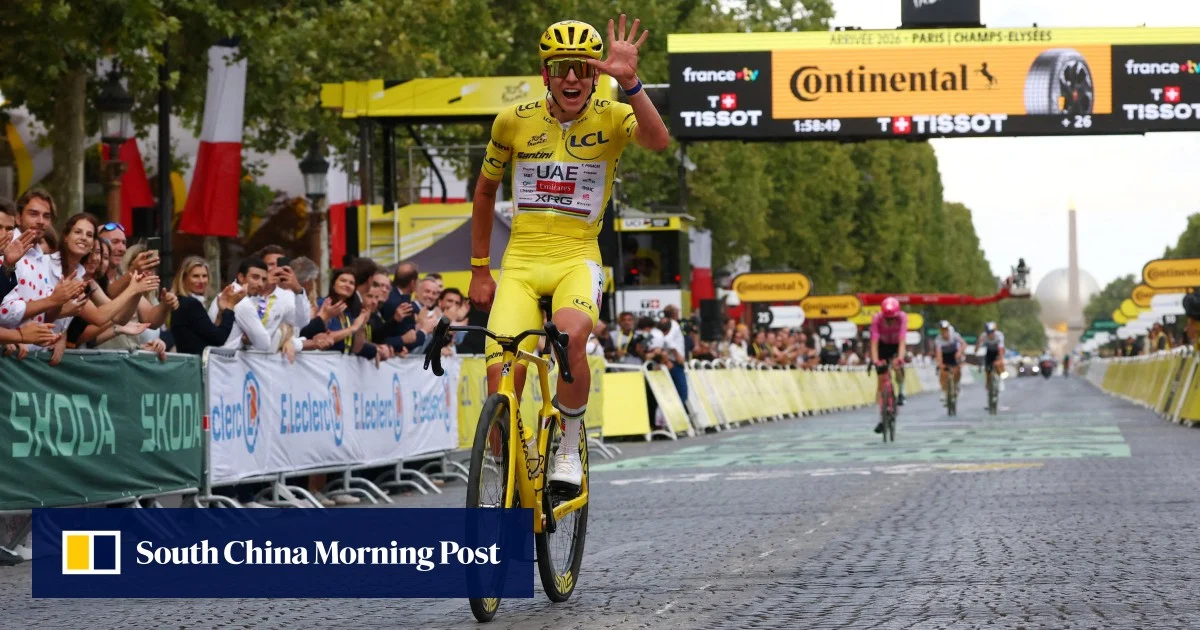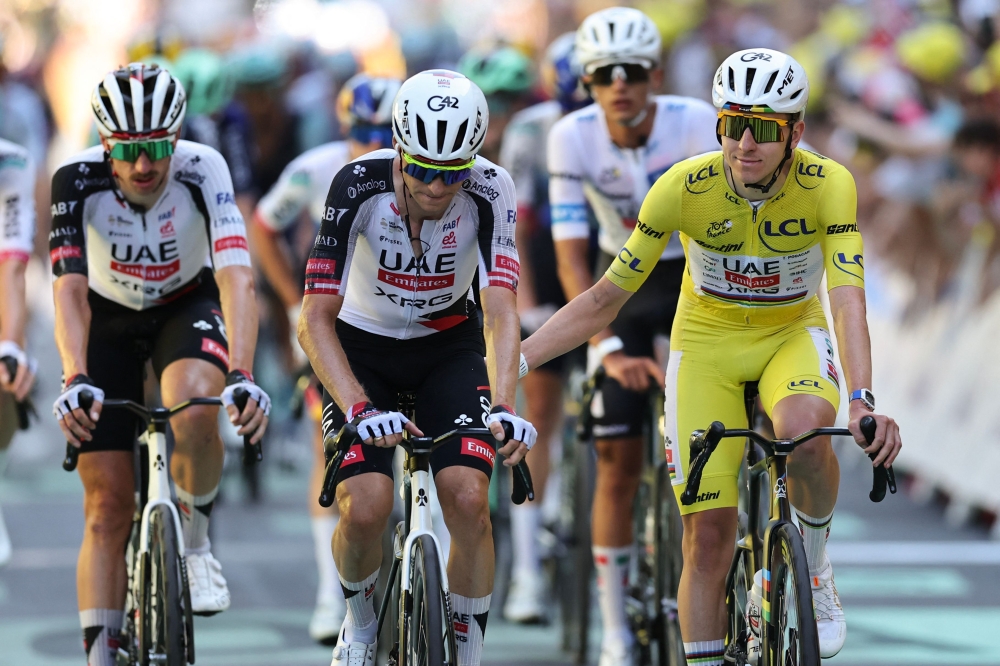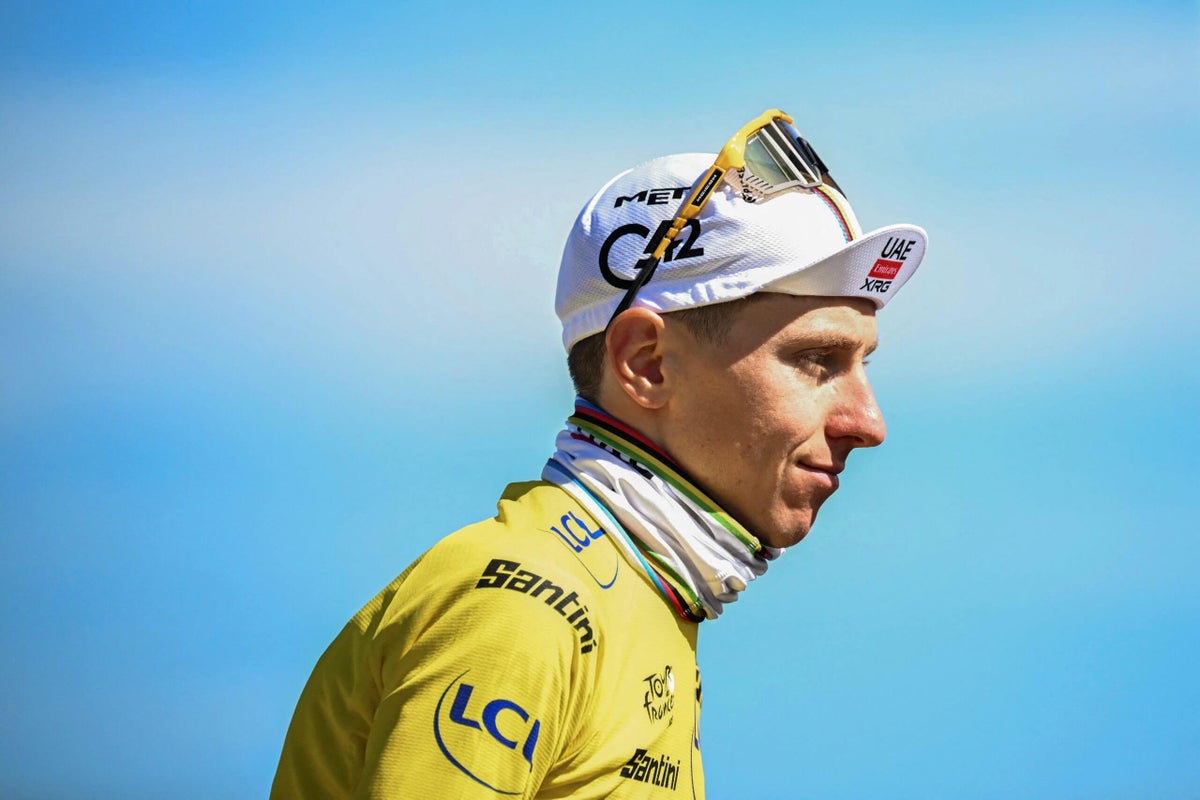
Tadej Pogačar is the No 1 bike rider in the world — possibly the best ever — and the clear favourite to win this year’s Tour de France, which starts today.There’s an argument that the 27-year-old Slovenian is the first cyclist since Lance Armstrong to truly transcend the sport. Being one of six nominees for Sportsman of the Year at the past two Laureus World Sports Awards attests to his internationally-recognised greatness.But unlike Armstrong who, before his admission of doping in 2013, had highly-lucrative agreements with the likes of sportswear giant Nike, Pogačar has no such equivalent ambassadorial role with blue-chip sponsors — despite being the sport’s most marketable figure since the American’s dominance.Instead, alongside a few cycling brands, he was promoting a Croatian bottled-water company as recently as last year, and at the start of the 2026 season became an ambassador for KuCoin, a cryptocurrency.With the exception of Richard Mille — the world’s sixth-biggest watch brand by revenue — Pogačar isn’t achieving the sort of private sponsorship deals other leading athletes are.Carlos Alcaraz, winner of seven tennis Grand Slam tournaments at 23, has Nike, Rolex and Louis Vuitton; 15-time pole-vault world-record setter Mondo Duplantis is sponsored by Puma and Omega Watches; Max Verstappen, who took the Formula 1 drivers’ title every year from 2021 to 2024, represents Heineken and EA Sports; swimmer Léon Marchand, who won four golds at the 2024 Olympics, is on Louis Vuitton and Nike billboards.So why the difference between them and Pogačar?
Why doesn’t Tadej Pogacar have more blue-chip sponsors?
Factors such as training schedules, athlete availability and a fragmented calendar can count against cyclists – even ones as good as Pogacar
2,137 words~10 min read