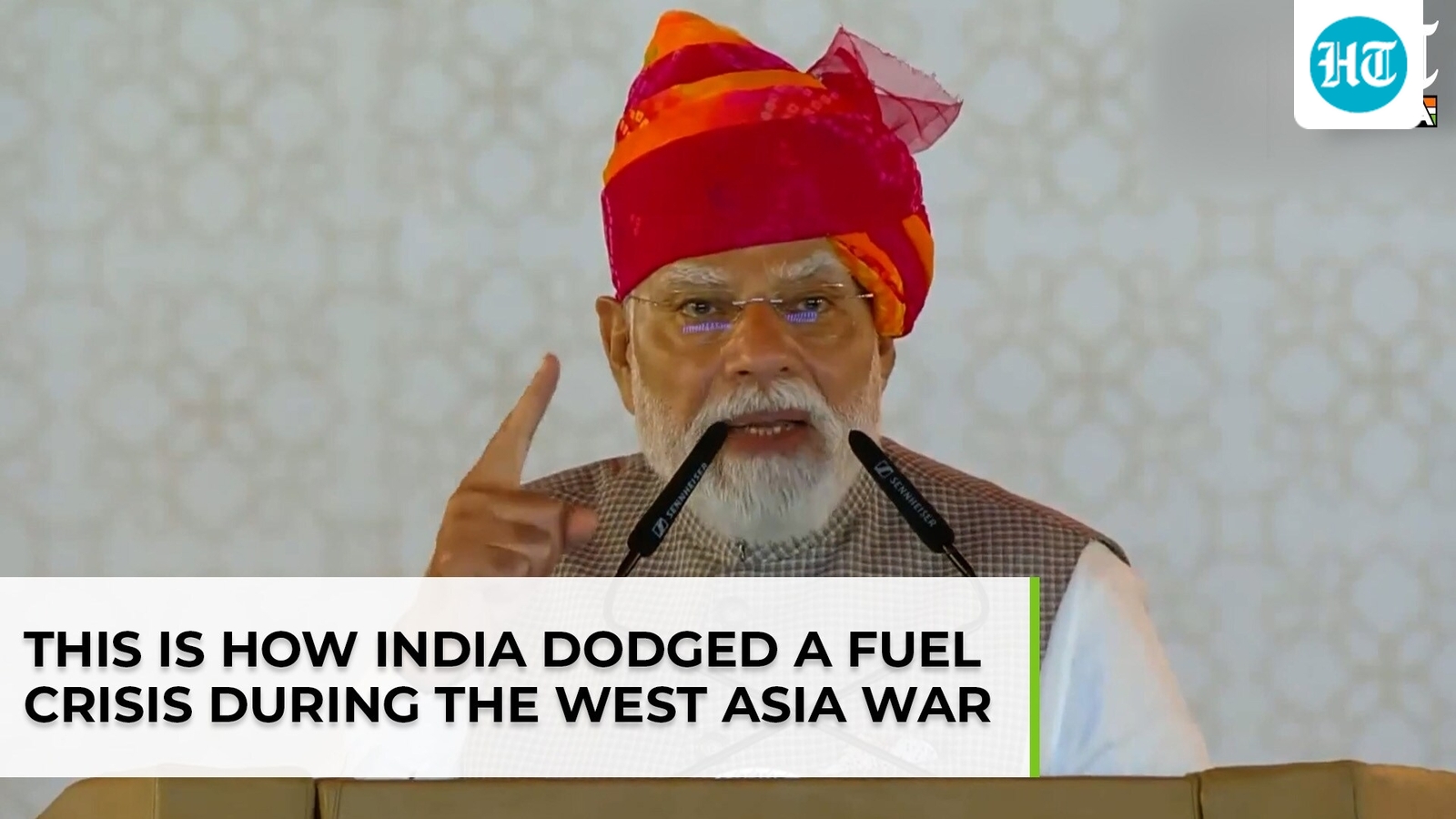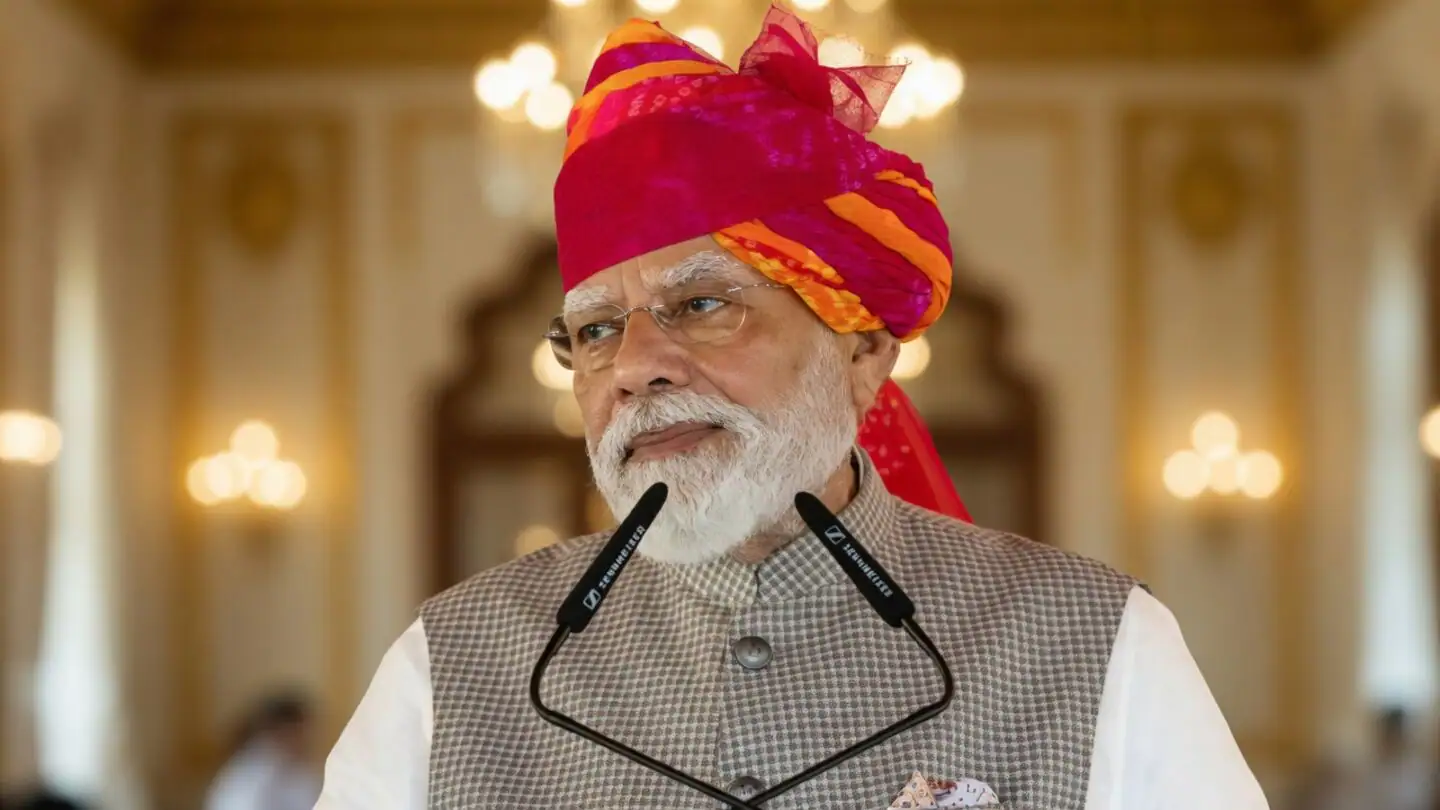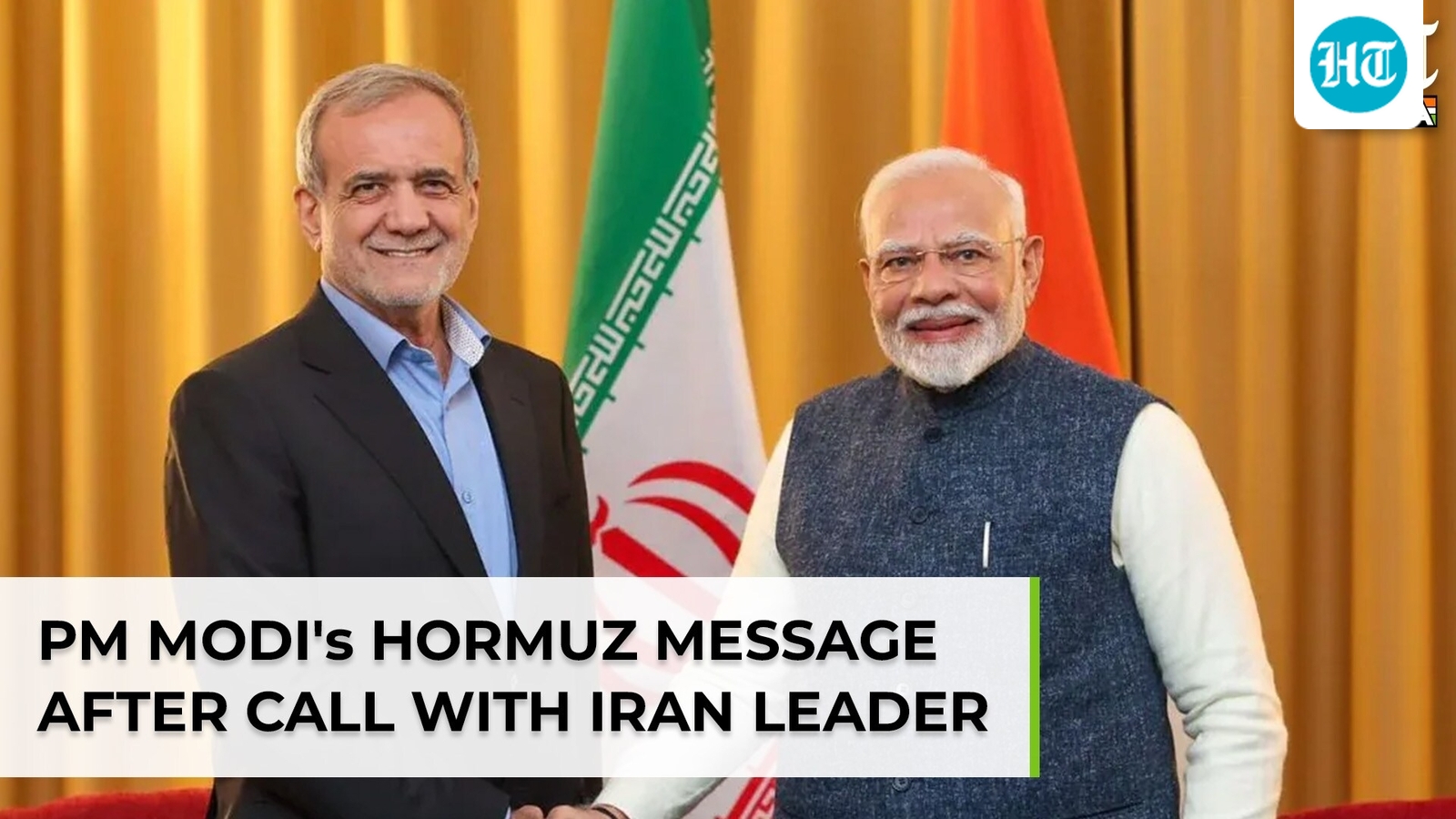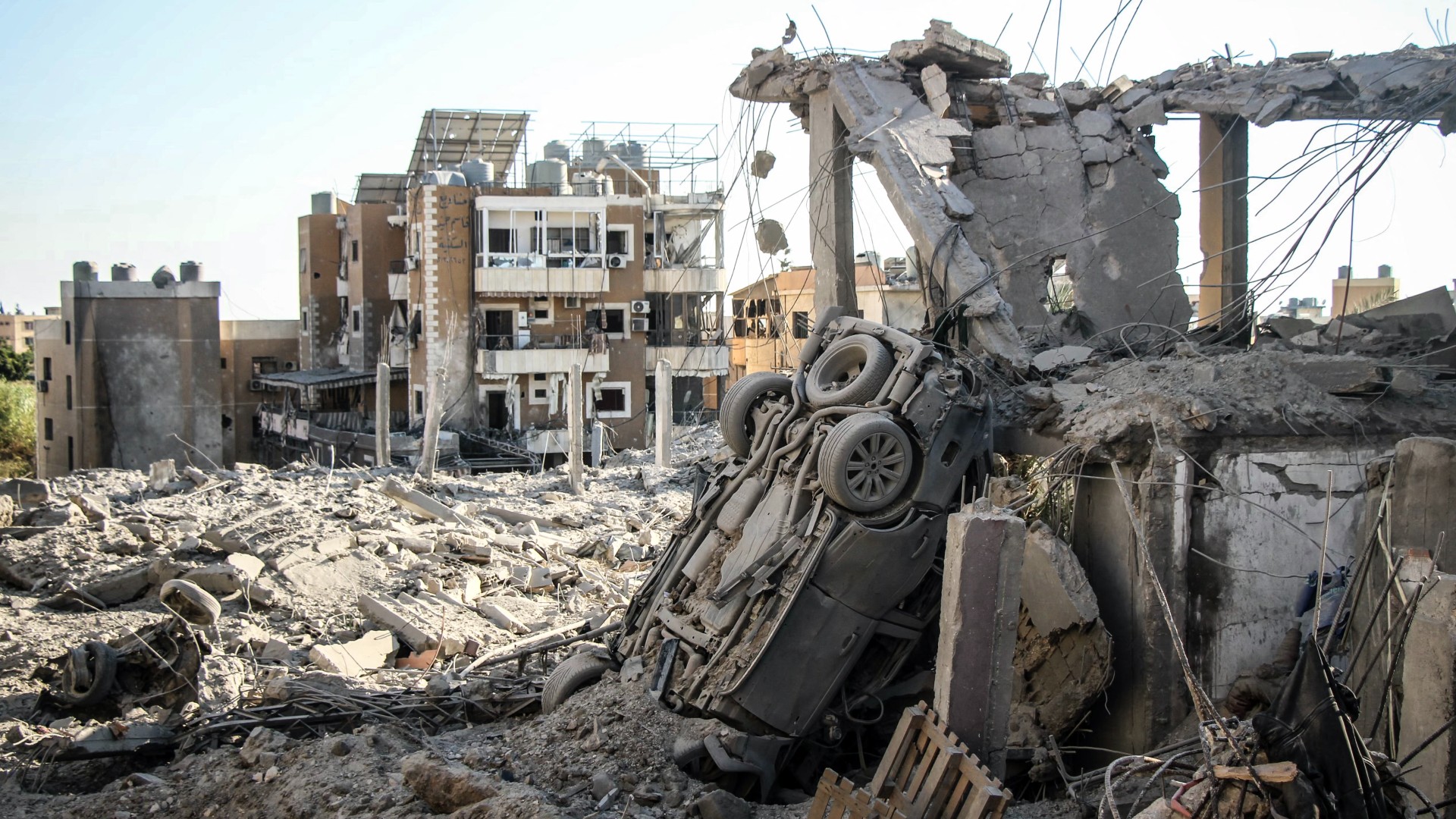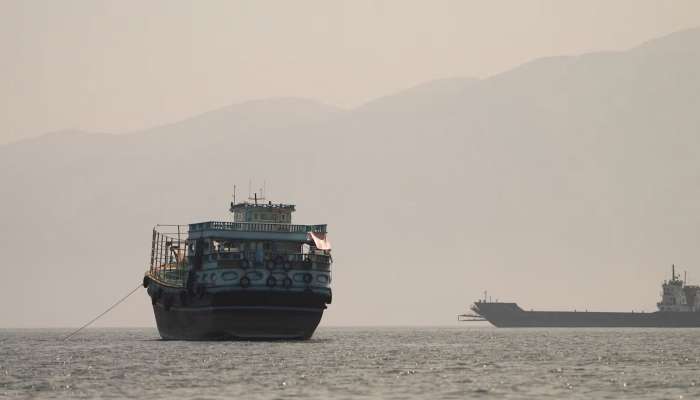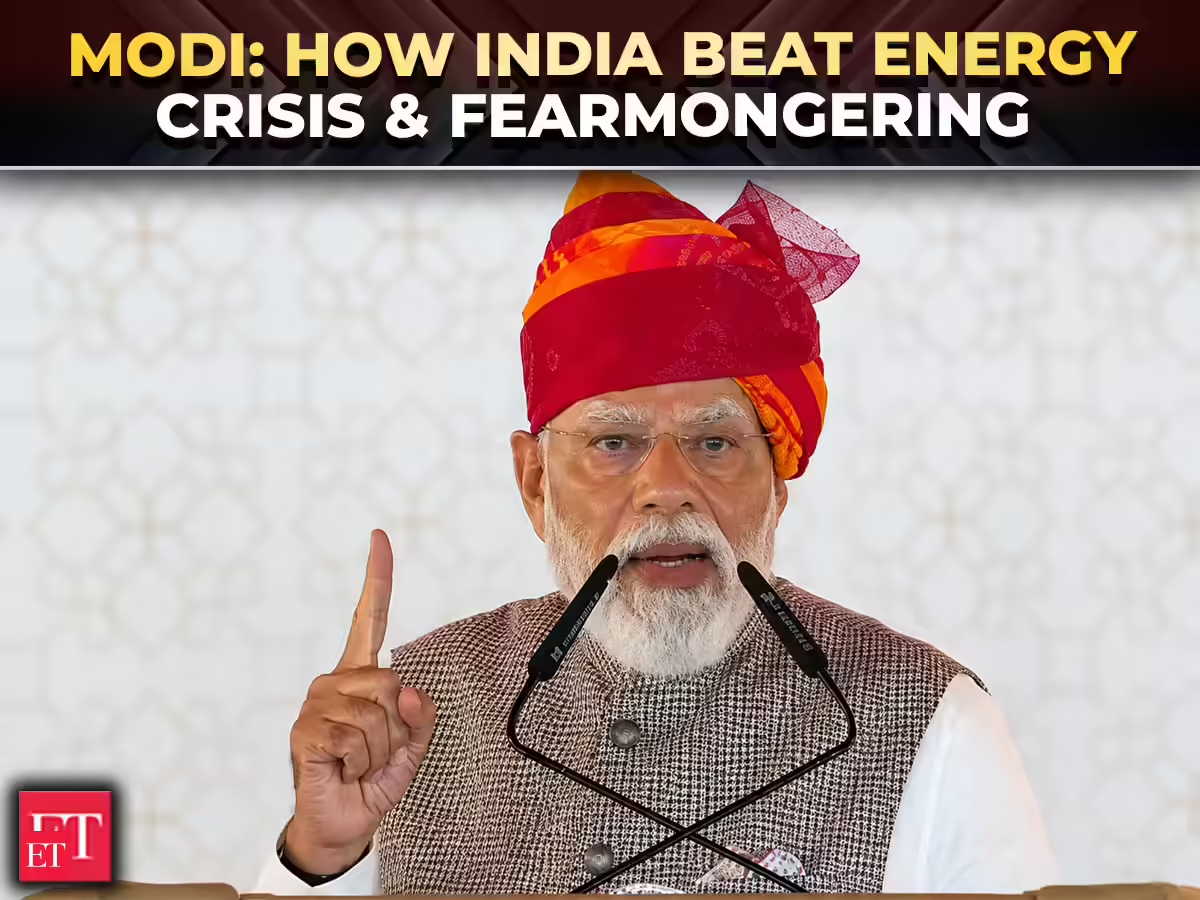
Prime Minister Narendra Modi on Saturday outlined how the Indian government made the 'right decisions at every level' to overcome the West Asia crisis.The war between US, Israel and Iran, which began on February 28, caused disruptions across the globe, raising energy prices due to closure of Strait of Hormuz."The war troubled every country, leading to the biggest energy crisis of the 21st century," PM Modi said."During the biggest energy crisis of the 21st century, the will power of New India and its efforts prevailed heavily," he said, adding that the government made the right decisions at every level.Also read: PM Modi unveils India's 1st integrated refinery-cum-petrochem unit with 9 MMTPA capacityIndia accurately assessed the crisis in time, formulated an effective strategy, made balanced use of country's resources and made positive use of India's diplomatic power, he noted.Between April and June , oil companies had to absorb a loss exceeding Rs 75,000 crore on diesel and petrol, he said, adding that the burden of covering this loss was borne by the public exchequer. The government also reduced the excise duty by RS 10 per litre to ensure that the public does not face an excessive burden."During this very period of war, India’s friendships with other nations proved invaluable. Before the crisis began, India imported fuel and energy from only twenty-five or twenty-six countries. However, the crisis showcased the prowess of Indian diplomacy... Amidst the war, India began sourcing fuel from over forty countries. India sent a clear message to the world that national interest and the welfare of its citizens are paramount," PM Modi said.On Liquefied Petroleum Gas (LPG) crisis, PM Modi highlighted that 60% of India's LPG requirements comes from other nations as imports. Out of this, 90% LPG used to come from Gulf through Strait of Hormuz, which was disrupted due to the West Asia war.The government took numerous measures like limited commercial LPG supply and increasing factory output to prevent domestic gas shortage. The refineries that previously produced other products were directed to manufacture LPG, and within just seven days, the prime minister noted.Domestic LPG production rose from 35,000 metric tonnes to 54,000 metric tonnes during the crisis, he said, adding that refineries that had never produced LPG before were reconfigured to do so.The government also ensured that the entire burden of cooking gas demand did not fall solely on LPG, and hence launched a campaign to expand PNG connections."In a very short span of time, India connected over 1.1 million households to PNG.... Given the prevailing circumstances, the price of a domestic gas cylinder could have soared to Rs 2,000, a figure predicted by major market experts. Yet, even now, a domestic LPG cylinder is being provided for less than Rs 950," he added.The energy crisis, arising because of the West Asia war, severely affected diesel and petrol prices worldwide. "Our country does not possess vast oil reserves. As the crisis escalated, crude oil prices surged from $70 to $120 per barrel, and import routes were blocked. Diesel and petrol prices rose by 40% to 50% in many countries across the world, with some nations even resorting to rationing supplies. Yet, India never faced such a situation, not even for a single day," PM Modi said."Only then could India recover from the crisis," PM Modi said. "No matter how big and unexpected the challenge may be... the new India neither backs down from its resolves... nor slows down its pace."India has the fourth largest refining capacity in the world, the prime minister noted, further highlighting that the United States has not built a new refinery in the last 50 years while Europe's refining capacity has steadily declined.He expressed gratitude to the countrymen as they stood firmly with the country during this difficult time. "In the way the countrymen confronted those spreading rumours, fear, and confusion...They foiled the conspiracies to create instability in the country... The country has moved forward on the strength of that very trust."
Diplomatic relations, right decisions: PM Modi outlines how India weathered Iran war
Prime Minister Narendra Modi highlighted India's successful navigation of the West Asia crisis, attributing it to timely and correct decisions across all government levels. He described the conflict as the 21st century's biggest energy crisis, impacting nations globally.
660 words~3 min read