Lim Jae-seong
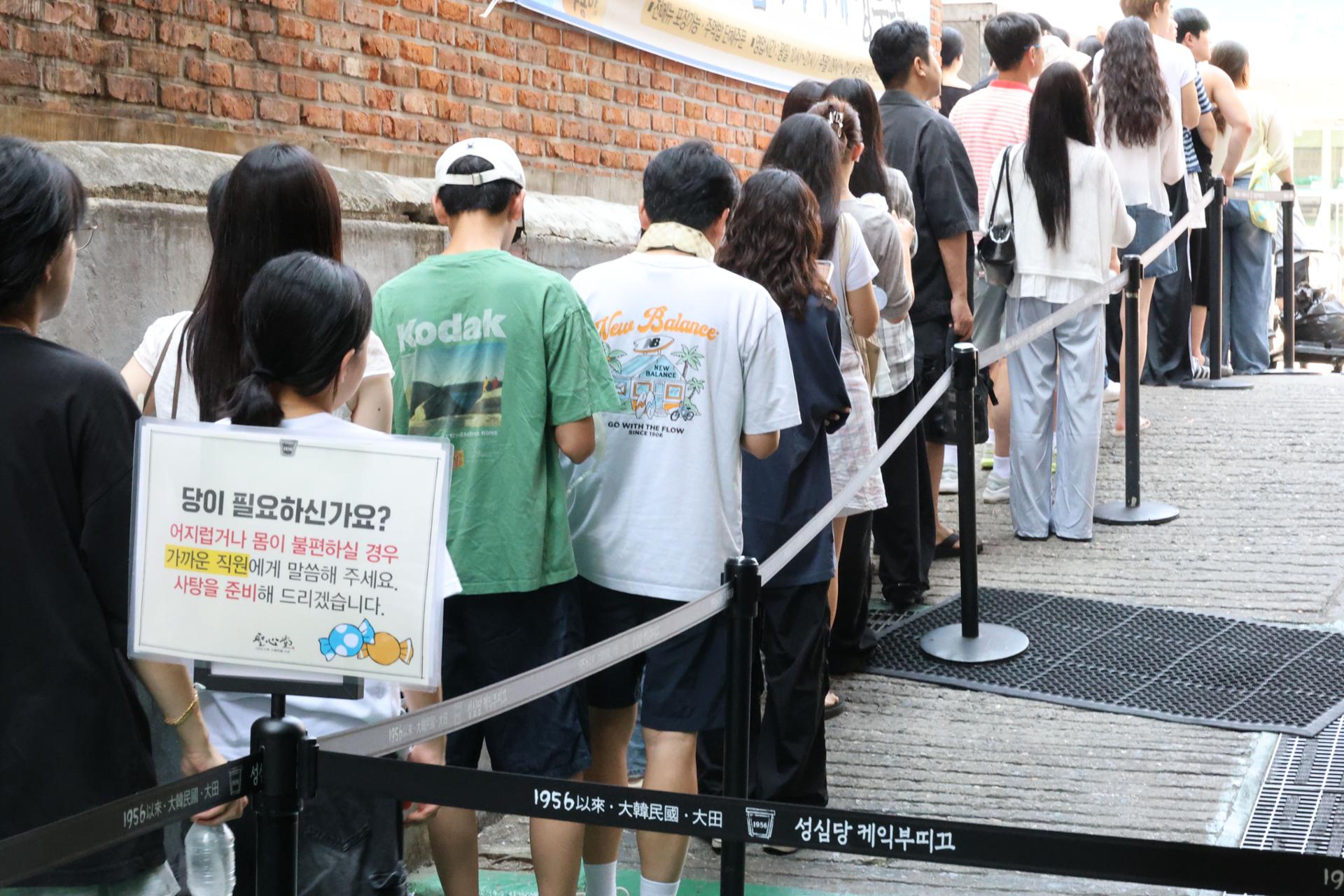
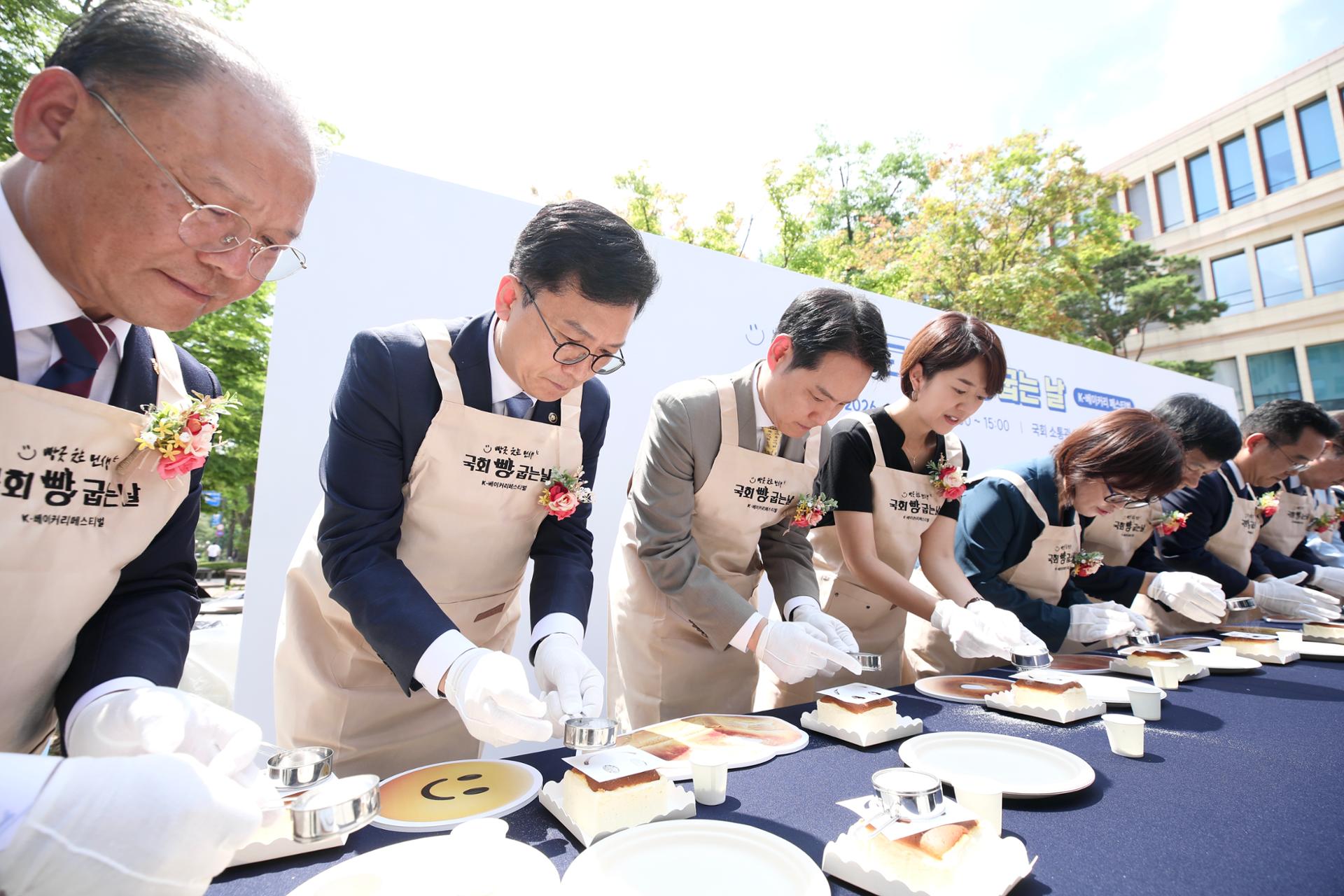
Sungsimdang’s seasonal fruit cake on display at its Daejeon outlet (Photo courtesy of Sungsimdang Cake Boutique’s Instagram account) In South Korea, the latest battleground for regional tourism is neither beaches nor mountains nor historic landmarks. It is bread.Inspired by destination bakeries that have sparked so-called “bread pilgrimages” across the country, local governments are investing in bakeries, bread festivals and bakery districts in hopes of reviving economies hit by depopulation.But experts say bread can only go so far. While it may bring visitors to a city, it does not necessarily make them stay overnight unless it is tied to broader tourism activities.The bakery raceAt Daejeon Station, one souvenir stands out above all others: Sungsimdang’s paper bag. Carried by countless passengers boarding trains home, it has become a symbol of the city’s transformation and an object of envy for local governments across the country.Once dismissed as a “no-fun city,” Daejeon has reinvented itself as one of Korea’s bakery capitals, with young visitors willing to travel for hours and queue outside Sungsimdang’s stores.Mobile phone data showed that visits to Daejeon’s Jung-gu district, where Sungsimdang’s main store is located, reached 49.3 million last year, up 9.6 percent on-year.Inspired by Sungsimdang’s success, local governments across the country are racing to create their own bakery destinations.Pohang in North Gyeongsang Province has introduced a stamp tour linking 13 local bakeries. Incheon’s Dong-gu, which has recently been merged into Jemulpo-gu, is developing bakery products using locally grown produce in partnership with neighborhood bakeries.Some initiatives are already showing results. Mungyeong, North Gyeongsang Province, which is not traditionally known as a bakery destination, attracted around 60,000 visitors to the second edition of its bread festival in April, roughly double the attendance recorded a year earlier.Already established as bakery hubs, Daejeon and Cheonan in South Chungcheong Province are also expanding bread-themed festivals, bringing together local bakeries to strengthen their position as regional food destinations. Cheonan Mayor Jang Gi-su (left) visits a bread-themed festival held across the city in South Chungcheong Province on June 13-14. (Cheonan City) Small purchase, big drawWhile bread is a relatively recent addition to Korea’s traditionally rice-based food culture, experts say it has several qualities that make it attractive for regional tourism.“Bread is relatively affordable and easy to carry, making it less intimidating for first-time visitors and highly shareable on social media,” said Lee Hong-joo, a consumer economics professor at Sookmyung Women’s University.Lee said bread can work as a gateway product that encourages people to explore unfamiliar destinations and spend beyond bakeries.“Visitors do not stop at buying bread. They also spend money at cafes, restaurants, traditional markets and on transportation, creating a ripple effect across the local economy,” Lee said. “When bakeries use locally sourced ingredients, the benefits can also extend to farmers and the regional food industry.”The growth in spending in Daejeon helps explain why other regions are trying to replicate the model. Card spending at bakeries in Daejeon’s Jung-gu rose 17.4 percent on year in the fourth quarter of last year.Spending across the district’s 100 major consumer business categories also climbed 5.5 percent in the same period, above the nationwide average increase of 3.6 percent. A bakery map in South Jeolla Province features signature breads from across the region to promote bread pilgrimages. (Jeonnam-Gwangju Special Metropolitan City) Bread alone is not enoughBread, however, is not a panacea for regional tourism.While destination bakeries such as Sungsimdang have drawn large numbers of visitors, many still treat the visit as a quick stop rather than a reason to stay overnight.In Daejeon, total visitor numbers have grown by more than 5 percent annually since 2022, but the share of overnight stays has declined from 18 percent to 16.2 percent, according to the Korea Tourism Organization.Experts say the economic impact of bakeries alone remains limited, and that Daejeon’s success is also partly linked to its role as a major railway hub.“The railway network connecting Busan, Daegu, Gwangju and Seoul passes through Daejeon, which makes it easy for travelers to stop by Sungsimdang on the way,” said Jeong Ran-su, director of the Future Tourism Strategy Institute. “That accessibility is one reason the bakery became closely tied to the city’s tourism strategy.”He added that other regional bakeries, such as Lee Sung Dang in Gunsan, North Jeolla Province, have expanded by opening branches in larger cities.As bakery tourism becomes increasingly saturated, experts say regions need to use bread as a starting point for longer stays, rather than treating it as the destination itself.“Before promoting bakeries, regions need to build continuous tourism content such as old-town tours or local branding experiences,” Jeong said.Lee echoed Jeong’s view, saying regional differentiation will become more important if every local government focuses on bakeries.“A differentiated narrative combining local history, culture and specialty products is essential for sustained tourism growth and regional economic impact,” Lee said.