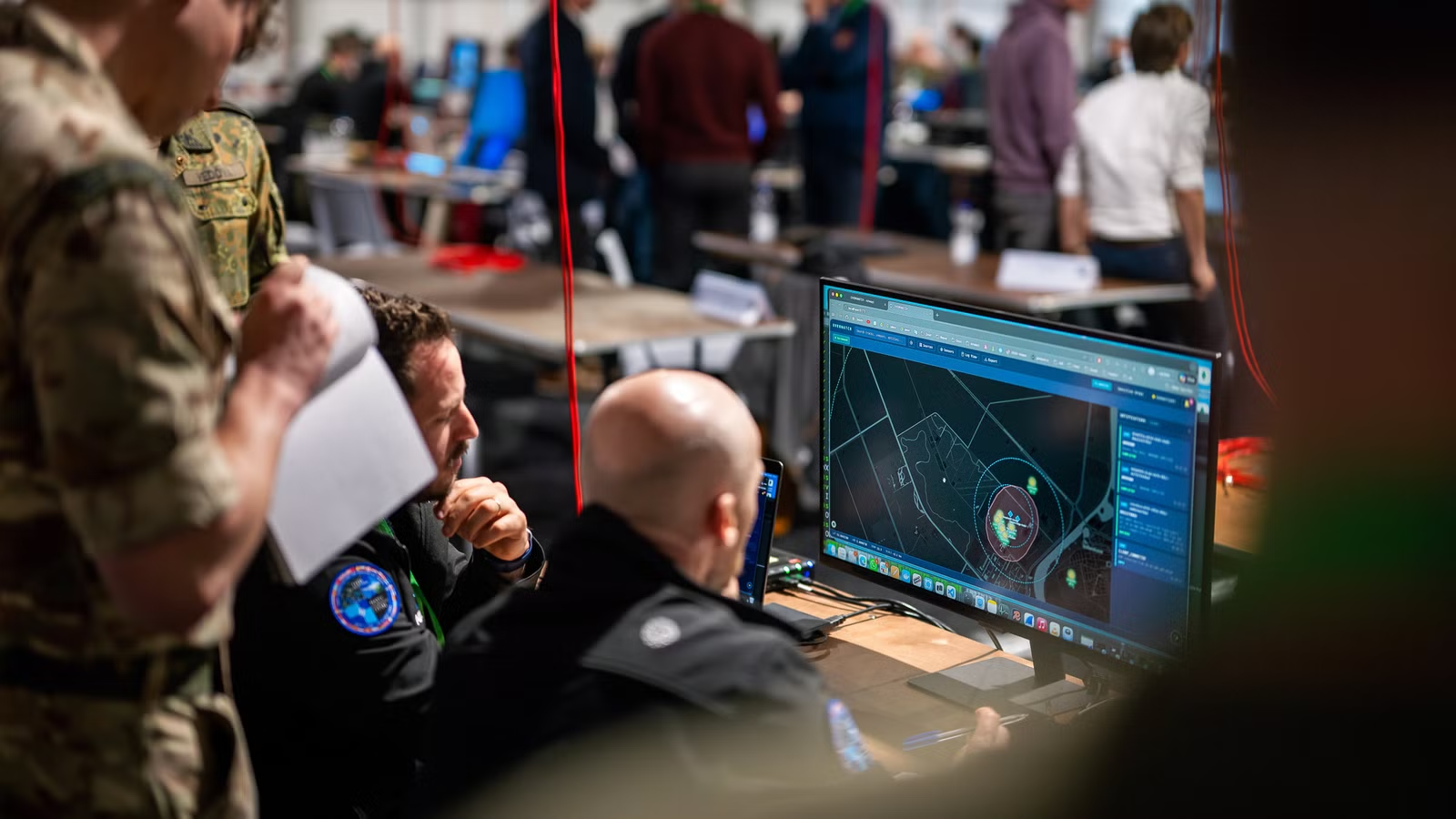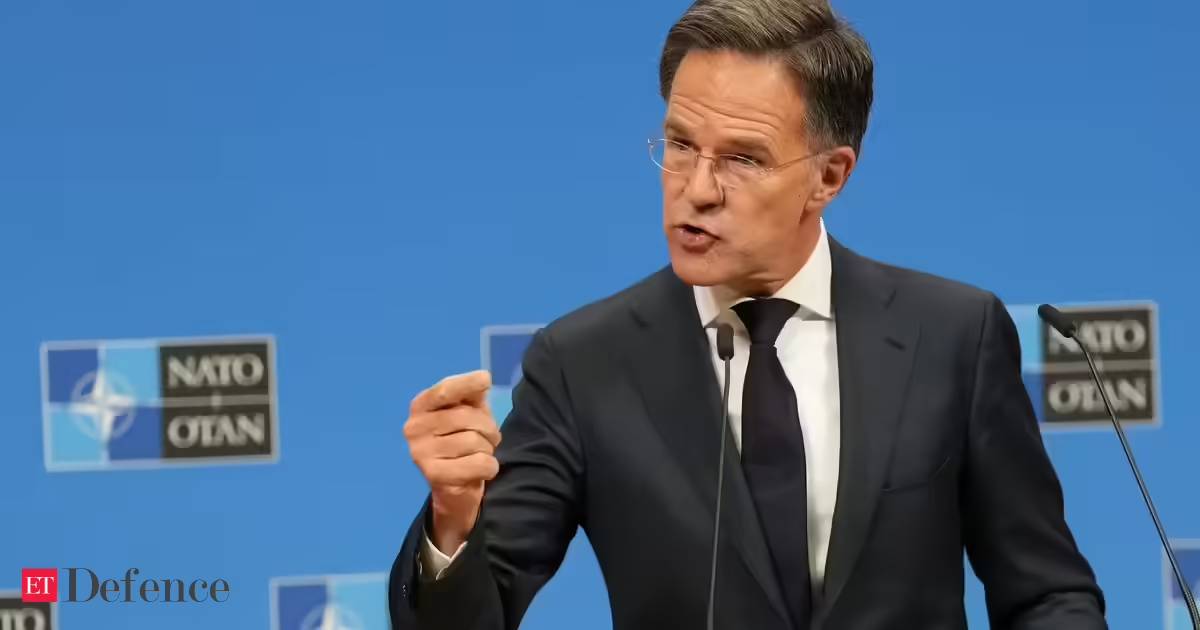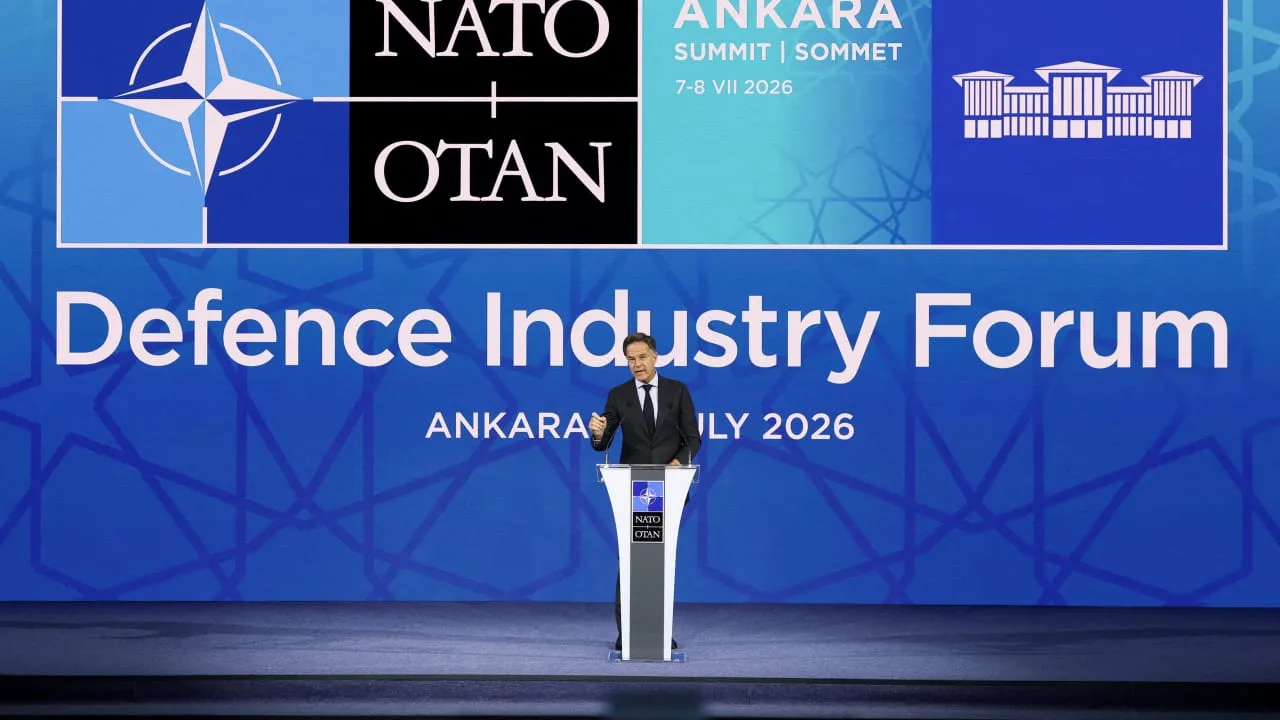
To find a more cost-effective solution and strengthen collaboration, NATO is turning to industry for ways to counter unmanned systems. Earlier this week, the second AIRCOM Industry Day took place at Germany's Ramstein Air Base, bringing together representatives from European arms manufacturers and the military.
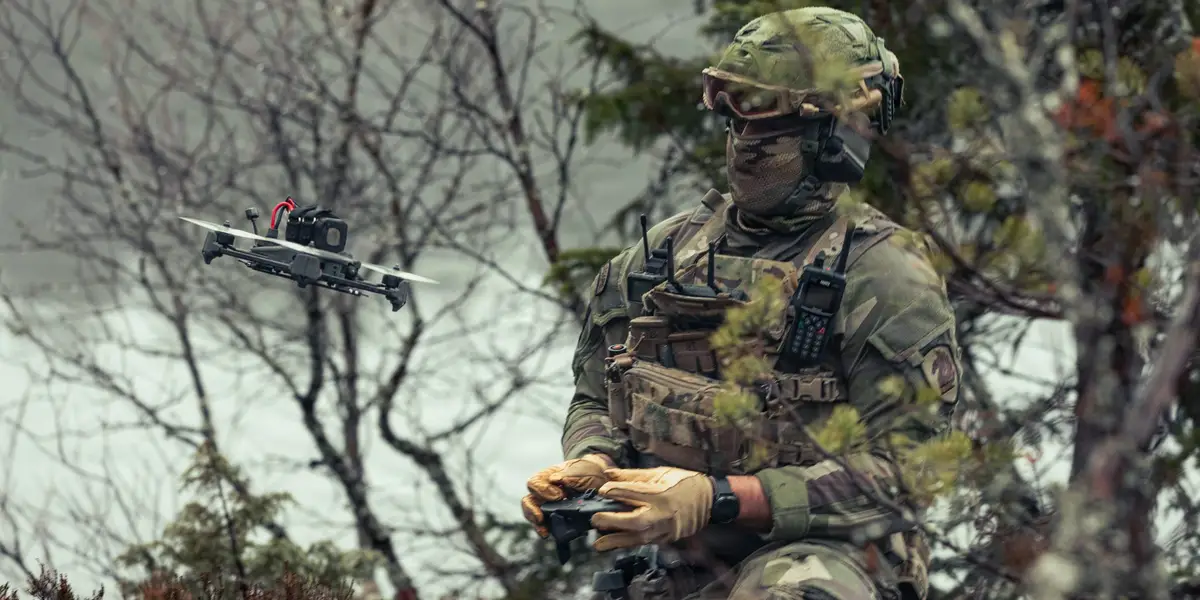
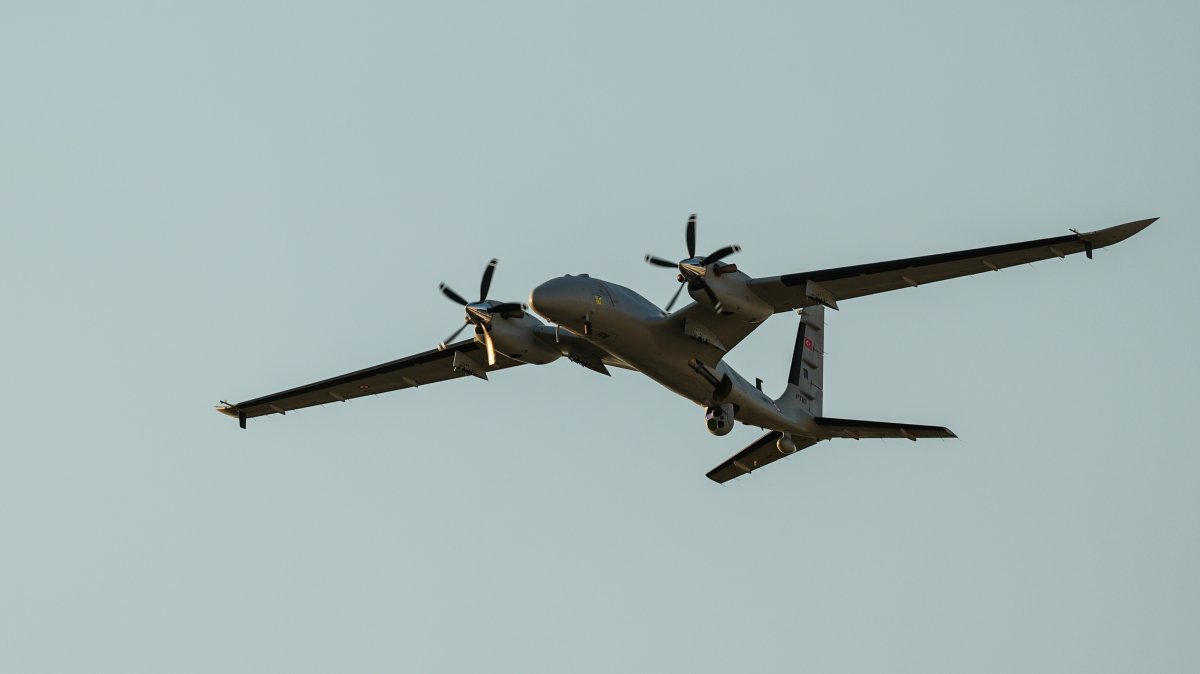
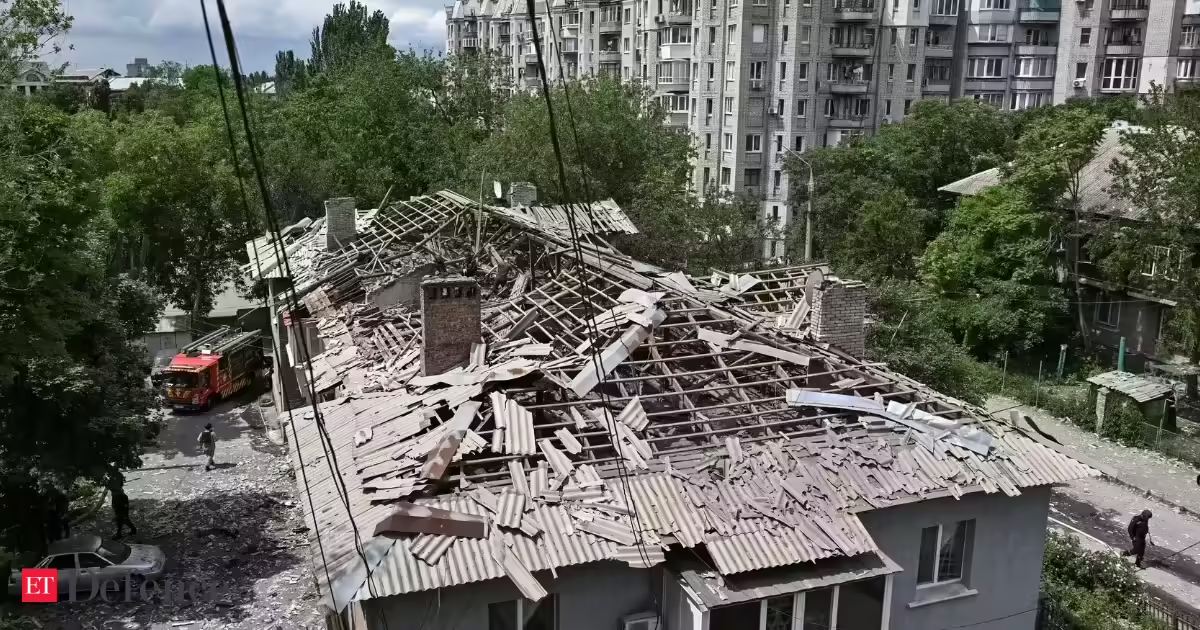
A drone crashing into a house in Romania, another violating Lithuanian airspace, and Munich Airport suspending operations for several hours following a suspected sighting: unmanned systems, and how to counter them, have become an increasingly acute threat for NATO.
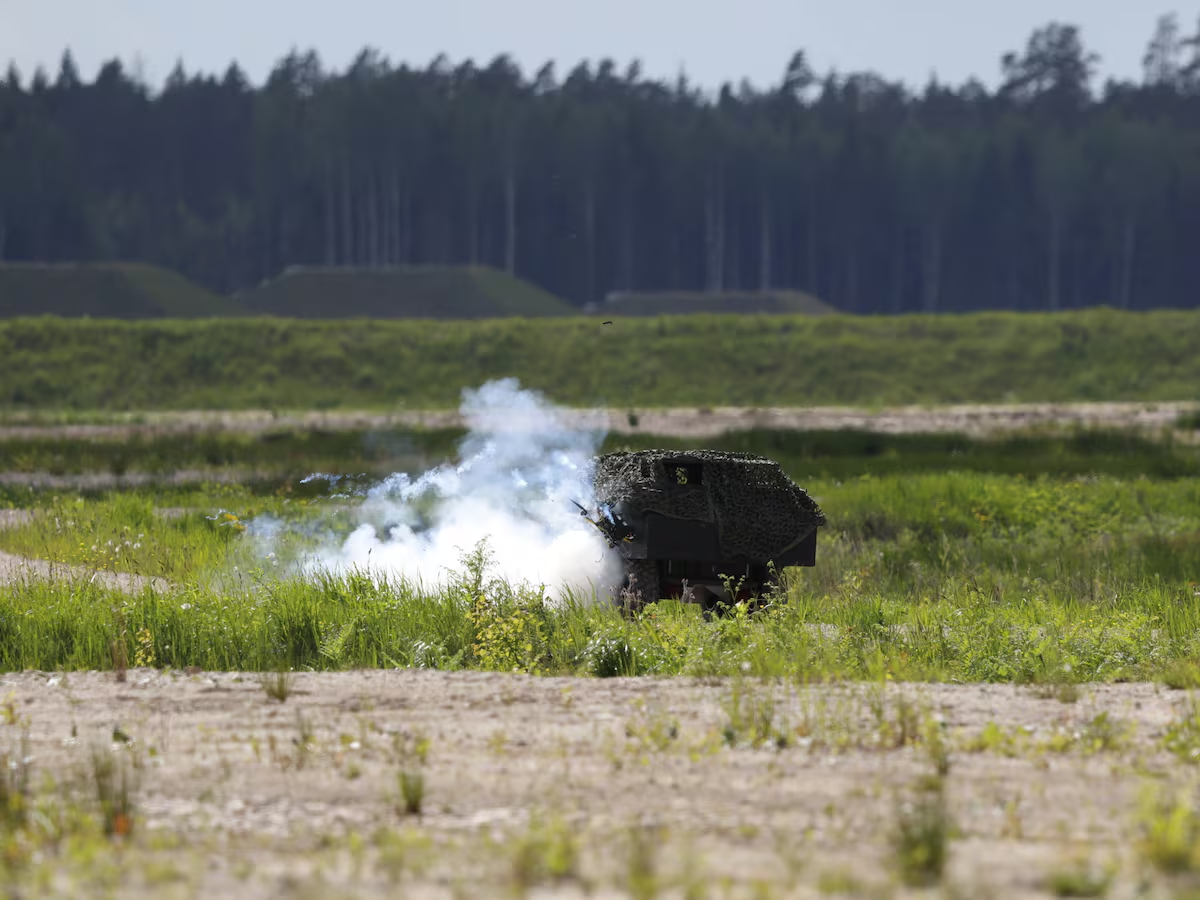
If a drone is detected violating NATO airspace, the operation known as "Eastern Sentry" is triggered, which involves the deployment of several fighter jets to either track the drone or, if necessary, neutralise it. This, however, is deemed a costly intervention: drones are relatively cheap, with some being produced for less than €100,000. A single NATO fighter jet scramble against a drone can cost tens of thousands of euros per hour, though, with a typical two-jet interception costing more than €85,000 before any missiles are fired.
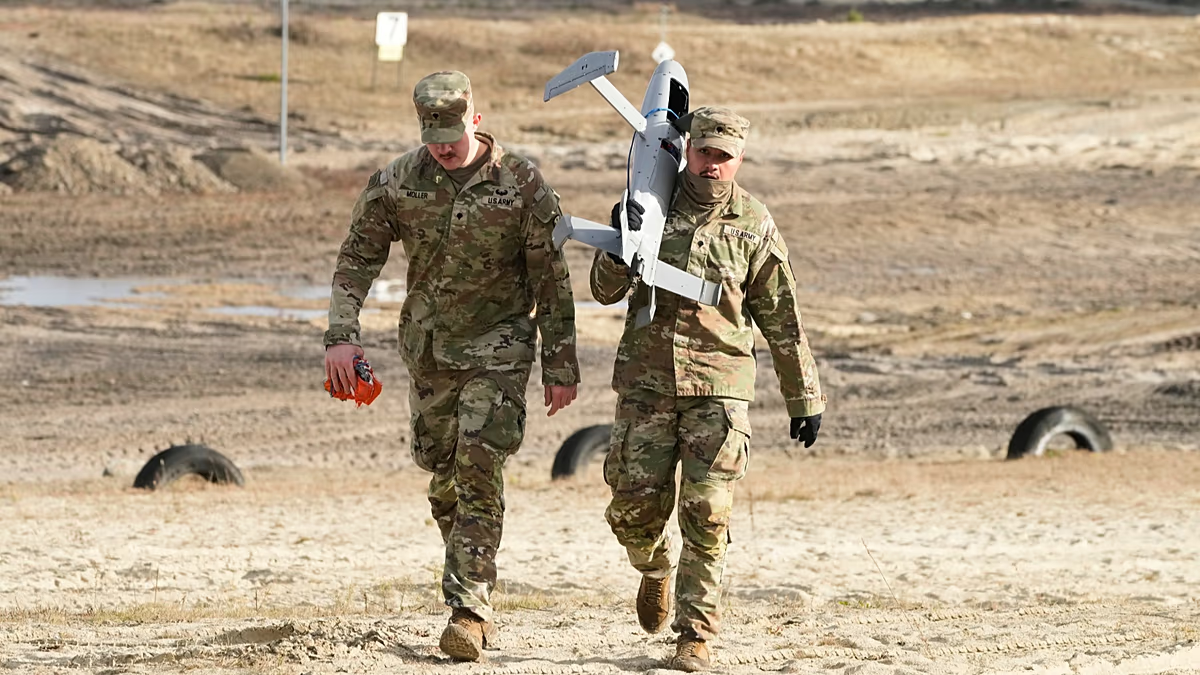
In his opening remarks, Lieutenant General Guillaume Thomas, Deputy Commander of the Allied Air Command, emphasised that drone warfare is confronting NATO with "collective challenges," pointing out the masse that Russia is using in its war against Ukraine. For him, the solution is to stay ahead of three key curves: cost, production and innovation. Achieving that requires close cooperation between industry and the armed forces.