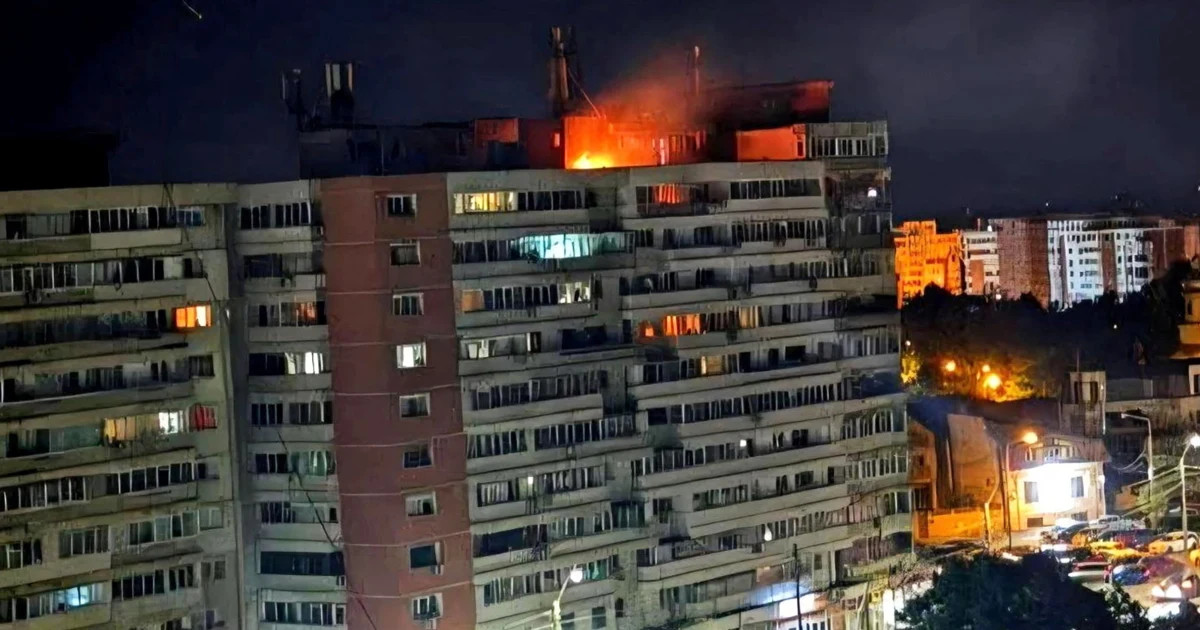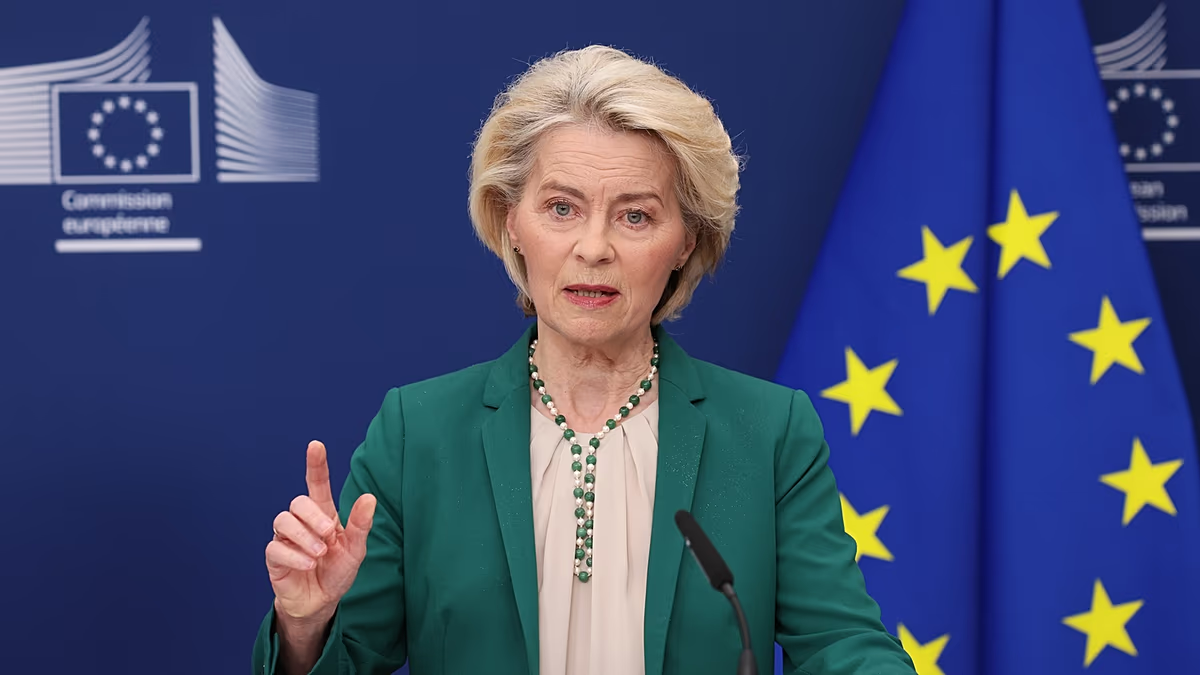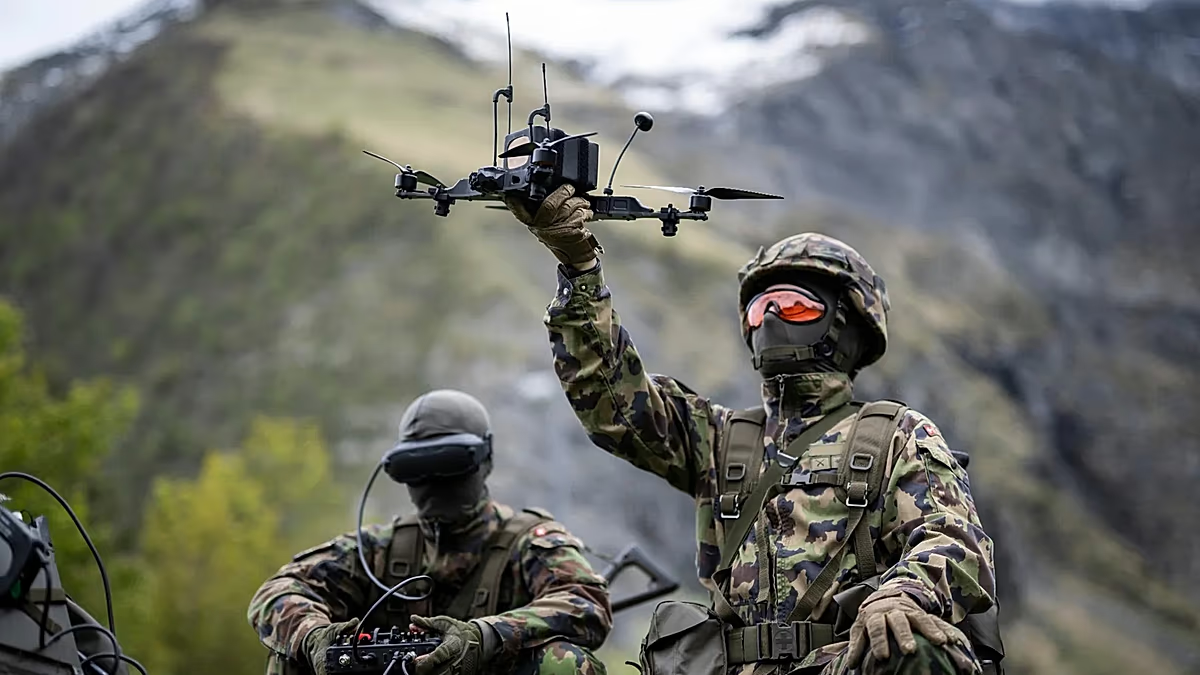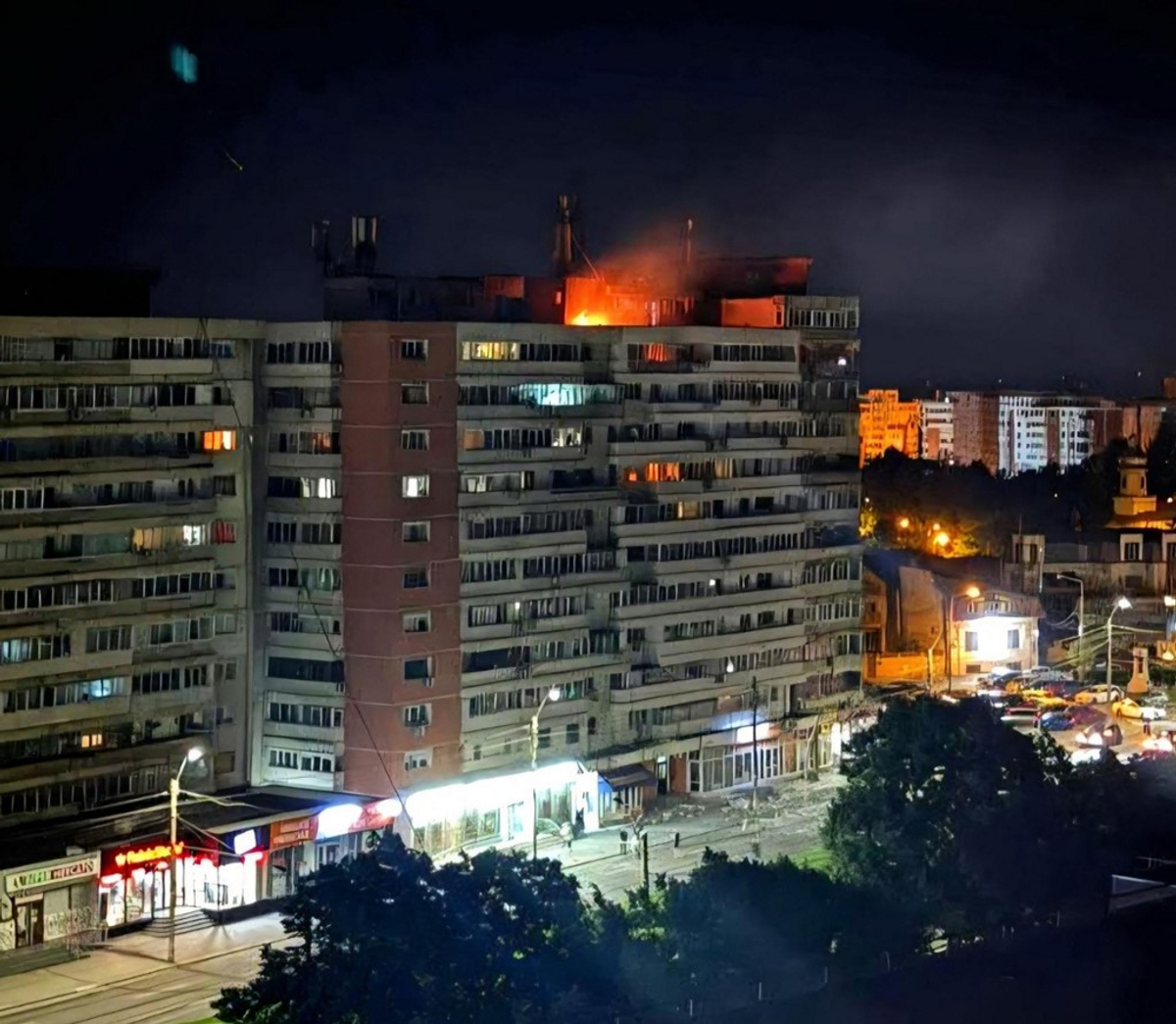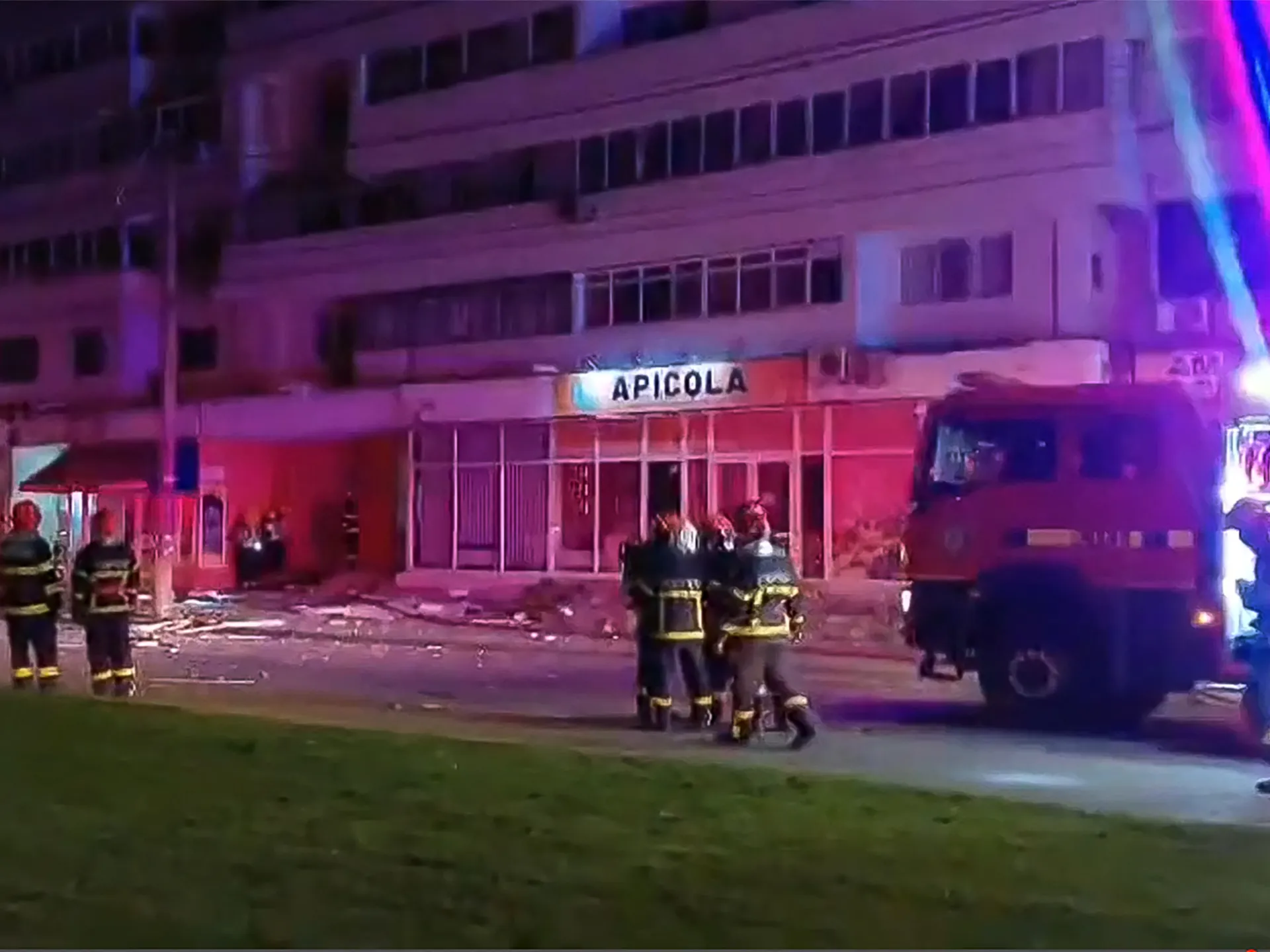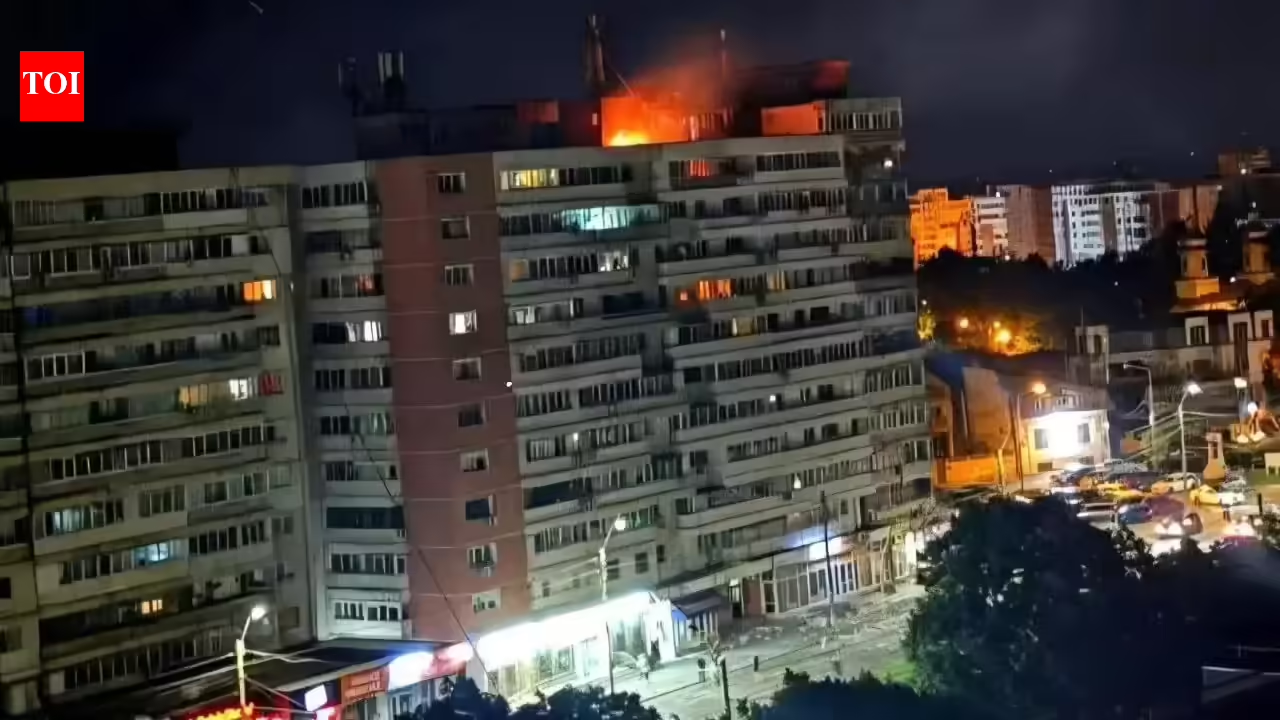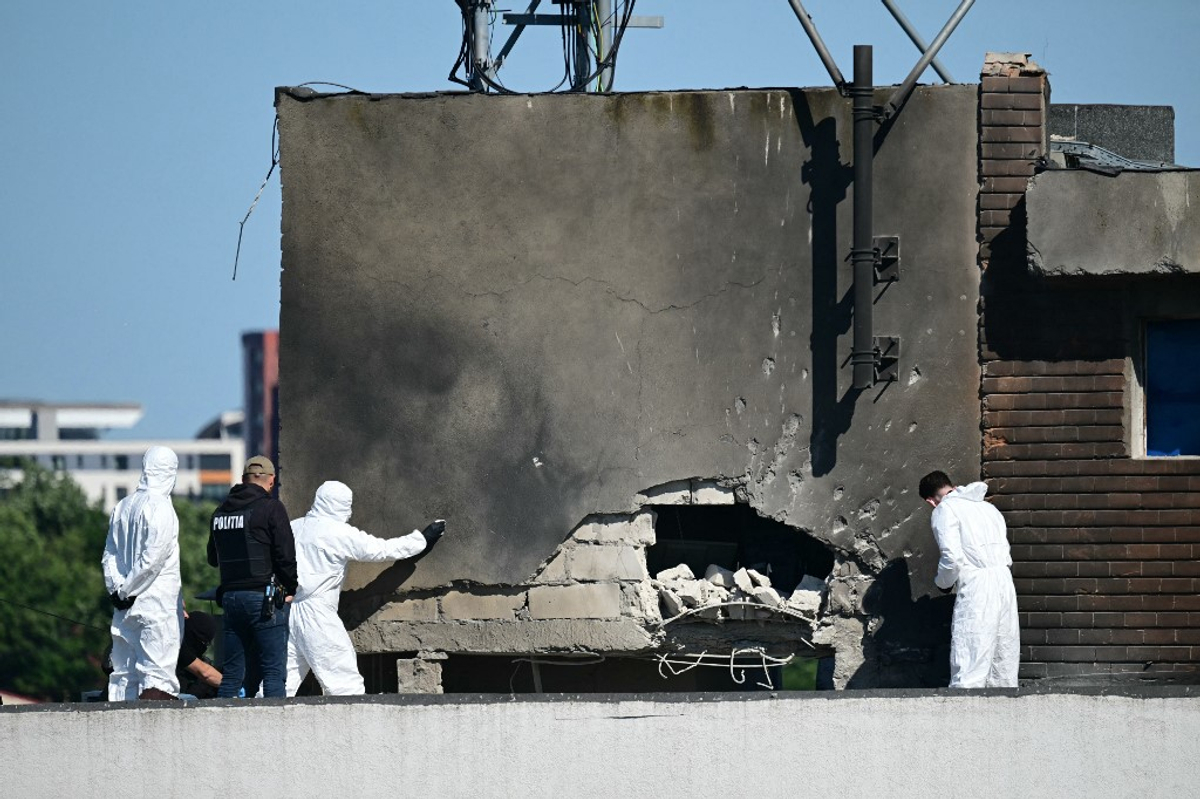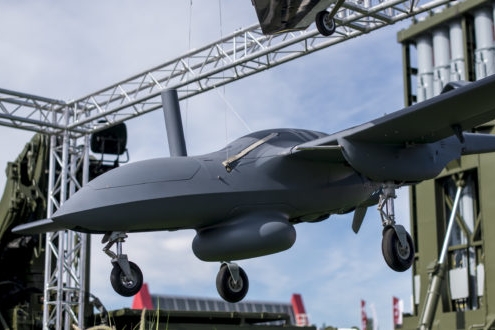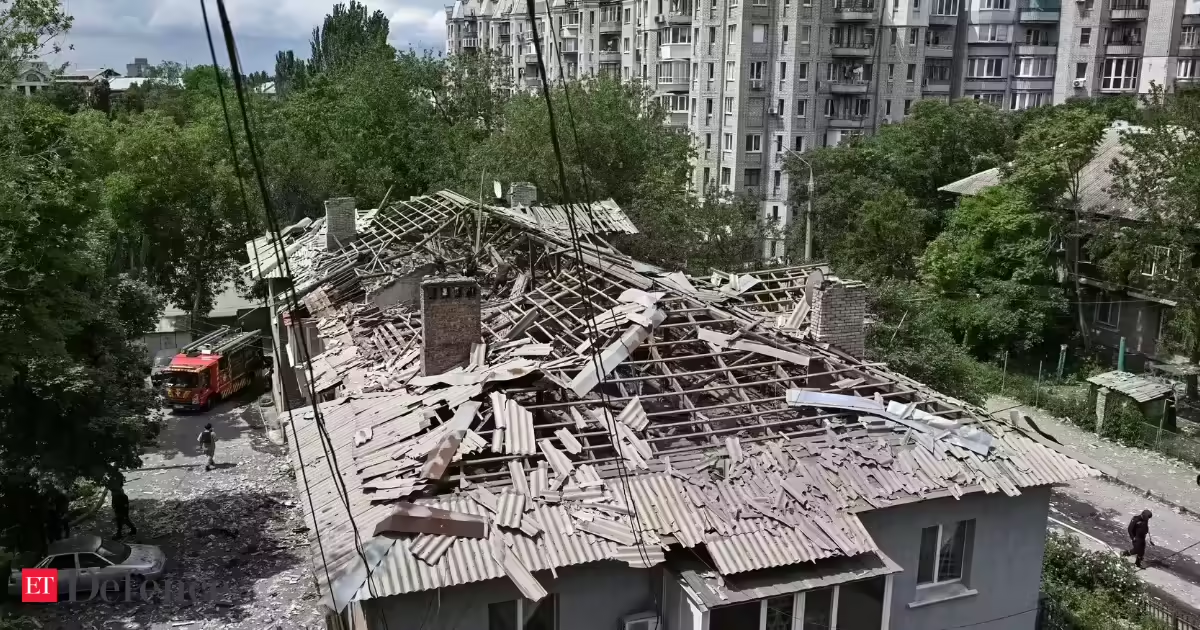
The crash of a Russian drone into a Romanian apartment building on Friday laid bare Europe’s lack of preparedness in confronting modern aerial warfare even as fighting rages across the border in Ukraine for a fifth year.The conflict’s latest spillover into European Union territory, which Romanian officials denounced as a “serious and irresponsible escalation” by Moscow, was among the most serious incidents on civilian life to date. A mother and her 14-year-old child were injured as they slept some 20 kilometers (12 miles) from the Ukrainian border.The violation underscored the extent to which drone incursions into EU and NATO airspace have become a near-daily experience in a region stretching from the Black Sea north to Finland. Emergency alerts flashing on smartphones, civilians rushing to shelter and threats bearing down on energy facilities have become common.Even when unmanned aerial vehicles are neutralized, the volleys expose Europe’s vulnerability, exacerbated by the US scaling back its military presence on the continent. European leaders, whose pledges to erect a “drone wall” to protect against Russian aggression stretch back years, have yet to come up with an adequate response to the growing menace.Mircea Geoana, a former NATO deputy secretary general, condemned in a Facebook post the “inadequacy of sensor and interceptor systems” in Romania and the broader eastern flank.“The delays in learning the lessons over the past four years and the lack of military and technological equipment,” Geoana said, “create a vulnerability that must be removed without delay in the country and at the allied level.”Romanian authorities have tallied 47 drone incidents on its territory since the beginning of Russia’s all-out invasion in 2022. Poland invoked NATO’s Article 4, involving consultation among allies, after shooting down more than a dozen drones that crossed into its territory last September, calling it an “act of aggression.” Finland and the three Baltic states — Latvia, Lithuania and Estonia — have dealt with repeated breaches.The development has raised difficult security questions for a region lagging behind as Russia stockpiles vast numbers of low-flying and evasive attack drones. The drone that crashed in Romania — in the Danube port city of Galati — was tracked by a radar system and caused two F-16 fighter jets to scramble before dropping in altitude to evade detection, Brigadier General Gheorghe Maxim said."The Romanian defense response was limited by the level of equipment,” Interim Prime Minister Ilie Bolojan, who cut short a visit to neighboring Moldova, said Friday. He added that the government will accelerate purchases of anti-drone ordinance under an EU defense-financing scheme, Security Action for Europe, or SAFE.The incident prompted a raft of familiar responses across the region. European Commission President Ursula von der Leyen said it “crossed yet another red line.” German Chancellor Friedrich Merz, posting on X, said the incursion “once again underscores the need for strong NATO posture on the Eastern flank.”“We are ready to defend every inch of Allied territory,” Merz wrote.That’s becoming a challenge. Russia and Ukraine have both dialed up technological know-how on drones, with Kyiv escalating strikes on Russian energy assets in the Baltic region. That’s included a larger number of Ukrainian drones crossing into Baltic airspace, exposing a gap and prompting von der Leyen this week to call for a NATO-coordinated assessment of anti-drone and early-warning systems in the region.The low altitude of most of the warring parties’ drones means they can vanish from traditional radars. Aerial vehicles can be aloft in EU airspace for some time before being detected. Capital cities including Helsinki and Vilnius have had to contend with the incidents.Conventional defenses, including scrambling jets and deploying air-defense missiles, are far too cumbersome to neutralize such a low-cost threat. Debris and stray missiles also pose a threat to civilian populations, leaders have stressed.Progress toward modern anti-drone detection and weapons has been slow, partly because of the disparity between long procurement processes and rapidly evolving technology, rendering some new systems outdated, experts have said.Iulia Joja, director of the Black Sea program of the Washington-based Middle East Institute, said the ultimate issue for NATO leaders is credibility.“If Russian drones can repeatedly enter Romanian airspace, reach populated areas, and still avoid interception, citizens will inevitably ask whether NATO’s security guarantees are operational in practice or primarily declarative in nature,” Joja told Bloomberg.Frontline countries have begun purchasing radar systems, deploying acoustic sensors and radio-frequency detection equipment, as well as testing interceptor drones, remotely controlled guns and low-cost miniature missiles.The US has supplied Romania’s military with a Merops counter-drone system. Maxim, the general who briefed on the incursion Friday, said the system is operational but has yet to be integrated into the country’s protection mechanism — even though it would not have been deployable in the incident in Galati.Latvia is planning to send counter-drone crews to the border, while laws in Estonia and Lithuania are being changed to allow operators of critical infrastructure such as power plants to shoot down and jam drones. Poland said it’s building the most “integrated, intelligent anti-drone system” in Europe.Matti Sarasmaa, the permanent secretary of Finland’s Interior Ministry, pointed to the risk of more frequent drone deployment from Russia as a means to protect its interests in border regions. Finland’s 1,300-kilometer (800-mile) border with Russia is by far the biggest in the EU.“If Russia expands its countermeasures and begins intercepting drones outside its own territory, this is a potential threat that has been identified in Finland with great seriousness,” Sarasmaa said. “As the war drags on and expands, the likelihood of such a scenario increases.”
Europe is facing up to a painful vulnerability to drone warfare
A Russian drone crash in Romania highlights Europe's struggle with modern aerial warfare. Drone incidents are now a near-daily occurrence across the region. European leaders have pledged defenses but an adequate response remains elusive. This vulnerability is exacerbated by the US scaling back its military presence. Frontline countries are now accelerating purchases of anti-drone systems.
913 words~4 min read