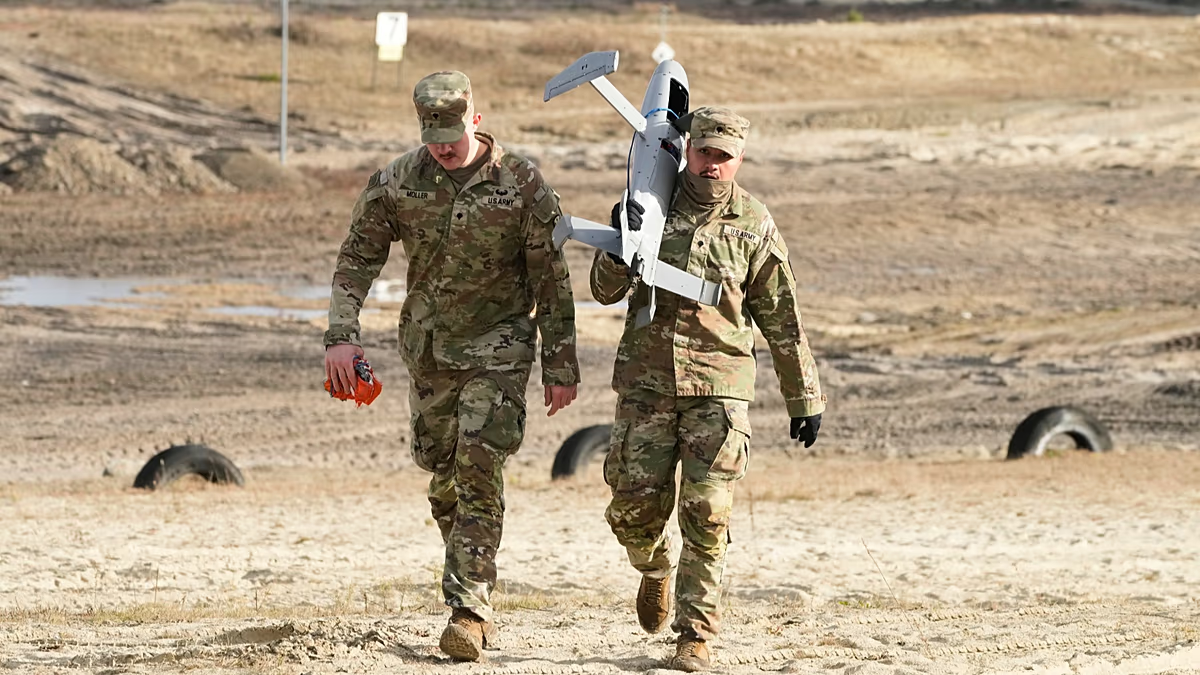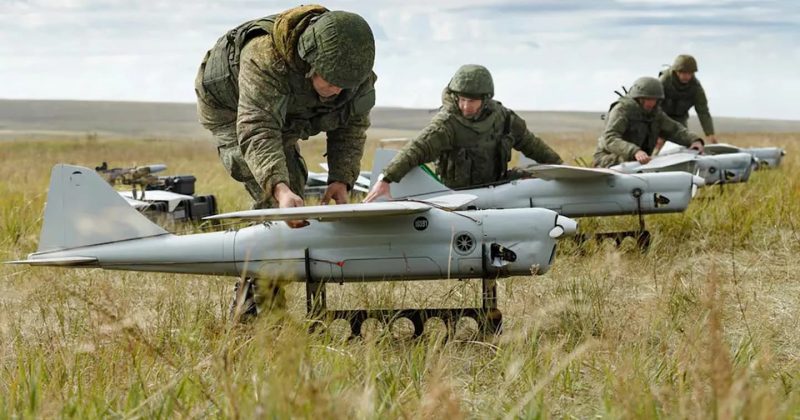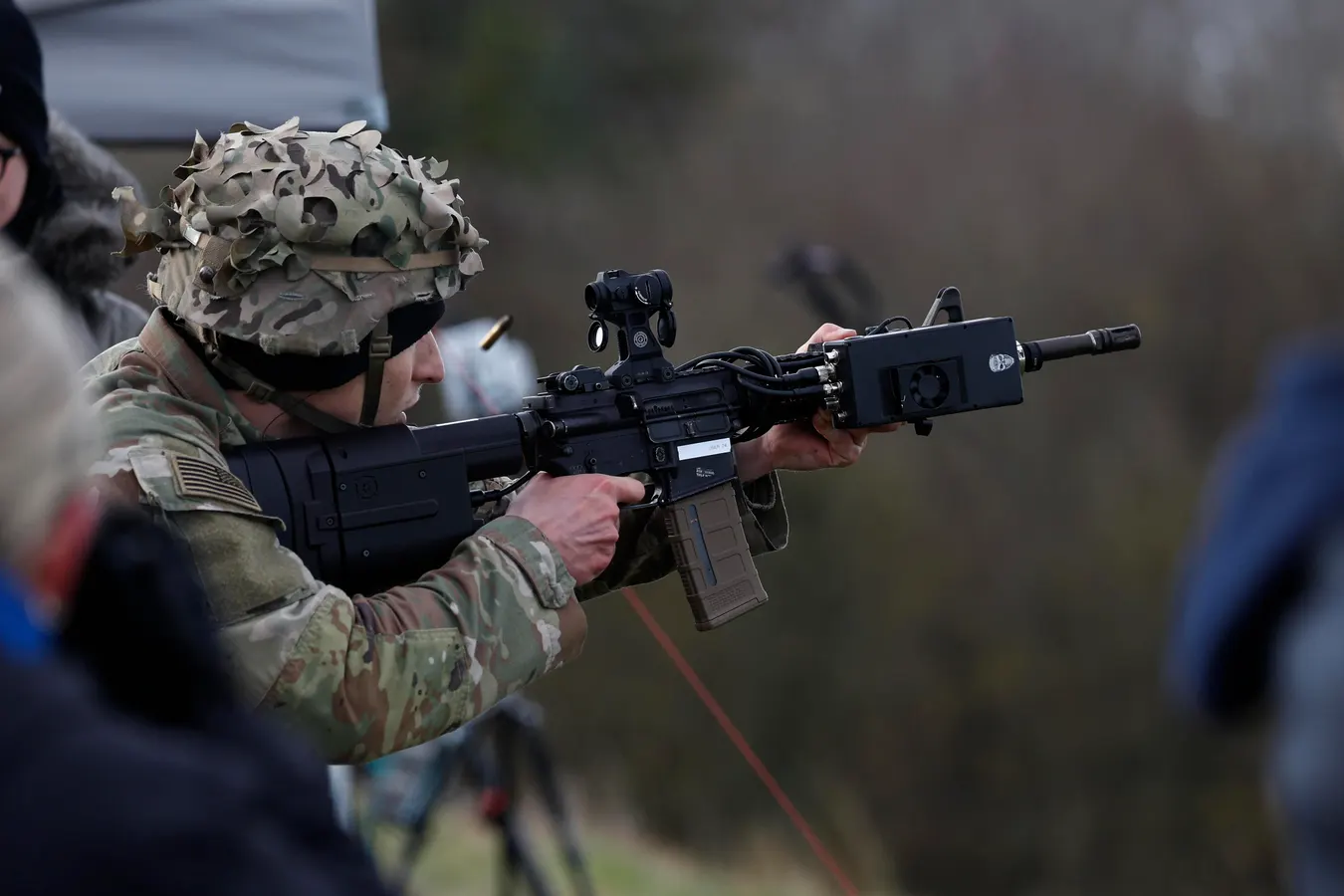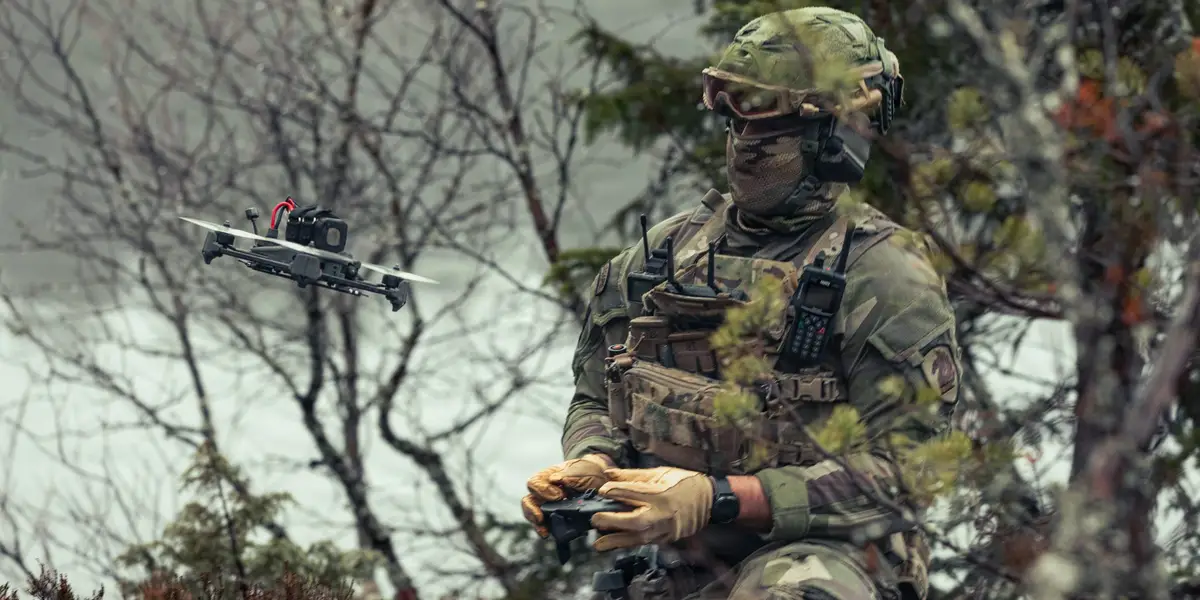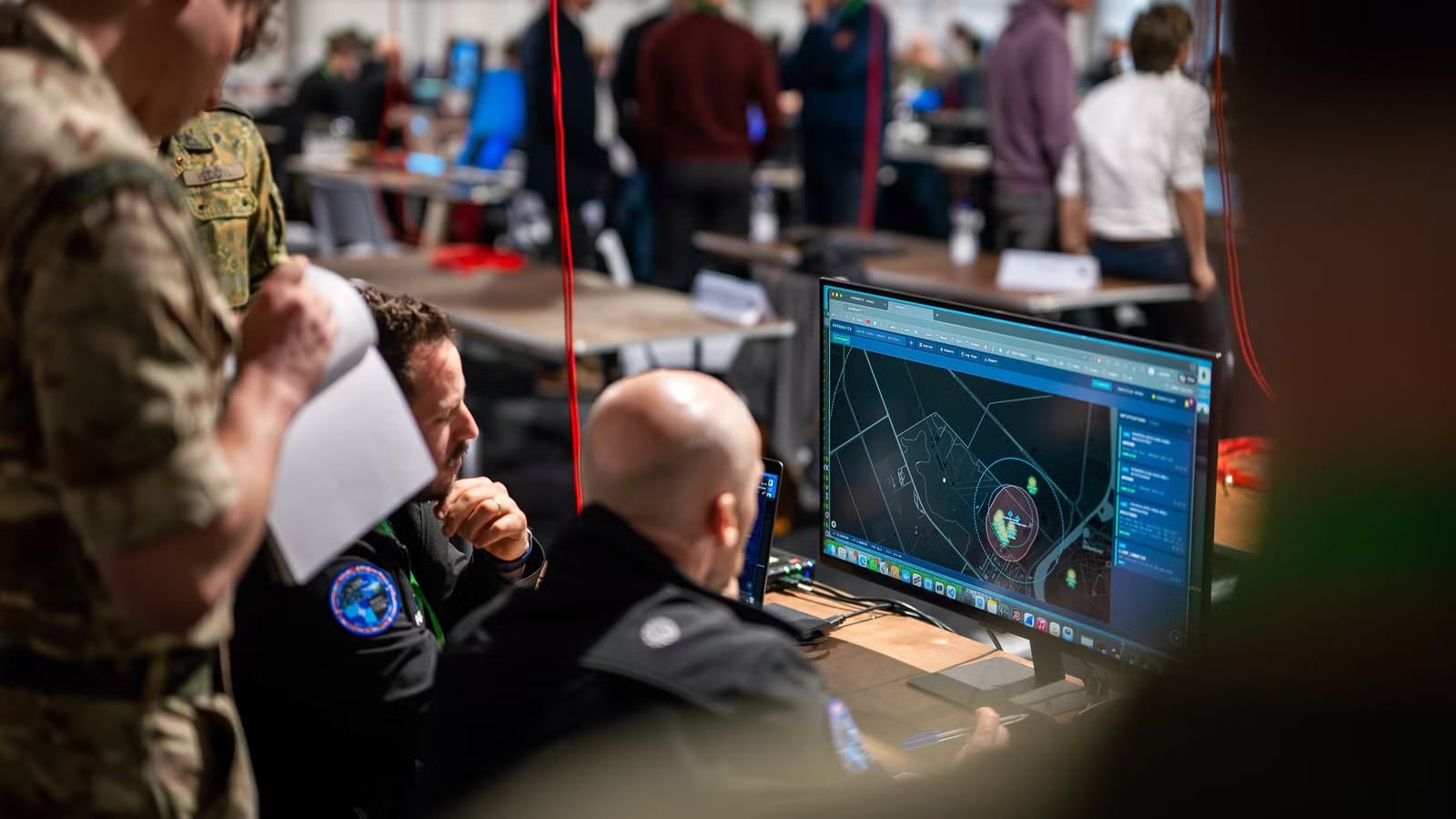
A NATO counter-drone exercise in the Netherlands this past spring offered a glimpse of what military leaders increasingly view as one of the most pressing challenges in modern warfare: how to manage crowded, contested airspace filled with drones, sensors and counter-drone systems operated by multiple organizations and nations. The exercise, known as Technical Interoperability Exercise 2026 (TIE26), brought together roughly 300 participants, more than 60 systems, and dozens of command-and-control applications to test whether counter-drone technologies from different countries and companies could work together in a common operational environment. Among the participants was Airwayz, a defense technology company focused on low-altitude airspace governance. During the exercise, the company's OVERWATCH command-and-control platform served as the lead command-and-control system for Team BRAVO and received NATO certification under the alliance's SAPIENT interoperability framework, according to information released following the exercise. For Airwayz Executive Chair Yaron Rosen, a retired Israeli Air Force brigadier general and former chief of the IDF cyber staff, the significance of the exercise extends far beyond technical testing. “We are entering a world where autonomous systems are becoming part of everyday operations,” Rosen told Military.com. “The next decade or two will be about synchronizing human and autonomous activity in the physical world.”
NATO Drone Exercise Amplifies International Battle for Military Airspace Control
Airwayz Executive Chair Yaron Rosen talked to Military.com about the NATO exercise and impacts on geopolitics in an age of uncertainty.
1,141 words~5 min read