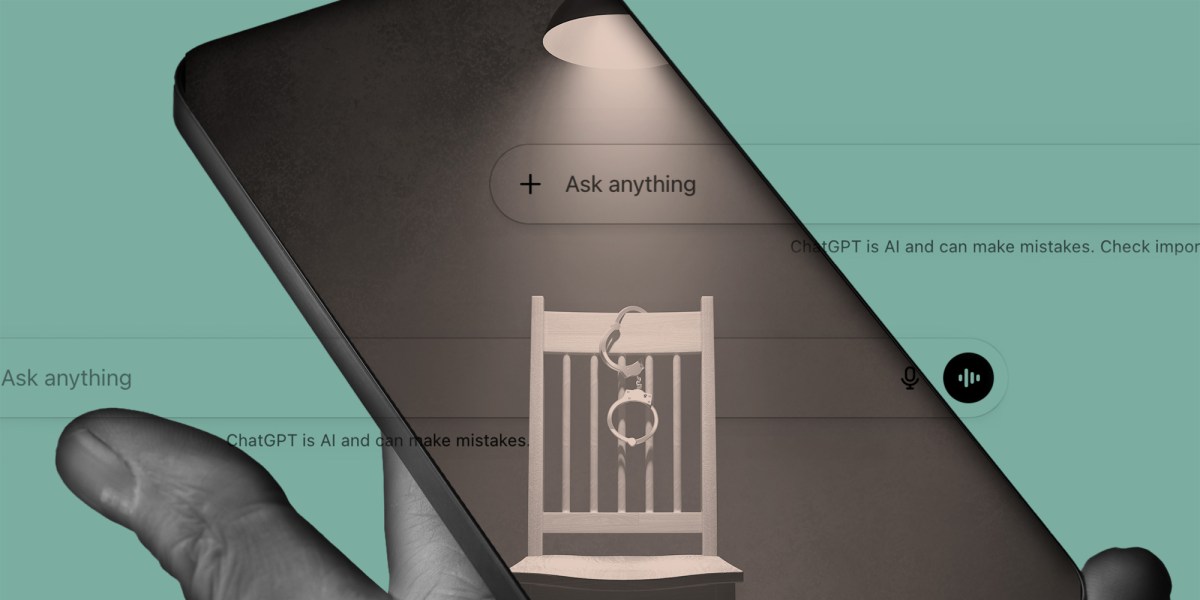
(Image credit: Joshua Coleman from Unsplash)
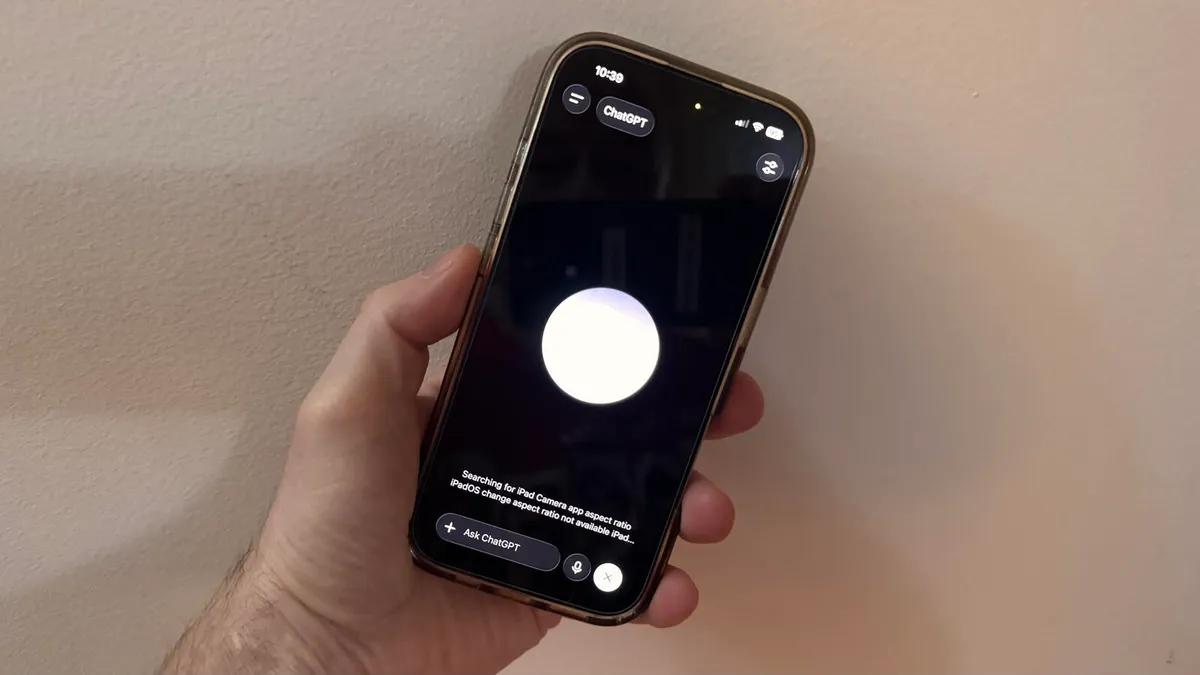
True crime has become a guilty pleasure. Driving to pick up my kids, folding laundry, squeezing in a walk after work — all have become opportunities to listen to a true crime podcast. I've burned through everything from cold cases and serial killers to financial fraud and missing-person investigations.So I decided to see if ChatGPT's Advanced Voice Mode could give me on-demand true crime stories. I've tried it before with less-than-perfect results, but now that ChatGPT is significantly better in 2026, I figured I'd give it another try. For a full week, every time I reached for Spotify, I opened ChatGPT instead. I had it walk me through famous unsolved mysteries, explain competing forensic theories and even build entirely fictional cases from scratch.By the end of the week, I wasn't ready to give up my favorite podcasts, but I also wasn't expecting to enjoy this as much as I did. Here's what happened.The rules
(Image credit: Tom's Guide)For seven days, every time I wanted true crime content, I went to ChatGPT's Advanced Voice Mode and tested how much control different prompts gave me over the experience. Some of my favorites:"Tell me the story of the Zodiac Killer like you're hosting a premium true crime podcast.""Slow down and build suspense before revealing each clue.""Only tell me what investigators knew at the time, do not give any hindsight.""Explain the competing theories after you finish the story.""Create a fictional true crime mystery that's completely original but feels realistic."What caught me off guard wasn't ChatGPT's knowledge of well-known cases. It was how it told them.Right off the bat, my favorite part about using ChatGPT Voice as a storyteller was interrupting it to ask questions. I could even redirect the conversation mid-story if it turned out to be too scary, too slow or different from what I expected. It was the single best difference from a traditional podcast. I really enjoyed participating by asking questions or getting more details rather than just listening.What caught me off guard wasn't ChatGPT's knowledge of well-known cases. It was how it told them.Advanced Voice Mode varied its pacing on its own, dropping into slower, more deliberate delivery right before a key revelation. When I interrupted mid-story to ask why detectives had zeroed in on a particular suspect, or pressed for more detail on a piece of forensic evidence, it folded my question into the narrative without losing the thread.Get instant access to breaking news, the hottest reviews, great deals and helpful tips.That changed the entire dynamic. Instead of banking questions for 45 minutes until an episode ended, I could dig into whatever caught my attention the moment it came up.The most unexpected surprise