© THE INTERCEPT
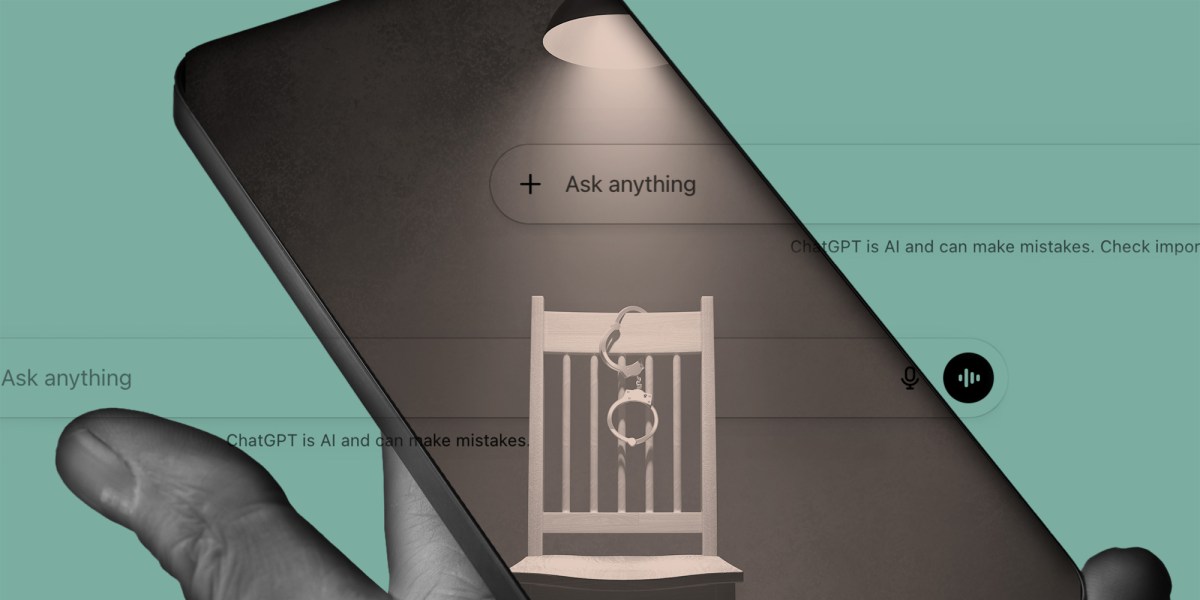
A renowned criminologist’s experiment with ChatGPT demonstrates the destructive power of police to elicit false confessions.
You might spend your Saturday mornings sipping coffee, attending a kids’ soccer game, or just recovering from a tough week at work.
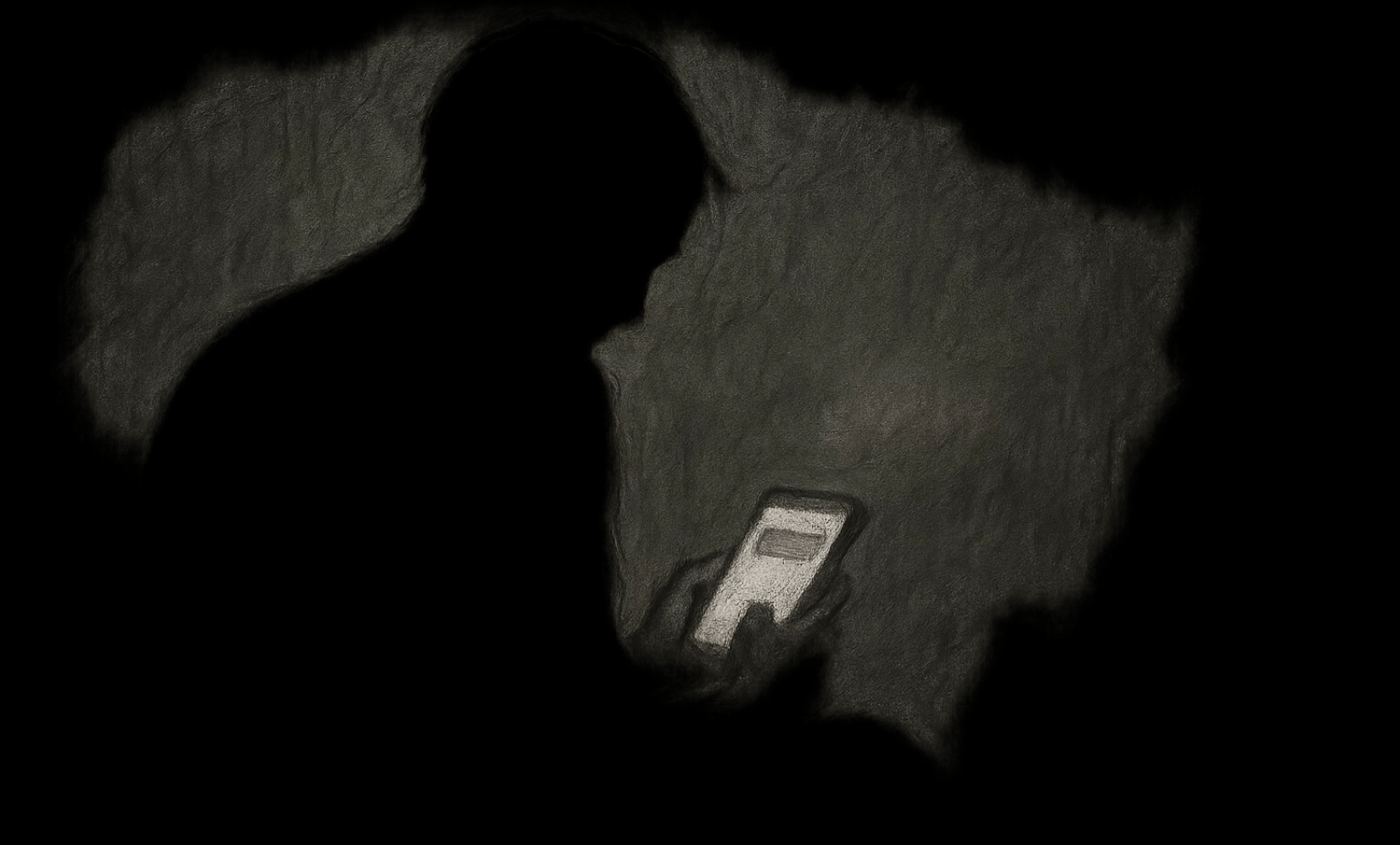
Not Paul Heaton. He recently spent a weekend persuading ChatGPT to confess to a crime it didn’t commit.
“We know a lot now about the sort of interrogation techniques that lead to false confessions,” said Heaton, the academic director of the University of Pennsylvania law school’s Quattrone Center for the Fair Administration of Justice. “So I just started playing around, and decided to cycle through those techniques to see if I could get ChatGPT to confess to something it couldn’t possibly have done.”