(Image credit: Pea via unsplash)
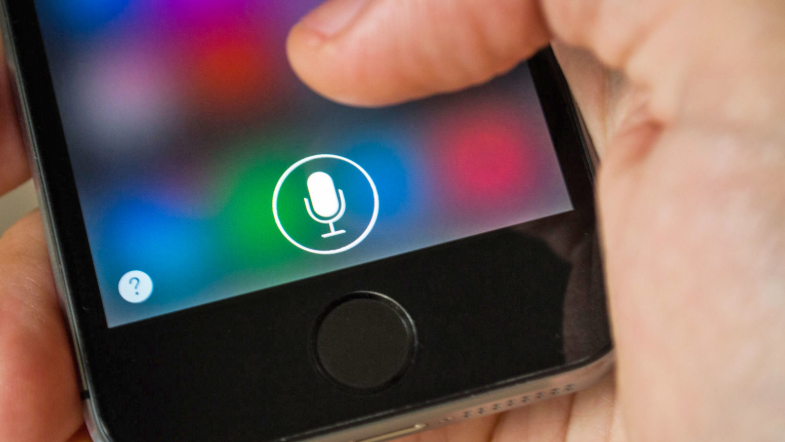
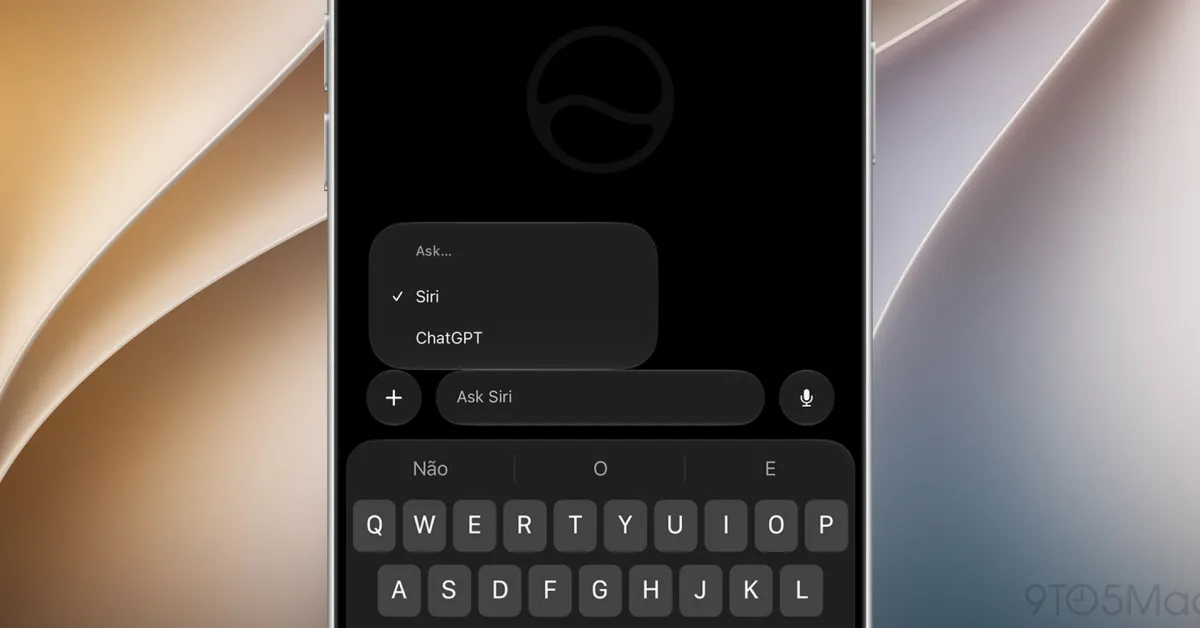
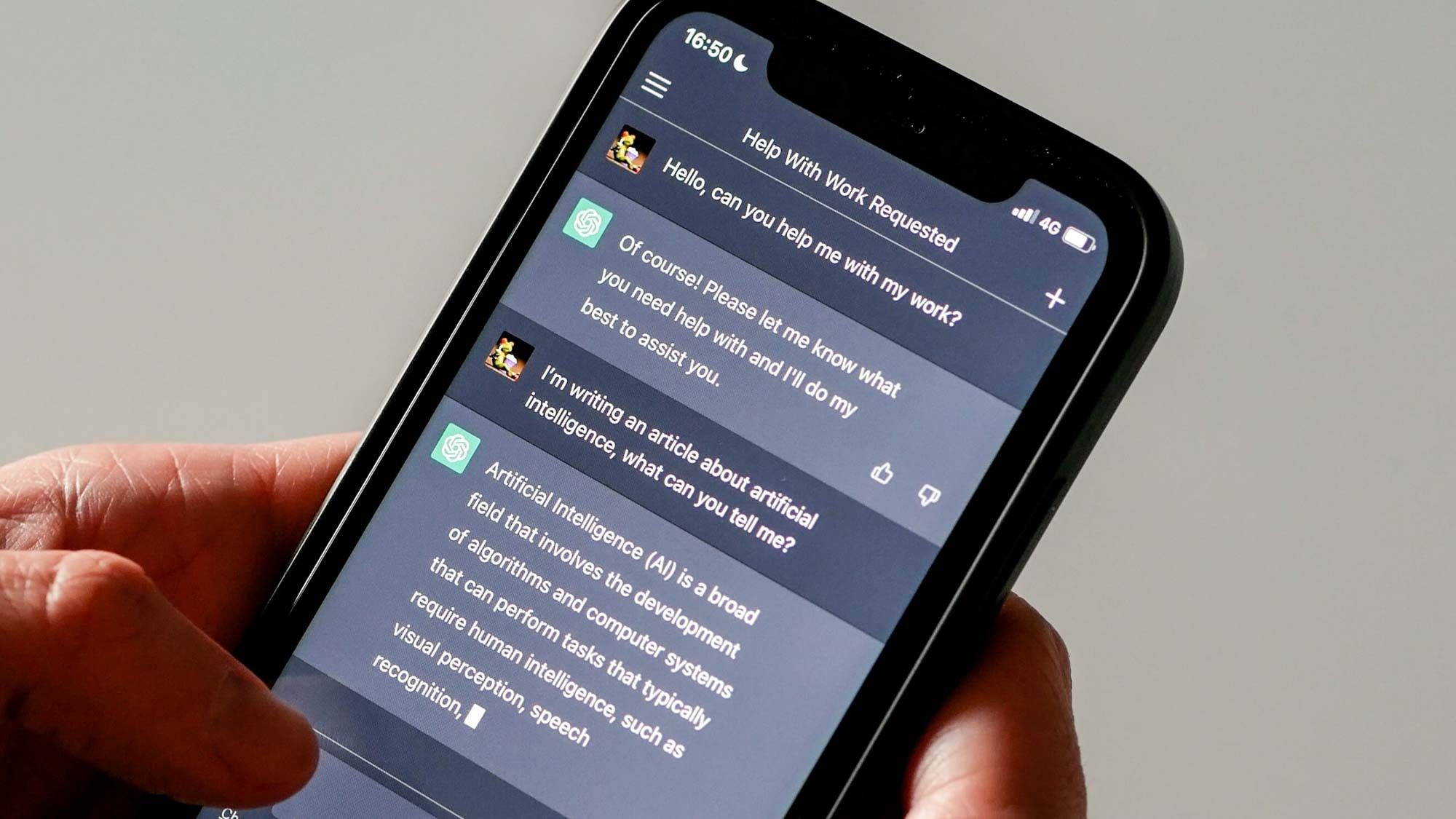
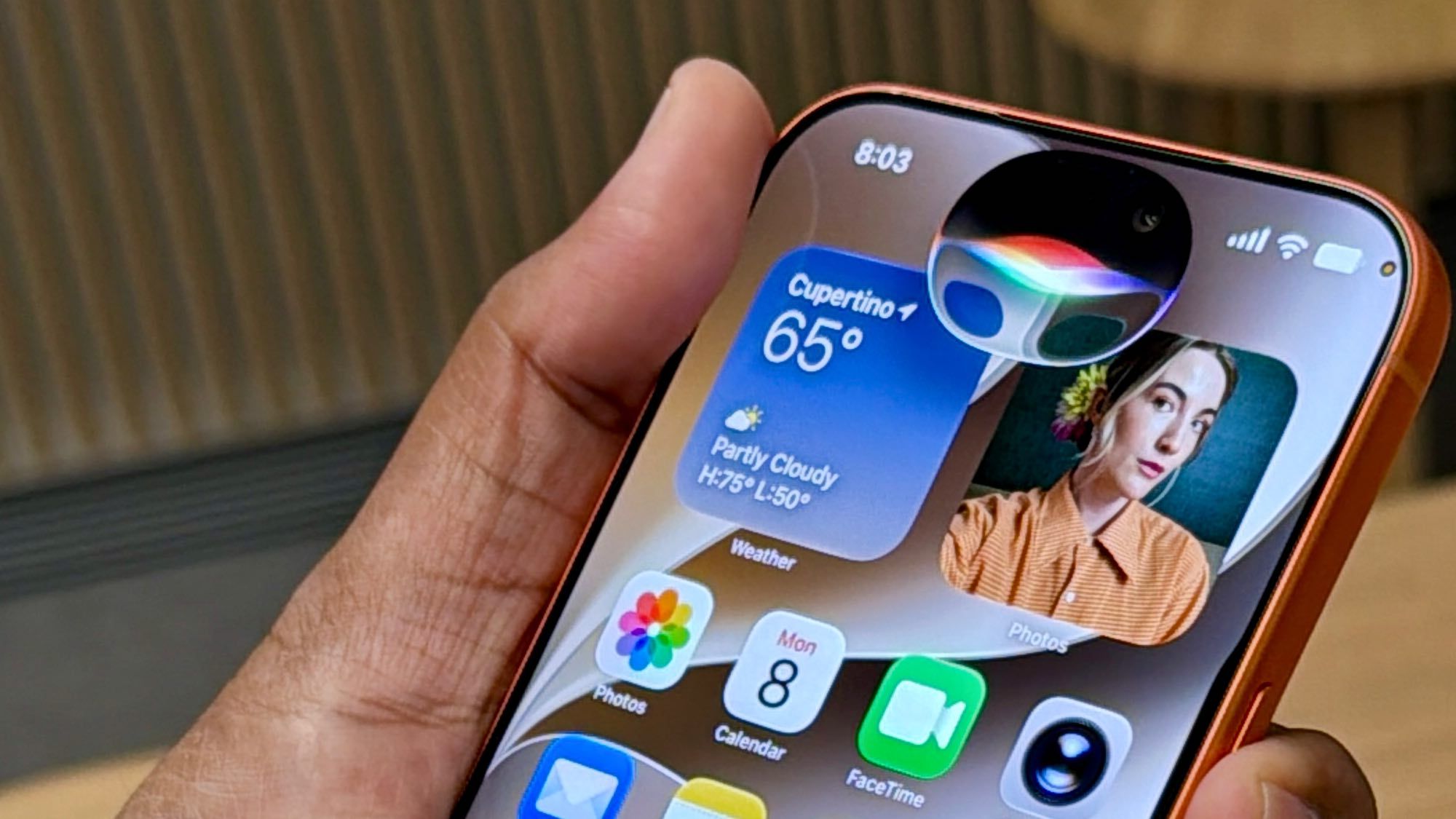
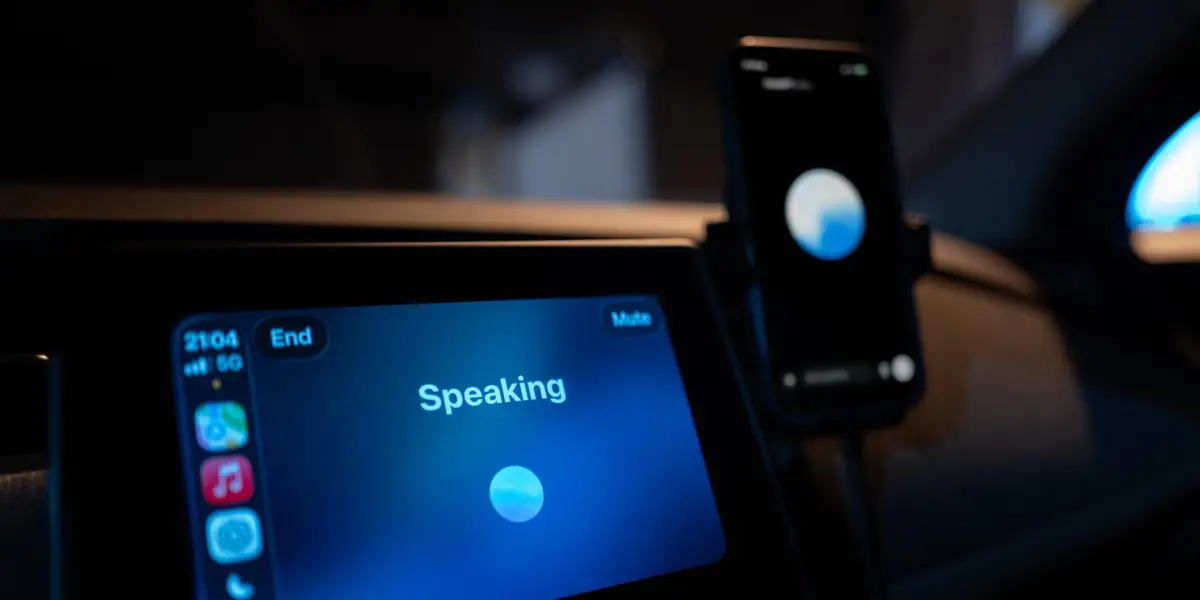
I called Siri "she" the other day. I caught myself, because I've unconsciously done the same thing with Alexa+. And oddly enough, once during a conversation, ChatGPT responded to a query with "If I was having this conversation with my wife..." It gave me pause because I'd never heard AI take on a gender role like that. While it's unlikely that ChatGPT would actually have a wife, some users are leaning into AI to help them find one.But in the same way you may refer to a ship or a storm by a pronoun, some think of AI as either male or female. When I stopped to consider why, I fell into a rabbit hole that changed how I think about our entire relationship with the technology.AI and pronounsWhen the major voice assistants launched, most arrived with a woman's voice. Not by accident. A UNESCO report published in 2019, pointedly titled "I'd Blush If I Could" — after the line Siri once delivered in response to verbal abuse — laid out how that choice was baked into the products we invited into our homes. The researchers didn't mince words about the signal: suggesting that women are obliging, available at the touch of a button, tolerant of poor treatment. And while Apple eventually stopped making its assistant female by default, the cultural residue remains.But here's what stopped me cold after I dug a little deeper. In a 2021 set of experiments published in Psychology & Marketing — five studies, more than 3,000 participants — researchers found that female-coded AI bots were rated as more human. The logic is frankly unsettling: warmth and the capacity to feel are exactly the qualities we treat as proof of personhood, and exactly the qualities machines are assumed to lack. Code a machine as female, and we lend it a little more of our own humanity.That reframed my original question entirely. The issue was never "Is AI male or female?" But rather, why are we so determined to make AI feel human at all?An instinct older than language