Story audio is generated using AI
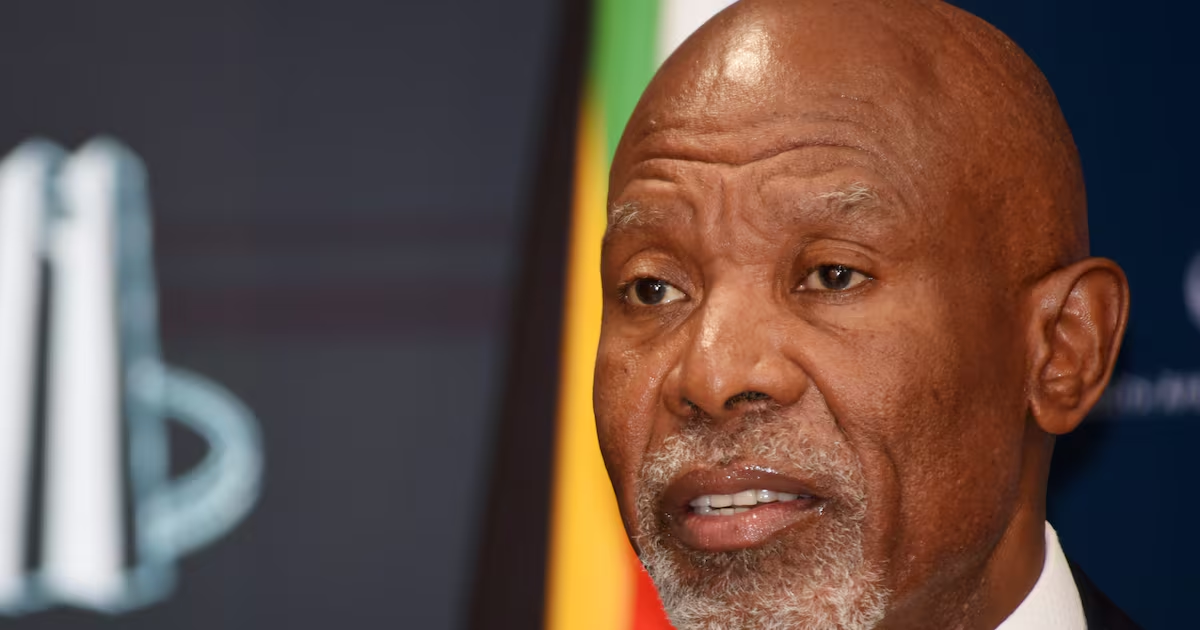
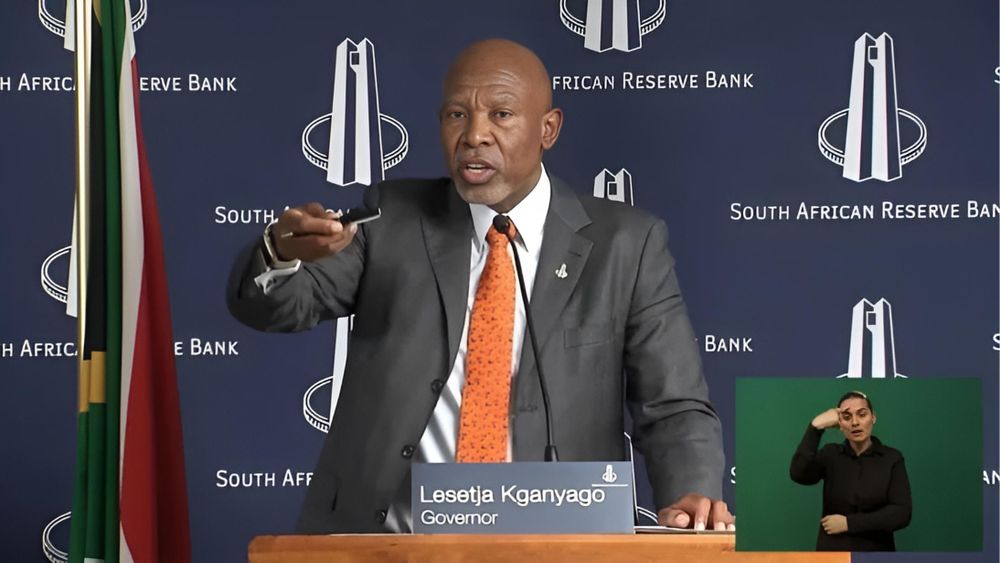
Few South African institutions have earned the admiration of the global community like the South African Reserve Bank has. Its adept stewardship of monetary policy has drawn plaudits from business, industry and economists, both at home and offshore. But not so much from the country’s economically bankrupt politicians, who have sought to nationalise the Bank, arguing that this will miraculously create jobs and help to shed South Africa’s unwanted tag of being the world’s most unequal society. And at 105, Africa’s oldest central bank — like the old sage it is — continues to evolve and adapt to the challenges of the day, supported by the almost prophetic move by the fathers of South Africa’s democratic dispensation who deemed it fit to enshrine the independence of the institution in the constitution. It was given a clear mandate to achieve and maintain price stability in the interest of balanced and sustainable economic growth — and the Bank has done so with aplomb. As the governor of the Bank, Lesetja Kganyago, likes to put it, the work of the central banks is to navigate difficult conditions so that the “good news endures and the bad news proves temporary”.And there has been no shortage of bad news. In this century alone, the Bank had to navigate the 2008 global financial crisis, the 2020 Covid pandemic and intractably sluggish domestic growth.And this it did deftly. The Bank’s institutional memory and credibility have put it in good stead to push forward reforms that will help it respond to modern and novel challenges.It led the charge in lowering South Africa’s inflation to 3% with a tolerance band of one percentage point on either side of the target — the first time in 25 years South African policymakers had fiddled with the inflation target.Kganyago, in the Bank’s annual report for financial 2026, discussed the thinking behind the consequential decision.“Our constitutional mandate is to protect the value of the currency. Since 2000, we have pursued this objective through an inflation-targeting framework, with a target band of 3%–6%. We have built significant credibility under this framework, not least by steering inflation towards the 4.5% midpoint,” Kganyago said.It has taken nearly a quarter century to fix that mistake, but we have finally done so— Lesetja Kganyago“However, the target was always somewhat high and the band too wide — a legacy of the fateful decision, dating back to 2002, to postpone plans to narrow it. It has taken nearly a quarter century to fix that mistake, but we have finally done so. “The new target ... is well aligned to peer-country inflation rates. We pushed hard for this reform in 2025 because we knew that the 3%–6% band was suboptimal and saw an opportunity to disinflate while inflation was already low. Encouragingly, the benefits were evident quickly.”Kganyago is referring to the entire yield curve, which shifted downwards as markets priced in sustainably lower inflation and, with it, structurally lower interest rates. Inflation expectations also declined, with longer-term expectations reaching all-time lows early this year.Another reform the Bank is supporting is the amendment of exchange control regulations. While it has long regulated capital outflows under powers delegated by the finance ministry, the rules did not cover crypto assets. The Bank has taken the position that there is no reason, however, that these assets should be exempt from controls any more than certain industries should be exempt from taxes. “A level playing field requires shared rules, which is why crypto assets are now being brought into the framework. At the same time, those shared rules need to be appropriate to the times. South Africa’s exchange control approach dates back to the 1930s,” Kganyago said.“The measures announced by the National Treasury in this year’s budget represent a decisive step towards modernising the framework and reducing burdens on individuals and firms while protecting legitimate objectives like preserving macroeconomic stability and preventing illicit activity.”Another key reform high on the Bank’s agenda is to amend the national payments system to include fintech players. Prof Raymond Parsons, an erstwhile board member of the Bank, said the institution had built an outstanding track record and gained great credibility since its establishment in 1921. “Its first governor was appointed by the famous UK economist John Maynard Keynes, who, as a friend of then prime minister Jan Smuts, chaired the selection committee in London. The Bank has regularly exhibited high professionalism not only in successfully implementing monetary policy, but over time also in responding to changing economic circumstances,” Parsons said.“It persuaded South Africa to accept the introduction of inflation targeting in 2000, following a global trend. In recent years it has had to respond to the recession of 2008, to Covid, as well as to other economic shocks.“While its decisions are often understandably criticised, it has got many more policy decisions right and very few wrong over many challenging decades. In its long history, one of its most significant miscalculations was probably in 1931, when it advised the then government to remain on the gold standard, when most key economies had already abandoned it.”