Story audio is generated using AI
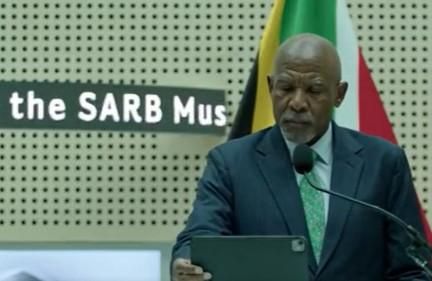
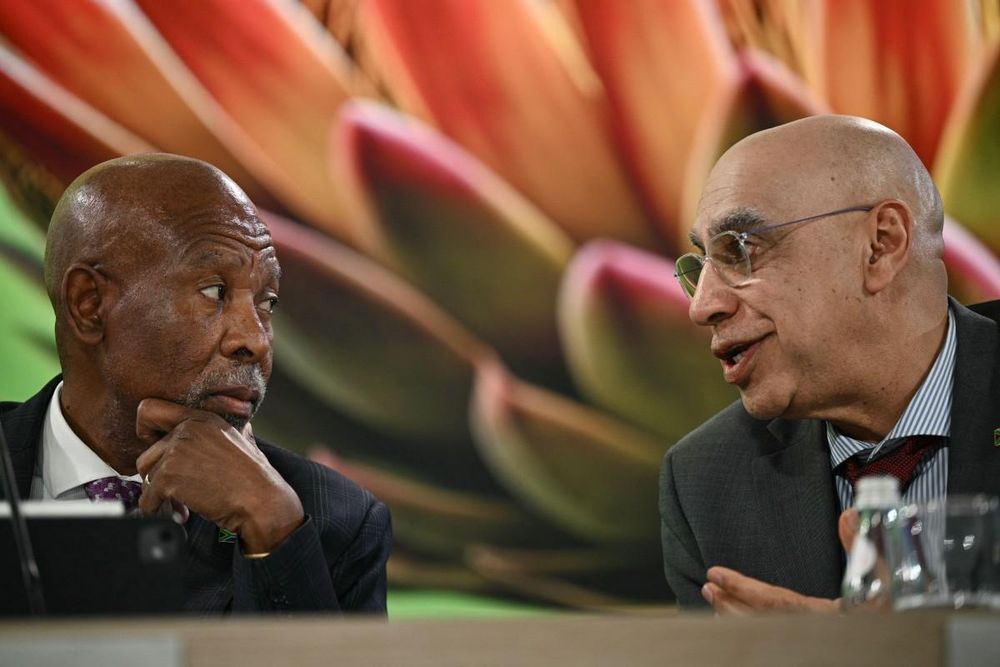
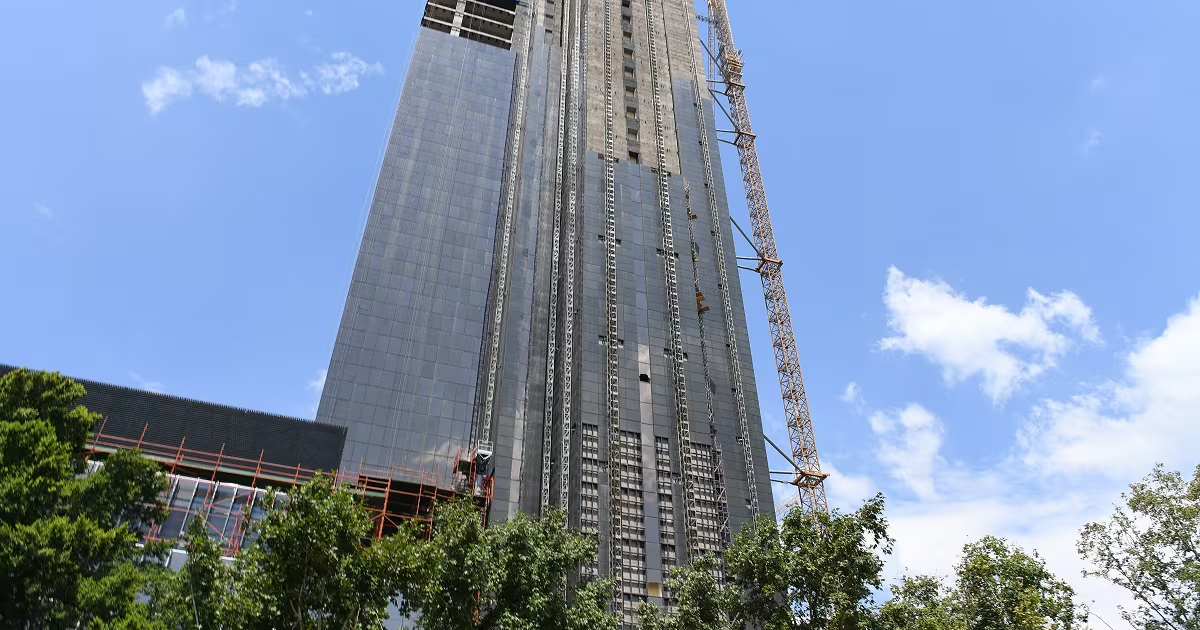
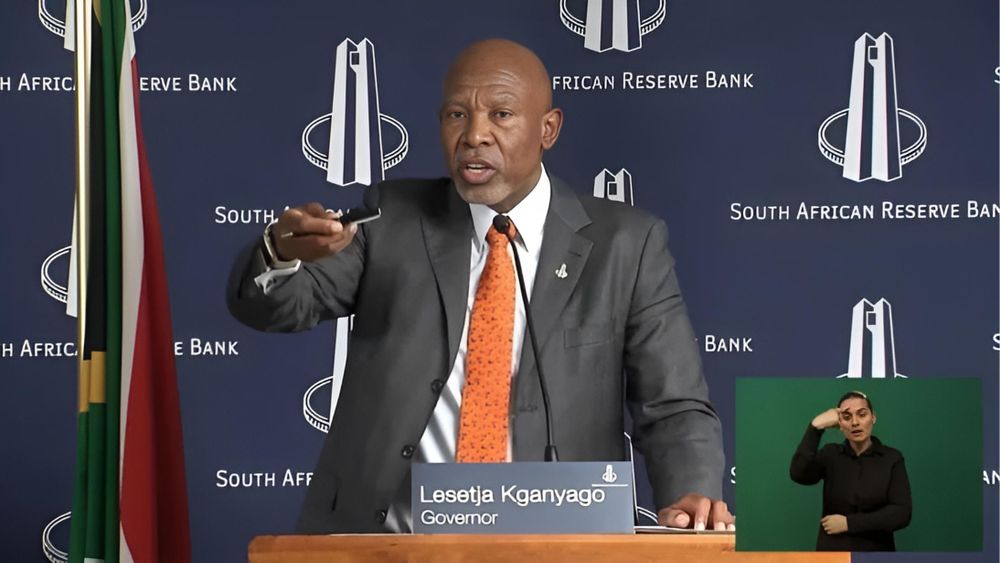
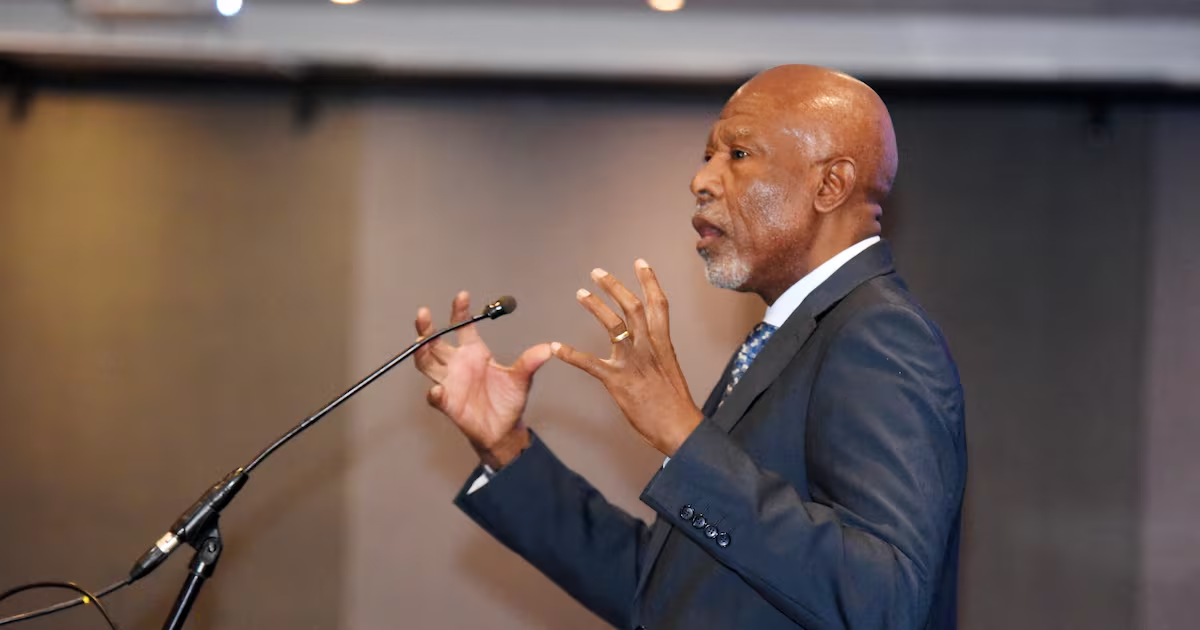
The South African Reserve Bank plans to use its just-launched museum to strengthen accountability and bring the institution closer to the public so that even when it makes difficult or unpopular decisions they are debated in the context of its constitutional mandate, governor Lesetja Kganyago says.At the launch on Friday, President Cyril Ramaphosa said the museum would deepen financial and economic literacy in society through its exhibitions and dedicated schools outreach programme.The entity will help communicate the importance of low inflation and the bank’s work to enhance financial stability and improve payments, Kganyago said.Earlier this month, the governor defended the Bank’s decision at its May policy meeting to hike interest rates before the full effect of soaring fuel prices stemming from the Middle East war materialised, saying to wait for full proof might have been leaving it too late.The Bank raised its key policy rate by 25 basis points to 7% last week, citing intensified inflation risks stemming from higher oil prices linked to the Middle East war. Unions, think-tanks and some economists have criticised the move, saying it is premature and will hurt the economy.“Central banks can seem distant, even mysterious. People often do not fully understand what we do or why it matters,” Kganyago said at Friday’s launch.“That is why we decided that the Reserve Bank museum should be about more than money. It should help us explain our work, so that the people we serve can better understand our role and hold us accountable for the mandate we carry.“Strong institutions depend not only on sound governance and clear mandates, but also on public trust. That trust is strengthened when people understand how institutions work, why they exist and who they serve. This museum is one way for us to build that understanding. “The museum will be a place for young people to learn about our history while also gaining practical insights into the world of economics and central banking. Alongside our flagship monetary policy committee schools challenge, school visits to the museum will hopefully inspire the next generation of central bankers,” the governor said.Strong institutions depend not only on sound governance and clear mandates, but also on public trust. That trust is strengthened when people understand how institutions work, why they exist and who they serve. — Lesetja Kganyago, Reserve Bank governorRamaphosa noted that monetary policy, financial stability and the management of the currency “can seem distant from the daily concerns of ordinary people”.“Yet the work of this institution has a profound impact on the value of the money in our pockets and the stability of the banks that hold our savings,” he said.“This museum invites us to reflect on the role the Reserve Bank plays in building a stable, sustainable and inclusive economy. A stable currency and a sound financial system are the foundations on which our economy grows, jobs are created and families plan for the future. “When inflation is kept in check, it is the poorest who are protected most. It is they who suffer the most when prices spiral and savings erode. When our banks are sound and well regulated, the hard-earned money of working people is safe.” The president said it was important to reaffirm the constitutional role of the Reserve Bank to protect the value of the currency in the interest of balanced and sustainable economic growth. “The constitution requires the Bank to perform its functions independently and without fear, favour or prejudice, while consulting regularly with government. This independence is a safeguard for the people. It ensures that our monetary affairs are managed with discipline and credibility. “We must cherish and defend the integrity and independence of the Reserve Bank for it is a national asset built up over many years and trusted around the world.” The museum, launched ahead of the bank’s 105th anniversary at the end of this month, will house archaeological items dating back 75,000 years, a numismatic collection spanning more than 300 years and the country’s first, 134-year-old and still functional minting press. Exhibitions will trace the region’s history from barter systems and early trade through colonialism and apartheid into democracy. The museum will display the bank’s extensive corporate art collection of more than 1,200 pieces.