Story audio is generated using AI
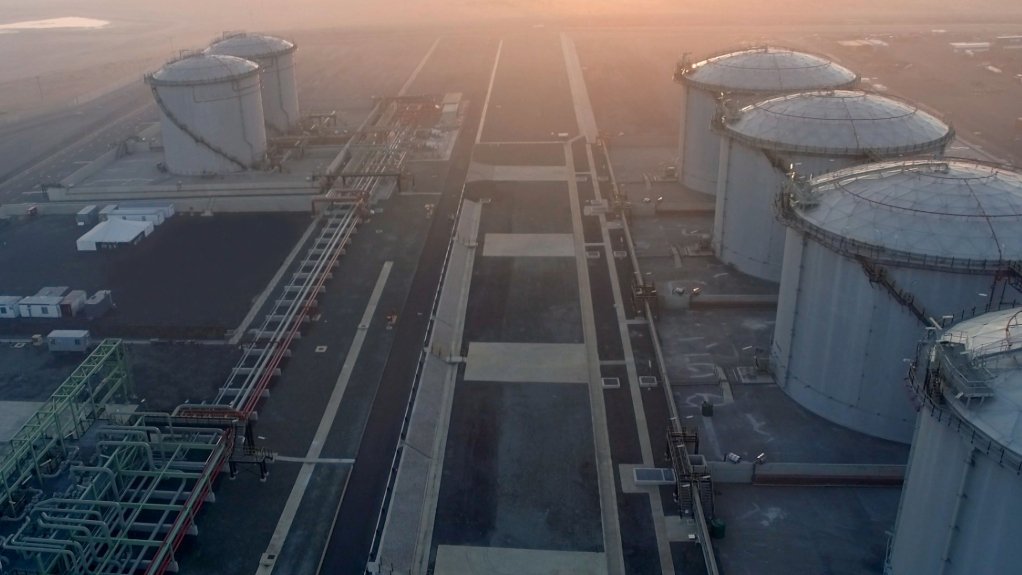
Transnet’s multi-product pipeline (MPP) project, which has faced repeated delays, has seen costs balloon by more than R17bn, with completion of the critical infrastructure now expected at the end of next year — 16 years behind schedule.This was revealed in the National Energy Regulator of South Africa’s (Nersa) biggest review of Transnet’s pipeline tariffs since 2011, in response to a changed landscape that has seen South Africa become a net importer of refined petroleum products following the closure of several local refineries.The review, the regulator argues in its consultation paper, was necessitated by South Africa’s growing reliance on imported refined fuels after refinery closures and the termination of the apartheid-era variation agreement.The review also considers the rising costs of Transnet’s MPP project, which was initially taken to market in 2007. “The project was initially projected to cost about R11.1bn, and the latest final forecast cost of the MPP project (in the 2026/27 tariff application) is R28.2bn. The initial scheduled completion date was the third quarter of 2010, and Transnet’s latest projections show that the project will be completed on November 30, 2027,” Nersa’s document reads.“The rolled-in tariff approach does not inherently contribute to increased costs in the MPP. Instead, it is designed to ensure that customers within the same geographic area pay the same tariff based on volume distance, aligning with the current retail price regulation approach used by the government.”“This approach promotes fairness, transparency and equality among users, as it averages out the costs across all customers, regardless of the specific pipeline route utilised.”According to Nersa, the MPP is the largest and most strategic asset in the pipeline network, critical for supplying up to 90% of Gauteng’s fuel requirements and a large part of inland South Africa.The 24-inch underground pipeline transports refined petroleum products such as diesel, petrol and jet fuel from the Port of Durban to Gauteng, South Africa’s economic heartland.Transnet operates about 3,116 km of high-pressure petroleum and gas pipelines, as well as an interconnected petroleum products storage facility in Tarlton near Krugersdorp. It is the dominant pipeline operator in South Africa and has a de facto monopoly on the pipeline conveyance of petroleum from Durban to inland destinations.The regulator has recommended retaining the existing rolled-in tariff system while introducing differentiated tariffs where material differences exist between pipelines, in an effort to shield consumers and industry from hefty costs. It is seeking “significantly lower” tariffs for Transnet’s petroleum pipeline system for pumping fuel inland, citing its socio-economic impact on low-income households and the risk of jeopardising more than 18,000 jobs.Nersa drew a line in the sand over the proposed Transnet tariff increase, saying it would not only lead to higher petroleum and petroleum product prices but also make South African products more expensive compared to peers, with a detrimental impact on jobs, economic growth and income distribution.Nersa honed in on the incremental tariff increases proposed for Transnet’s petroleum pipeline from Durban to Alrode for the 2025/26 and 2026/27 financial years. This pipeline network is a vital component of South Africa’s energy infrastructure, supplying about 65% of the petroleum products required by the inland economy.Alrode had proposed a 68.29% tariff increase for the 2025/26 financial year and 62.48% for 2026/27. This would have resulted in an estimated increase in the average retail petroleum price of 2.31% in 2025/26 and 2.23% in 2026/27.“With a poverty rate estimated at 68%, affecting 44 million to 45 million people, and extreme income inequality, the regressive nature of the tariff increase is a critical flaw,” Nersa said.It said low-income households spend a big portion of their budgets on essentials and transport, and would see their real incomes and purchasing power severely eroded. “It should be noted that the national minimum wage is already a ‘poverty wage’, and further tariff-driven price increases will simply drive the country further into poverty.”Nersa also said that while pipeline tariffs contribute only a small portion of liquid fuel prices, the proposed increases would push up inflation, with the low-income household more vulnerable compared to high-income households. This would result in a greater negative impact on the purchasing power of low-income households because they spend a larger share of their incomes on basic food items than on other goods. It said most basic food products were produced by the agriculture sector, which relies heavily on petroleum, while low-income households depend on public transport such as buses and taxis that use petroleum.Nersa also highlighted the broader economic impact of Transnet’s application.“The impact on economic growth and investment is severe. GDP is projected to contract by R6.6bn in 2025/26 and R6.39bn in 2026/27. Capital formation is expected to plummet by R15.46bn and R14.8bn over the two years, as heightened upstream costs for fuel-intensive industries such as manufacturing, mining and transportation erode profitability and deter investment.”