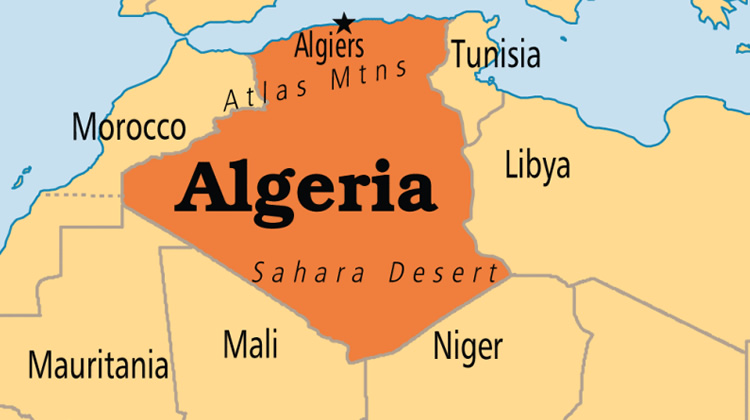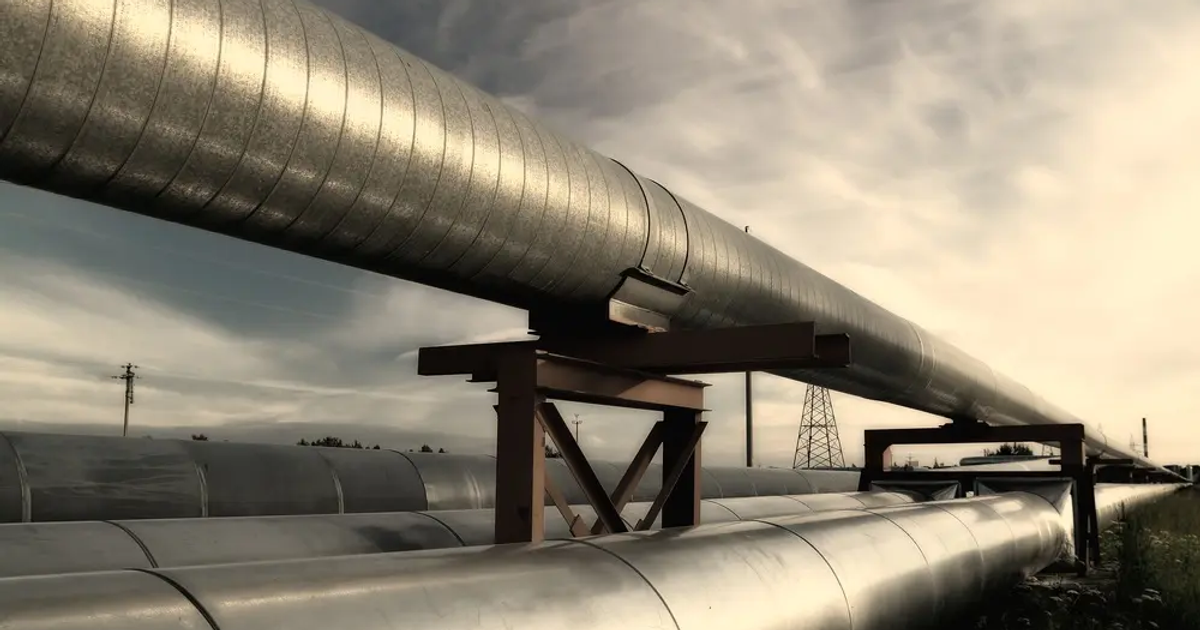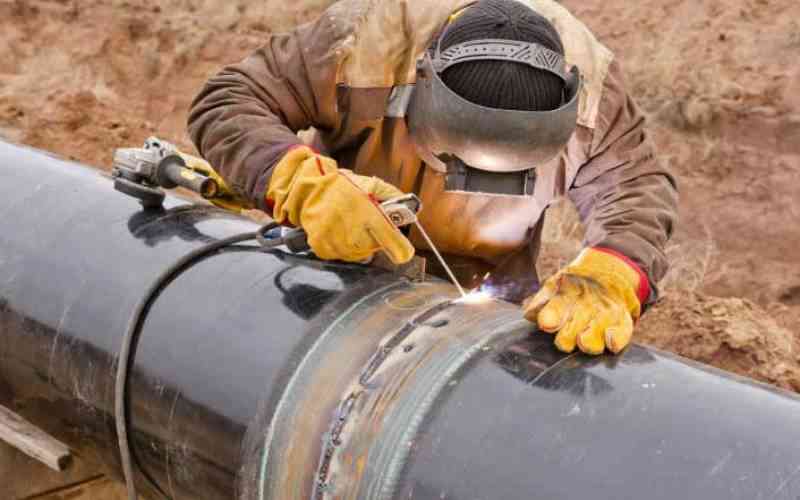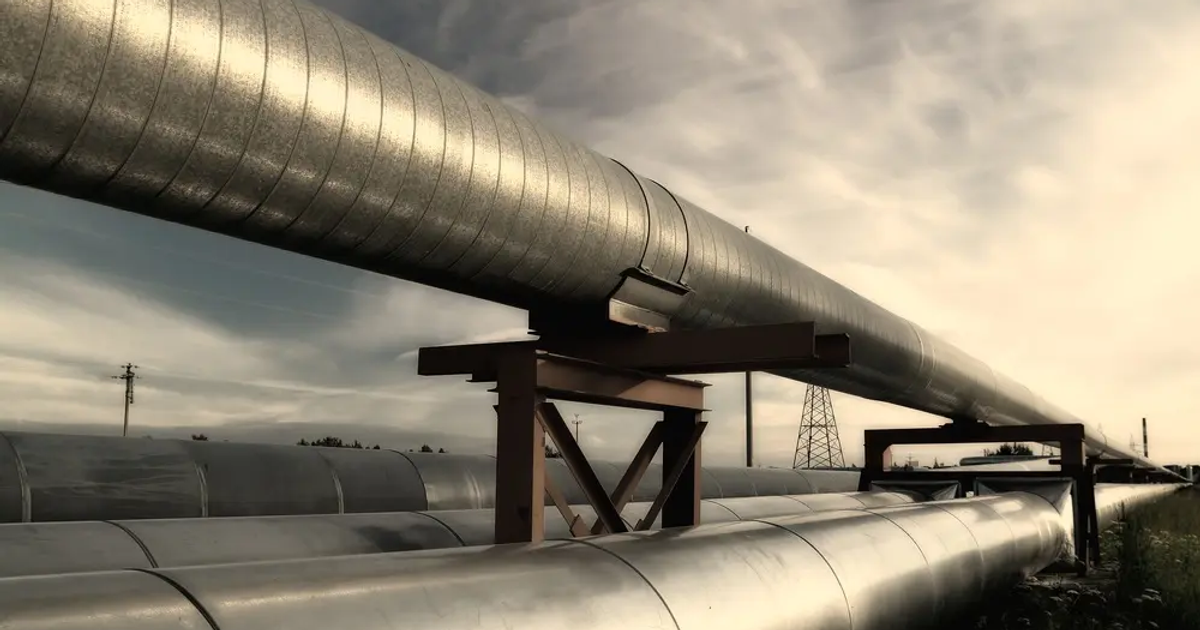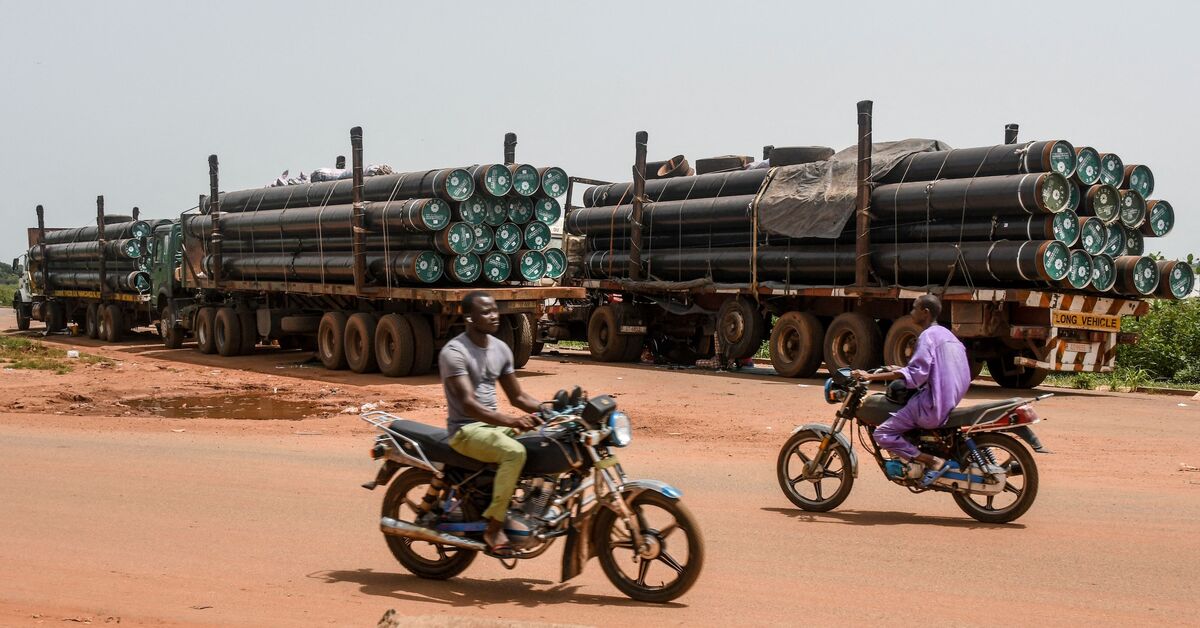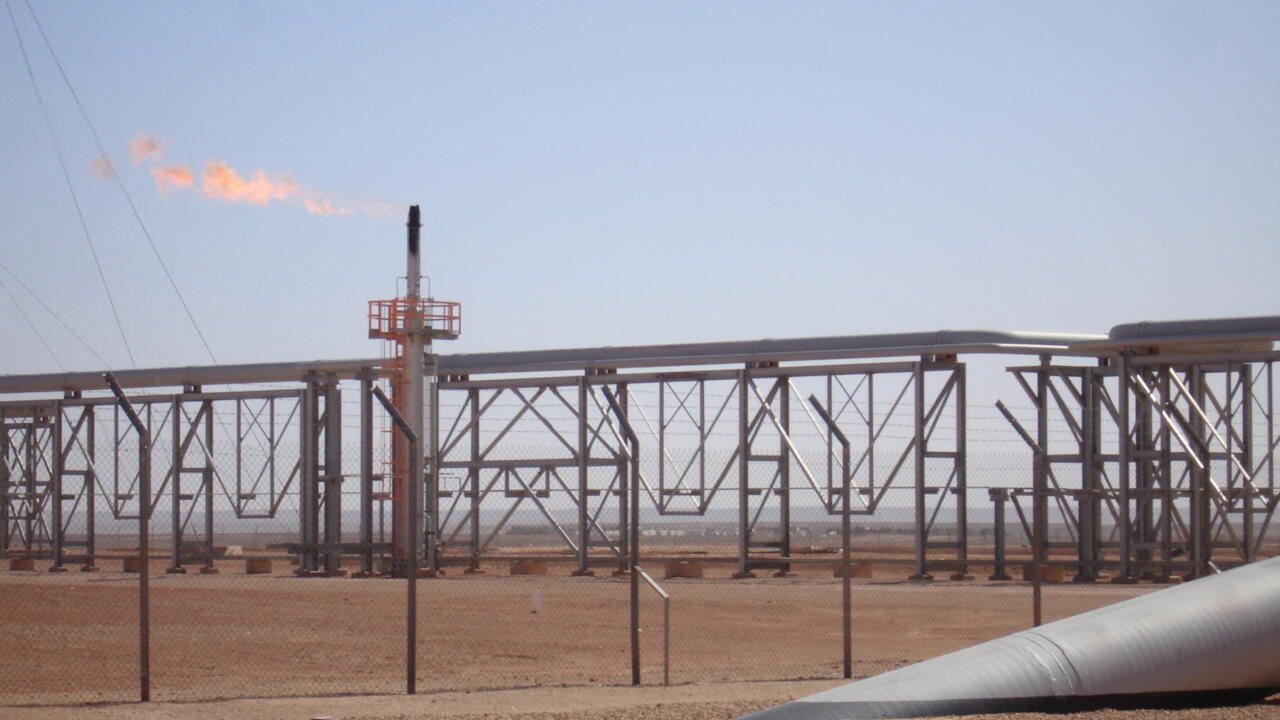
After several false starts, work on the Trans-Saharan Gas Pipeline (TSGP) officially restarted in early June amid the recent thawing of relations between Niger and Algeria. The megaproject linking Nigeria with the two countries began with an initial construction phase in early April in Algeria's Adrar region. Over 4,000 kilometres long, the pipeline will enable the transport of Nigerian gas through Niger and Algeria, where it can then be exported to European markets, namely through Italy and Spain by way of the Mediterranean Sea. “This project is not at all new, but it’s ramping up,” said Brahim Oumansour, associate researcher at the Institute for International and Strategic Relations (IRIS). "Algeria and Niger have chosen to put their differences aside for a common goal, in a geopolitical context that is favourable to them." Long road to construction The project of a pipeline between Algeria and Europe has existed since the 1980s. Since then, the project has experienced a long and winding road, with long pauses as it was relegated to the drawers of ministries and research departments. Nigeria, Niger, and Algeria first signed a deal in 2009 to “define the project” – with the first delivery of gas scheduled for 2015. After several years of delays, the project was revived in 2022 with the signing of a memorandum of understanding in Algiers. “The feasibility studies for this gigantic project and the issue of financing took a long time,” said Algerian political scientist Hasni Abidi. “The three partner companies [Algeria’s Sonatrach, Nigeria’s NNPC and Niger’s Sonidep] had to find a financial arrangement. Niamey didn’t have the financial resources necessary for the construction.” The project was also delayed because of diplomatic tensions such as those caused by Niger’s 2003 coup d’état which created a rift in relations between Niamey and its partners. In mid-February of this year, Algerian President Abdelmadjid Tebboune welcomed the head of Niger’s junta, Abdourahamane Tiani, on an official visit in Algiers during which both sides hailed their “brotherhood”. The diplomatic engagement allowed for the revival of the ambitious project, which gained traction amid the energy supply shock created by the Middle East war and the destruction of energy infrastructure in the Gulf countries. Corridor between two African gas giants The TSGP's ambition is to connect two natural gas powerhouses. Algeria is the leading producer in Africa, and Nigeria, which has the continent's largest untapped reserves (6 billion cubic meters, equivalent to a quarter of Qatar's reserves), is the third-largest. When combined, the two countries account for over half of Africa's natural gas production and reserves. "This is a very ambitious project, and one that will reshape the landscape of regional energy business," said Abidi. Dubbed the "project of the century" in Africa, the 4,128-kilometre-long pipeline begins in Nigeria’s Warri City and ends in Algeria’s Hassi R’Mel in the northern Sahara. On a map, the pipeline appears as a nearly vertical line, with 1,000 kilometres running north through Nigeria, 840 kilometres through Niger and 2,300 kilometers through Algeria. Some 1,800 kilometres still need to be built: 100 in Nigeria, 700 in Niger and 1,000 in Algeria. Construction on the Algerian portion was officially launched on June 4 during a ceremony in the country's southern Aoulef region attended by the three participating countries' energy ministers. Nigeria is scheduled to begin construction on its portion in early 2027, according to its minister of petroleum.
Trans-Saharan Gas Pipeline: an African dream that could reshape world energy markets
After two decades of delays, the colossal trans-Saharan gas megaproject to export Nigerian gas to Europe via Niger and Algeria is back in the spotlight with this month's announcement that construction…
TL;DRAI
Nigeria and Algeria resumed the Trans-Saharan Pipeline to export 30 billion m³ gas/year to Europe by 2029, a $20B project reopened after 15-year pause due to diplomatic tensions. The infrastructure pivot diversifies EU energy from Middle East volatility, granting Africa strategic leverage in global supply chains.
1,146 words~5 min read