Sometimes history does not announce its verdict with the thunder of war or the spectacle of revolution. Sometimes it arrives quietly, disguised as an ordinary event, and only later do we realize we were looking at a mirror all along.
Read Also: Argentina survive Cape Verde scare to reach World Cup last 16
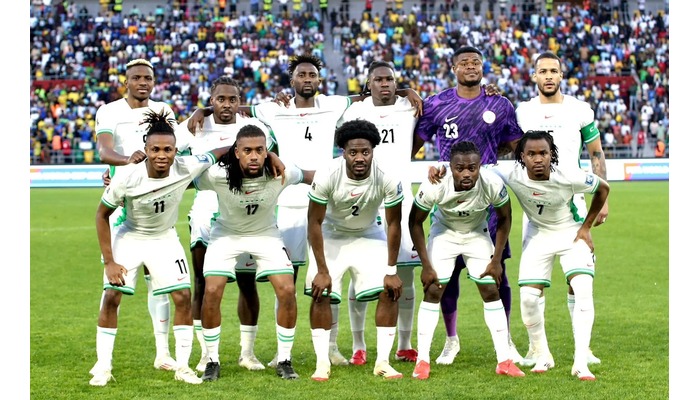
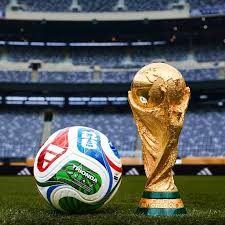
Every nation, sooner or later, is compelled to stand before a mirror it did not build, only to discover a face it no longer recognizes. For Nigeria, that mirror is the 2026 FIFA World Cup.
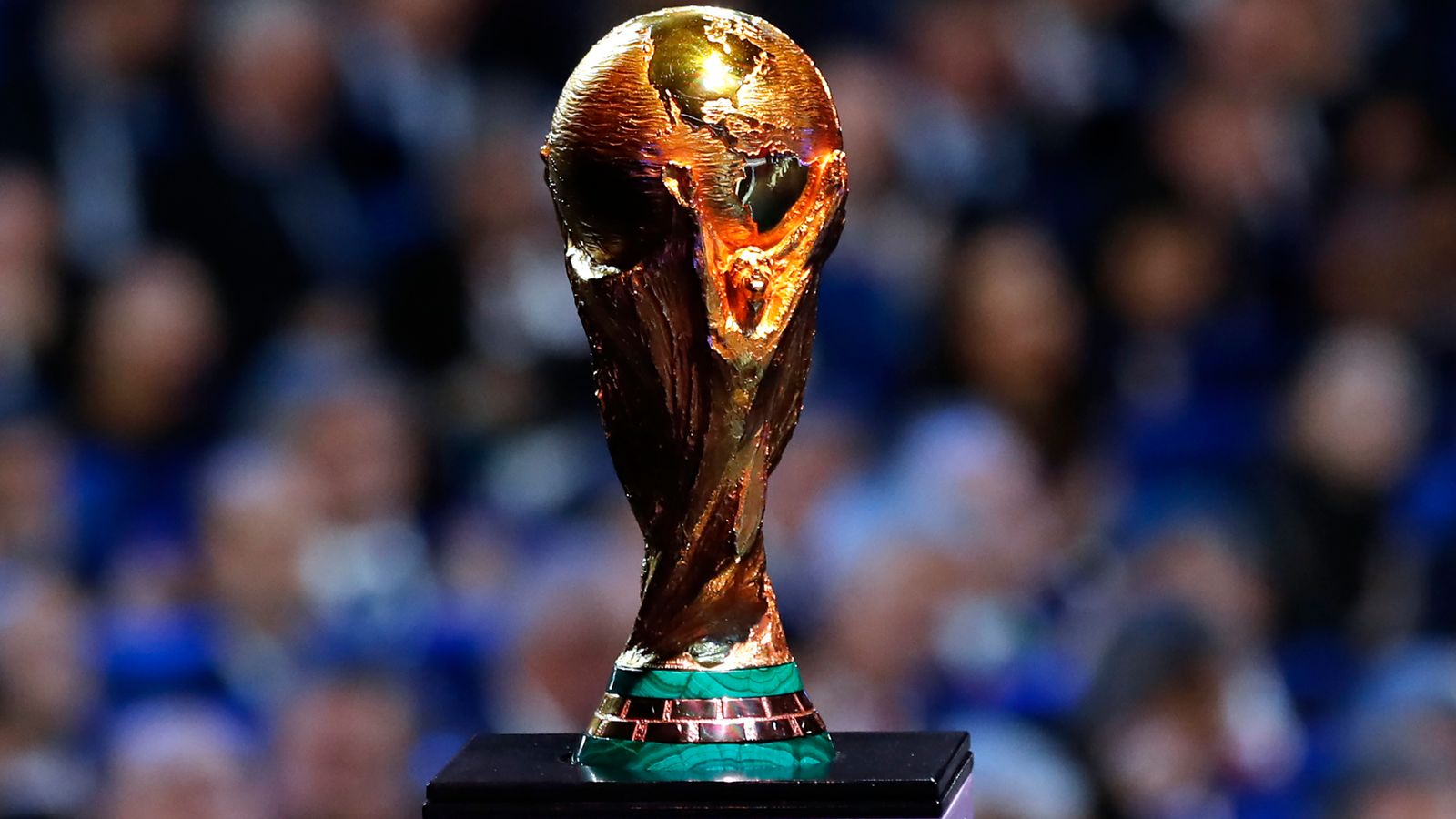
The tournament unfolding across North America is unlike any before it. Expanded from thirty-two nations to forty-eight, it represents football’s boldest attempt to widen the gates of its greatest spectacle. The table has been made longer. The doors have been thrown wider open. For Africa, the expansion was meant to be a historic jubilee, doubling the continent’s representation from five places to ten and extending an invitation to countries that had spent generations standing at the threshold of football’s greatest banquet.
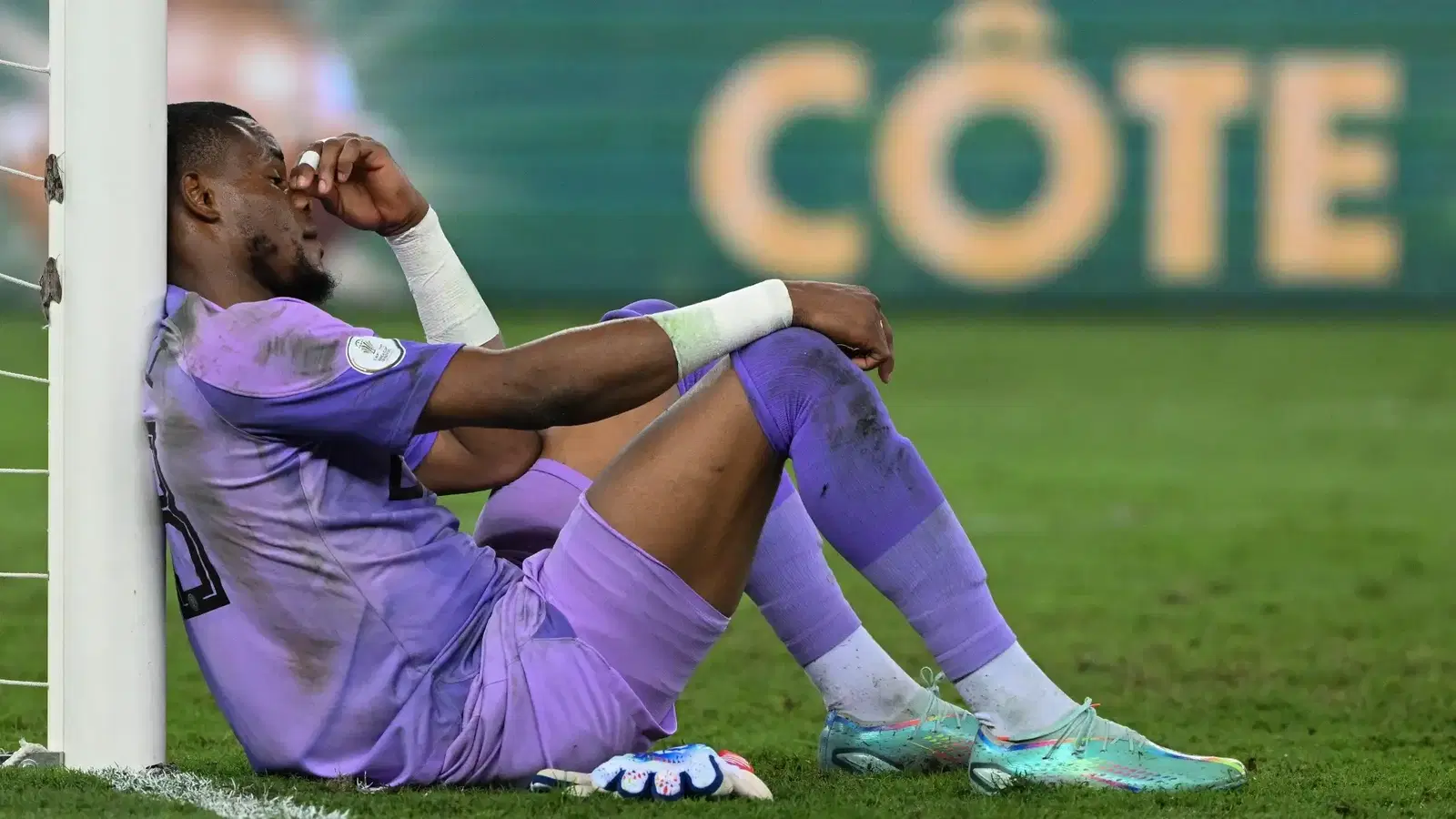
Yet, as the anthems echo across New Jersey, Mexico City, and Vancouver, one silence is impossible to ignore. The most populous Black nation on earth, one of Africa’s traditional football powers and one of the continent’s highest-ranked teams, is absent.