India needs to move beyond assembly-led manufacturing. If products are conceived elsewhere and merely assembled here, most of the value accrues overseas
| Photo Credit:
B4LLS
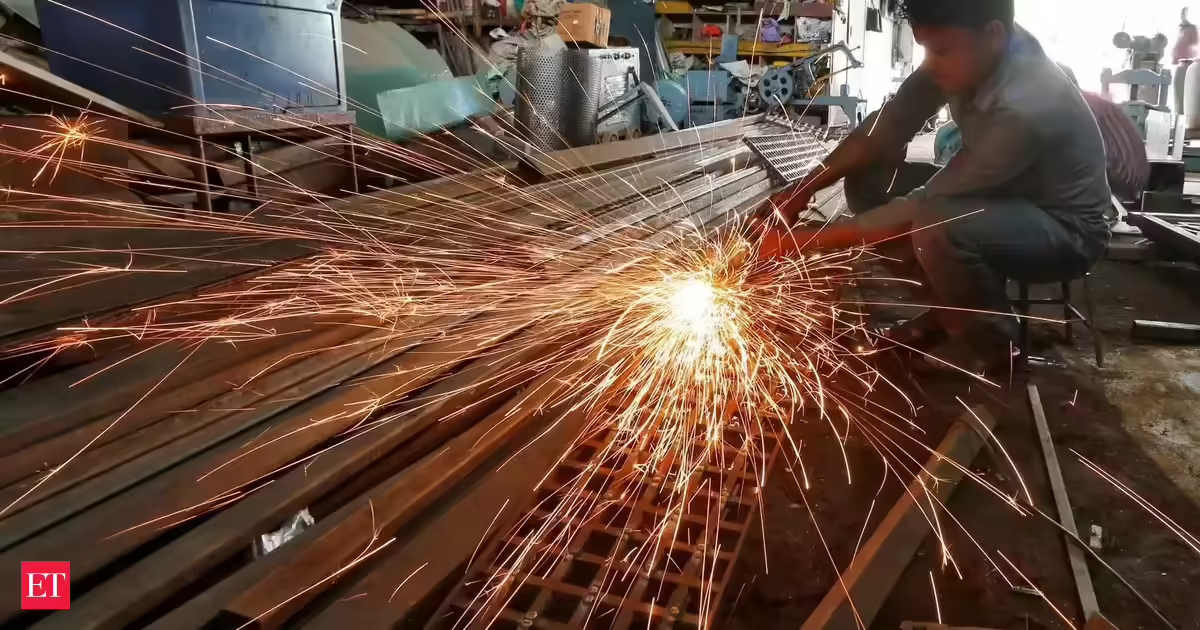
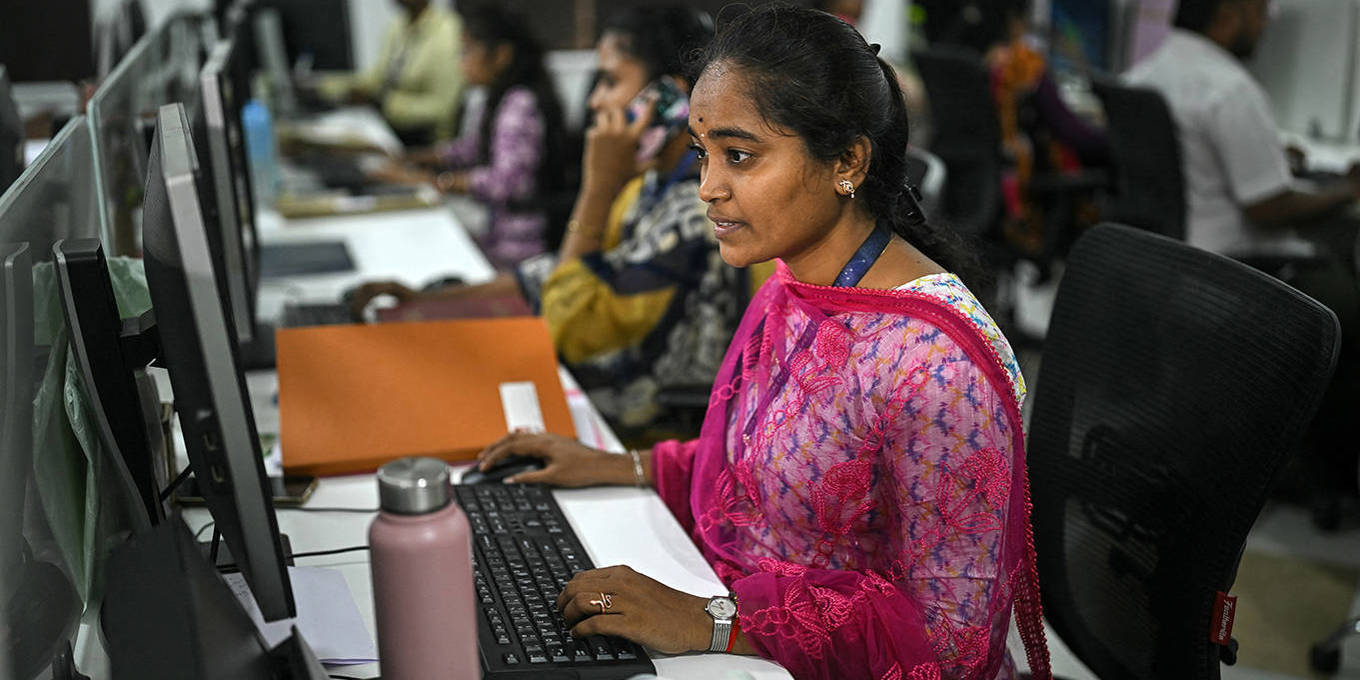
The recently released series ‘Made in India: A Titan Story’ has lessons on how to rewire during rewired times (especially with fast changing geopolitics). It’s the immensely stirring story of how Xerxes Desai, backed by JRD Tata, built Titan, battling scepticism, bureaucracy and global resistance. Titan is a glowing example of Made in India story.To get into the big league of progressive nations, we cannot do that merely by banking on low cost arbitrage, or by being the back office of the world. We must move beyond the East India Company-era mindset that reduced us to traders and intermediaries.Make for the worldWe need to design our products, develop intellectual property in India, manufacture locally, and sell to the world. How will this be done? The first step is public investment in research and innovation. Every product powerhouse country has relied on the state as an early risk-taker. In the US, the Defense Advanced Research Projects Agency (DARPA) funded breakthrough technologies that eventually found commercial applications, from the internet to GPS and advanced semiconductors. Economist Mariana Mazzucato has argued that many of the technologies powering the iPhone originated in publicly funded research. Governments did not merely regulate innovation; they created it.India has been moving in that direction. The Production Linked Incentive (PLI) scheme encouraged domestic manufacturing. The Research, Development and Innovation (RDI) scheme supports deep-tech sectors such as semiconductors, space, robotics, biotechnology and quantum computing. The Anusandhan National Research Foundation (ANRF) strengthens research across universities that have long suffered from underinvestment. These are important beginnings, but they need sustained funding, continuity, faster execution and private partnership if India is to build globally competitive technologies.Second, government must become the first and anchor customer for our products. Across the world, public procurement has played a decisive role in creating successful products. India should use government procurement to back indigenous technologies wherever quality standards are met.Third, India needs to move beyond assembly-led manufacturing. If products are conceived elsewhere and merely assembled here, most of the value accrues overseas. Real wealth is created through research, design, patents, advanced engineering, branding and global distribution. Manufacturing must therefore be accompanied by product development and intellectual property creation.The global playbookJapan, Korea, the US, and the UK successfully directed public funds to the private sector to create successful private companies. They achieved this through funding, low-cost loans, and government business. Missing any one of these hinders success.China made exports the engine of its industrialisation way back. It set up Special Economic Zones to manufacture for global markets. It created capabilities and brands that are now global market leaders. Huawei and Xiaomi are some notable globally recognised telecom examples from China. South Korea too took a very strong view to invest into R&D and create their own global brands. Companies such as LG and Samsung are household names worldwide.Japanese consumers display extraordinary loyalty to domestic products. This cultural confidence has helped it create globally admired brands across automobiles, electronics and consumer goods. Global powerhouse for high-tech manufacturing, Vietnam offers various incentives to companies to enhance competitiveness, including reduced funding costs.Lessons from our championsBharat Innovates 2026 at Nice, France, shows India wants a slice of the global pie. We need brands that global markets can trust and adopt into their daily lives. Not that the India story does not have some jewels to be proud of. Indian innovation was visible at the peak of Covid-19. Nocca Robotics, an IIT Kanpur-incubated startup founded by Nikhil Kurele and Harshit Rathore, shifted from building solar-panel cleaning robots to designing a world-class ventilator during the pandemic, all in 90 days. Their journey, chronicled in The Ventilator Project, demonstrates the engineering talent that India possesses when challenged.During the pandemic, through the Vaccine Maitri initiative, we supplied vaccines to over 90 countries, enhancing our soft power and global credibility. The world looked to the Serum Institute of India as a critical supplier of vaccines. Dr. Reddy’s became the first Asian pharmaceutical company outside Japan to list on the New York Stock Exchange. Sun Pharma operates in more than 100 countries. Biocon has emerged as a global leader in affordable biologics and biosimilars. Recently, Wockhardt introduced the first in class antibiotic, Zaynich.Our auto sector has made deep forays too. Bajaj Auto’s global success was built over decades of market development. Beginning with exports to a handful of neighbouring countries in the 1960s, Bajaj found global success through products such as the Pulsar and through its dominance of three-wheeler markets across Africa. Reliability and product quality built trust. Another desi global auto story is that of Mahindra & Mahindra, which has business presence in over 100 countries.Tata owns globally recognised brands such as Jaguar Land Rover and Tetley. Tata Consultancy Services operates in dozens of countries. Infosys demonstrated that Indian intellectual capital could compete globally on quality rather than cost. Wipro and HCL moved into higher-value engineering, consulting and product-development services. In the chemicals sector, Aarti Industries Ltd (AIL) has successfully leveraged sophisticated process chemistry and R&D to transition from a domestic supplier into a critical global partner. Asian Paints ranks among the world’s leading decorative paint companies. Godrej has built a significant presence across Africa and Southeast Asia. And, our hospitality brands such as the Oberoi group and IHCL outshine globally.We have the talent and entrepreneurial energy to fix the gaps to become a product nation of the world. We should now ‘Invent in India, Design in India, Build in India and Brand India to the world.’ We need to aspire and build and nurture brands that the world chooses not because they are Indian, but because they are among the best in the world.The writer is Co-founder of HCL and Chairman MGB (Mission Governing Board), National Quantum MissionPublished on July 4, 2026