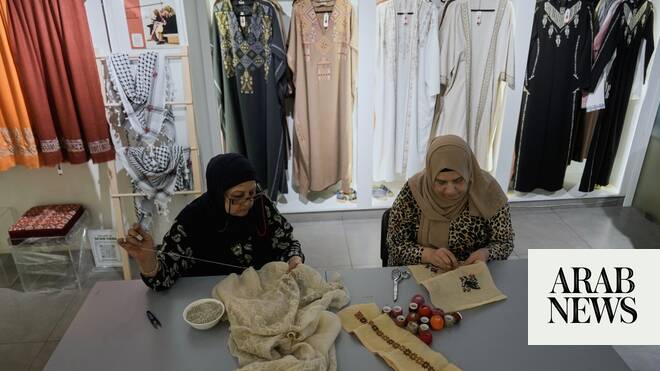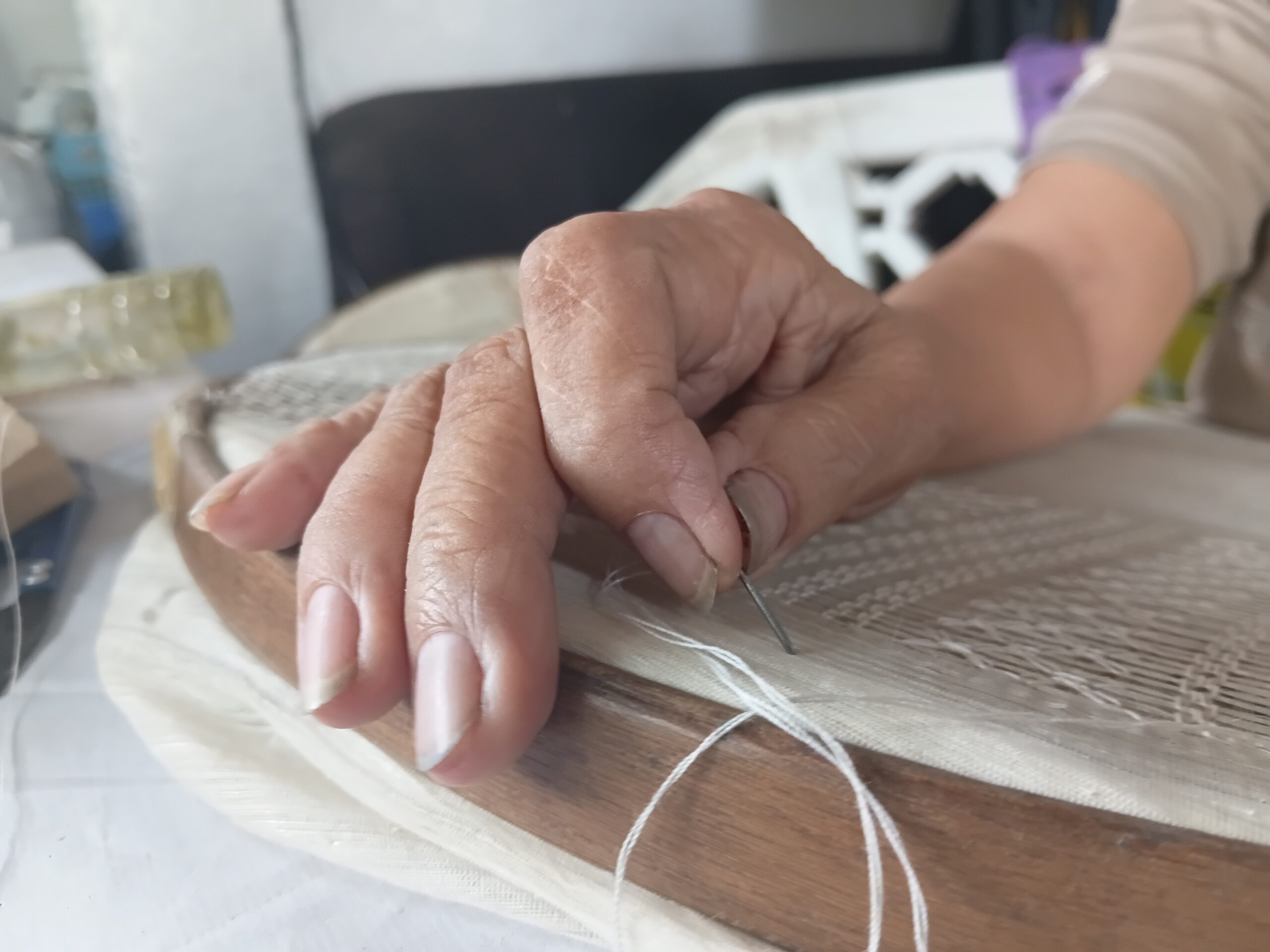
BATANGAS, Philippines – On a humid afternoon in Taal, Batangas, local embroiderers called burdareras sat on their terraces, holding their bastidor (a wooden frame used to stretch delicate piña or jusi fabric) as they practiced Burdang Taal by hand and with heart.
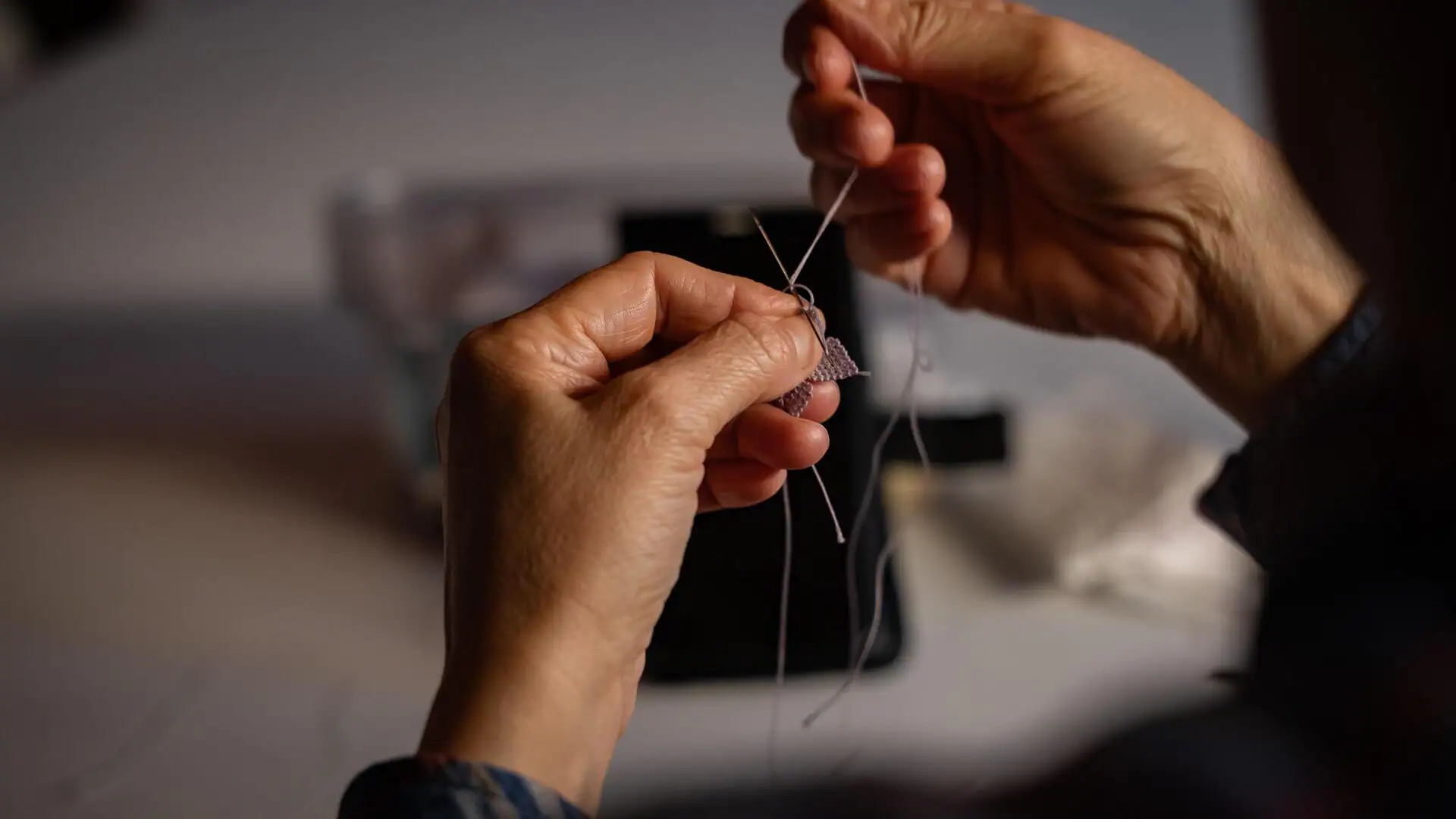
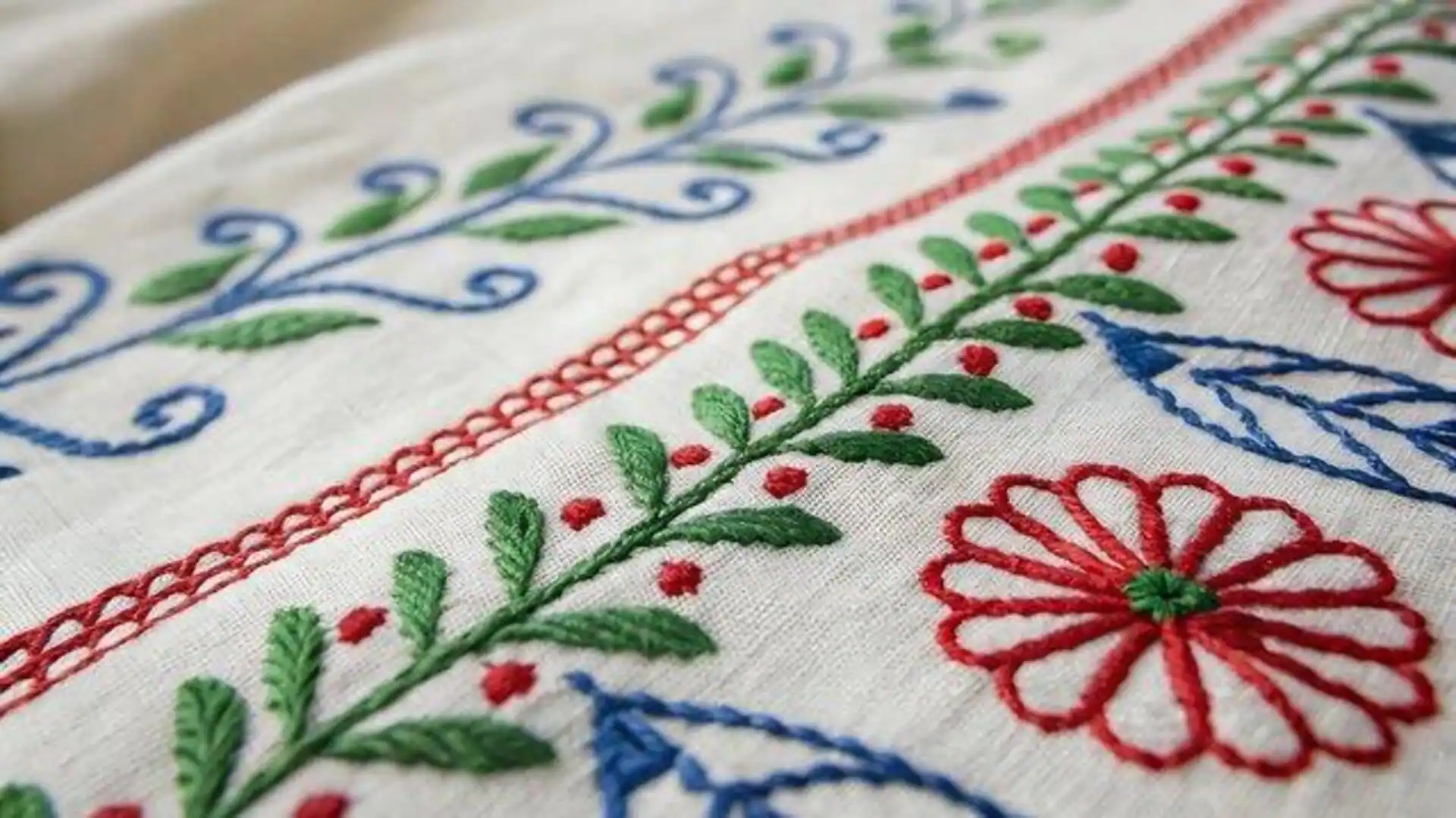
Burdang Taal is a traditional hand-embroidery craft that originated from Taal, Batangas, and is known for its floral and delicate geometric patterns. Its process begins with pagdidibujo (designing or stamping), where intricate patterns are drawn and traced onto fine piña cloth. The fabric is then stretched onto a bastidor to prevent distortion while being embroidered. Using fine needles – often without the aid of a didal (thimble) – the embroiderers carefully trace the design by hand.
Once the embroidery is completed, another artisan then performs pagka-calado, a process of piercing and detailing that enhances the design while preventing the fabric from fraying. Because of its labor-intensive nature, producing a hand-embroidered barong can take weeks or even months to complete.
A CRAFT MADE OF LOVE. A piña fabric stretched onto a bastidor. Photo by Chistian F. Patulot
Historians say the craft was introduced during the Spanish colonial period, when convent nuns taught embroidery to the women of Taal. Throughout the years, Burdang Taal has remained both a cultural tradition and an important livelihood.