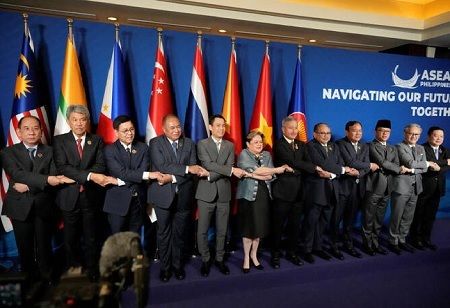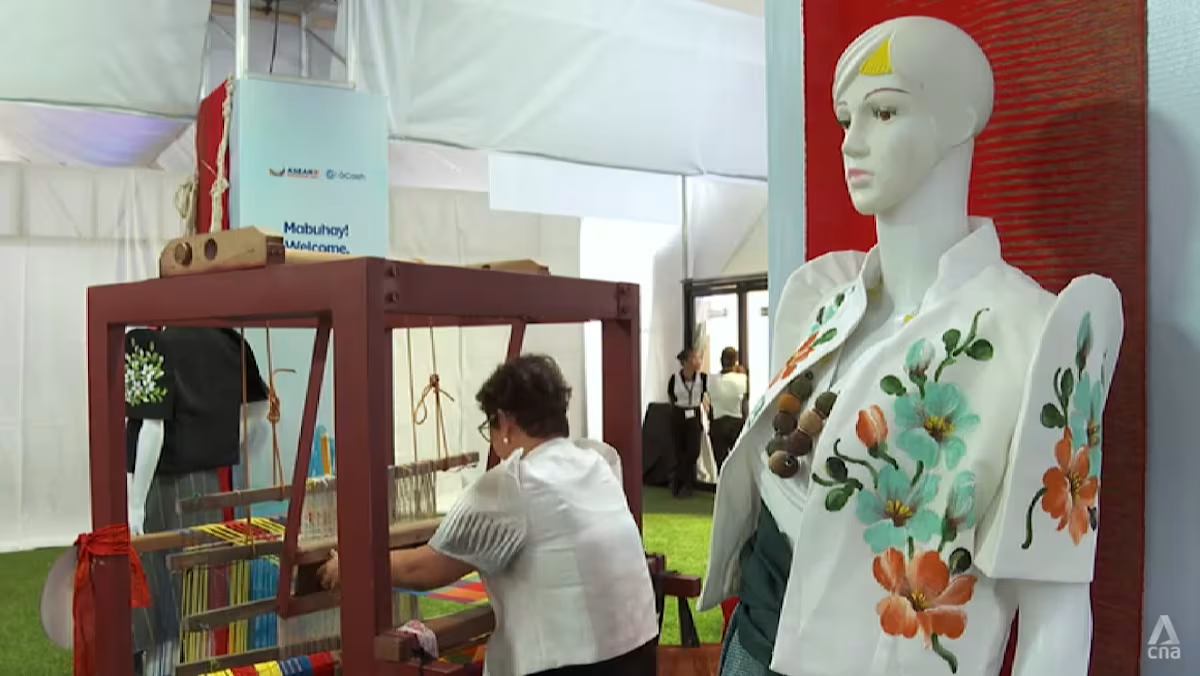
CEBU: Traditional Filipino fabrics and heritage fashion stepped into the international spotlight at the recent Association of Southeast Asian Nations (ASEAN) leaders’ summit in Cebu. Regional leaders and their spouses arrived for the summit’s gala dinner dressed in intricately crafted barong tagalog, an embroidered formal shirt worn by men, and the Filipiniana, a dress best known for its distinctive butterfly sleeves. Philippine President Ferdinand Marcos Jr and first lady Liza Marcos received guests on the red carpet in elegant outfits designed by acclaimed Filipino fashion designer Francis Libiran. “The pressure was so high. I needed to deliver something that's really creative because it's our national identity,” Libiran told CNA.
Philippine President Ferdinand Marcos Jr and first lady Liza Marcos, in traditional wear, receive Singapore Prime Minister Lawrence Wong and his wife Loo Tze Lui at the ASEAN summit in Cebu, the Philippines on May 8, 2026.
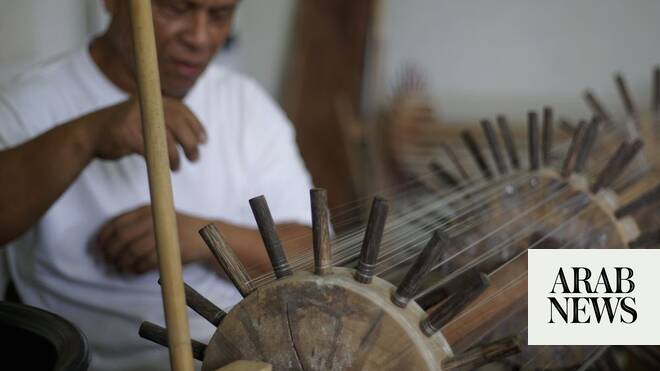
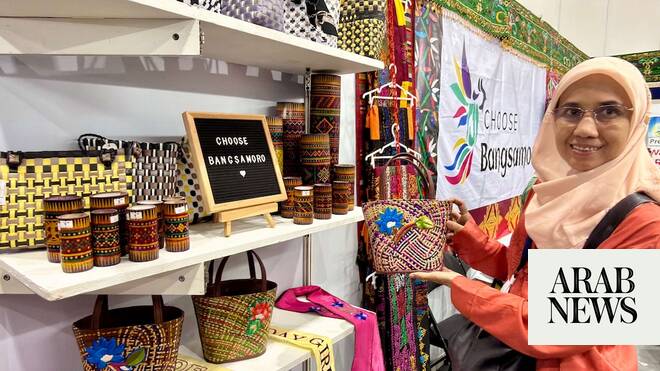
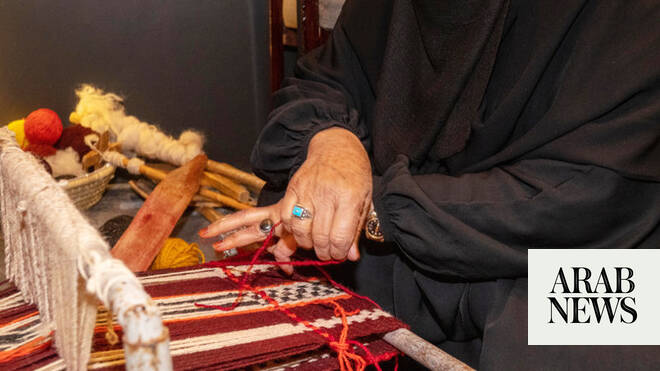
For the first lady’s gown, Libiran incorporated fabric woven by the Yakan indigenous community in Basilan, in the southern Philippines. The handloomed textile is known for its vibrant colours and geometric patterns. President Marcos’ formal wear, meanwhile, featured callado – a highly intricate traditional embroidery using meticulously knotted pina fibre derived from pineapple leaves. Libiran said the garments required the collective effort of artisan communities, with weavers and embroiderers spending more than two months completing the pieces. The painstaking craftsmanship also comes at a premium. A traditional barong tagalog can cost anywhere between US$500 and US$3,000, depending on the materials and detailing involved. A HERITAGE INDUSTRY UNDER PRESSURE But behind the glamour of fashion is an industry grappling with rising costs and global uncertainty. The Philippine weaving and embroidery sector supports thousands of small- and medium-sized enterprises across the country. But like many industries, it has been affected by higher fuel prices, shipping costs and supply chain disruptions linked to the ongoing Middle East conflict. The Philippines is an archipelago of more than 7,600 islands, making the transportation of raw materials and finished products heavily dependent on fuel costs. Import costs have also increased, partly due to shipping disruptions and supply bottlenecks. Libiran said expenses related to logistics and sourcing materials have risen by as much as 30 per cent. “(Costs have) definitely gone up,” he said. “As much as I want to use everything Filipino, everything made in the Philippines, there’re a lot of things that we don't have here. That's why we import stuff like silk needles and silk threads.”