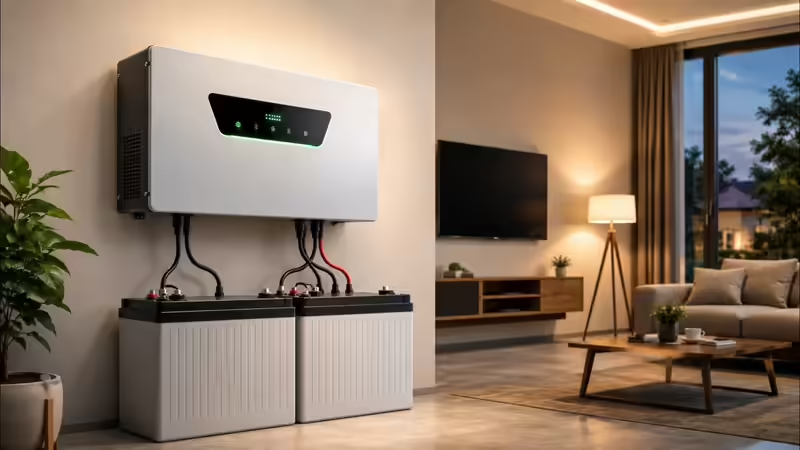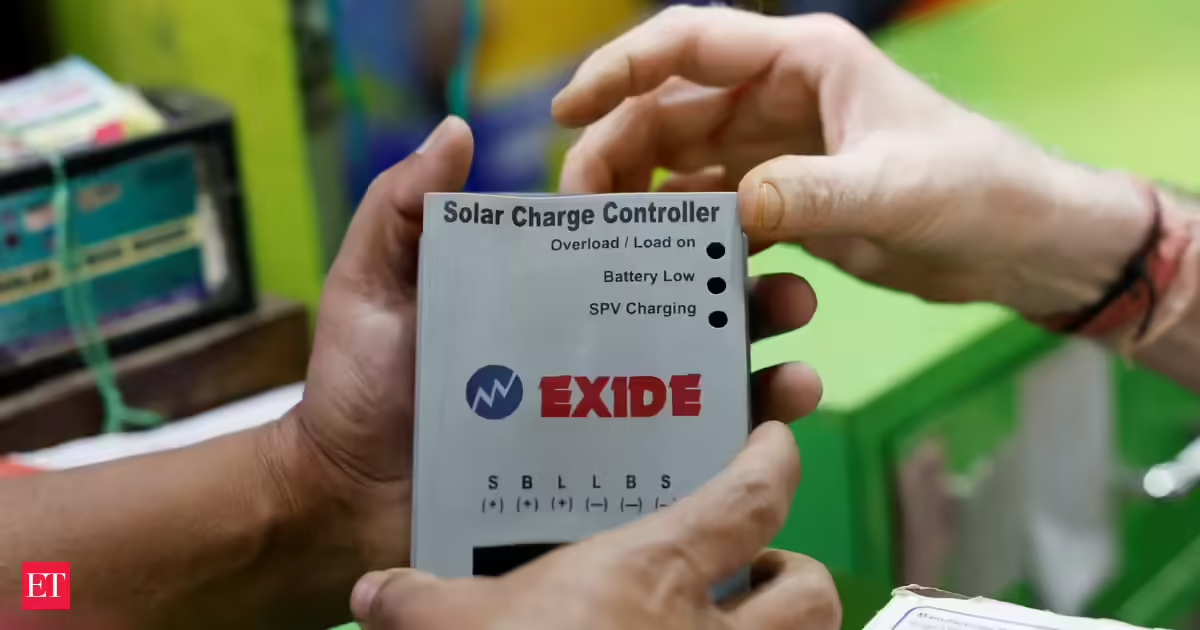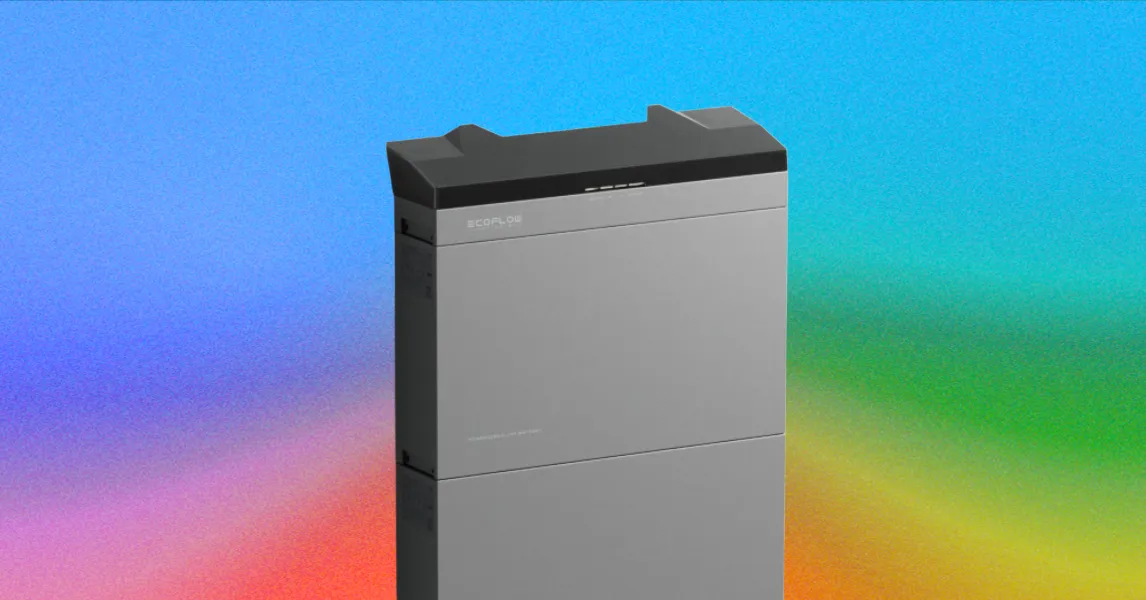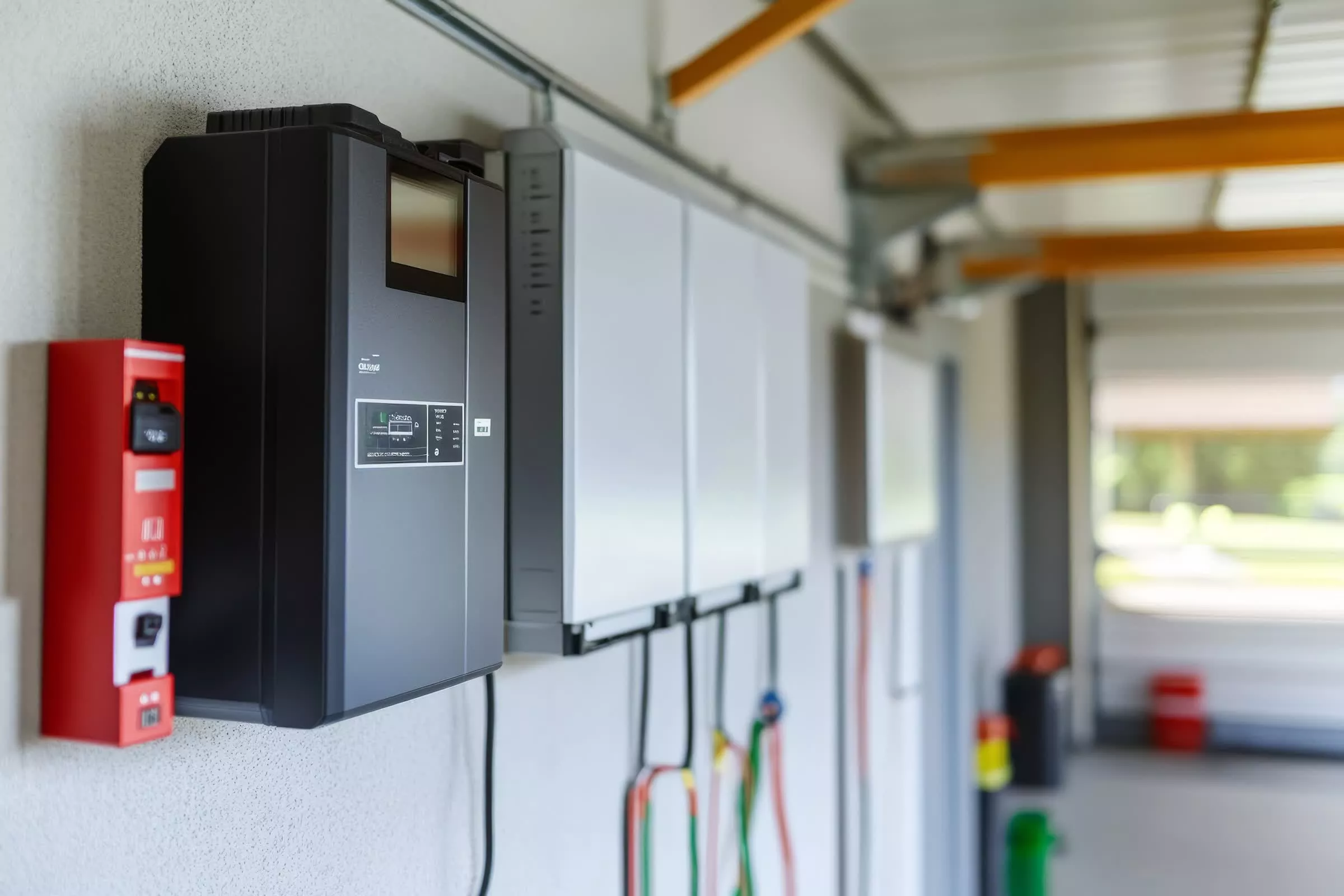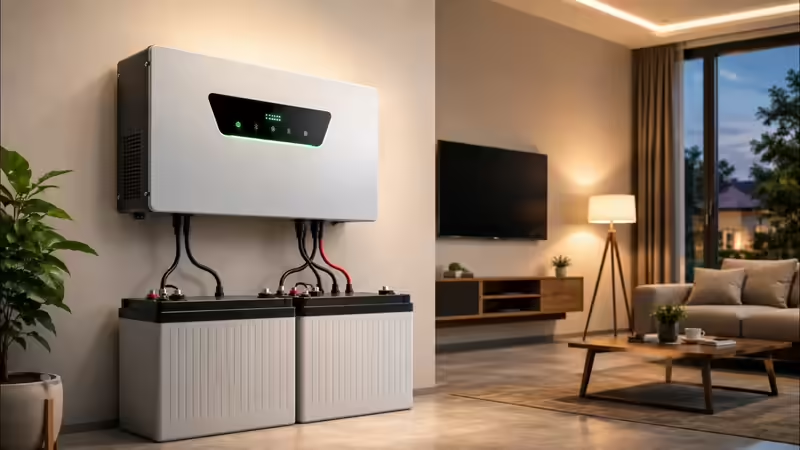
Power cuts are a fact of life across most of India, which is exactly why an inverter has become as essential as the fridge it keeps running. And here is the part people overlook: an inverter is only as good as the battery behind it. The battery does the real work, so it deserves real attention.For decades, lead-acid was the default, and the default came with baggage. Monthly water top-ups, a ventilated corner of the house, and a fresh replacement every two to three years. Lithium-ion and LiFePO₄ batteries were built to leave all of that behind. They charge faster, run maintenance-free, deliver far more charge cycles, and pack the same backup into a fraction of the space.The catch? Not every lithium inverter is right for every home. The ideal pick depends on your household load, the rooftop space you have for solar, and your budget. Get up to speed on the essentials below, then scan our handpicked options across price points to find the one that matches how your home actually uses power.What to Look for in a Lithium Inverter Battery?Backup time: A single charge stretches further the less power you draw. A 1000Wh battery running a 400W load lasts roughly half as long as it would on a 200W load. For a realistic estimate, check the backup the maker quotes at a wattage close to your home's typical usage, not just the headline number.VA capacity: This decides how much you can run at once. A 1KVA model comfortably handles the basics: lights, a few fans, and one TV. Step up to 2KVA or more, and you can power heavier appliances – refrigerators, motors, and daily kitchen loads – together without strain. Undersize it and you invite overload trips; oversize it, and you pay for headroom you never touch.Battery chemistry: Modern lithium inverters lean on LiFePO₄ cells because they handle heat well and last longer — typically 2,000 to 4,000-plus charge cycles, against just 500–600 for lead-acid. Before you buy, confirm the chemistry, and glance at the voltage and amp-hour (Ah) rating too.Solar compatibility: Already have a rooftop setup, or are you planning one? Look for a hybrid inverter with a PWM or MPPT solar charge controller. MPPT squeezes more energy out of fluctuating sunlight and costs a little more; PWM is the simpler, more affordable route.Warranty: Battery and inverter warranties are usually listed separately – commonly 3–5 years on the battery and 2–3 years on the inverter. Always check whether the cover is on-site or needs the unit shipped for service.Lithium Inverter Batteries to Consider!Lento 2. 5KVA 25. 6V Hybrid Solar Lithium InverterThe do-it-all pick is a big backup, solar-ready, and built for whole-home loads.Inbuilt 100Ah LiFePO₄ battery at 25. 6VUp to 6 hours 15 minutes of backup at a 400W loadPure sine wave output, ideal for sensitive electronicsPWM solar charge controller for rooftop panelsSmart BMS guards against overcharge and short circuits5-year battery warranty, 3-year inverter warranty16×2 LCD for real-time status4,000+ charge cycles, with a claimed 12-plus years of reliable lifeGenus MaxiLion 1000 VA InverterSmart and compact — serious protection in a space-saving body.Integrated 1,280Wh LiFePO₄ lithium-ion batteryDSP and ASIC technology paired with an intelligent BMSAutomatic low-battery and high-battery cut-outDual display with both LCD and LED indicatorsCompact footprint for homes with no dedicated battery corner5-year onsite warranty for the complete ESSRated for a claimed lifespan of up to 12 yearsLento 2100VA 25. 6V Solar Hybrid Lithium InverterBackup on wheels — portable, fast-charging and solar-ready.Inbuilt LiFePO₄ battery at 25. 6VUp to 6 hours 15 minutes of backup at a 400W loadPure sine wave output with an LCD for monitoringPortable wheel-base design for easy placement and movementFast charging to shorten recovery time between outagesPWM solar hybrid charging support5-year battery warranty, 3-year inverter warrantyAdvanced BMS with dynamic control against overcharge, deep discharge and overheatingMicrotek I Lithium 1500 SW (1100 VA / 925 W)App-controlled peace of mind — check your backup from your phone.Inbuilt 12. 8V 100Ah (1,280Wh) LiFePO₄ batterySmart Wi-Fi monitoring for UPS status, battery level and alerts via appBuilt-in BMS with overload, short-circuit and overcharge protectionFast charging with zero water-topping maintenanceWall-mounted, compact form factor5-year onsite warrantyRated at 1,100VA / 925W — comfortable with fans, lights, a mixer grinder and IT loadsLento 1. 1KVA 12V Solar Hybrid Inverter with MPPTSolar-efficient and wall-mounted — smart harvest for lighter loads.12V system with a built-in MPPT solar charge controller for a higher solar yield than PWMWall-mount design that frees up floor spaceWorks with lithium as well as conventional batteriesClean 1,100VA / 220V AC outputSuited to light-to-moderate loads — fans, lighting, small appliancesLCD/LED monitoring36-month warranty with 8-layer protectionGraphene Lithium 1000VA InverterBuilt to last decades — huge capacity and a long-life promise.12V 200Ah Lithium-ion (LFP) batteryBacks up the equivalent of more than 300Ah of lead-acid capacityClaimed life expectancy of 15–20 yearsFast charging versus traditional lead-acid unitsBuilt-in BMS against overcharging, overheating and short circuitsPure sine wave output for clean, stable power to sensitive devicesLCD for battery and inverter statusSolar-charging compatible5-year warrantyFrequently Asked QuestionsAre lithium inverter batteries better than lead-acid for home use?For most homes, yes. LiFePO₄ units deliver far more cycles, charge faster, need little to no maintenance, and slot into tighter spaces. The upfront cost is higher, but it usually evens out over the years thanks to long life and zero servicing.How long does a lithium inverter battery last?Many LiFePO₄ batteries handle 2,000 to 4,000-plus charges, which often translates to about 10–15 years of use. A typical lead-acid unit lasts just 2–3 years. Real-world lifespan also depends on how you charge it, the ambient heat, and the load it carries.Can I run a refrigerator or air conditioner on a lithium inverter?What matters most is the inverter's strength, its VA and wattage rating, rather than whether the battery is lithium or lead-acid. A 1KVA model can usually manage a fridge alongside a few fans and lights. An air conditioner is trickier: motors demand a big surge at start-up, so a 2KVA-plus unit copes far better with those spikes.Do I need a solar-compatible (hybrid) inverter if I don't have panels yet?You can skip it for now, but think ahead if solar is on your roadmap. Hybrid units with PWM or MPPT cost more and earn their keep only when your roof gets enough sun. With no panels yet, a standard lithium inverter does the job perfectly well.What warranty should I expect on a lithium inverter battery?Battery and inverter usually carry separate warranty periods. Three to five years on the battery is common across lithium models sold in India. Always confirm whether the cover is on-site or requires you to ship the unit for service.Disclaimer: The products mentioned above are not in any particular order. end of article
Lithium Inverter Batteries for Long Power Backup in Your Home
Lithium inverter batteries are fast replacing lead-acid units in Indian homes, and it is easy to see why: they charge quicker, ask for zero maintenance and last years longer. This guide walks you through what to check before you buy, then rounds up standout lithium inverter options across capacities and budgets, so you can lock in cleaner, smarter, more reliable power backup for your home.
1,109 words~5 min read