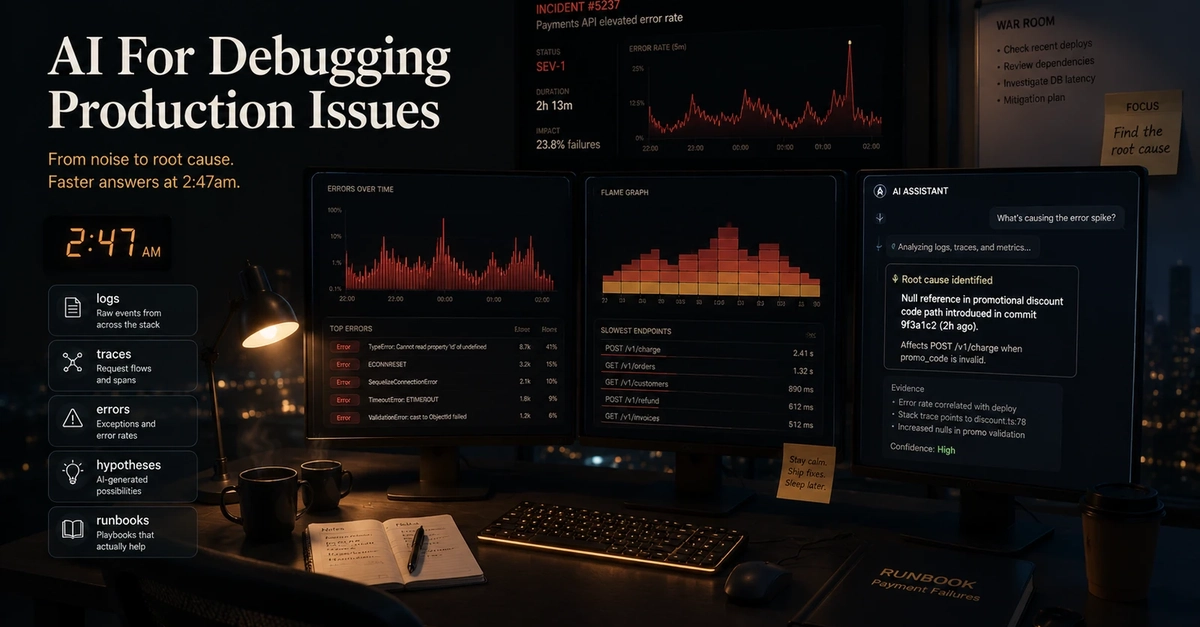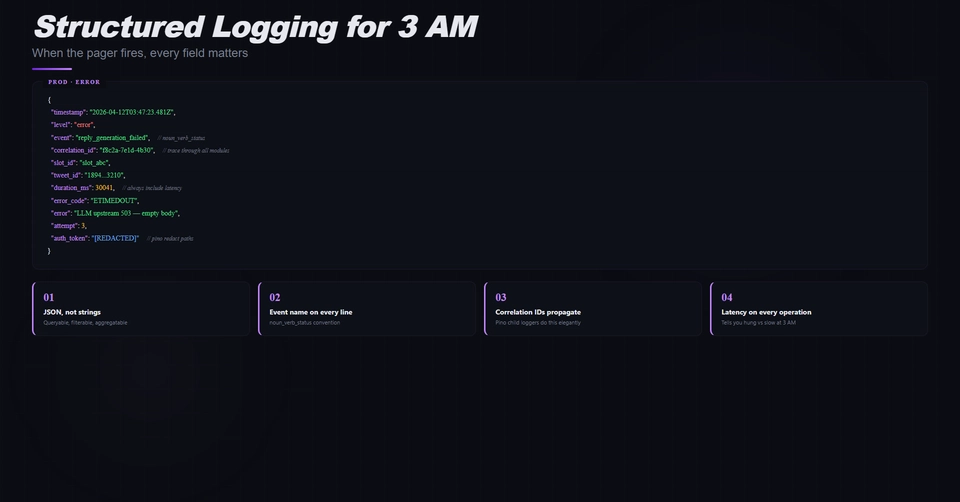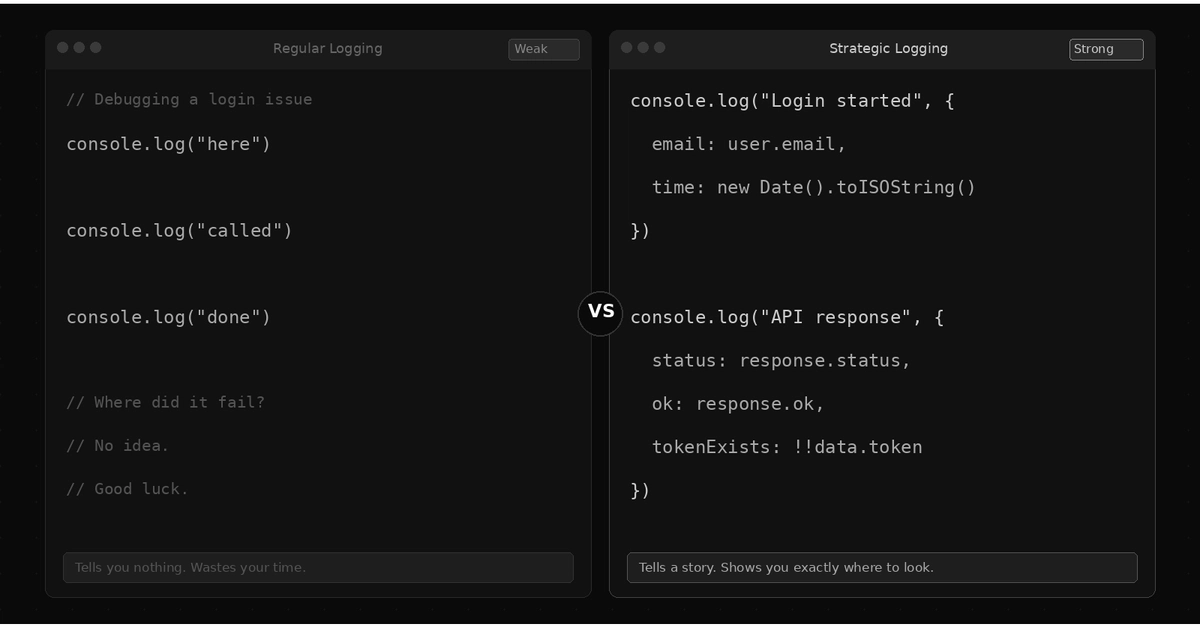
Debugging production issues often feels like a race against the clock, especially when it's 2 AM and a critical system is down. In these moments, the clarity of your codebase becomes paramount. This is particularly true for the data access layer, where an opaque query can turn a quick fix into an all-night struggle.
Backend developers regularly interact with databases through various abstractions, from raw SQL to sophisticated Object-Relational Mappers (ORMs). While these tools aim to simplify data operations, they can introduce a spectrum of transparency, ranging from a 'black box' where the underlying database interaction is hidden, to a 'glass box' where the intent and generated queries are clear and predictable.
The Black Box Problem in Data Layers
Many modern data access solutions, including some ORMs and AI-driven query generators, operate as a "black box." You provide high-level instructions, and the system generates the actual database queries (SQL, MongoDB aggregations, etc.) behind the scenes. While this can speed up initial development by abstracting away boilerplate, it presents significant challenges when things go wrong.
Consider a scenario where a query is returning incorrect results or performing poorly. If you're using a black box approach, understanding why can be a guessing game. You might be unsure if the issue lies in your high-level intent, the ORM's interpretation, or an underlying database problem. Without direct visibility into the exact query executed, debugging becomes a process of inference and experimentation, often requiring you to enable verbose logging or manually inspect generated SQL, which defeats the purpose of the abstraction.