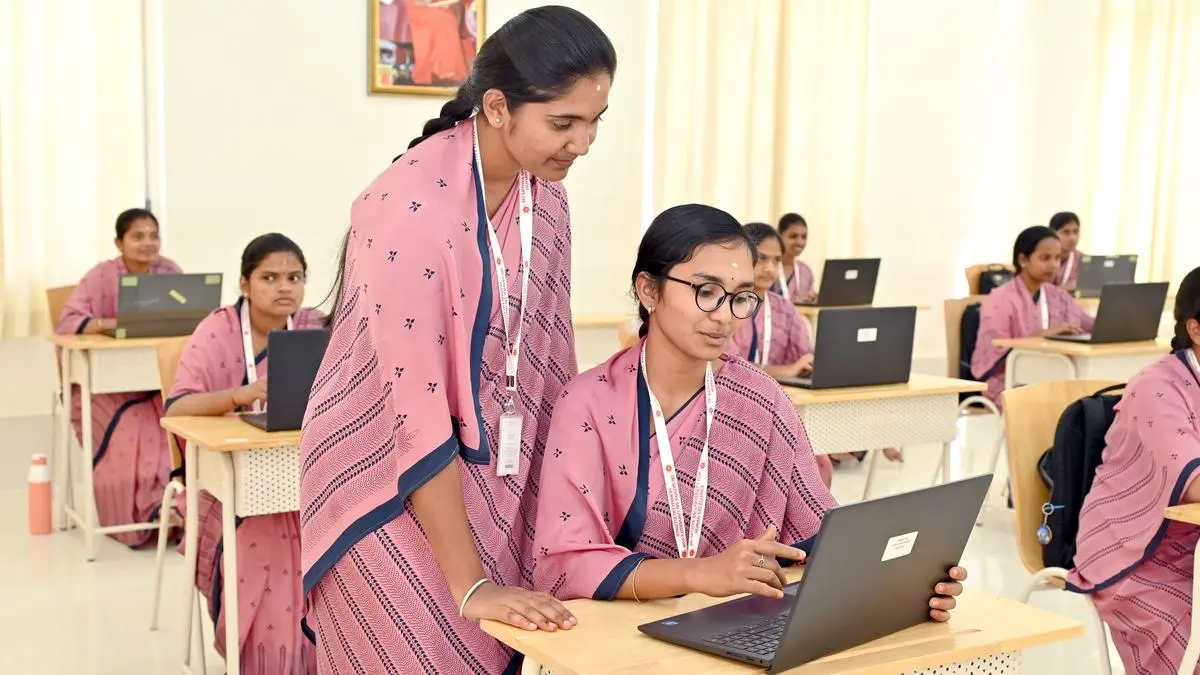
For most Indian parents, the cost of educating a child has become a long-term financial project. School fees continue to climb, coaching has become almost compulsory, and professional education—particularly medicine—often demands investments running into several lakhs, if not crores.Scholarships exist, but they are usually fragmented, limited or course-specific. The idea that a student could receive high-quality education from Class VI right up to a PhD without paying tuition is almost unheard of.Yet that is precisely the proposition being put forward by the One World One Family Mission, a philanthropic initiative founded by Sadguru Sri Madhusudan Sai. Spread across campuses in Karnataka, Telangana and Tamil Nadu, the initiative has quietly built an educational ecosystem that takes students from middle school to university, including medical education, without charging tuition fees. Boarding, food, healthcare and mentoring are integrated into the model, making it one of the more ambitious attempts in India to rethink access to education.But ask the people behind the initiative what makes the model unique, and they are likely to speak less about free education and more about something they call “education for human excellence.” That philosophy, they argue, is what distinguishes the institution from conventional universities.Not merely affordable—but entirely freeIndia has no shortage of subsidised education. Government schools, aided institutions and public universities have long played that role. What makes the One World One Family model unusual is that the support does not stop after school.A student can enter in Class VI and continue through undergraduate education, postgraduate studies and even doctoral research without tuition fees interrupting the journey.
Free education from Class VI to Ph.D, along with an assessment model that goes beyond marks
Explore One World One Family's innovative model of free education from Class VI to PhD, merging academic excellence with social responsibility.
1,857 words~8 min read