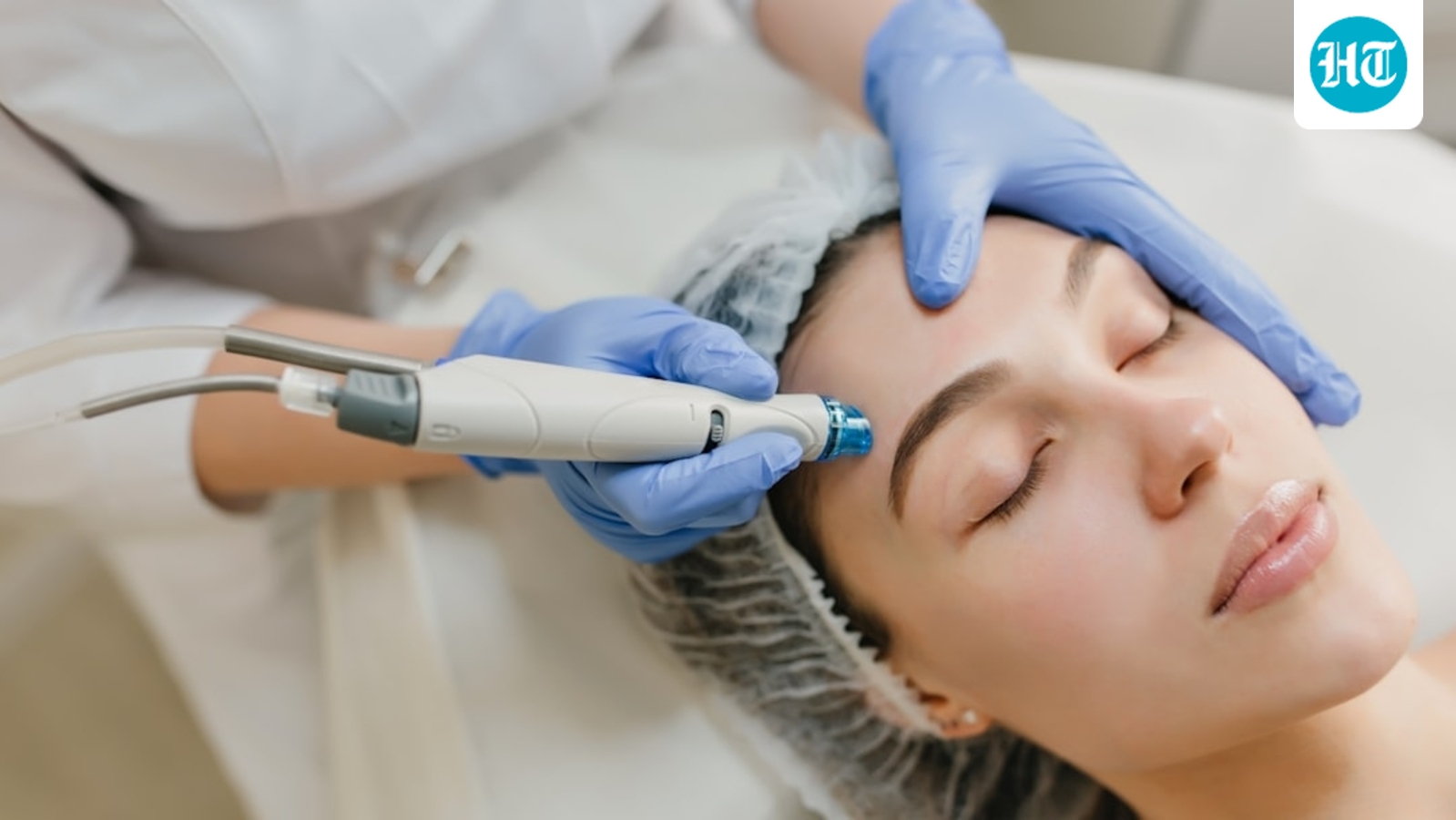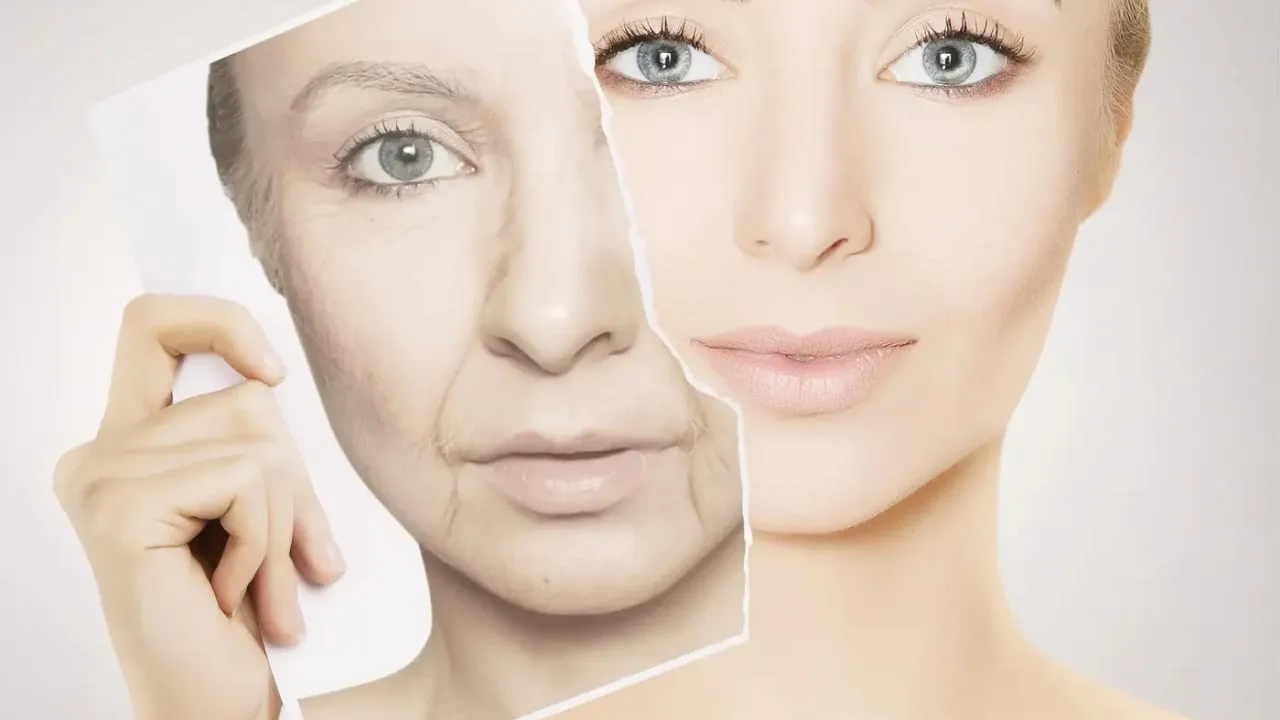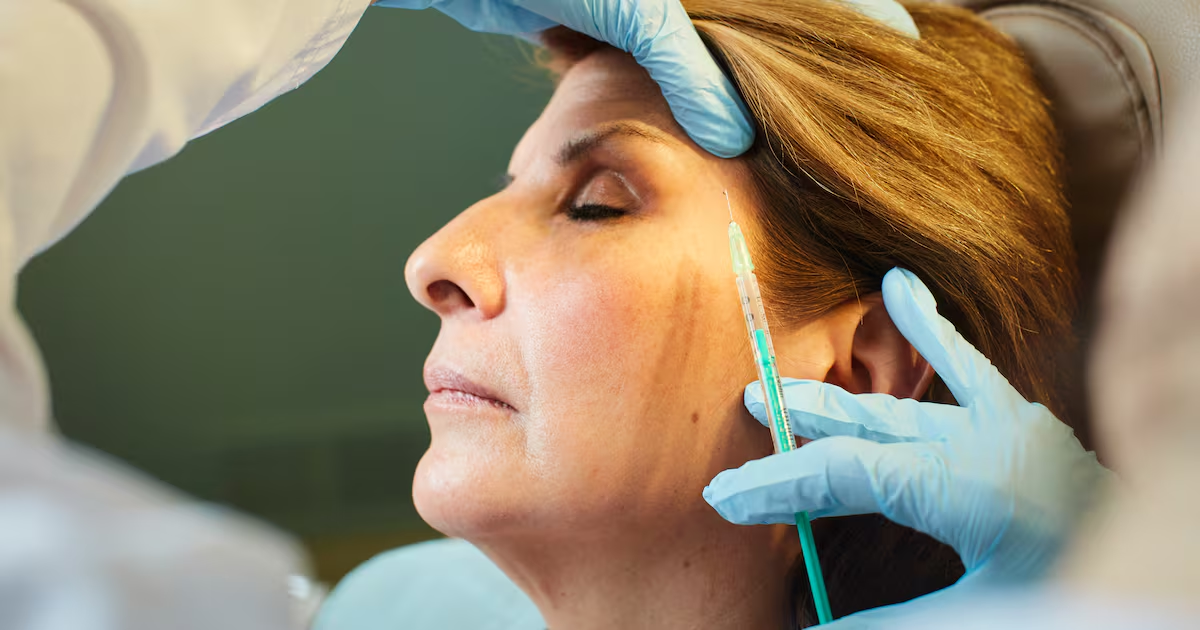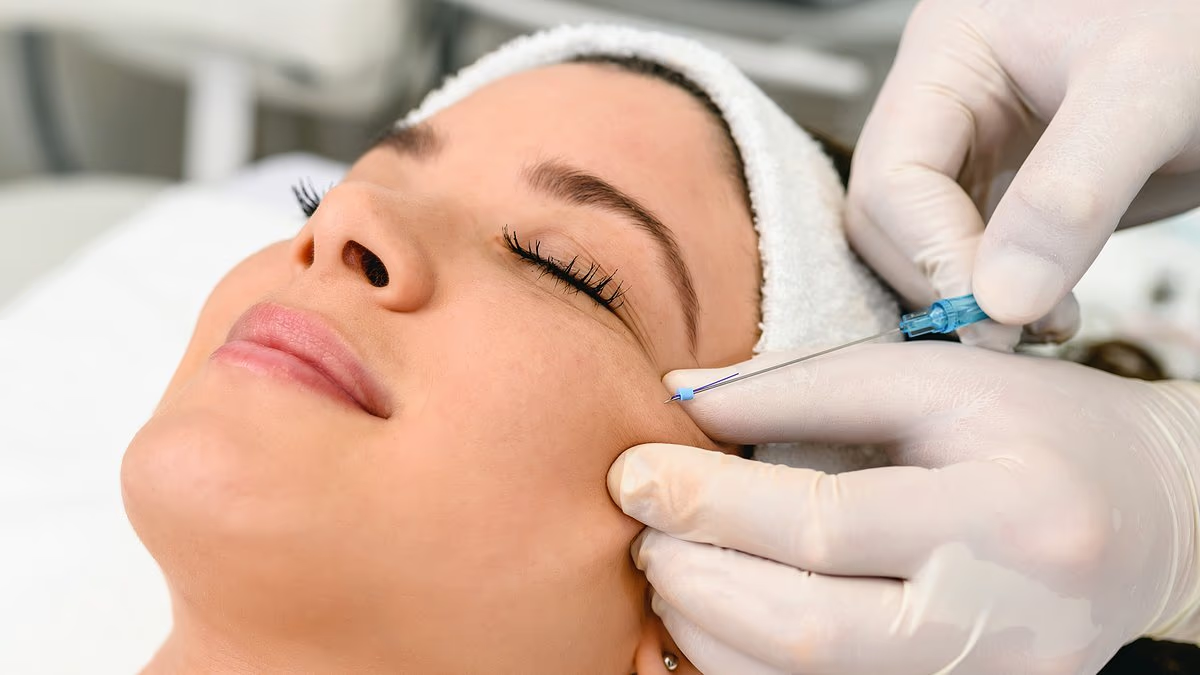
I've worked in aesthetic medicine for almost two decades now and know that 'tweakments' can be excellent in the right hands – in fact I use many of them in my clinic – but inexperienced practitioners often perform them incorrectly, ie using machines on inappropriate settings, which often leads to poor results.Patient selection – matching a client's anatomy and concerns to the right treatment – is critical to ensure good outcomes. Often tweakments are mis-sold as universal shortcuts that can work on everyone, but whether they deliver well will depend on each individual: how old they are, their skin type and if they have more or less facial fat.If performed incorrectly, treatments that are touted as anti-ageing can leave patients looking older – more hollow, heavier or just more 'done' looking when they settle. Dr David Jack, who has worked in aesthetic medicine for nearly 20 years, says tweakments are often thought of as universal shortcuts for everyone, but the results will vary from patient to patientThese are the five treatments I would approach with real caution... 1. Thread liftsThis is the treatment I would avoid most. Thread lifts sound appealing because they are sold as giving a mechanical lift without surgery, although the effect is usually extremely limited and temporary. The face is a layered, mobile structure with nerves, vessels, fat compartments and retaining ligaments. Threads can cause dimpling, contour irregularity, visibility, infection, scar tissue and nerve irritation or even injury if placed badly. I've seen some patients with bad facial nerve injuries following threads done by nurse practitioners. Avoid thread lifts, warns Dr Jack. Not only is the 'lifting' effect temporary, but it is a high-risk treatment that could cause scarring, infection or even nerve injuries The risk-to-reward ratio is invariably poor, particularly in heavier faces or older patients with true tissue descent. These patients usually need proper structural assessment rather than barbed sutures placed blindly under tension in the nerve-rich subcutaneous fat of the face.2. High Intensity Focused UltrasoundMy second least favourite treatment is HIFU. My concern with this is that it is again often marketed as a non-surgical lift, when biologically it is a deep heating treatment of the muscle layer of the face, where it is designed to cause thermal damage in order to stimulate a 'lifting' response. It can give a modest tightening effect in carefully selected patients with mild laxity and good facial volume, although in older or leaner faces the results are often underwhelming. The bigger issue is unwanted fat loss, given the close proximity of the facial fat to the muscle layer that is being heated. Facial ageing already involves fat loss, ligamentous laxity, dermal thinning and changes in bone support. Adding deep heat into the subcutaneous plane and perimuscularly around the SMAS can worsen hollowing and make the face look more tired when the initial swelling and inflammation from the treatment (which gives the initial 'result') subsides.3. Collagen stimulating injectables used poorlySculptra is an injectable that encourages your own collagen formation, which in turn can lead to plumper more youthful skin. It's an old treatment that has to be done exceptionally well to give good results. In the right patient it can work well, although it is not a casual filler substitute. Sculptra is not a casual substitute for filler and should be treated with caution, because it is not instantly reversibleWhen used poorly, it frequently causes nodules, irregularity and a heavy, fibrotic quality to the face. It is also not instantly reversible in the way hyaluronic acid filler is. I am particularly cautious when it is used indiscriminately in the midface, temples or jawline without a clear anatomical plan.4. Overdone filler and BotoxFiller and Botox are excellent tools when used conservatively, although they can become ageing when they are overused. Too much filler, particularly when placed superficially in the fat pads of the face can create a face that looks strangely ageless rather than young: puffy, heavy, shiny and distorted. Likewise, overdone Botox can be ageing. Repeatedly over-treating (and paralysing) the forehead muscles causes muscle atrophy over time which can make the brows feel heavy – not to mention removing expression, stripping the face of animation and warmth. The best injectables should aim to restore the change in balance of muscles that happens with age, rather than paralysing, allowing preservation of movement, dynamic proportion and no change to identity.5. Aggressive radiofrequency microneedlingRadiofrequency microneedling, including Morpheus8 treatment, can be brilliant when it is used properly, as it can improve texture, acne scarring, fine lines and mild laxity. My concern is with poorly trained practitioners and operators who don't understand the anatomy of the face or the energy delivery of these powerful devices, resulting in the overly aggressive treatment on the face. If RF energy is delivered too deeply, too frequently or at excessive settings, particularly in lean faces, there is a risk of fat loss, burns, scarring or textural damage which can prematurely age the face. The practitioner needs to understand skin thickness, facial fat compartments and when not to treat. Used intelligently however, it is still one of my favourite technologies.@drdavidjack
The 'anti-ageing' procedures that actually make you look OLDER
I've worked in aesthetic medicine for almost two decades now. These are the five treatments I would approach with real caution…
852 words~4 min read