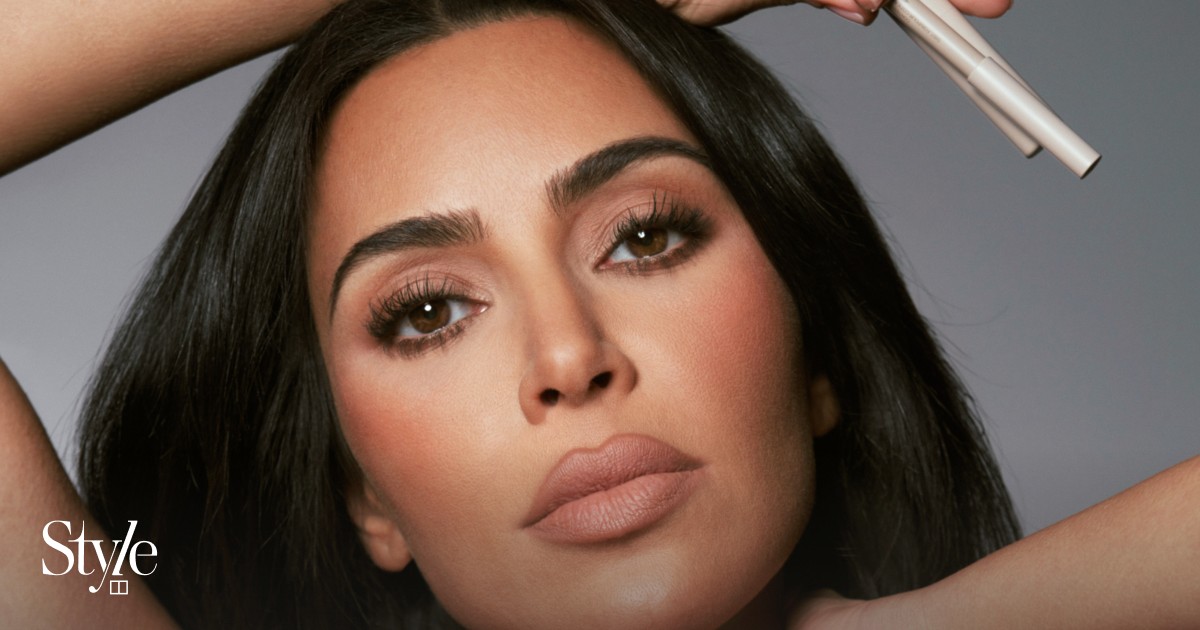
Charlotte Tilbury and Westman Atelier products preserve the skin’s texture; clinics are tapping radio frequency, ultrasound and laser tech; while Sculptra is injected to stimulate collagen production
Among these, you’ll find non-invasive, in-office treatments. Dr Samuel Hung, MBBS, deputy chief medical officer at Hong Kong-based K-beauty clinic Seoul Aesthetic, explains that these treatments “usually include the use of radio frequency, high-intensity focused ultrasound (HIFU), or more recently, triple-wavelength laser for facial slimming and lifting”, with the choice of modality based on the individual client’s condition.
Hyaluronic acid fillers, cleverly marketed as “3D contouring”, have also surged in popularity, and for good reason. Injectables like Juvéderm Voluma and Restylane Lyft – when placed with precision along the cheekbones, temples and jawline – don’t just add volume: they create structure that looks effortlessly natural instead of obviously engineered.
Dr Bryony Elder, clinical director of Ametrine Aesthetics, in the English city of Newcastle, points out that fillers barely scratch the surface of what sculpting can achieve. “In reality, true facial sculpting is a comprehensive process that involves treating multiple layers of the face to address ageing and proportion changes more holistically. The effects of ageing, volume loss and lack of contour are complex, and affect bone, fat, muscle, ligaments and skin,” she explains.