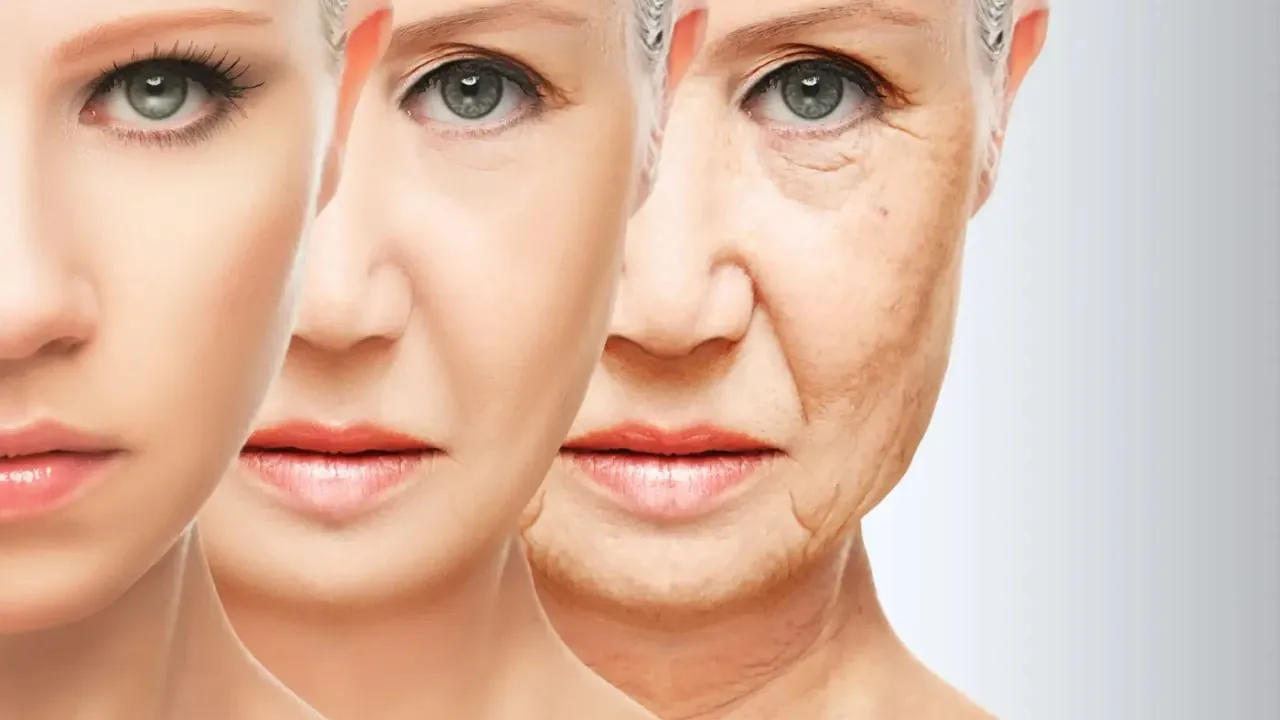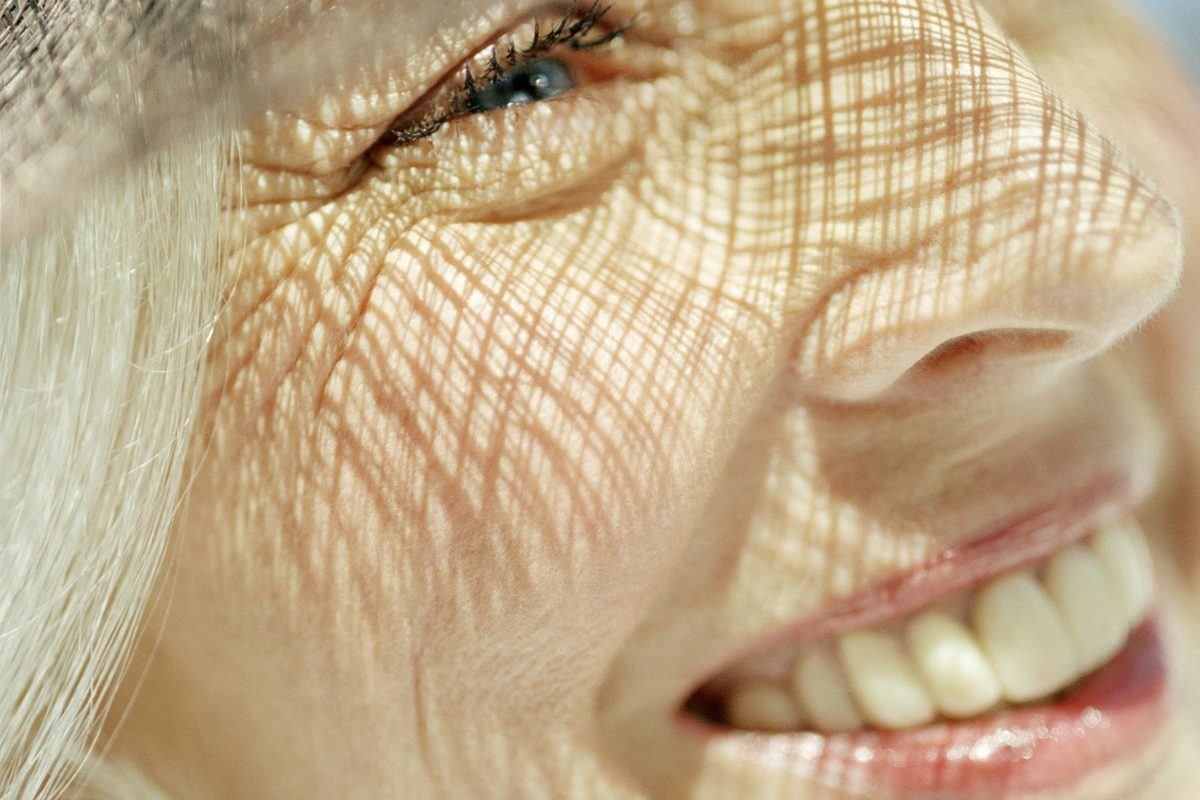
The pursuit of youthful skin often leads people to expensive serums, collagen supplements and elaborate skincare routines. While these products may offer temporary benefits, experts increasingly believe that healthy ageing begins much deeper than the skin's surface. Emerging research suggests that the gut microbiome plays a vital role in regulating inflammation, immunity, nutrient absorption and even skin health, making it a key factor in how gracefully we age. Harvard-trained gastroenterologist and hepatologist Dr Saurabh Sethi recently shared five gut-health lessons he wishes he had known in his 20s, explaining why protecting the gut may be one of the smartest long-term investments for healthy ageing.Chronic inflammation starts in the gutAccording to Dr Sethi, chronic inflammation is one of the biggest contributors to visible ageing. A damaged gut lining can allow unwanted substances to enter the bloodstream, triggering persistent low-grade inflammation throughout the body. Over time, this inflammation may accelerate collagen breakdown, reduce skin elasticity and contribute to wrinkles and premature ageing. Research has consistently linked gut barrier dysfunction and chronic inflammation with various age-related conditions, reinforcing the importance of maintaining a healthy digestive system.Fibre nourishes skin from withinDr Sethi says consuming around 30 grams of fibre daily may benefit the skin more than many anti-ageing creams. Fibre feeds beneficial gut bacteria, which produce short-chain fatty acids such as butyrate. These compounds help strengthen the gut lining, reduce inflammation and protect cells from oxidative stress—one of the primary biological processes behind ageing. Foods rich in fibre include whole grains, legumes, fruits, vegetables, nuts and seeds, making them valuable additions to any anti-ageing diet.Poor sleep disrupts gut healthQuality sleep and gut health share a two-way relationship. Dr Sethi highlights that poor sleep can disrupt the balance of gut bacteria, while an unhealthy microbiome may also negatively affect sleep quality. Studies suggest that sleep deprivation alters the composition and diversity of gut microbes, which may contribute to fatigue, digestive discomfort and dull-looking skin. Prioritising consistent, restorative sleep therefore supports both digestive health and overall wellbeing.Too much sugar speeds up ageingExcess sugar affects more than just blood sugar levels and waistlines. Dr Sethi explains that high sugar intake contributes to glycation, a process in which sugar molecules bind to proteins like collagen, making them stiff and less functional. This not only accelerates skin ageing but may also damage the gut lining, increasing inflammation and weakening the body's natural protective barrier. Limiting added sugars while choosing whole foods can support healthier skin and gut function over time.Protect your gut, age more gracefullyAccording to Dr Sethi, the people who age well often have one thing in common—a resilient gut microbiome. Rather than relying solely on genetics or expensive beauty products, long-term gut health may play a crucial role in healthy ageing. A diverse microbiome supports digestion, immune function, nutrient absorption and inflammation control, all of which contribute to overall vitality. Building these habits early in life can be far more beneficial than trying to repair gut health decades later.Reflecting on his own journey, Dr Sethi shared that at 44, he feels healthier than he did at 34. He attributes this not to discovering a miracle anti-ageing solution, but to shifting his focus inward. Instead of searching for external fixes, he believes lasting wellness begins with protecting and nurturing the gut over time.
Not serums or supplements: Harvard-trained gut doctor shares 5 anti-ageing secrets he wished he knew in his 20s
Experts now highlight that true anti-ageing starts from within, with gut health playing a pivotal role. Dr. Saurabh Sethi reveals how chronic inflammation, often rooted in the gut, accelerates visible ageing. Nourishing your gut with fibre, ensuring quality sleep, and limiting sugar intake are crucial. Protecting your gut microbiome is presented as a vital, long-term investment for graceful ageing and overall vitality.
545 words~2 min read