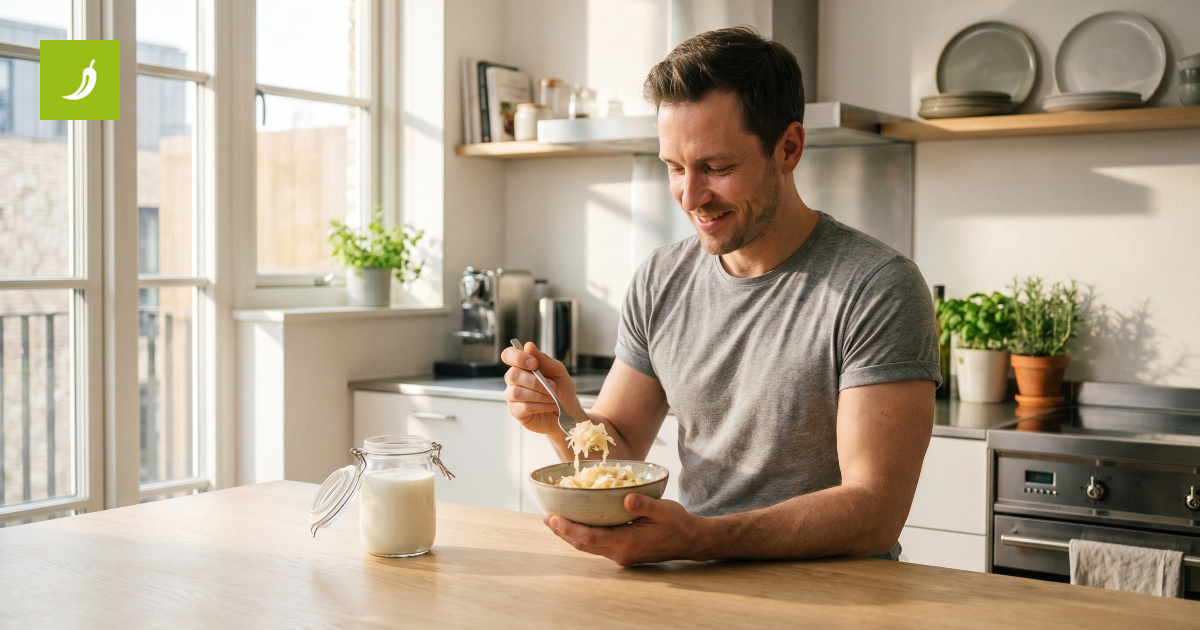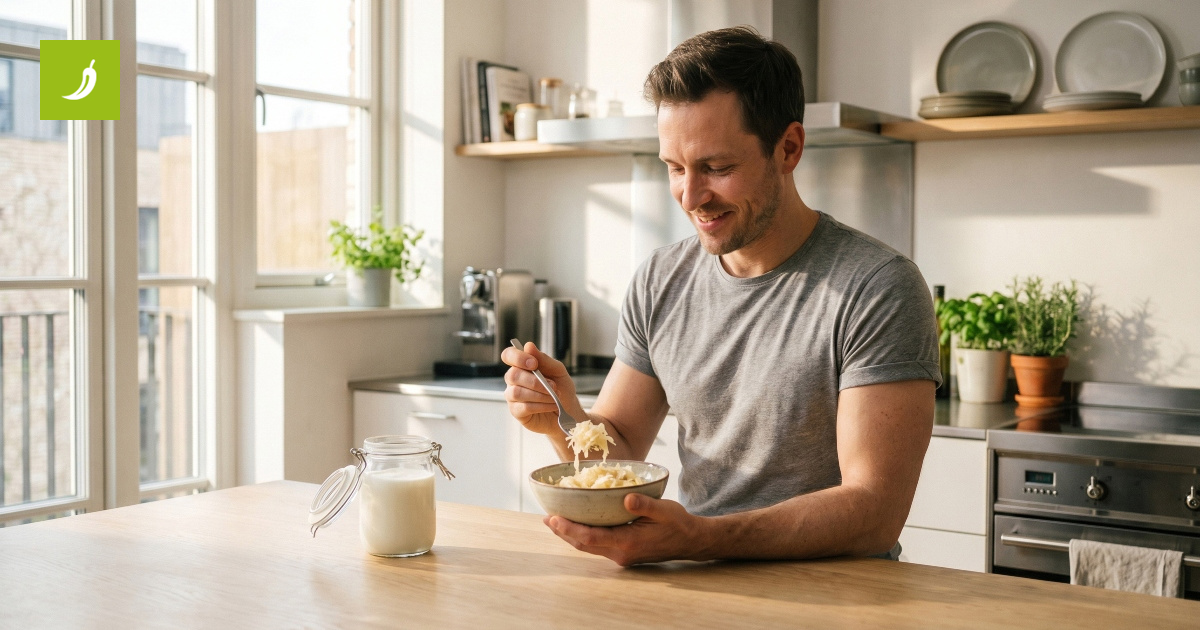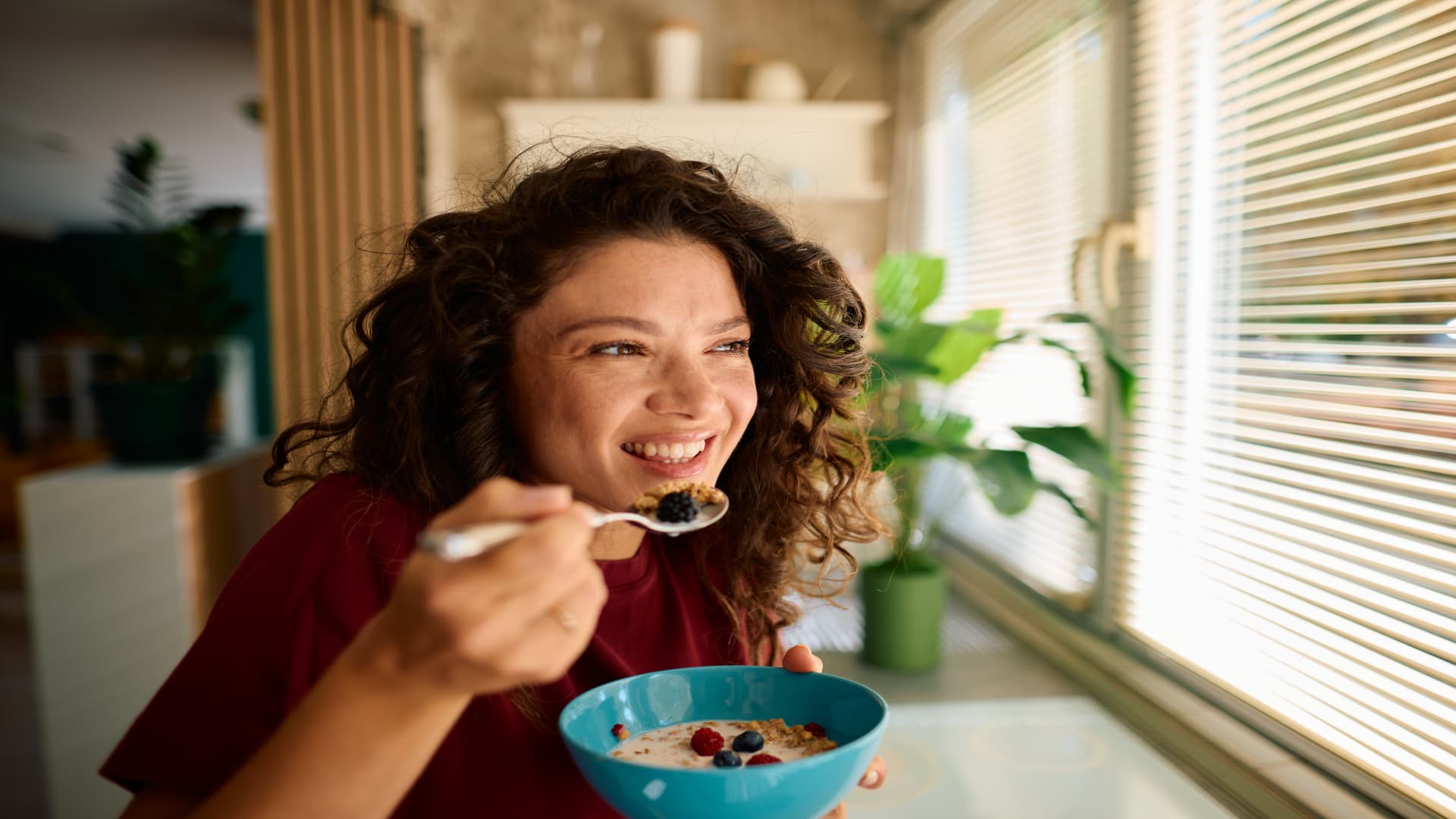
As a heart surgeon, people often ask what supplements I take. I tell them that yes, targeted ones can help, but the daily habit that consistently delivers real results for my patients and me are fermented foods.Fermented foods don't come with a trendy label or a miracle marketing claim, but they do something far more important: support the trillions of microbes living in your gut, which influence digestion, immunity, metabolism and inflammation. All these factors play a major role in how fast we age.Modern nutrition tends to focus on macros, calories and willpower. In my experience, that's backwards. The real question is whether you're feeding the ecosystem inside you.Forget supplements. Here's what makes fermented foods magicalYour gut is made up of an entire community. When that community is diverse and resilient, it helps your gut lining stay strong and your immune system respond appropriately rather than overreact. Fermented foods can shift the environment in your gut in a direction that supports better balance. You don't need to start fermenting vegetables in mason jars to get the benefits. A few simple choices can make fermented foods a daily habit. Of course, you should always check with your health provider before making any drastic changes to your diet.1. Coffee and teaMost people don't realize coffee beans are fermented during processing, and many teas are, too. This matters because fermentation reduces bitterness and makes plant compounds, especially polyphenols, more available. Your gut bacteria thrive on polyphenols, and for many people, coffee and tea are the easiest daily sources.As for coffee, lighter roasts contain more polyphenols. I always avoid adding milk or cream to my tea or coffee because dairy binds to polyphenols, reducing their benefits. If you want a creamier drink, choose a nut milk like walnut or hazelnut.2. KombuchaIf you want an intentionally fermented drink, kombucha can be a smart option — as long as you choose wisely. Many brands are essentially soda in disguise. Look for low sugar (under 5 grams), real tea and no fruit juice "cover-ups." A small serving can provide organic acids and compounds that support gut diversity. The key is to treat kombucha like a tool, not something you sip all day.3. Yogurt (goat or sheep)At breakfast, yogurt is one of the most accessible fermented foods, but the type matters. I prefer unsweetened goat or sheep yogurt over most conventional cow yogurt. One reason is that most cow dairy products contain A1 beta-casein, a protein that can break down into compounds that may promote inflammation and increase gut permeability in susceptible people, even those who think they tolerate dairy.A2 dairy is generally a better option than standard A1, but goat and sheep are still my first choice for daily use. And skip flavored yogurt. If it tastes like dessert, it functions like dessert.4. KefirKefir is an even bigger upgrade. It contains strains of beneficial bacteria, plus beneficial yeasts and organic acids that support gut balance. If yogurt is the entry point, kefir is fermented on steroids. As with yogurt, choose unsweetened versions and, when possible, goat, sheep or water kefir.5. Fermented vegetables (sauerkraut and kimchi)If I had to name the single most powerful daily fermented food, it would be fermented vegetables, especially sauerkraut and kimchi. These foods deliver beneficial bacteria along with fermentation byproducts that can support gut barrier function and immune signaling.When you buy them, ideally choose raw, unpasteurized versions from the refrigerated section. But don't shy away from the regular jars and cans; they are just as good. You don't need a lot. Start with a forkful a day.Dr. Steven Gundry, MD, is a former cardiac surgeon, founder of GundryMD, and author of the bestselling books "The Gut-Brain Paradox″ and "The Plant Paradox." For over two decades, his research has focused on the microbiome's role in chronic disease and longevity. He received his degrees from Yale University and the Medical College of Georgia, and completed his surgical residency at the University of Michigan. Follow him on Instagram @drstevengundry.Want to get ahead at work? Then you need to learn how to make effective small talk. In CNBC's new online course, How To Talk To People At Work, expert instructors share practical strategies to help you use everyday conversations to gain visibility, build meaningful relationships and accelerate your career growth.
I’m a surgeon and gut health expert—the No. 1 'magical' food I eat every day for a longer life
Dr. Steven Gundry, a heart surgeon and gut health expert, shares the most important food he eats every day for healthy aging and longevity. They support gut health, immunity and inflammation.
713 words~3 min read