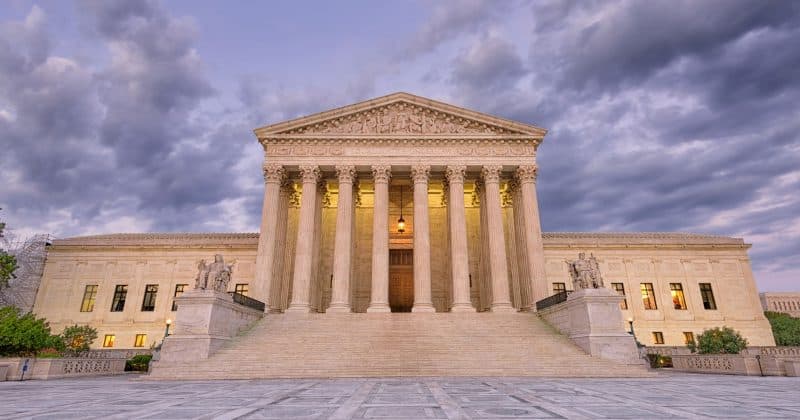
The Supreme Court just handed down a decision that effectively tells the president: you can fire a lot of people, but not the ones who control interest rates.
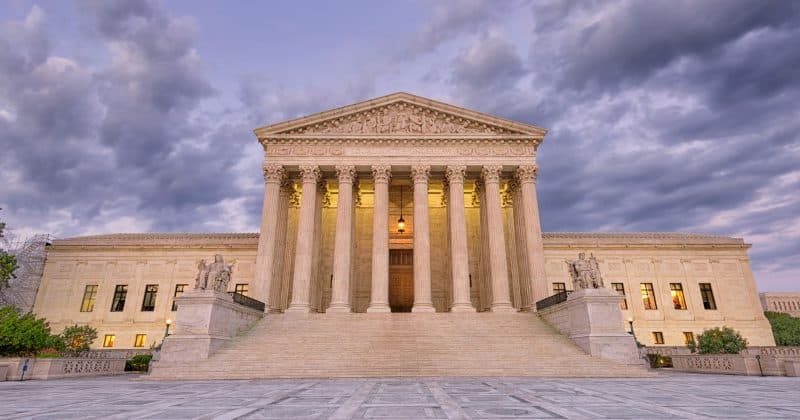
In a pair of rulings issued June 29, the Court voted 5-4 in Trump v. Cook to block President Trump’s effort to immediately remove Federal Reserve Governor Lisa Cook from her position. At the same time, in Trump v. Slaughter, the justices voted 6-3 to dramatically expand presidential authority to terminate officials at other independent agencies like the Federal Trade Commission. The result is a legal framework that treats the Fed as fundamentally different from every other independent regulator in the US government.
Two rulings, one message: the Fed is special
Chief Justice John Roberts authored both opinions. In Trump v. Slaughter, the Court overturned Humphrey’s Executor v. United States, a 1935 precedent that had limited the president’s ability to fire officials at independent agencies. That nearly century-old guardrail is now gone for agencies like the FTC.
But Roberts drew a sharp line at the Fed’s door. The ruling explicitly stated that Fed governors can only be removed “for cause,” preserving the insulation that has defined central banking independence since the Fed’s modern structure took shape. Fed governors serve staggered 14-year terms precisely to prevent any single president from stacking the board. That design survived this legal challenge intact.