Africa’s healthcare sector is facing a familiar challenge: while digital innovations continue to emerge across the continent, few have successfully transitioned from pilot projects into nationally integrated health systems.
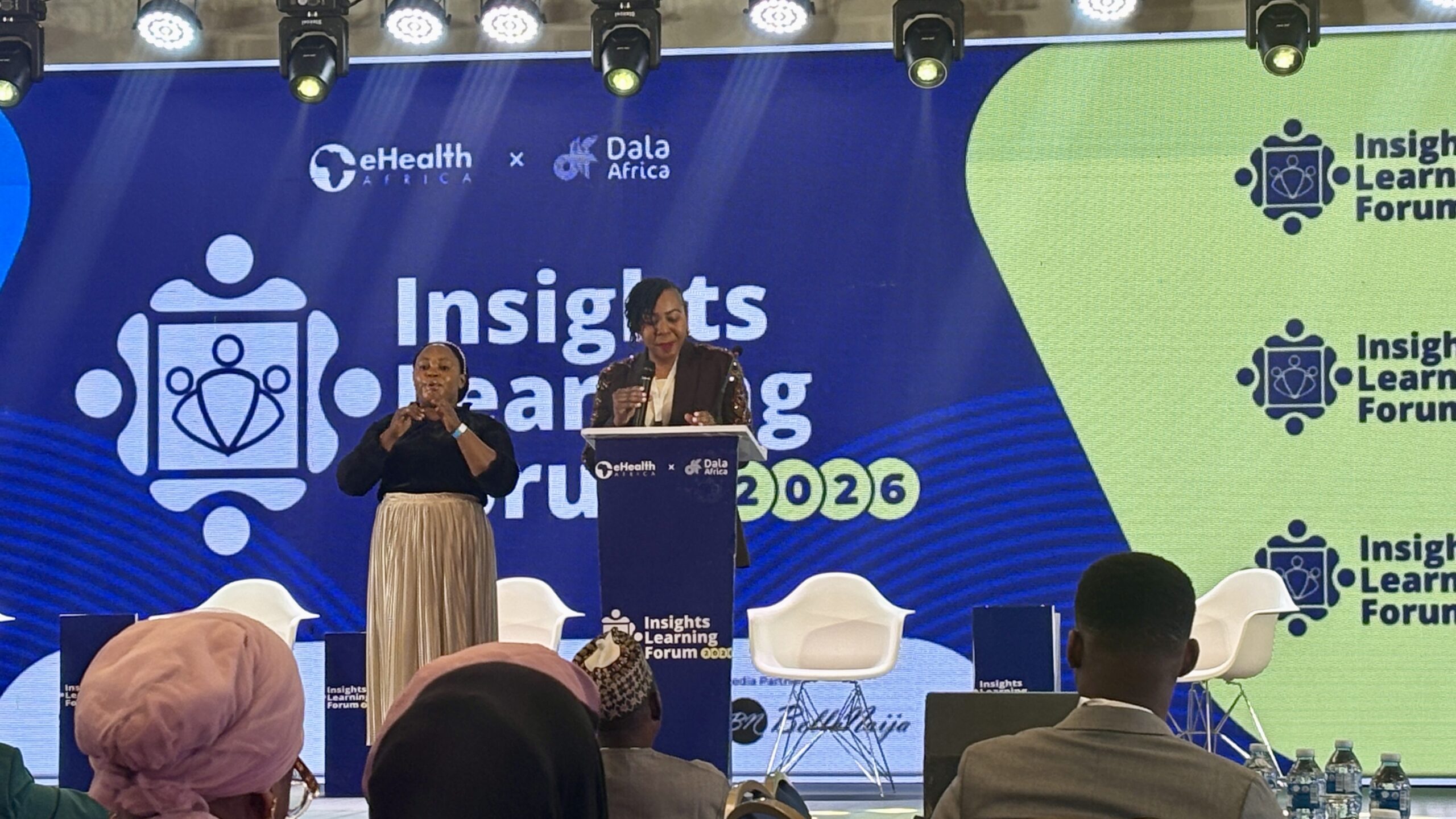
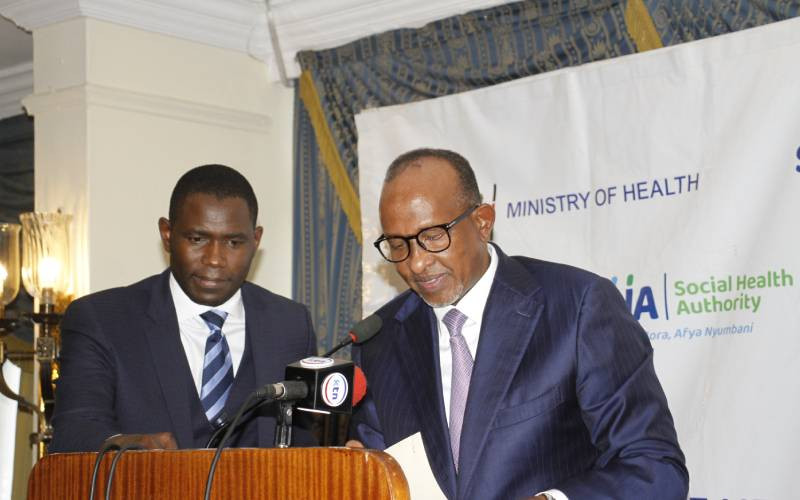
The issue took centre stage at the sixth Africa Digital Health Summit (ADHS) in Abuja, where policymakers, health experts, technology companies and development partners examined how Africa can move promising digital health solutions beyond donor-funded experiments and into routine healthcare delivery.
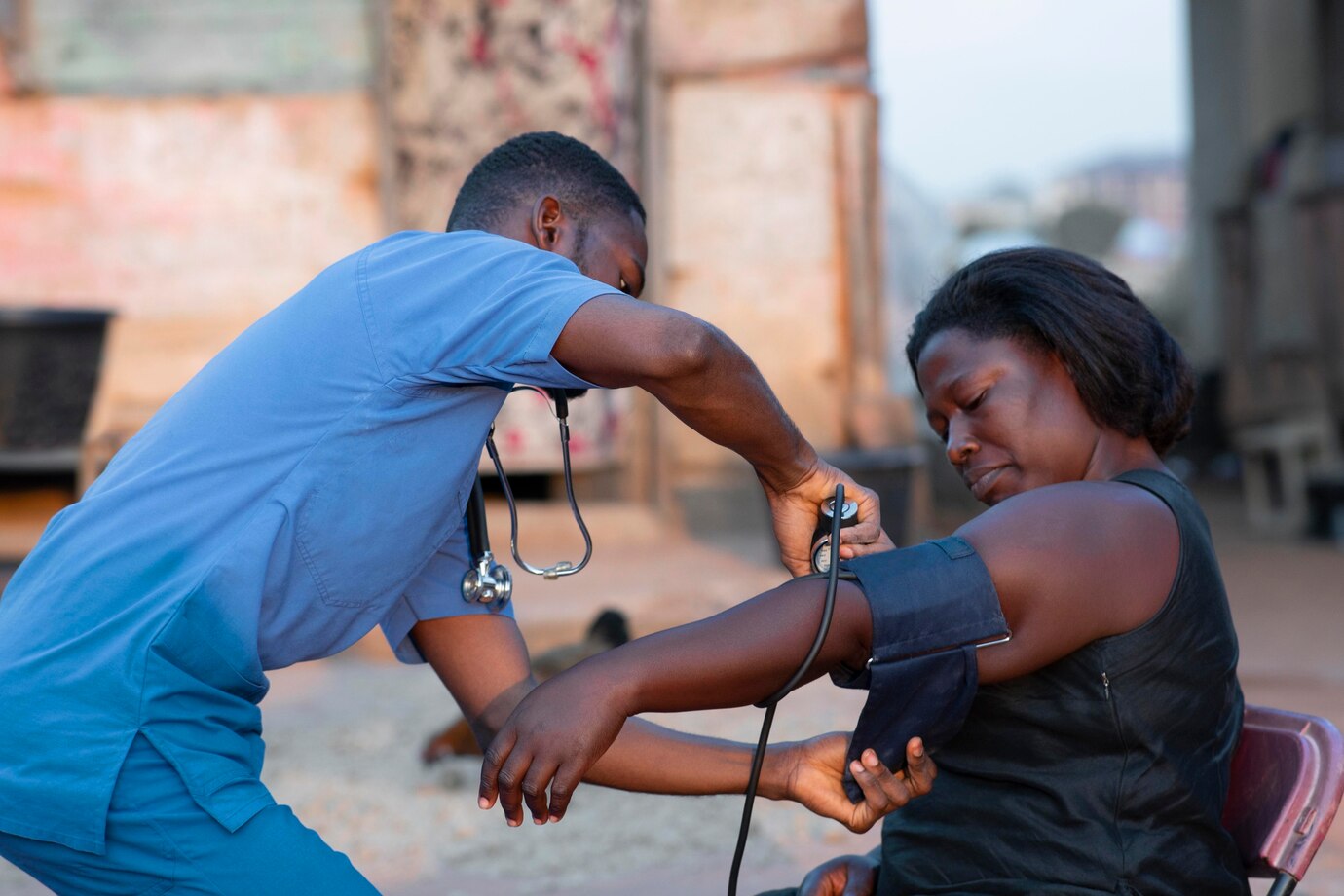
The debate comes as African health systems face mounting pressure from climate-related health threats, disease outbreaks, workforce shortages and constrained public funding. Despite significant investments in digital health over the past decade, experts say many solutions fail to achieve long-term sustainability once pilot funding ends.
Stakeholders at the summit argued that the continent’s next healthcare breakthrough may not come from developing new technologies but from successfully integrating existing innovations into government-owned systems.
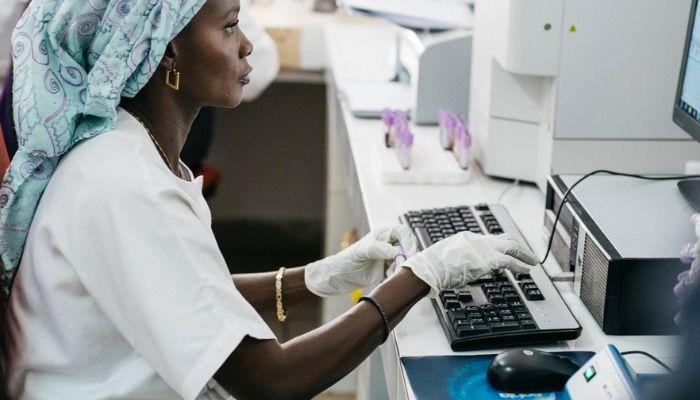
Among the solutions presented was a climate-health vulnerability assessment platform developed by eHealth Africa, designed to help primary healthcare facilities identify and prepare for climate-related health risks. The organisation also demonstrated a digital decision-support tool aimed at improving the management of neglected tropical diseases by frontline health workers.