Africa is experiencing one of the world’s fastest technology expansions. Over 645 million Africans now use mobile internet. Telecommunication companies generate billions in annual revenue, and digital services have transformed banking, trade, and communication. Yet this digital growth has not strengthened citizens’ right to health. Hospitals rely on paper records, clinics lack essential equipment, and emergency response systems remain weak or absent.
Africa carries 24% of the world’s disease burden but employs less than 3% of the global health workforce. This gap limits people’s right to live healthy lives. Governments can rectify this imbalance by using existing mobile networks to deliver basic healthcare, linking telecom profits to health system funding, and aligning digital expansion with access to physical healthcare services.
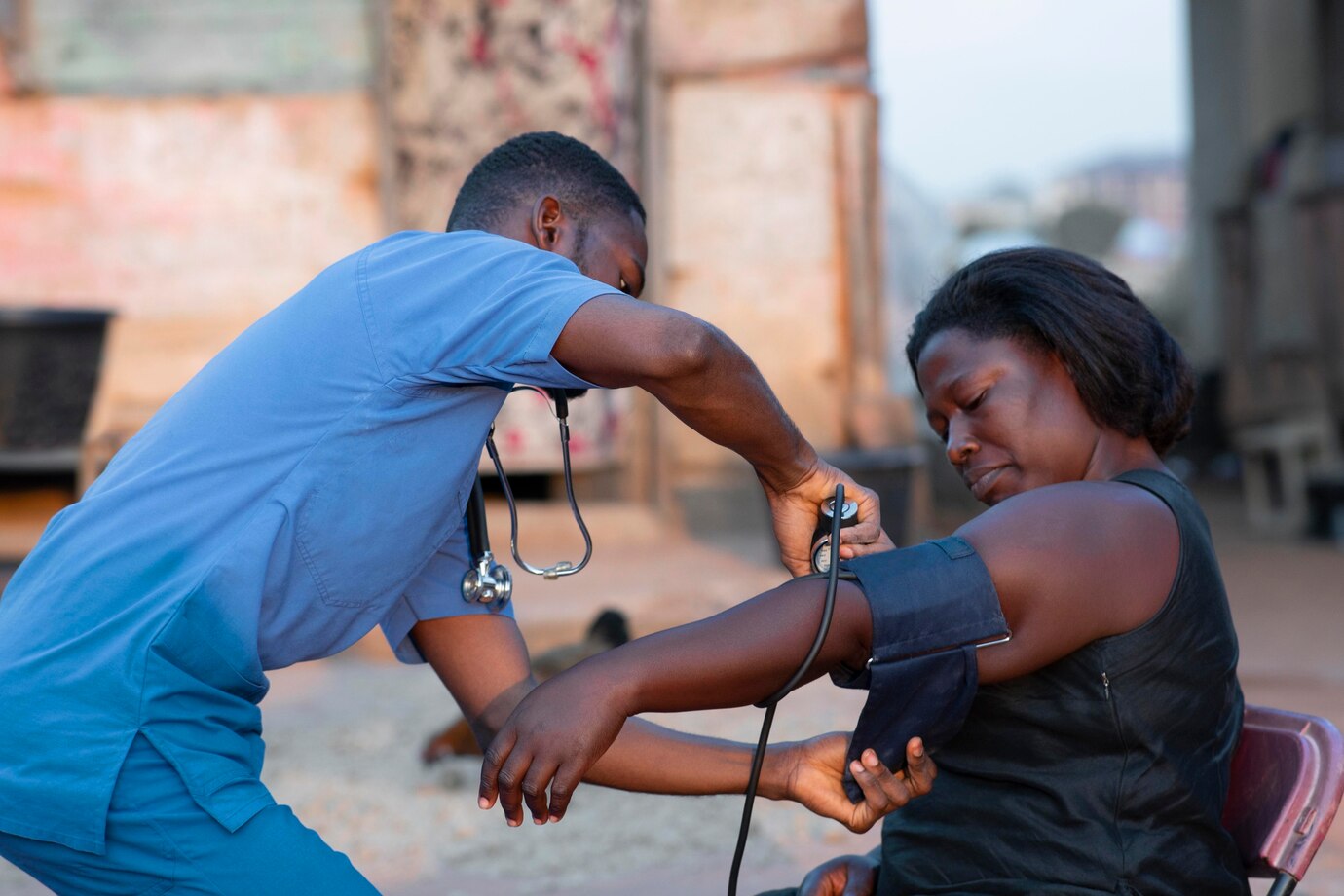
Africa’s digital growth has not resulted in better health outcomes for ordinary citizens. Rural communities often have mobile internet but no nearby clinic, forcing families to travel long distances to access healthcare services and resulting in delayed care. Consequently, many preventable illnesses become deadly, and poor families face high out-of-pocket healthcare expenses.