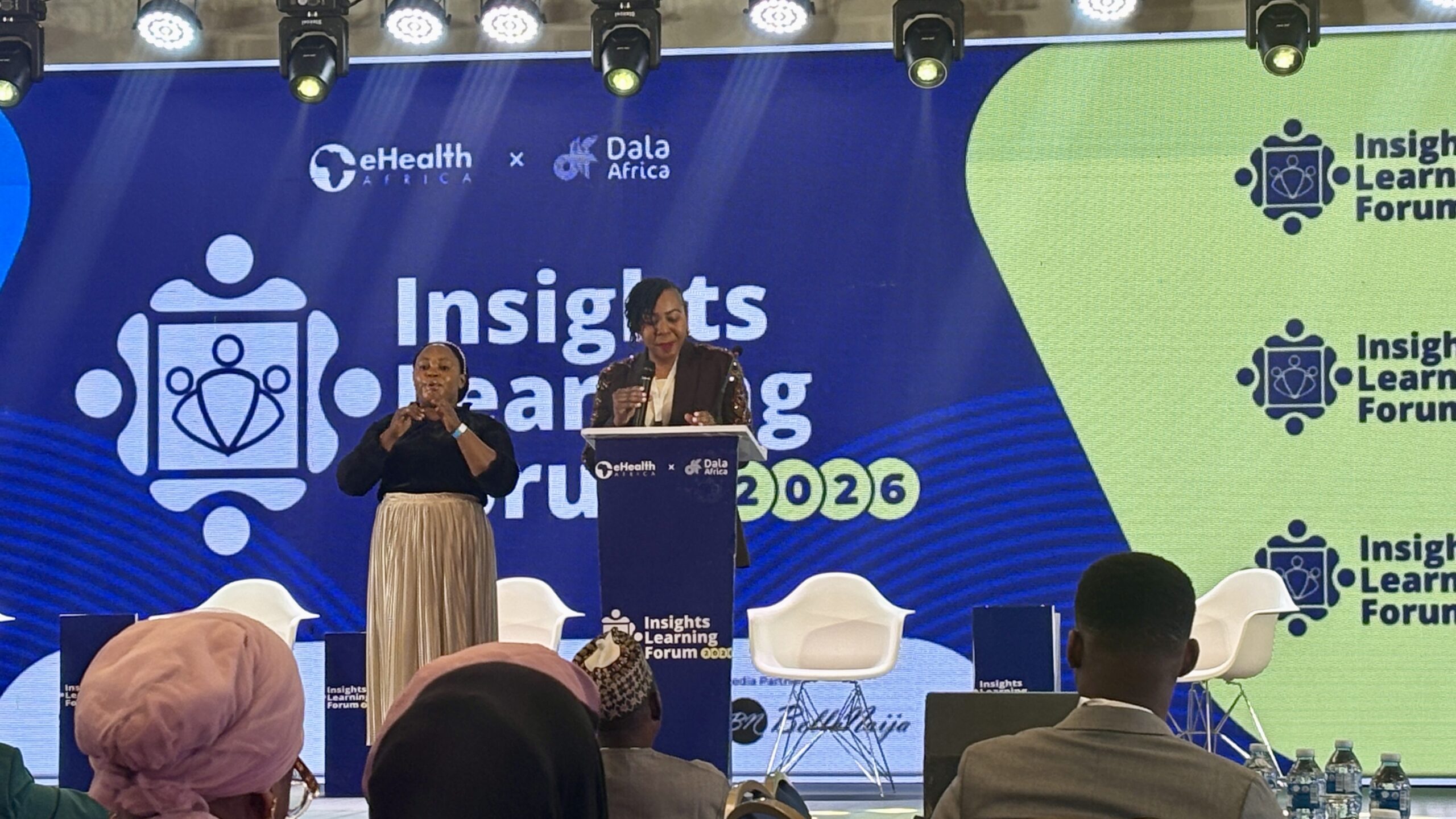
I spent a good part of last week in Abuja, at the 6th Africa Digital Health Summit, in rooms full of people who, whatever our different vantage points, genuinely want the same thing: a health system that works for ordinary, everyday Nigerians. And somewhere between the panels and the corridor conversations, we said out loud what many of us have known privately for years.
Most digital health pilots in Africa never actually make it. They launch beautifully. There is a ceremony, a press release, and a photograph of someone important cutting a ribbon. And then, twelve or eighteen months later, the tool silently disappears. We have become very good at starting things in this sector. We are far less good at making them last.
We have spent over sixteen years at eHealth Africa watching this pattern repeat, and the most useful thing I can offer is that the technology is almost never the reason a pilot dies. The technology usually works. What fails is everything around it.
“There is also a practical truth for the financiers in the room. Fragmentation is expensive. A single ministry juggling five overlapping tools, five reporting cycles and five different data standards costs far more than one connected, interoperable system.”