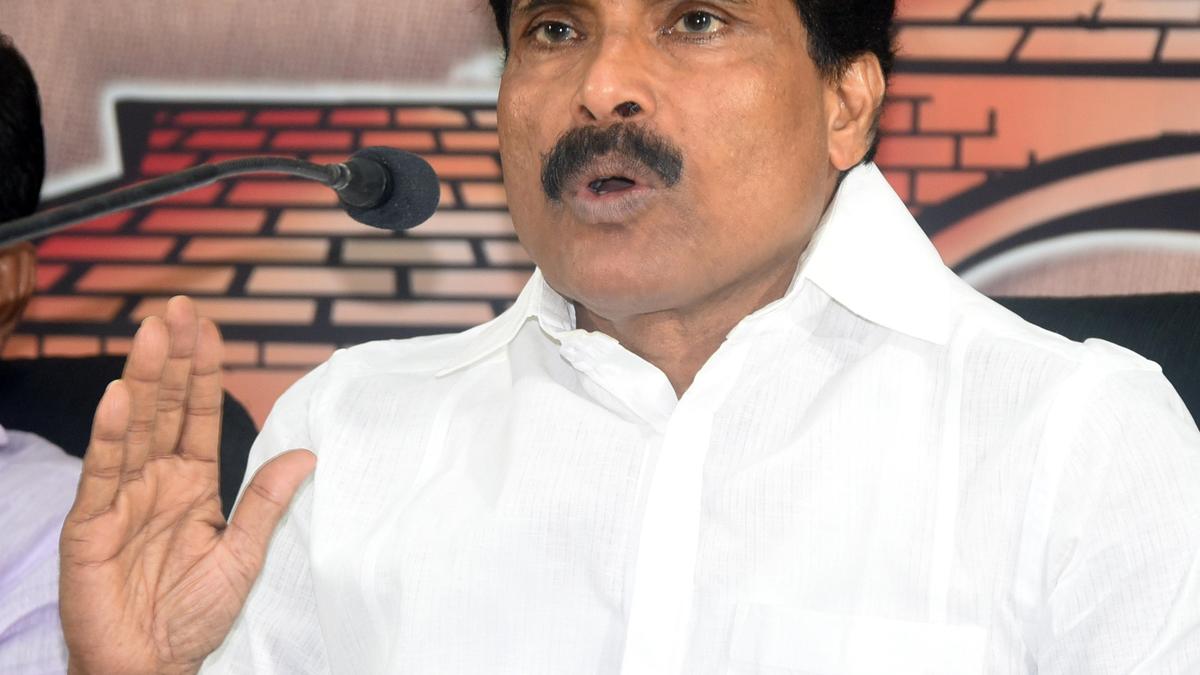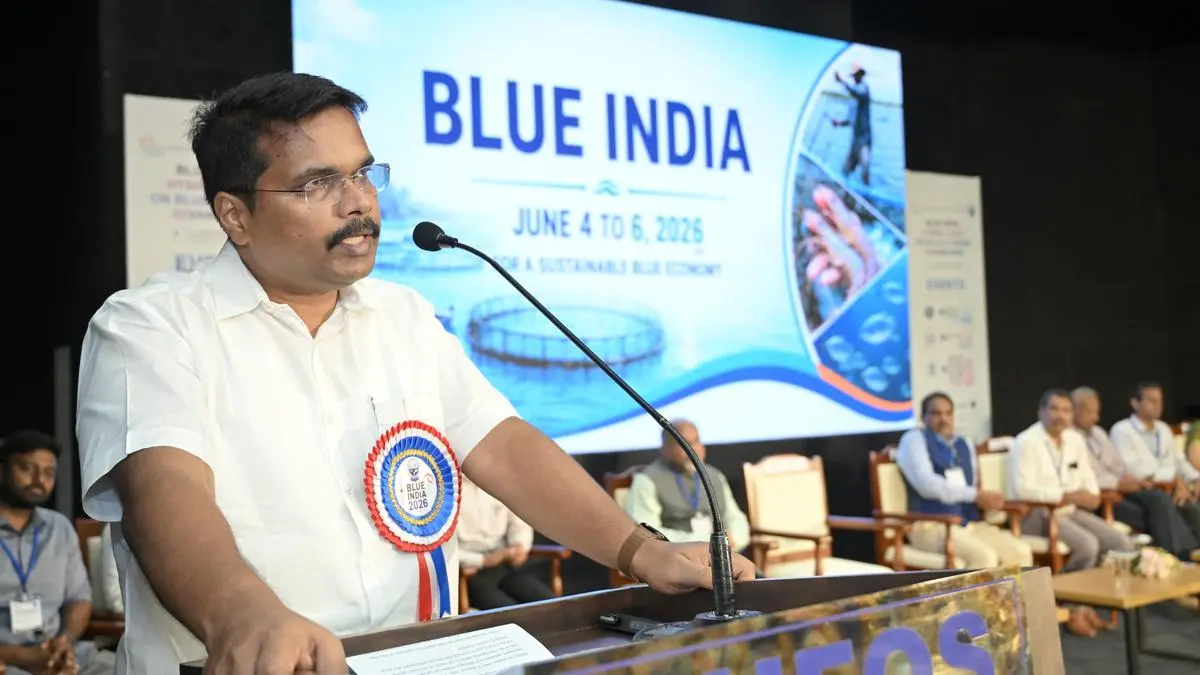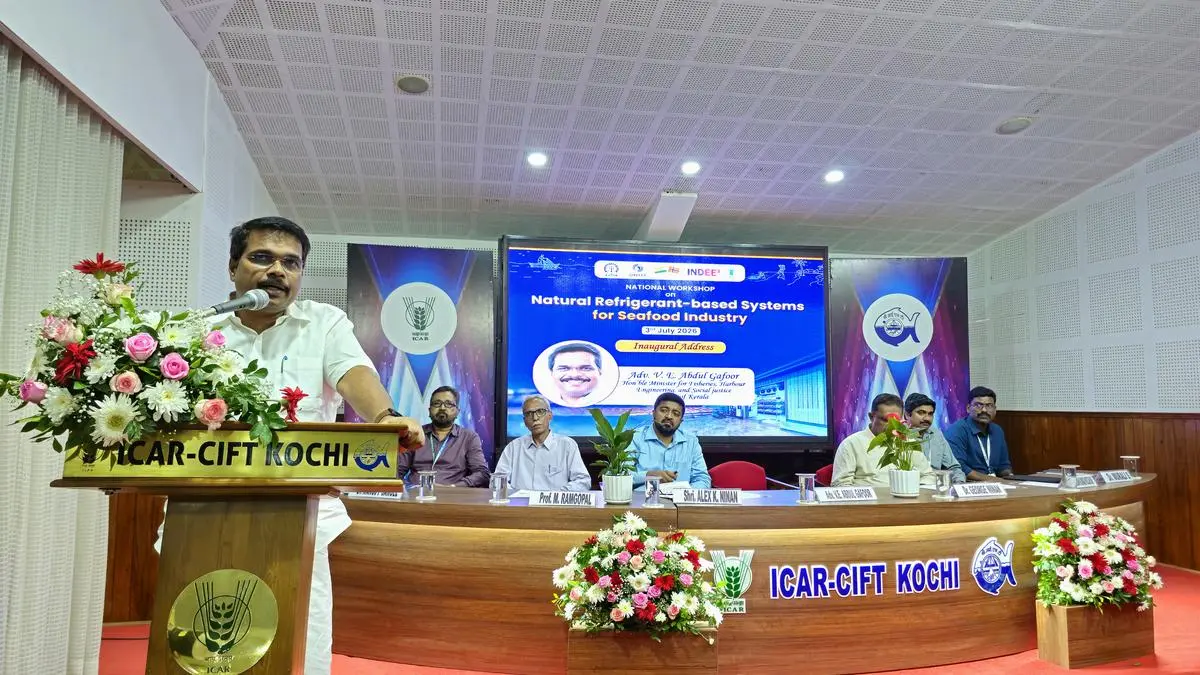
Kerala Fisheries Minister V. E. Abdul Gafoor addressing a workshop organised by CIFT in association with IIT Kharagpur under the INDEE3 Project.
Kerala Fisheries Minister, V. E. Abdul Gafoor has emphasised the importance of adopting energy-efficient and environmentally sustainable refrigeration technologies to strengthen the seafood processing sector.Kerala, being one of India’s leading seafood-producing and exporting states, must continue to embrace innovative cold-chain technologies to enhance product quality, improve export competitiveness, reduce post-harvest losses, and support sustainable development, he said.The Minister was speaking at a workshop on “Natural Refrigerant-based Systems for Seafood Industry” under the INDEE3 Project, supported by the Norwegian Ministry of Foreign Affairs organised by Central Institute of Fisheries Technology in association with IIT Kharagpur.George Ninan, Director, ICAR-CIFT stressed the need for accelerating the adoption of natural refrigerants such as carbon dioxide (CO₂), ammonia (NH₃), and hydrocarbons for developing climate-friendly refrigeration systems for the seafood industry.He said that the workshop provides an important platform for collaboration among research institutions, industry, and policymakers to promote sustainable refrigeration technologies.M. Ramgopal, IIT Kharagpur, highlighted the objectives and achievements of the INDEE3 Project, while Alex K. Ninan, Vice President, Seafood Exporters Association of India (SEAI), emphasised the growing importance of energy-efficient refrigeration systems in improving the competitiveness of India’s seafood export industry.The technical programme featured invited lectures on energy use optimisation in seafood processing, cold-chain solutions, technology transformation in the seafood industry, natural refrigerant-based refrigeration systems, refrigeration safety, and multi-temperature refrigeration systems. Experts from premier research institutions, academia, and the refrigeration industry shared recent developments in low global warming potential refrigeration technologies and energy-efficient cold-chain solutions.Published on July 3, 2026