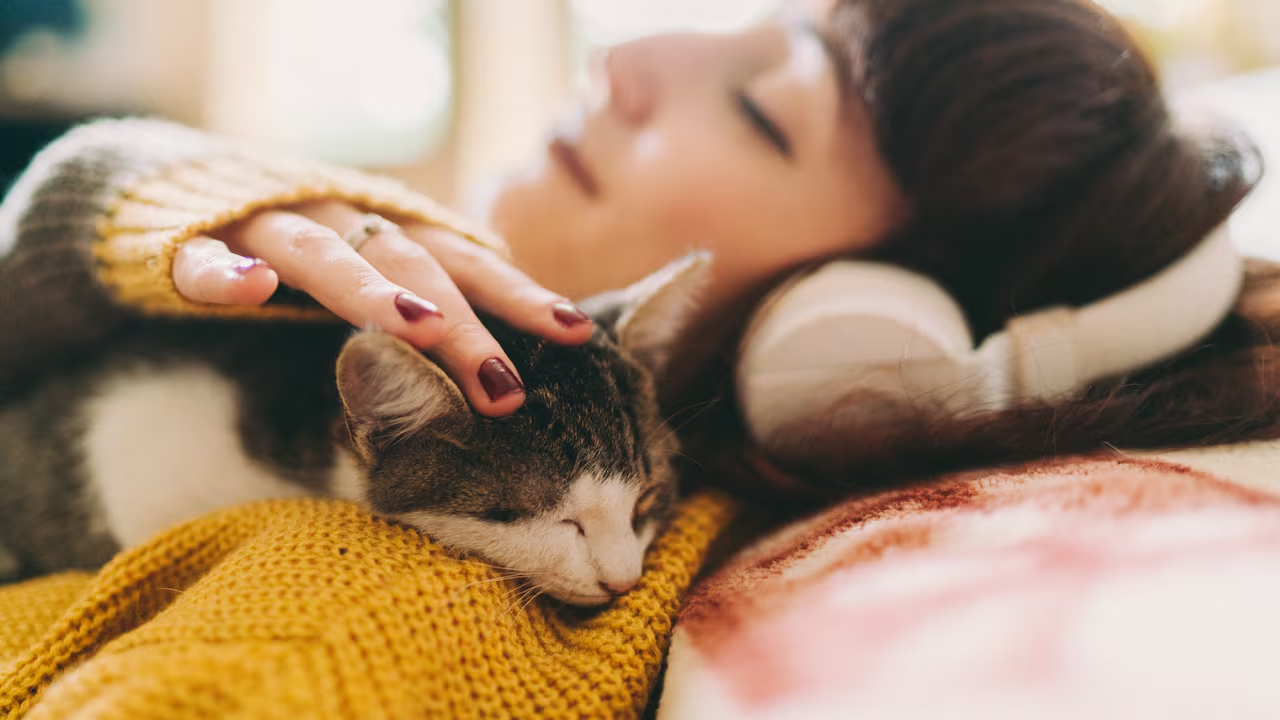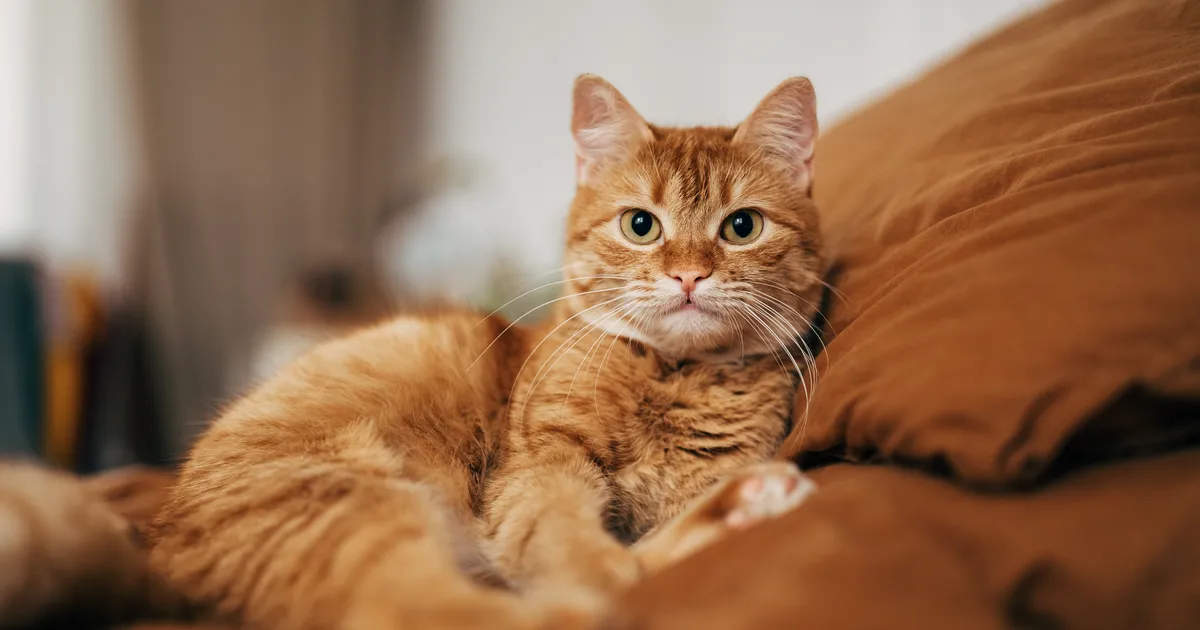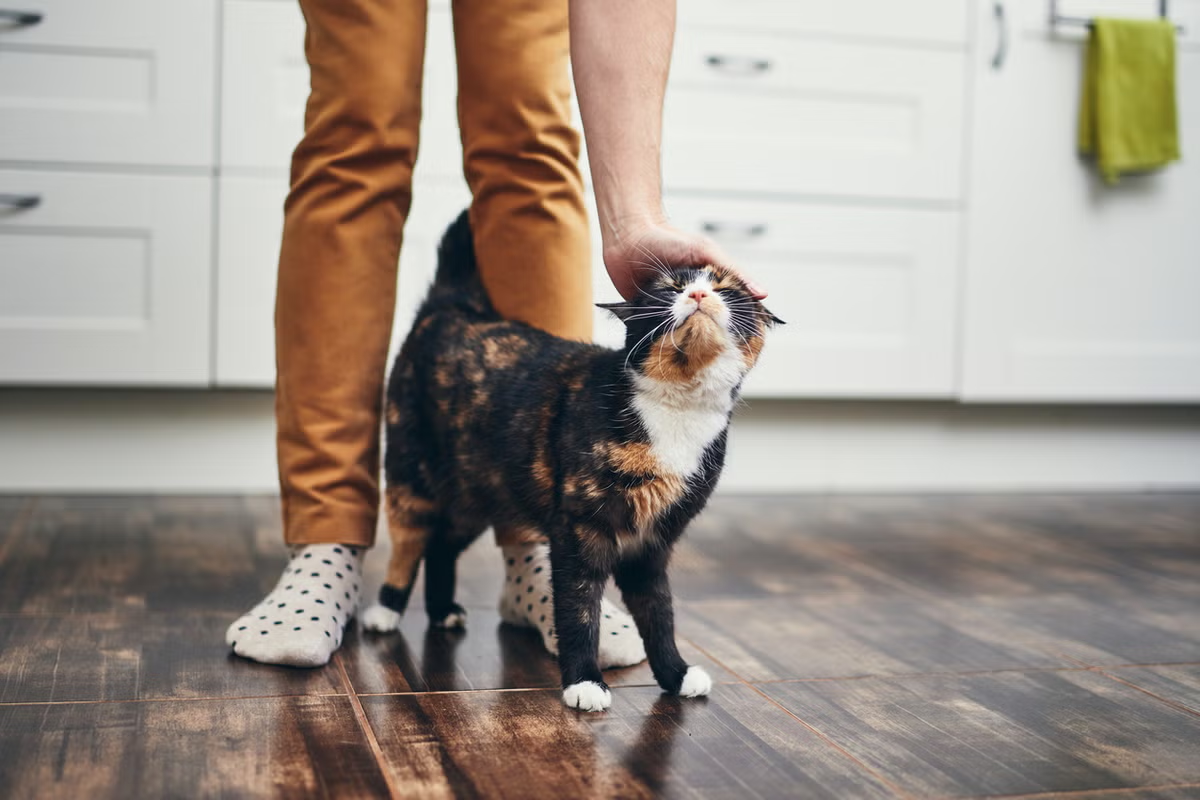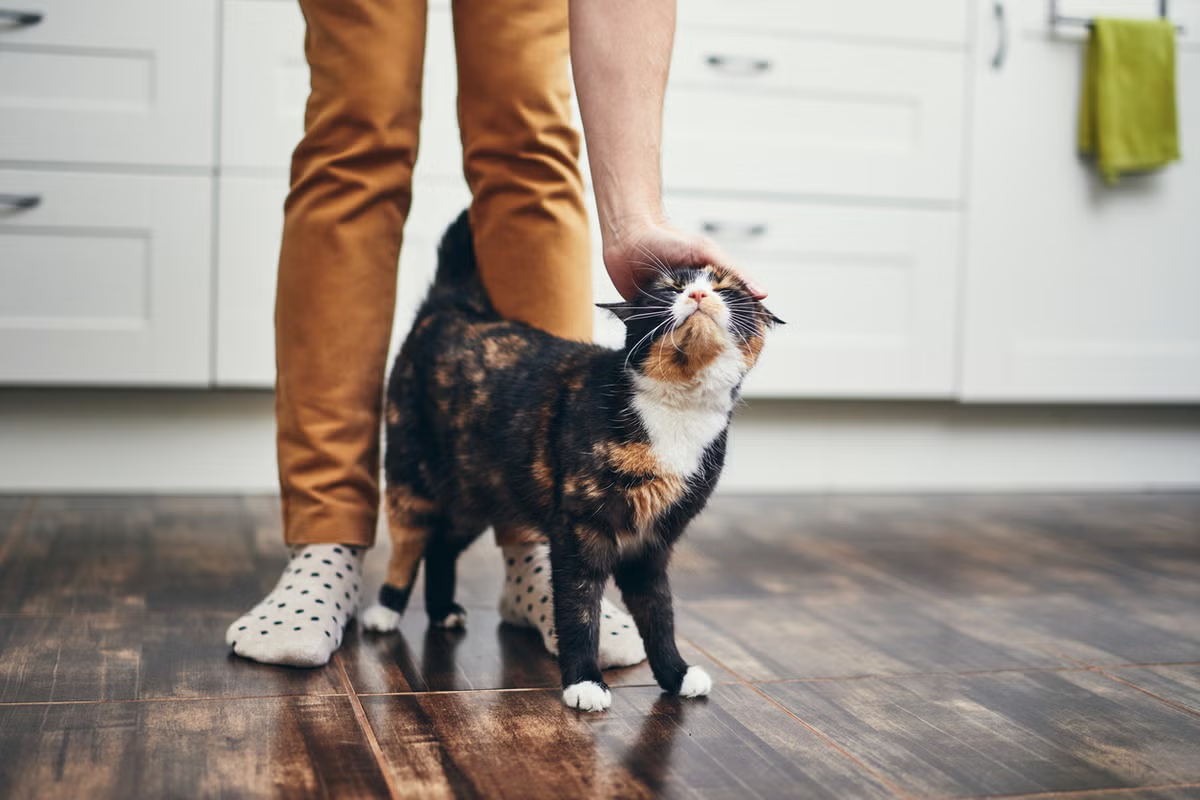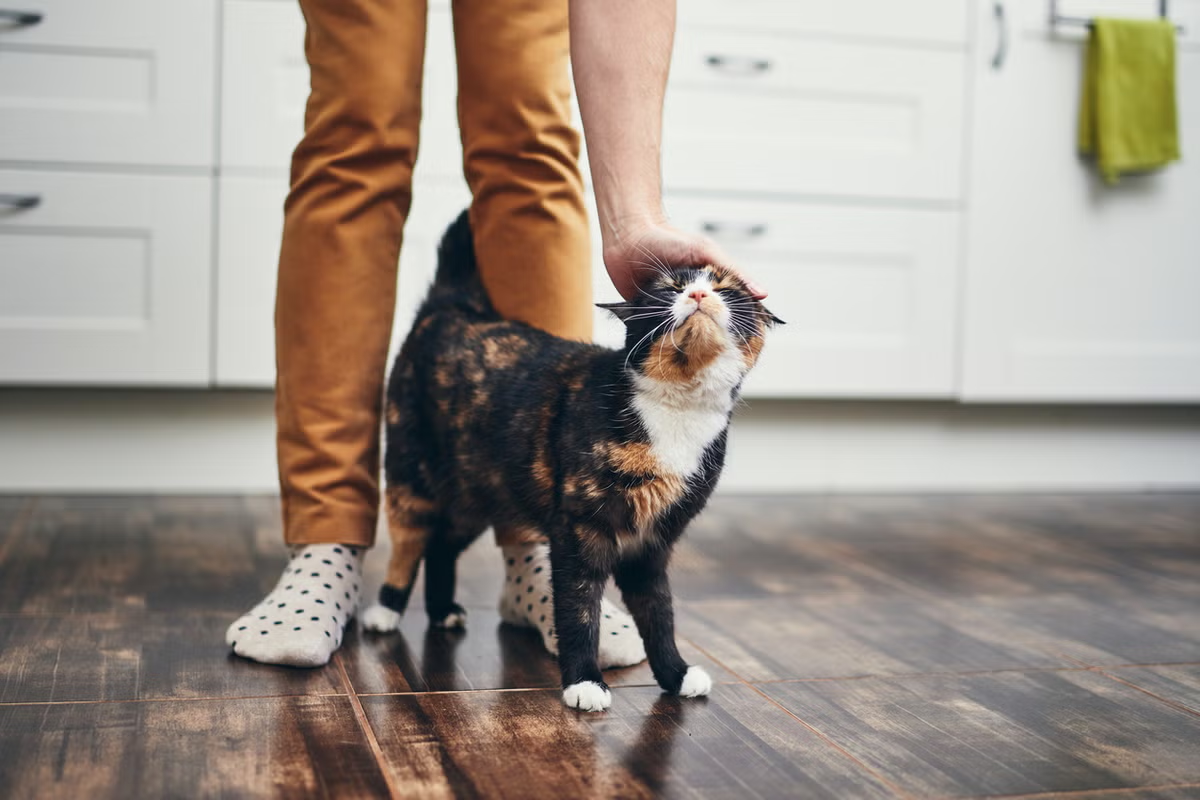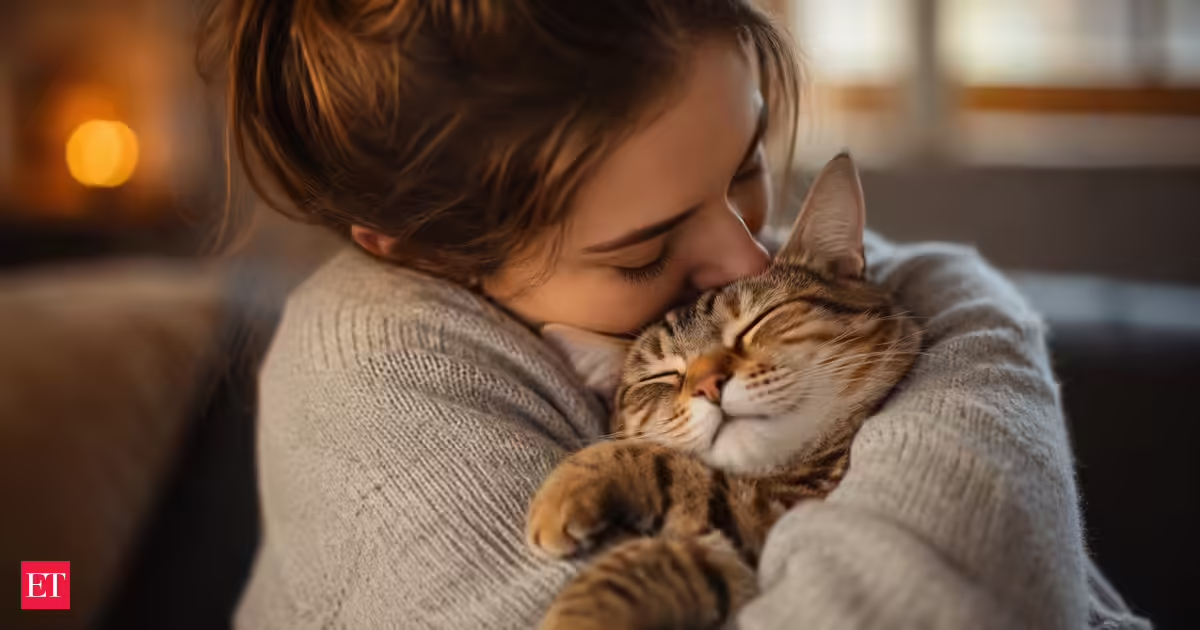
Cats have a reputation for doing things on their own terms, but that doesn't mean they aren't loyal. In fact, cats now live in millions of American homes, with the latest data from the American Veterinary Medical Association showing they are among the nation's most popular pets. While dogs often get the spotlight for unconditional loyalty, scientists and veterinarians say cats form deep emotional bonds too—they simply express them differently.If your cat waits by the door, follows you from room to room, or curls up beside you every evening, those behaviors may be signs of genuine attachment rather than coincidence. As more Americans spend time at home with their pets, researchers are learning that feline loyalty is far more complex—and more rewarding—than the old stereotypes suggest.Why do some people think cats aren't loyal?For decades, popular culture has painted cats as distant, independent, and interested only in food. That image has been reinforced by movies, television, and countless internet jokes comparing cats with eager-to-please dogs. But animal behavior experts say the comparison isn't entirely fair because the two species communicate affection in different ways.Can cats really be loyal? Scientists say millions of pet owners have been misreading feline love for yearsUnlike dogs, cats evolved as more solitary hunters. They don't usually jump with excitement every time someone walks through the door, but that doesn't mean they don't recognize or value the people they trust. Researchers have found that many cats become attached to their caregivers through consistent routines, positive experiences, and a sense of security. Instead of seeking constant attention, they often show loyalty through quieter behaviors that are easy to overlook.What are the real signs that your cat trusts and loves you?Veterinarians say loyal cats often display their affection through subtle everyday actions. A cat that follows you into different rooms isn't necessarily being curious—it may simply enjoy being close to someone it feels safe with. Slow blinking, gentle head bumps, purring while resting beside you, and choosing your lap over an empty chair are also considered positive signs of trust.Can Cats Really Be Loyal? 40% of U.S. Homes Have Cats—New Research Reveals Surprising Signs of Deep Feline LoyaltyMany owners notice their cats greeting them after work, sleeping near them every night, or bringing favorite toys as if they want to share something important. These behaviors aren't random. Animal behavior specialists explain that cats remember positive interactions and associate familiar people with comfort, protection, and stability.ALSO READ: Could this $5 frozen dog bowl DIY be the smartest summer trick every pet parent needs to keep dogs cool and happy?Scientists have also discovered that cats can recognize their owners' voices, distinguish familiar scents, and respond differently to family members than they do to strangers. Together, these findings suggest that the bond between cats and people goes well beyond feeding time.Can you make your cat more loyal over time?The good news is that trust can grow. Experts say loyalty isn't something cats are simply born with—it develops through regular, positive experiences. Cats thrive on routine, so feeding them at consistent times, creating opportunities for daily play, and respecting their personal space all help strengthen the relationship.Interactive toys, climbing spaces, and quiet areas where cats can relax without interruption also contribute to their emotional well-being. Rescue cats or pets that have experienced stress may need extra patience, but many gradually become deeply affectionate once they feel secure in their new home.ALSO READ: Could this unexpected small pet overtake cats in 2026? See which animals are dominating America's most popular pets list this yearPunishment, loud corrections, or forcing physical affection can damage that trust. Instead, veterinarians recommend rewarding calm behavior and allowing the cat to decide when it wants interaction. Over time, these small daily moments often lead to stronger emotional connections.The next time your cat quietly follows you into the kitchen, waits outside the bathroom door, or settles beside you during a quiet evening, don't dismiss those actions as habit. Researchers now understand that many cats build meaningful, lasting relationships with the people they trust. Their loyalty may not always be loud or dramatic, but for millions of American pet owners, it's one of the most rewarding parts of sharing life with a feline companion.
Can cats really be loyal? Scientists say millions of pet owners have been misreading feline love for years
Can cats be loyal? Science says yes, and millions of American cat owners see proof every day. Cats may not wag their tails, but they build strong emotional bonds through trust, routine, and shared experiences. Research shows many cats recognize their owners, seek comfort, and form secure attachments. These quiet signs challenge old myths.
702 words~3 min read