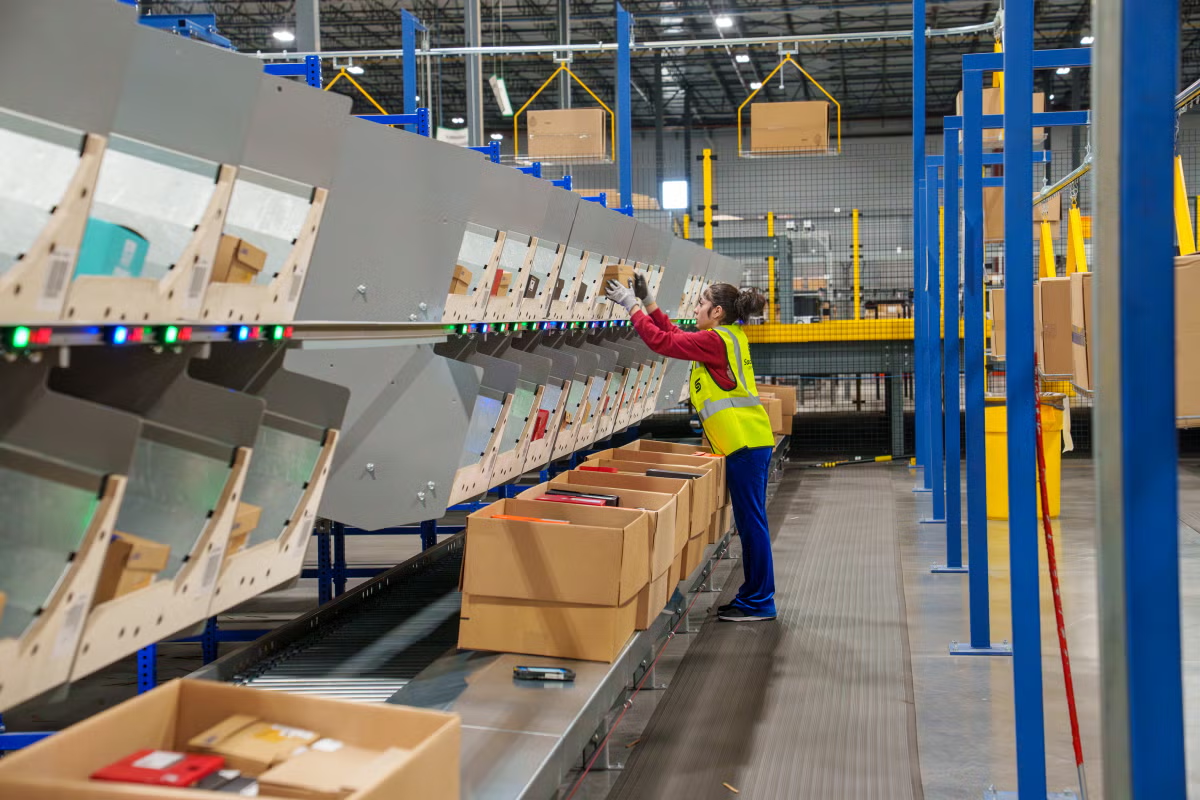
For most of software history, the supply chain was the thing nobody wanted to touch. A monolith in the basement. Order in, inventory pulled, package out. It worked fine right up until e-commerce raised the overall demand and customers started expecting two-day delivery from a five-person shop.
That old model cracked because it assumed the world sat still. It doesn't. So teams stopped treating fulfillment as a locked black box and started treating it like something you can actually call from code.
What does an API-driven fulfillment architecture look like?
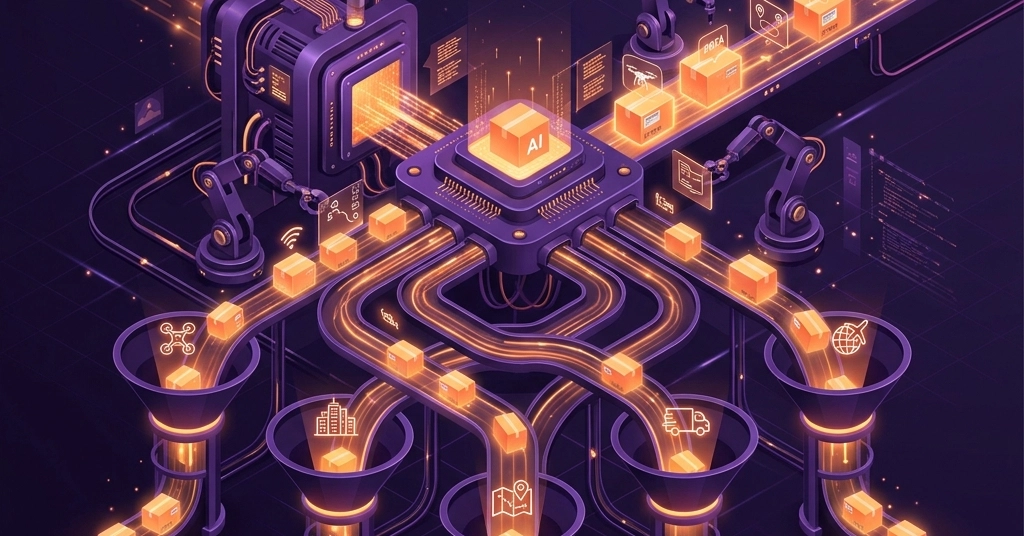
You break the monolith into pieces that each do one job well. Inventory visibility, order routing, carrier selection, and last-mile coordination. Each one lives behind a documented API. Instead of a single rigid system, you get modular services you can swap, reroute, or reconfigure without a full rebuild. If that pattern feels familiar, it should. It's basically the thinking behind microservices applied to physical goods.
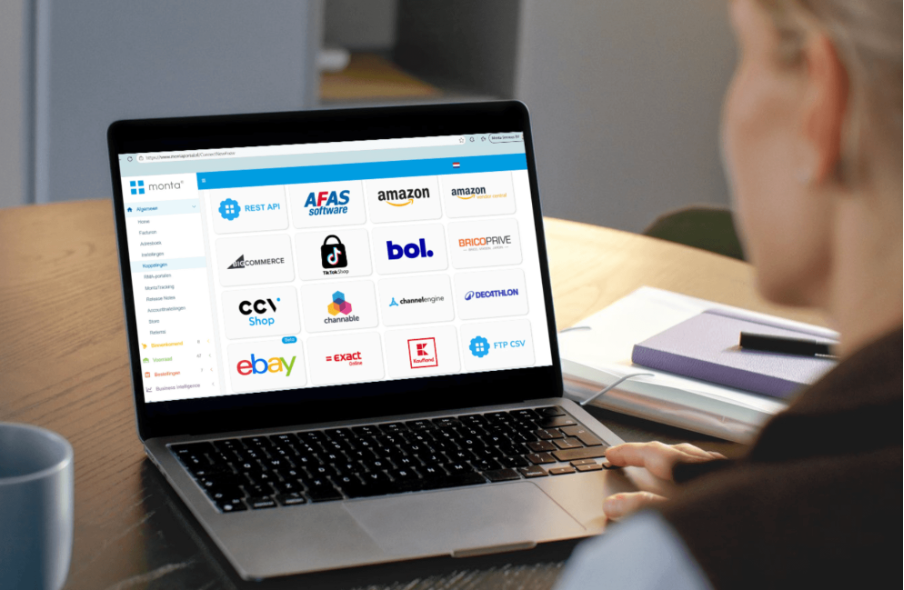
The nice part is what opens up once those endpoints exist. Your storefront can check real inventory before it confirms an order, while your CRM shows a delivery window without a human looking for it. Logistics reroutes around a carrier delay automatically, and data that used to rot in isolated systems becomes something every touchpoint can query in real time. That single move is what pushes real supply chain digital transformation from a slide deck into production.