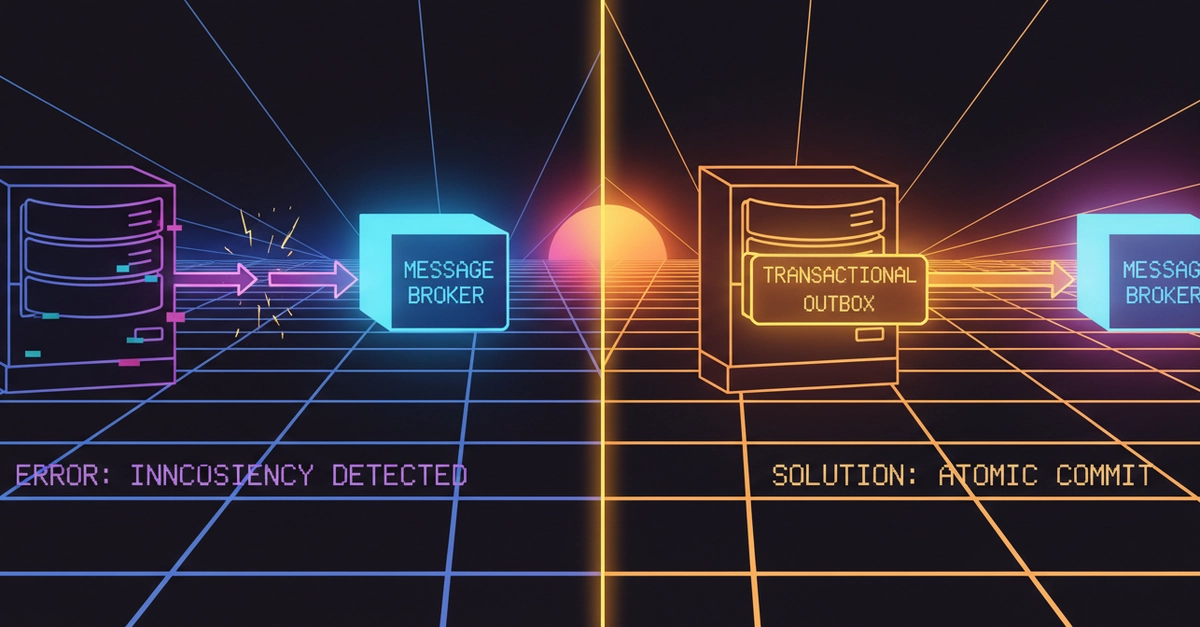
When scaling an enterprise backend, a massive architectural trap is tight coupling. If your order placement service directly calls your inventory allocation service via a synchronous HTTP request, a minor lag spike or service failure on the inventory side will instantly crash the entire checkout funnel.
The Problem with Synchronous Dependencies
In a tightly coupled system, if your database takes too long to process an inventory write log, the API gateway times out, the front-end throws an error, and the user abandons their shopping cart.
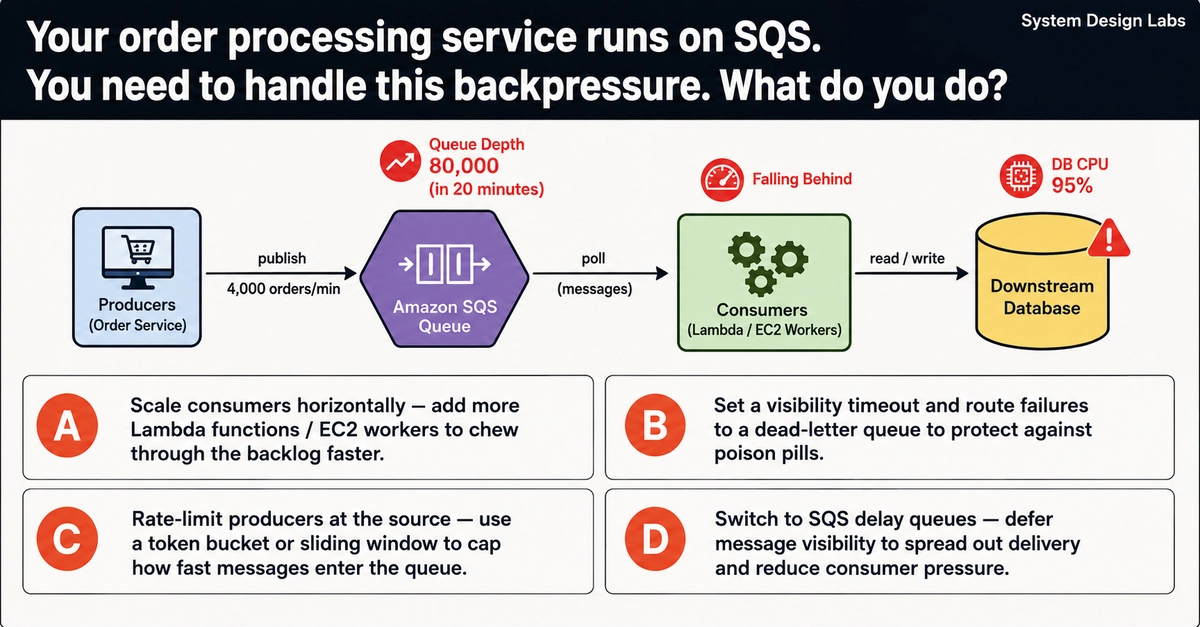
To build a reliable platform, you must introduce asynchronous message queues (like AWS SQS or RabbitMQ) to decouple these processes. Your checkout service shouldn't care how the inventory is allocated; it should simply publish an immutable message and instantly return a 202 Accepted status to the user.
Implementing an Asynchronous Worker Pool