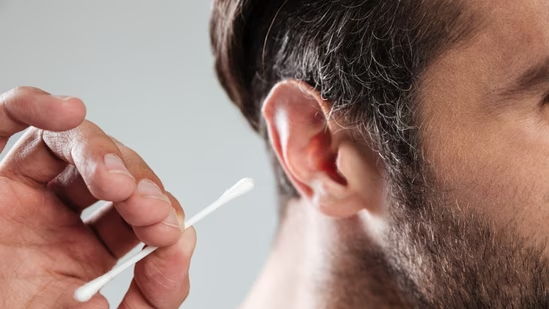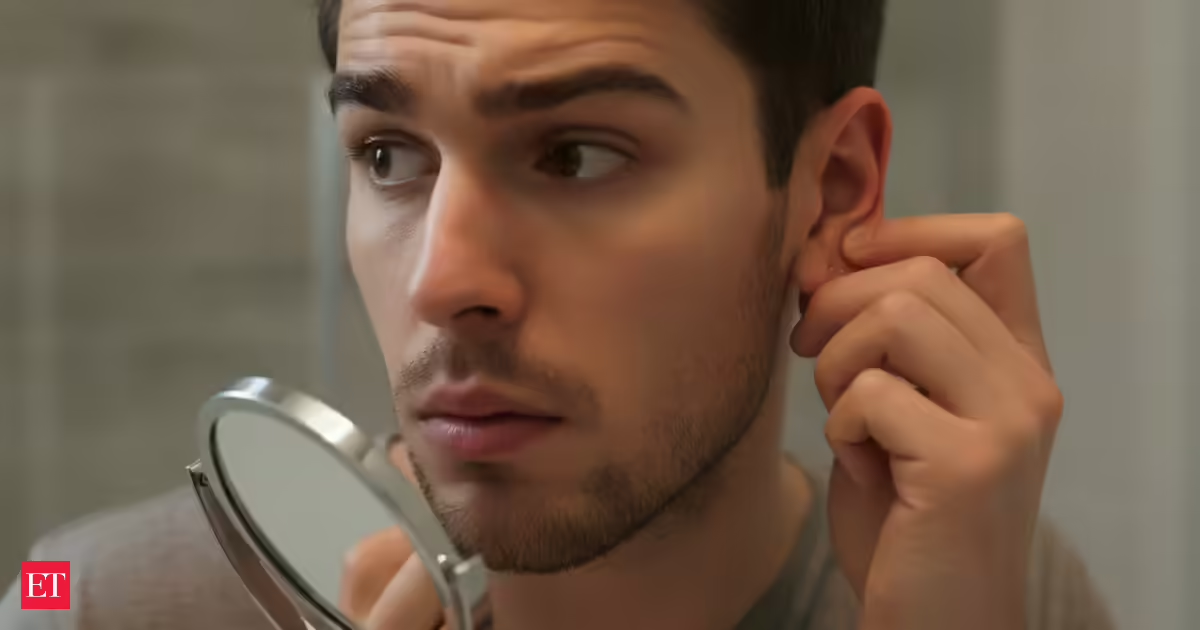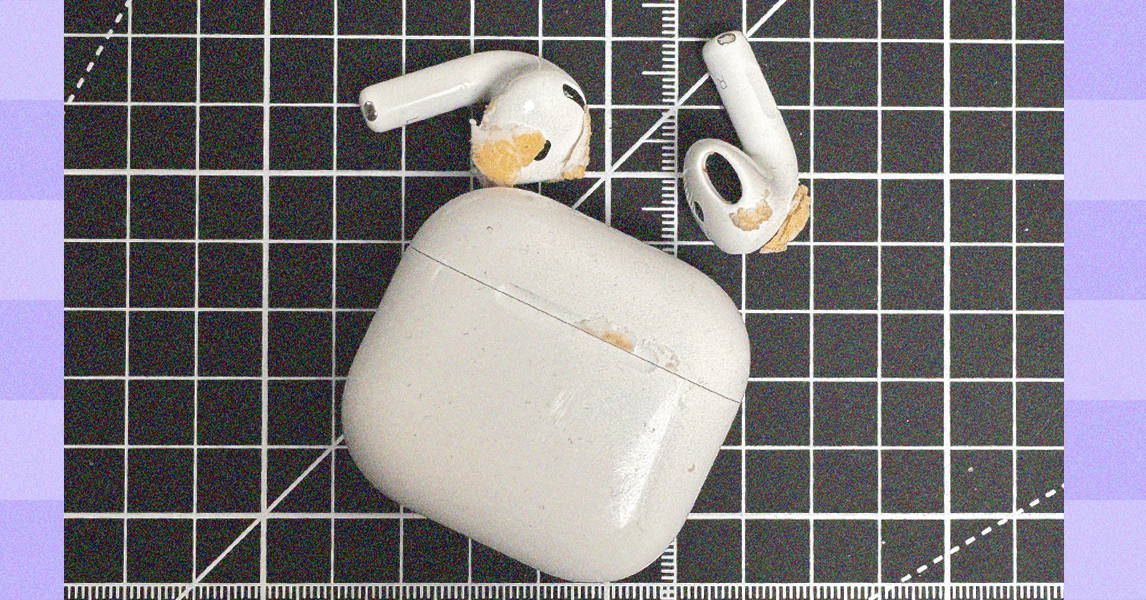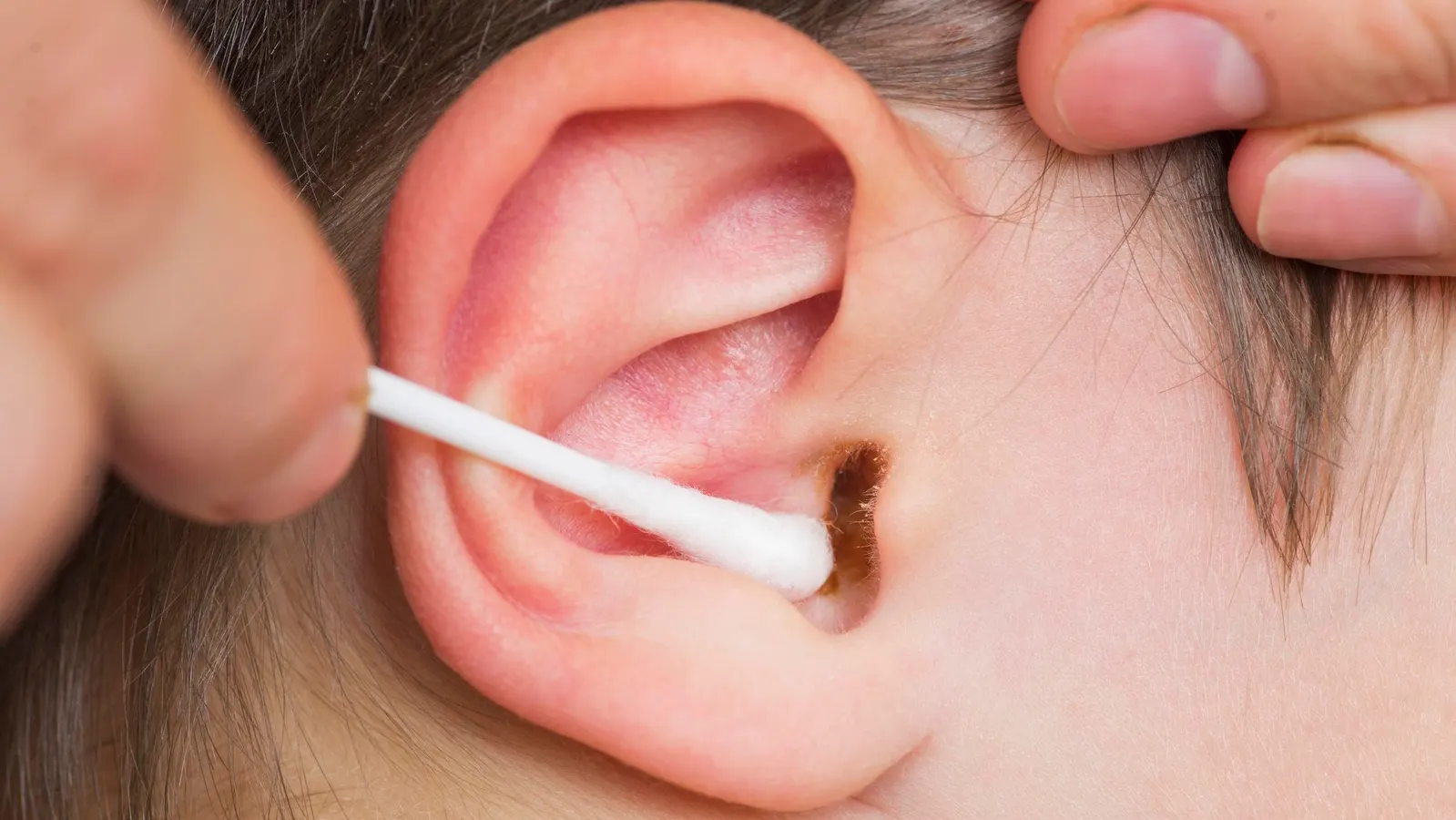
Your earwax isn’t dirt; it’s a purpose-built substance doing several jobs at once, and one small genetic switch decides which version you have.gettyEarwax, known clinically as cerumen, isn’t waste your body is trying to expel. It’s manufactured on purpose. The outer third of the ear canal is lined with two types of glands: sebaceous glands, which produce an oily substance called sebum, and specialized sweat glands called ceruminous glands. Their combined output mixes with shed skin cells and trapped hair to form what we call earwax. Far from being a nuisance, biologists generally regard it as a protective coating for one of the body’s more delicate structures: the eardrum sits at the end of that canal, and it doesn’t have much else defending it.What Earwax Actually DoesEarwax earns its keep in a few concrete ways. It’s mildly acidic and contains compounds with antimicrobial properties, which helps discourage bacteria and fungi from colonizing the ear canal, which is a warm, dark and humid environment. In other words, exactly the conditions microbes like. Its stickiness traps dust, pollen and small debris before they can reach the eardrum, and it also functions as a mild water repellent, helping keep the canal from staying wet after a shower or swim.There’s also a self-clearing mechanism most people never think about. Everyday jaw movement, like chewing or talking, physically works old wax and the skin cells riding along with it toward the outer ear, where it dries, flakes and falls away on its own. This is the main reason ear-nose-throat specialists advise against routine cleaning: the ear is built to do it automatically.This is where the biology runs into a very common human habit. Inserting a cotton swab doesn’t remove earwax so much as relocate it, pushing a portion deeper into the canal, past the point where the self-clearing mechanism can move it back out. Repeated over months or years, this can compact wax against the eardrum, a condition called impaction, which can cause muffled hearing, discomfort or ringing. The irony biologists point to often is that the instinct to keep ears “clean” is what creates most of the earwax problems doctors actually see.MORE FOR YOUWhy ‘Earwax Type’ Differs Between PeopleHuman earwax comes in two distinct forms:A sticky, brownish “wet” type common across Europe and AfricaA dry, flaky, pale type that predominates in East Asia and among Indigenous populations of the AmericasThis difference traces back almost entirely to a single gene, ABCC11, identified in a 2006 study in Nature Genetics, which affects how much of the oily, lipid-rich material the ceruminous glands secrete. People carrying two copies of one version of the gene produce so little of that oily component that their earwax is barely wax at all, it’s dry enough to crumble away rather than build up, which is the practical sense in which some people “can't make” the wet type most Westerners think of as normal earwax. That same 2006 study in Nature Genetics found the mutation is carried by the large majority of East Asian populations and only rarely appears in Africa, a distribution that roughly tracks ancient human migration out of Africa into northeast Asia. A 2011 study in Molecular Biology and Evolution dug into why the pattern persisted, finding evidence that natural selection acted on the mutation in East Asian populations, though whether it ever offered a genuine survival advantage is still debated.What Your Earwax Can Tell A DoctorBecause earwax forms slowly from secretions and trapped material, it ends up carrying more medical information than most people realize. The clearest example is a rare inherited metabolic disorder called maple syrup urine disease, in which the body can’t properly break down certain amino acids. Affected newborns’ earwax, along with their urine and sweat, takes on a distinctive sweet smell, caused by a compound identified in a 1999 study in the Journal of Inherited Metabolic Disease, and clinicians have long used that odor as an early clue, sometimes evident within a day or two of birth, well before lab results confirm it. It’s an unusual case of a disease essentially announcing itself through scent.Earwax buildup itself is also a bigger clinical issue than its reputation suggests. According to a 2017 clinical guideline in Otolaryngology–Head and Neck Surgery, excessive or impacted cerumen is one of the most common, and most overlooked, causes of reversible hearing loss, particularly in older adults and hearing-aid wearers, where wax can accumulate against a device rather than clear normally. It’s frequently mistaken for age-related hearing decline when a simple removal restores hearing fully.More recently, researchers have started exploring earwax as a stress biomarker. Measuring the hormone cortisol reliably over time is notoriously difficult with blood or saliva, since levels spike and fall throughout the day; hair samples help but require enough hair and weeks to accumulate a usable signal. Investigators at UCL and King’s College London have piloted extracting cortisol directly from earwax instead, reporting in a 2020 study in Heliyon that it yields a more stable, longer-term reading with a much smaller, faster sample. It’s early-stage work, but a plausible future tool for tracking chronic stress or conditions like Cushing’s syndrome.None of this makes earwax pleasant to think about. But it;s a good example of how the body’s small, overlooked byproducts often turn out to be doing, or revealing, more than their reputation suggests.Turns out something as small as earwax carries this much biology. Curious how much you actually know about the rest of your body? Test yourself with this science-backed quiz: Human Anatomy IQ Test
A Biologist Explains Why Humans Have Earwax (Hint: Some People Can’t Make It)
Earwax isn't dirt — it's an antimicrobial secretion split into two genetic types, tied to hearing loss risk, and able to flag a rare disease in newborns.
918 words~4 min read