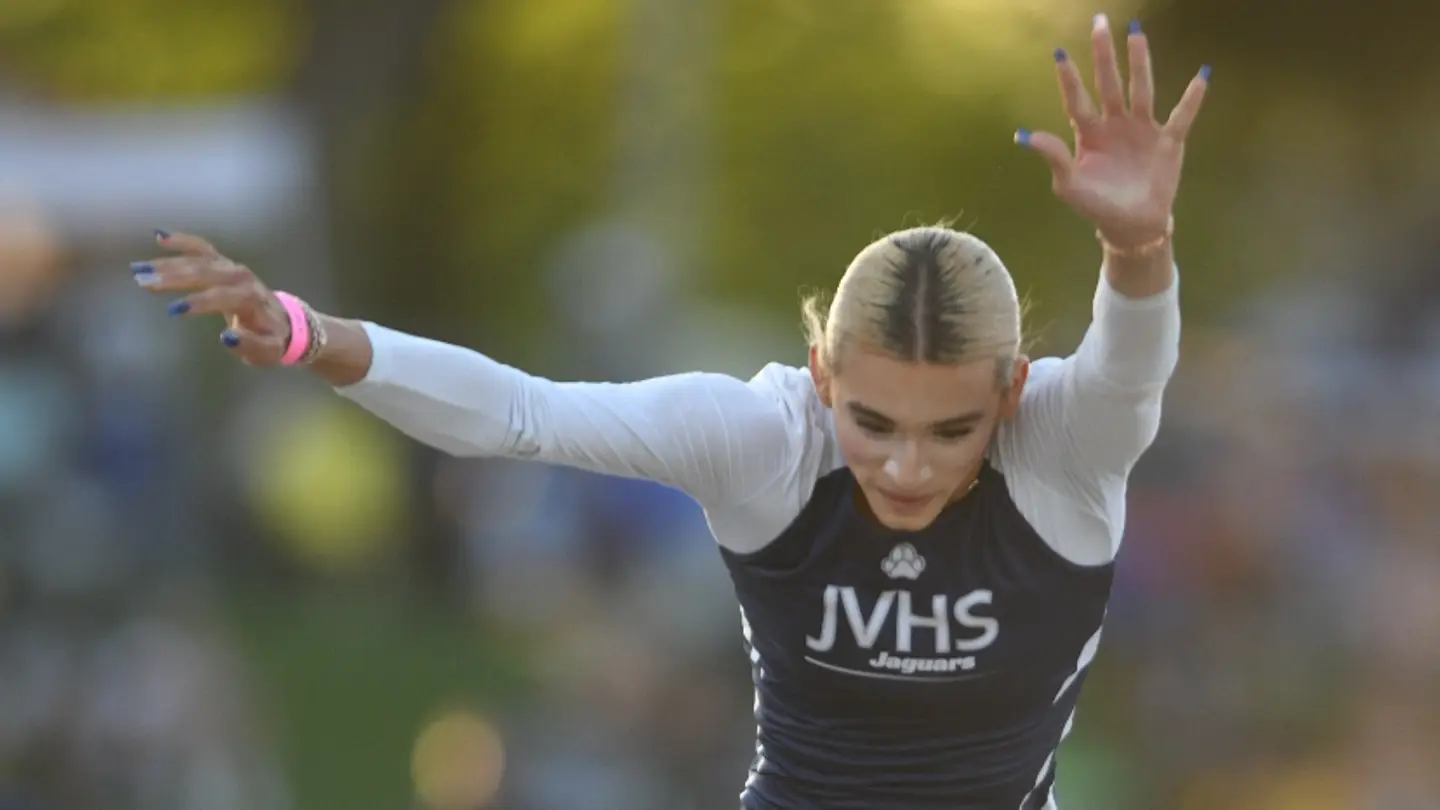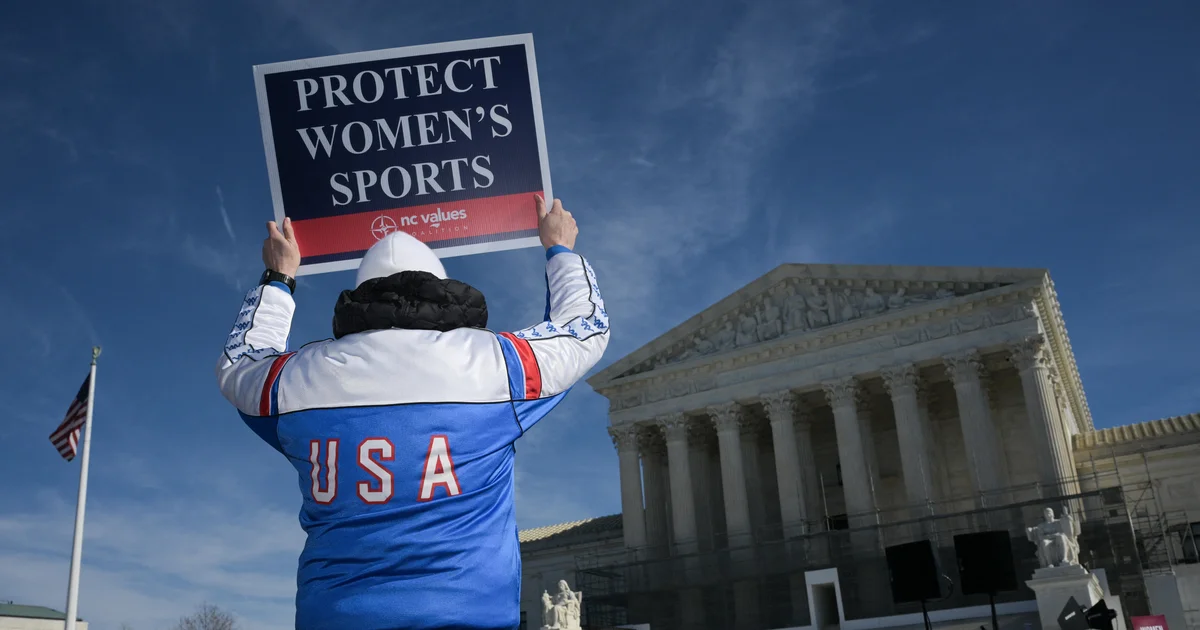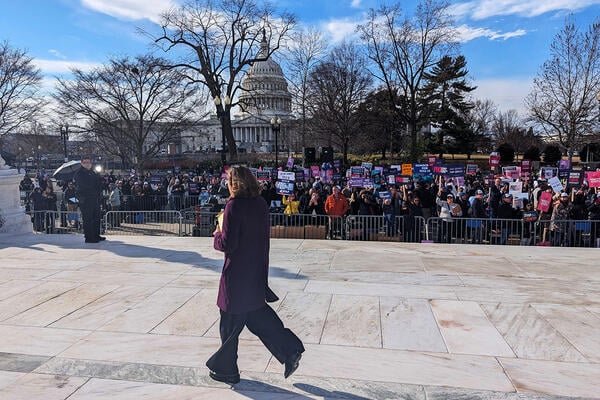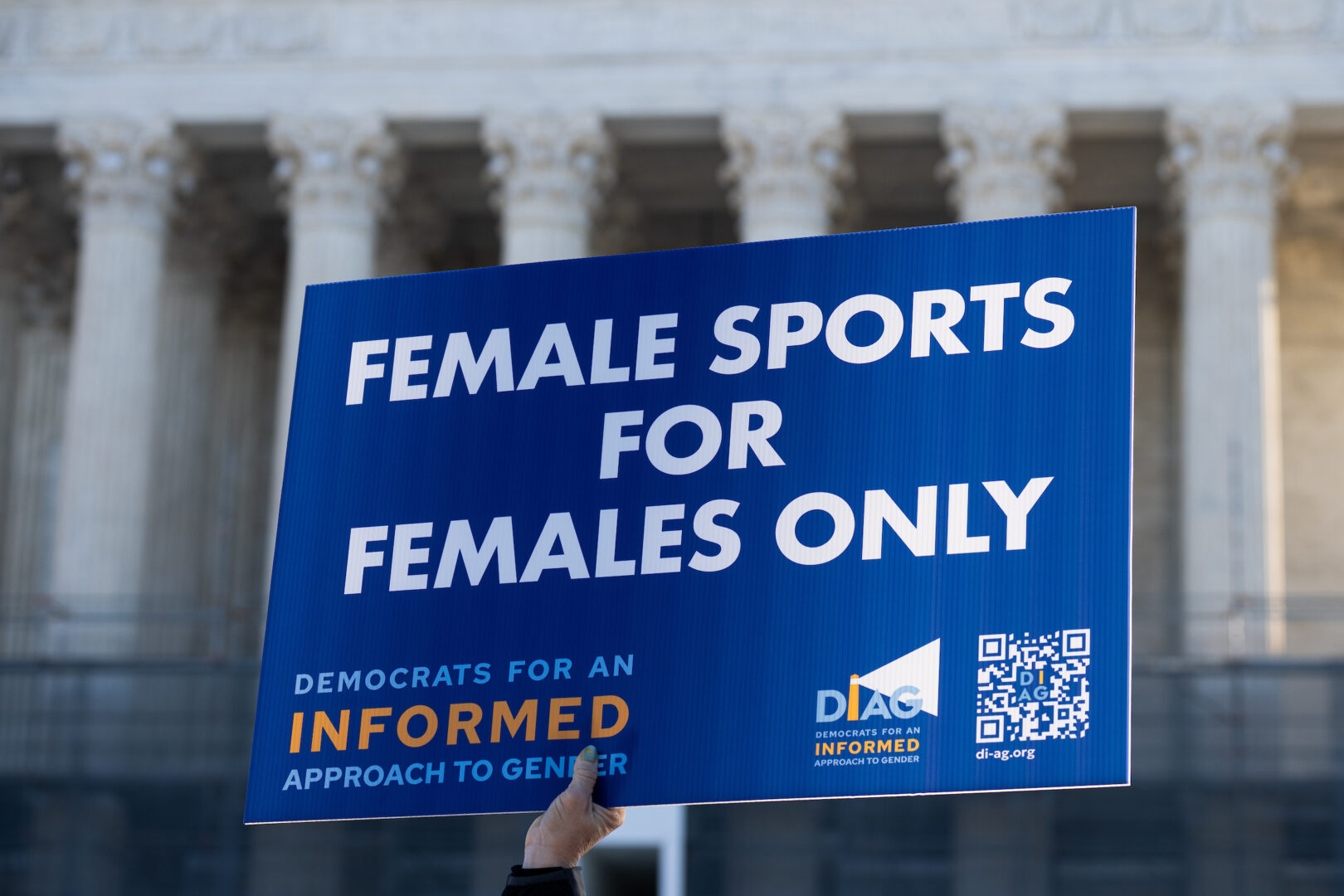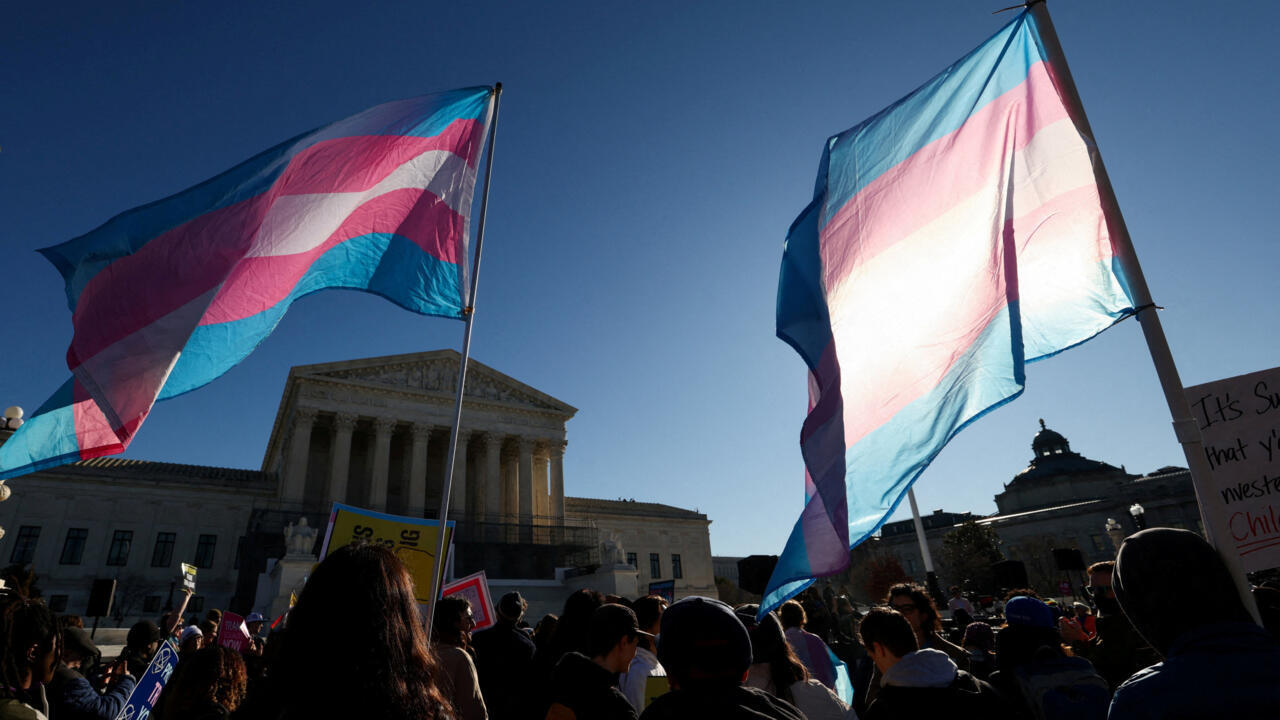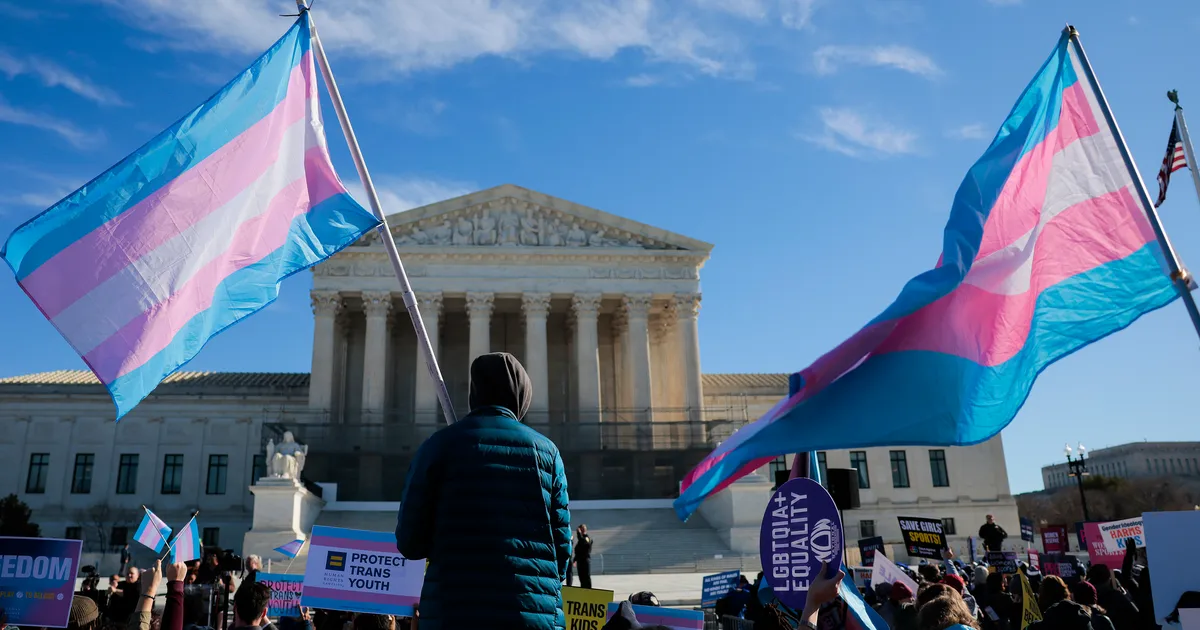
The Supreme Court handed down its decision on Tuesday in West Virginia v. B. P. J. concerning transgender athletes. The case involved two states, West Virginia and Idaho, and their respective bans on sports separated by biological sex. The issue before the court was whether these bans violate Title IX and the equal protection clause of the 14th Amendment.In speaking for the majority, Justice Brett Kavanaugh wrote, “In other words, may schools determine eligibility for women’s and girls’ sports based on biological sex? The answer is yes.”The ruling, a win for biological reality and common sense, is perceived as a blow to the LGBT community and especially transgender children. But the mere fact that these cases went all the way to the highest court is further confirmation that modern-day culture is deeply confused. Protecting sex-separated sports and their athletes should be standard practice.
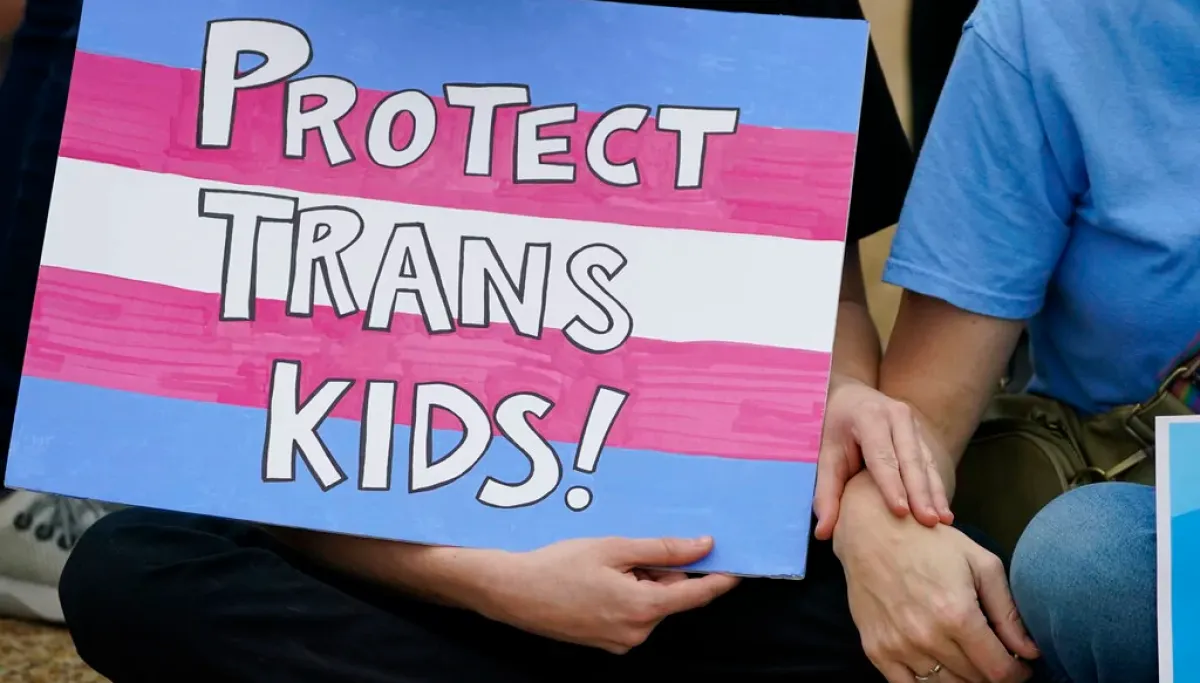
But in America in 2026, this judicial decision is interpreted as open discrimination. In addition to the two states involved in the case, the judgment affects 25 other states that have similar laws protecting sex-specific sports.The court split along ideological lines. All three dissenting justices are women. The very real concerns regarding fairness in sports almost exclusively have to do with girls and women being required to compete against biological males. In too many instances, female athletes are essentially told to “shut up and take it.” They’re told it’s equality to allow biological males on fields reserved for girls and women.However, this is true inequality. It is ironic that the side that promotes and sustains feminism chooses to turn on itself. It is an extreme display of sexism to accept a biological male’s insistence that he is female. Allowing biological males to co-opt female experiences and encroach upon our spaces is misogyny of the highest and most modern degree.While the ruling is certainly a win for girls and women, it is still a narrow one that leaves the door open for future legal conflicts. It is important to remember that the broader questions were not addressed.A protester holds a poster calling for lawmakers to protect trans children by voting against House Bill 1125, which would ban gender-affirming care for trans children, on Wednesday, Feb. 15, 2023, at the Mississippi Capitol in Jackson. (AP Photo/Rogelio V. Solis)