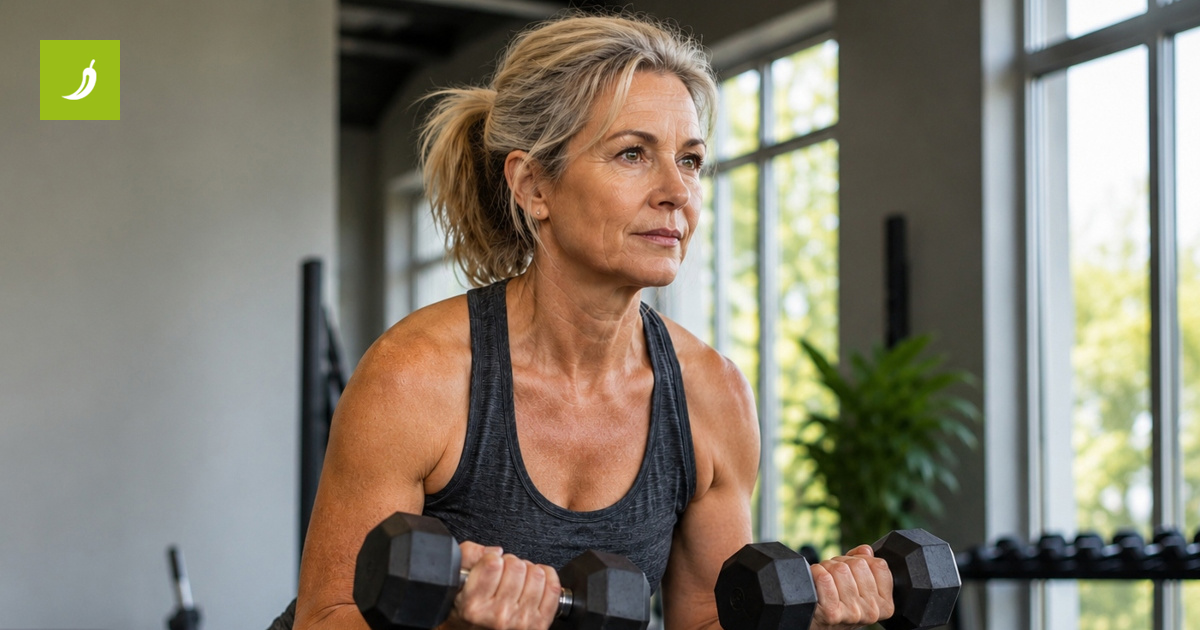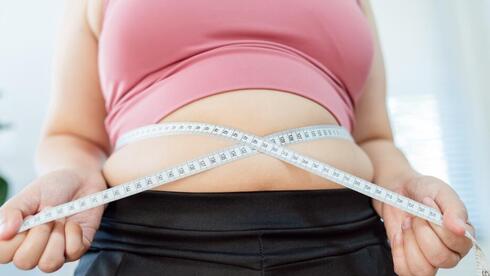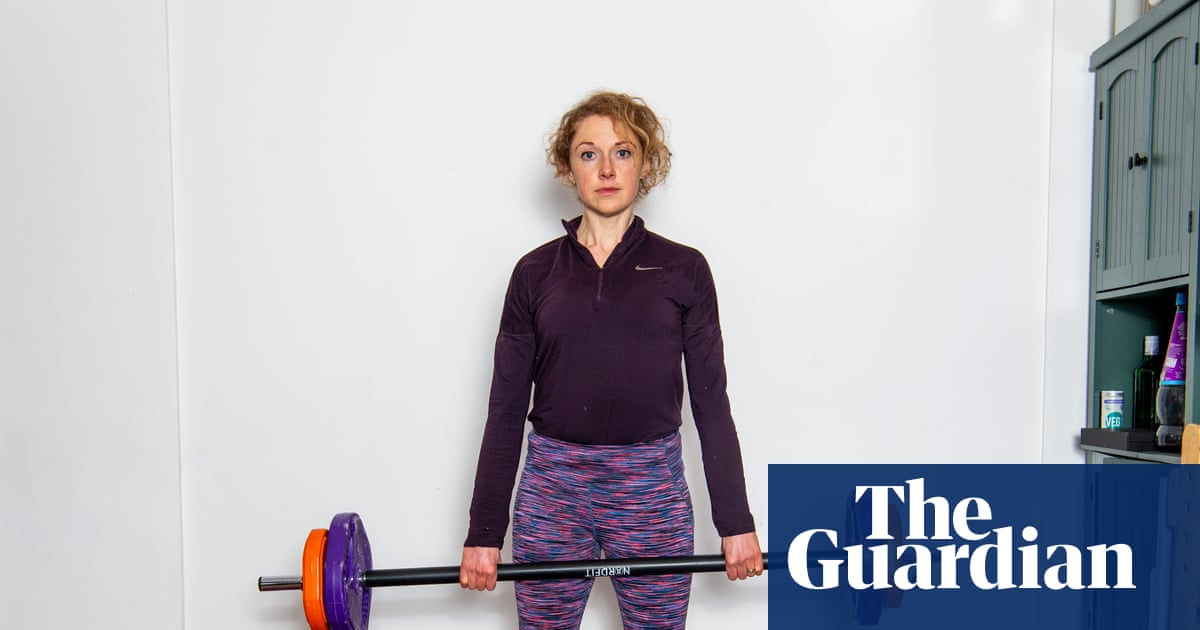
Many women approaching the menopause respond to weight gain and falling energy levels by exercising harder than ever, but personal trainer Kate Brennan warns this approach can actually make matters worse13:26, 03 Jul 2026Updated 13:31, 03 Jul 2026These are the most common mistakes women experiencing the menopause make when exercising, according to a personal trainer.Many women approaching menopause react to weight gain and declining energy levels by working out more intensely than ever before. However, according to personal trainer Kate Brennan, this strategy can actually worsen the situation.As hormones start to shift during perimenopause, the transitional phase leading up to menopause, and menopause itself, Brennan explained that many of the fitness approaches that proved effective in a woman's 30s or 40s simply become less successful.Kate Brennan, founder of Kate Brennan Coaching, said: "One of the biggest mistakes I see women make during perimenopause is believing they simply need to exercise harder. I hear the same thing all the time: 'I'm doing more than ever, but I'm getting nowhere'."Many women react by incorporating additional cardio sessions, reducing their food intake and attempting to burn as many calories as they can. However, Brennan explained this frequently left them feeling drained while still battling weight gain, especially around the abdomen.She said: "The temptation is always to do more. But in my experience, this is often the moment women need to stop fighting their bodies and start working with them instead."One of the most significant changes she advocates is prioritising strength training over excessive cardio. Brennan added: "Many women believe they need to run more or spend longer on the cross trainer to lose weight. In reality, I often see the biggest improvements when strength training becomes the backbone of their routine."She advised aiming for two to four strength sessions per week, incorporating bodyweight exercises or compound movements such as squats, deadlifts, chest presses and overhead presses.She continued: "Don't think about how many calories you can burn. Instead, ask yourself how much muscle you can build. Muscle supports your metabolism, bone health, balance and overall strength as you get older."Neglecting the body's requirement for adequate recovery is another frequent error women make.Brennan added: "Many women have spent years believing consistency means never missing a workout. But during menopause there are times when your body genuinely needs recovery rather than another high-intensity session."She urges women to evaluate how they feel after the first few minutes of exercise.She said: "If you feel better after five or ten minutes, carry on. If you're still completely drained, change the plan. A walk, mobility session or rest day may be exactly what your body needs."Brennan also believes that walking is a vastly underappreciated form of exercise. She said: "Many women are already juggling careers, families, poor sleep and hormonal changes. Replacing one or two hard workouts each week with a brisk walk can improve recovery while keeping you active without placing additional stress on the body."She also urged women not to overlook power training, which helps maintain balance, reaction speed and muscle function as they get older.Brennan said: "This doesn't mean hours in the gym. A few minutes of movements like squat jumps, step-ups or short sprint intervals a couple of times a week can make a real difference."Article continues belowUltimately, Brennan believes the women who achieve the best long-term results are not those who push themselves the hardest in training.She added: "Recovery isn't the reward for exercise – it's part of the programme. The women who get the best results stop trying to punish their bodies and start supporting them instead. Perimenopause doesn't mean you need to do more. It simply asks you to do what your body needs most."
'I'm a PT and women make an exercise mistake during menopause'
Many women approaching the menopause respond to weight gain and falling energy levels by exercising harder than ever, but personal trainer Kate Brennan warns this approach can actually make matters worse
612 words~3 min read