A lot of fitness advice is based on research into people who don’t have periods, give birth or go through menopause. How much of it should be modified – or even thrown out?
I
can’t remember when I first became aware of the phrase: “Women are not small men.” But once I’d heard it, I started hearing it everywhere. Fitness types on social media kept alluding to it. Friends would talk excitedly about the new strain of female-specific exercise research, which was smashing the template we had all held dear for years. And the originator of the phrase, Dr Stacy Sims, was suddenly on every podcast you cared to name. A highly credentialed sports scientist with a huge social media following, she’s hard to avoid, if your algorithms skew vaguely towards self-optimisation content.
While her stance remains divisive in the sports science world, it has the kind of splashy, audacious quality that mainstream exercise advice does not. As a result, it has taken hold in a big way. You might say that Stacy Sims is to women’s exercise what Dr Chris van Tulleken is to ultra-processed foods: changing the conversation almost single-handedly while undaunted by any pushback.
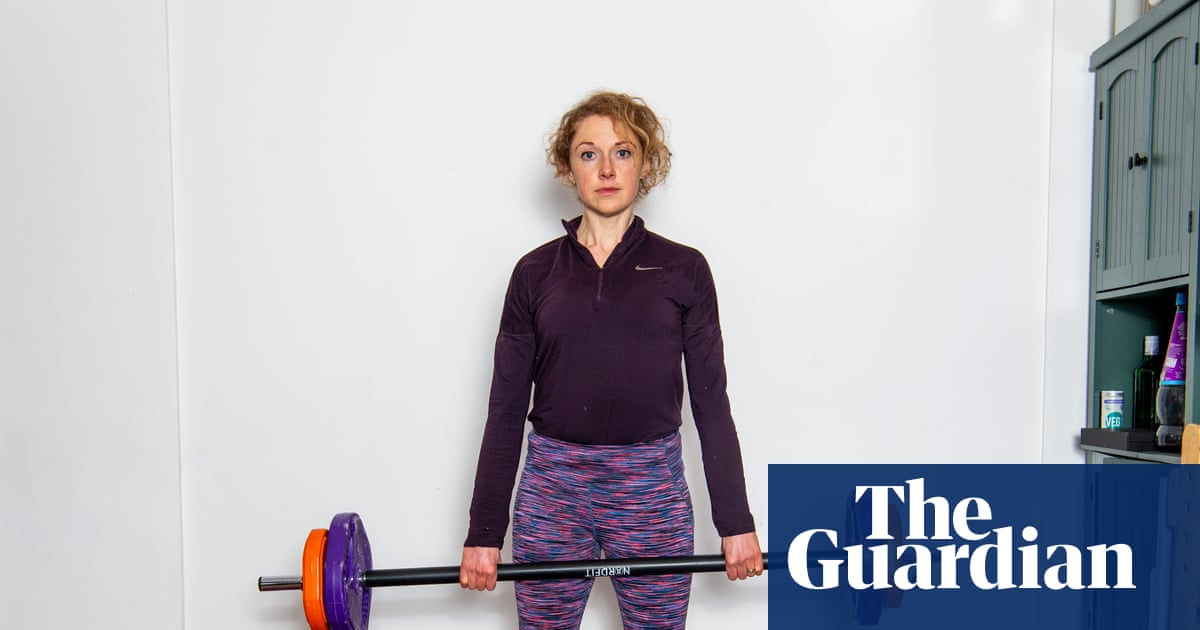
Sims maintains that not only are women not small men (we have a different muscular structure and metabolic profile, for instance) but women over 40 should exercise in a different way from men altogether. Although younger women can follow mainstream fitness advice with no ill effects, those aged 40 and above should be prioritising heavy lifting and “polarised” cardio, she claims. That means either sprint interval training (very intense short bursts of exercise, followed by a break, repeated five times) or gentle walking, with nothing in between.