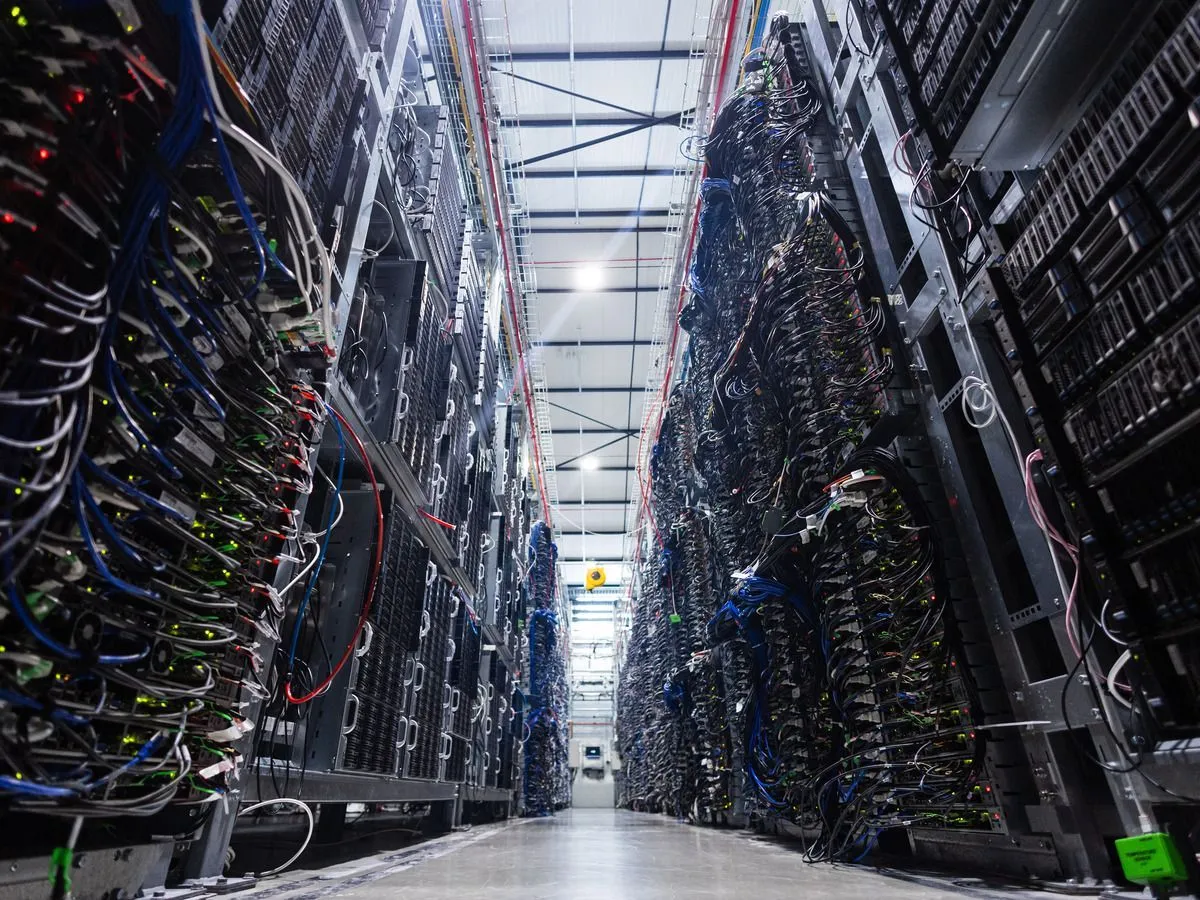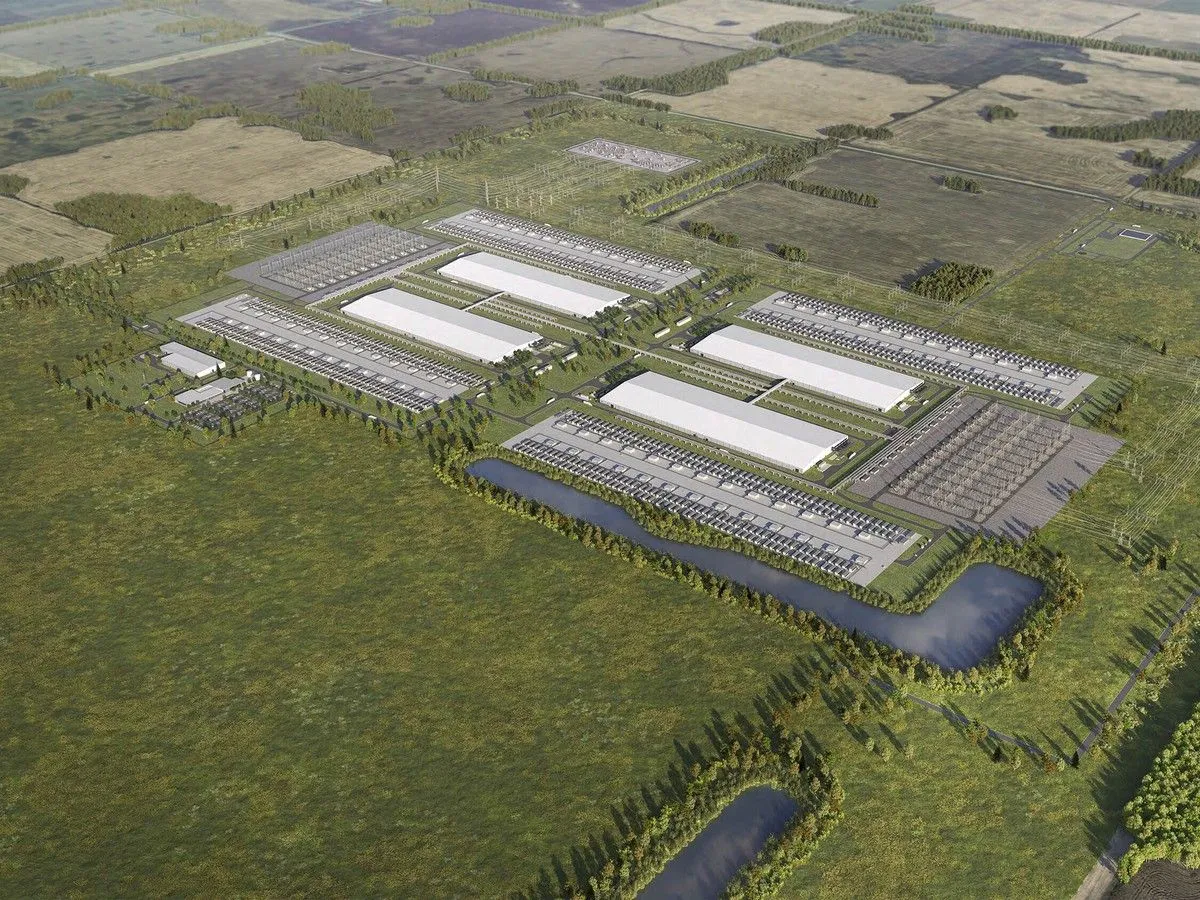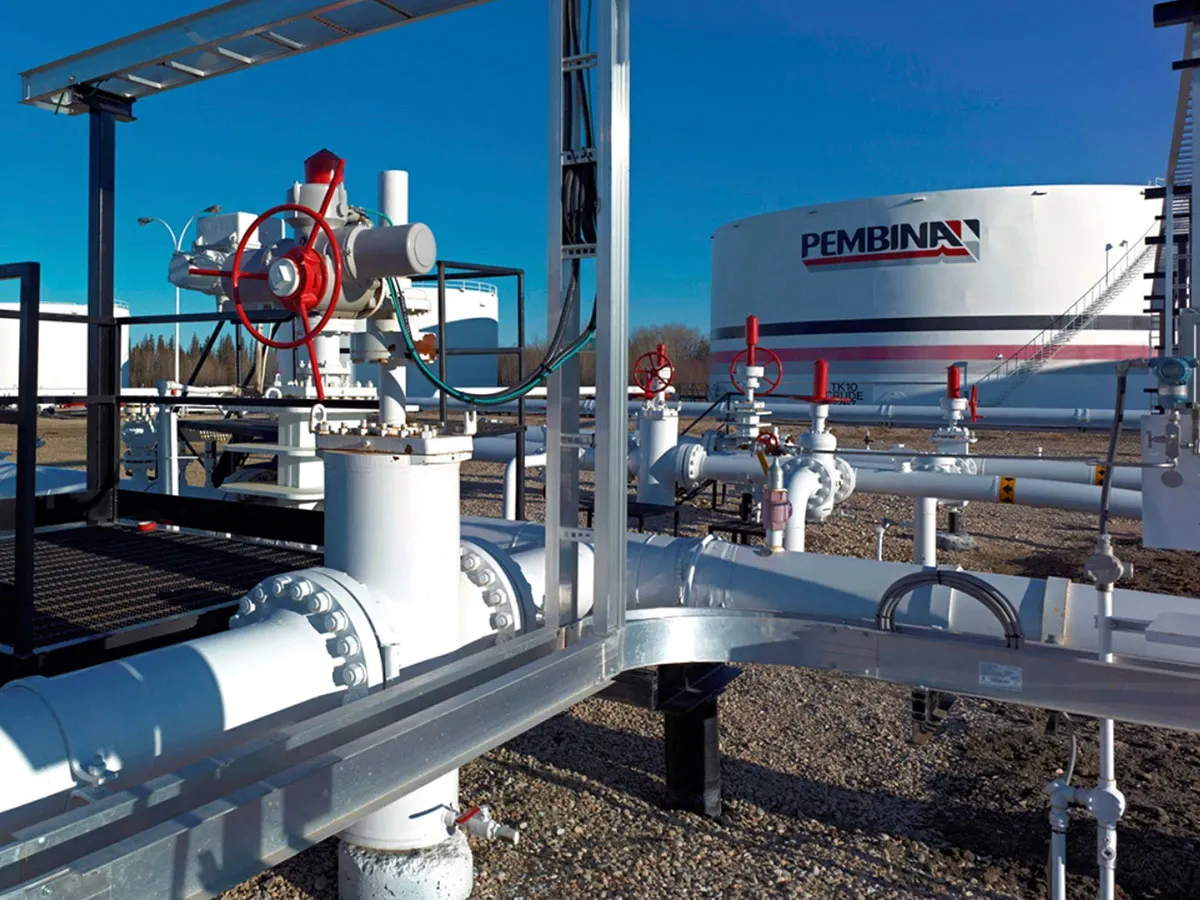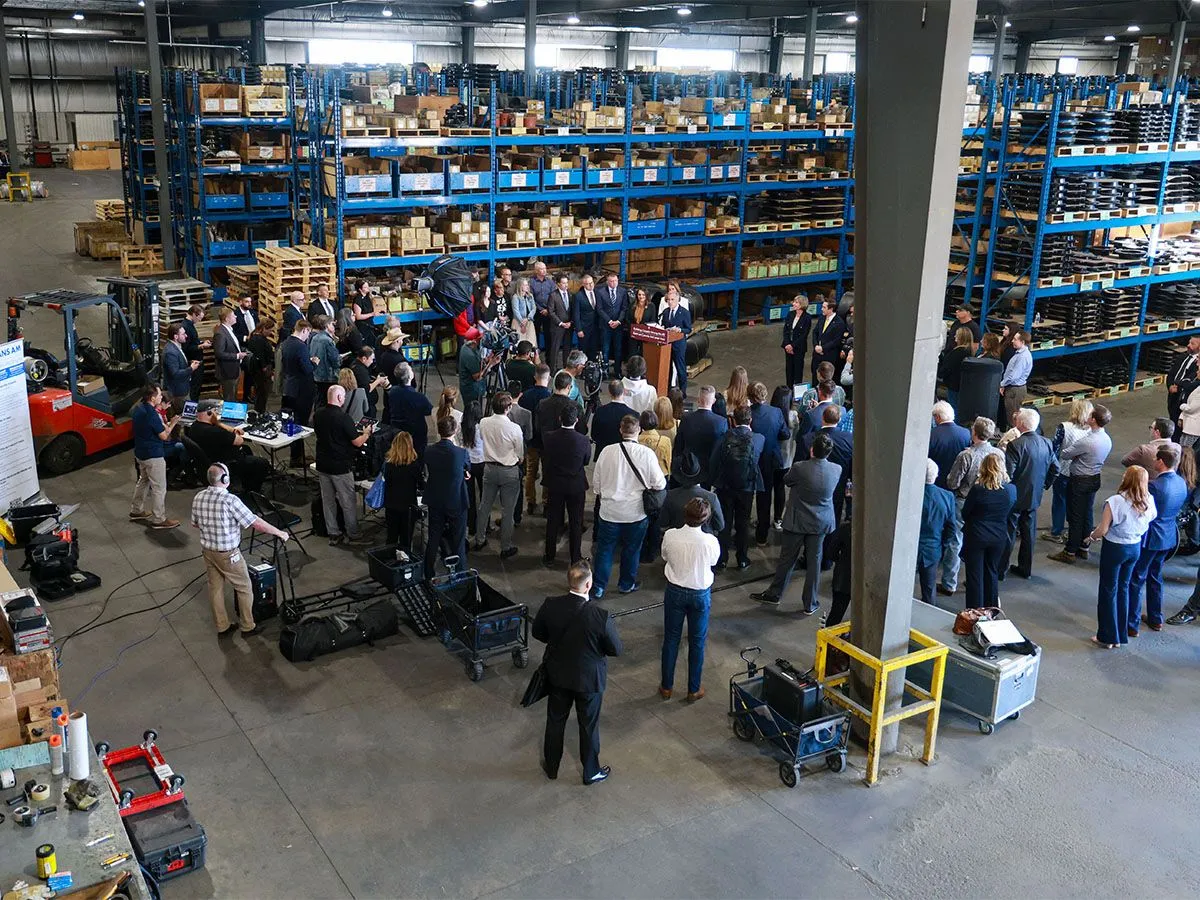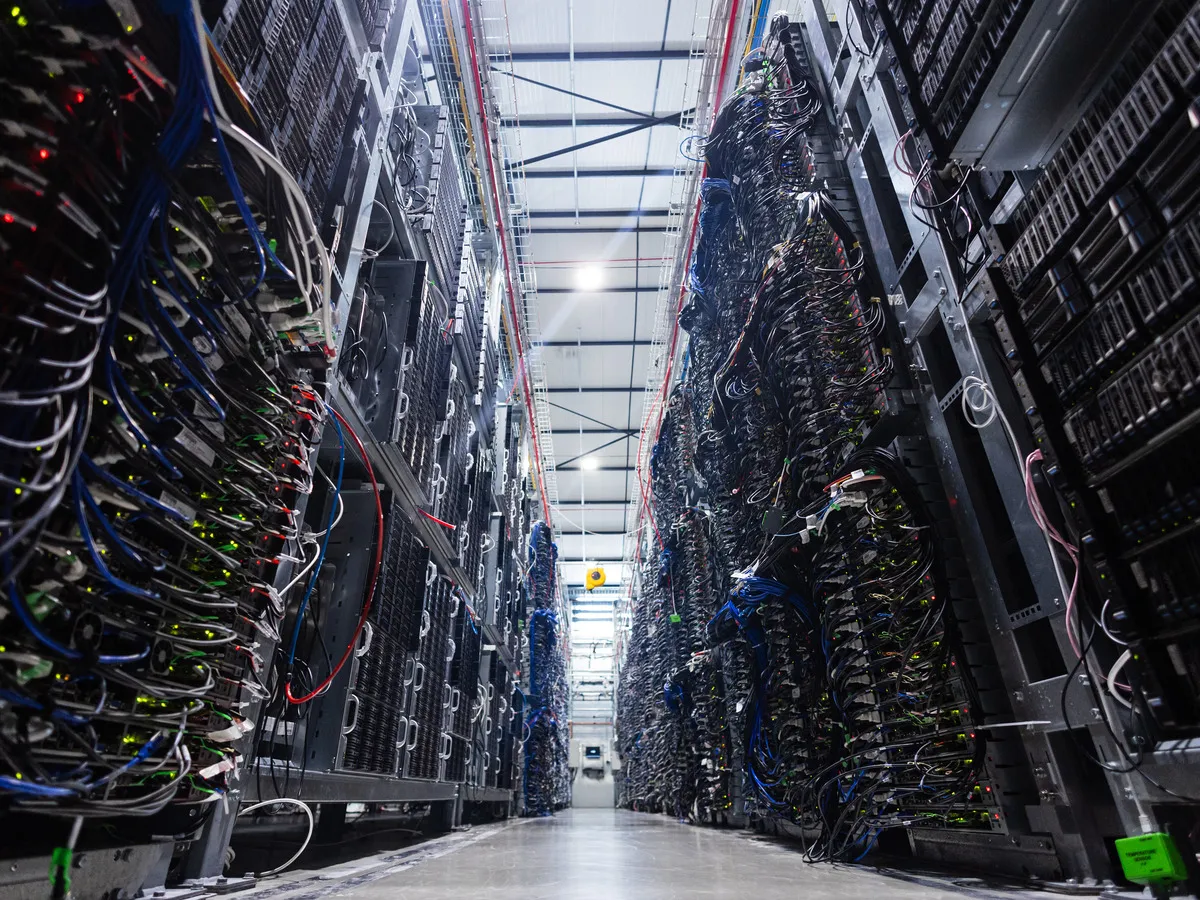
Skip to Content News Archives Economy Energy Oil & Gas Renewables Electric Vehicles Mining Commodities Agriculture Real Estate Mortgages Mortgage Rates Finance Banking Insurance Fintech Cryptocurrency Work Wealth Smart Money Wealth Management Investor Personal Finance Family Finance Retirement Taxes High Net Worth FP Comment Executive Women Puzzmo Newsletters Financial Times Business Essentials More Innovation Information Technology FP500 Podcasts Small Business Lives Told Tails Told Shopping Financial Post Store Obituaries Place a Notice Advertising Advertising With Us Advertising Solutions Postmedia Ad Manager Sponsorship Requests Classifieds Place a Classifieds ad Working Profile Settings My Subscriptions Saved Articles My Offers Newsletters Customer Service FAQ News Economy Energy Mining Real Estate Finance Work Wealth Investor FP Comment Executive Women Puzzmo Newsletters Financial Times Business Essentials HomeEnergy'Big day' for Alberta: $4.6-billion data centre and $35-billion pipeline plan reshape energy landscapeChris Varcoe: Announcements this week could unleash tens of billions of dollars in investment in the oilpatchLast updated 1 hour ago You can save this article by registering for free here. Or sign-in if you have an account.Alberta Premier Danielle Smith presents the submission of the West Coast Pipeline Project to Prime Minister Mark Carney following the announcement at Trans Am Piping Products in Calgary on July 2, 2026. Gavin Young/PostmediaIt’s not often a new $4.6-billion energy project that will help unlock a booming new industry for Alberta — data centres — gets overshadowed by an even larger announcement. Subscribe now to read the latest news in your city and across Canada.Exclusive articles from Barbara Shecter, Joe O'Connor, Gabriel Friedman, and others.Daily content from Financial Times, the world's leading global business publication.Unlimited online access to read articles from Financial Post, National Post and 15 news sites across Canada with one account.National Post ePaper, an electronic replica of the print edition to view on any device, share and comment on.Daily puzzles, including the New York Times Crossword.Subscribe now to read the latest news in your city and across Canada.Exclusive articles from Barbara Shecter, Joe O'Connor, Gabriel Friedman and others.Daily content from Financial Times, the world's leading global business publication.Unlimited online access to read articles from Financial Post, National Post and 15 news sites across Canada with one account.National Post ePaper, an electronic replica of the print edition to view on any device, share and comment on.Daily puzzles, including the New York Times Crossword.Create an account or sign in to continue with your reading experience.Access articles from across Canada with one account.Share your thoughts and join the conversation in the comments.Enjoy additional articles per month.Get email updates from your favourite authors.Create an account or sign in to continue with your reading experience.Access articles from across Canada with one accountShare your thoughts and join the conversation in the commentsEnjoy additional articles per monthGet email updates from your favourite authorsSign In or Create an AccountorBut that’s the kind of day it was in Alberta on the eve of the Calgary Stampede. It began Thursday morning with news that a large electricity generation plant to power a new data centre will move ahead, after Calgary-based Pembina Pipeline made a positive final investment decision on its Greenlight Energy Centre. Hours later in southeast Calgary, an announcement about a proposed West Coast pipeline grabbed the limelight, which also includes Pembina playing a part — but is led by the provincial and federal governments. Get the latest headlines, breaking news and columns.By signing up you consent to receive the above newsletter from Postmedia Network Inc.A welcome email is on its way. If you don't see it, please check your junk folder.The next issue of Top Stories will soon be in your inbox.We encountered an issue signing you up. Please try againPremier Danielle Smith and Prime Minister Mark Carney unveiled plans for Alberta’s new oil pipeline proposal, which would likely run from Bruderheim, northeast of Edmonton, to the southern coast of British Columbia.Alberta’s plan has now been filed with the federal Major Projects Office to be considered a project of national importance and fast-tracked for approval.Running about 1,200 kilometres, the proposed line would be expected to largely follow the right-of-way corridor of the existing Trans Mountain oil pipeline system to the Pacific Coast.According to a provincial document, the project is estimated to cost between $35.2 billion and $43.7 billion, including a cost contingency allowance.The pipeline would ship one million barrels per day of bitumen from Alberta to Roberts Bank in Delta, south of Vancouver, instead of the northern B.C. coast, where a federal tanker ban remains in place — and where the prospect of an oil pipeline faced opposition from some Coastal First Nations. Tsawwassen BC Ferries terminal causeway, and the Roberts Bank port in Delta, B.C., seen on January 25, 2025. The latter is to receive infrastructure upgrades, possibly linked to a new West Coast pipeline. Jason Payne/Postmedia fileBoth of Thursday’s developments could unleash tens of billions of dollars in additional investment in data centres and an oil pipeline — along with increased production to fill it – and the long-awaited Pathways carbon capture project in the oilsands.“It tells us we’re an energy resource-rich country and that we have tremendous potential, at a time when these energy resources are really needed,” said author and energy economist Peter Tertzakian, founder of Studio.Energy.“It is a big day and I think there is more to come.”The pipeline proposal has commanded national headlines tied to the federal-provincial energy pact signed by both Ottawa and Alberta last November.Smith has touted the idea of a second major oil export pipeline to the Pacific Coast, enabling producers to access growing markets in Asia and generate additional royalties for the province.The Trans Mountain expansion project, which started up two years ago, has secured new customers for Canadian heavy oil with refiners in China and South Korea. That project, owned by a federal Crown corporation, cost $34 billion to build.A southern route for the new proposal means the federal tanker ban on northern B.C. will remain, something B.C. Premier David Eby has pressed Ottawa to keep in place.“We determined that this route offers the fastest, most cost-effective path to expanding Canada’s energy exports,” Smith told reporters at an evening news conference.“There is no doubt whatsoever that this pipeline is a project of national interest, one that will help connect Alberta oil to global markets.”As part of the announcement, the province is partnering with Ottawa’s Trans Mountain Corp. and Pembina Pipeline on the pipeline proposal. The new development would be planned and built by Trans Mountain Corp., Carney said.According to a Pembina news release, the project would be jointly owned by both governments and Pembina (with a 10 per cent stake, initially), with a working interest available for Indigenous ownership. Pembina Pipeline site. Supplied/Postmedia fileEnvironmental critics said majority government ownership demonstrates the lack of a solid business case for the pipeline.“If there was any kind of reasonable return on investment to be made, a private company or companies would have put up the cash,” said Chris Severson-Baker, executive director of the Pembina Institute.“Instead, Albertan and Canadian taxpayers will now shoulder the cost of 90 per cent of this project.”Meanwhile, a deal is expected to be finalized soon between the two governments and the Oil Sands Alliance, a group of the country’s largest oilsands operators.The companies would build a multibillion-dollar carbon capture network connecting multiple facilities to an underground CO2 storage hub near Cold Lake.The five producers in the group — Suncor Energy, Imperial Oil, Canadian Natural Resources, Cenovus Energy and ConocoPhillips Canada — have recently criticized the province’s industrial carbon tax, noting Canada is the only major oil-exporting country with such a levy.However, Alberta and Ottawa are now finalizing a trilateral agreement with the group’s members “that will include a series of regulatory reforms and growth incentives needed to expedite growth in oilsands production,” as well as build Pathways, according to a government release.A West Coast pipeline would help reduce the country’s reliance on exporting oil to the U.S., and lead to a lower price discount on Canadian crude by ensuring sufficient pipeline capacity for years to come.“This is a significant day,” Oil Sands Alliance president Kendall Dilling said in an interview.“At the end of the day, no party got everything they wanted, but there’s lots of value for everybody, and we found a middle ground . . . and it’s going to enable us to move forward.”As for Project Greenlight, Pembina Pipeline and its partners — Morgan Stanley Infrastructure Partners and Kineticor Asset Management — have given the go-ahead to building a new 932-megawatt (MW) gas-fired power generation facility in Sturgeon County, north of Edmonton.The project has the regulatory approval to double its capacity to more than 1,800 megawatts. A data centre customer has not been announced, but analysts and reports have identified tech giant Meta as the party.The development is expected to support about 1,000 construction jobs, and 30 long-term positions.Pembina Pipeline CEO Scott Burrows said Greenlight will increase domestic demand for natural gas, which will be used to generate electricity for AI-focused data centres as the sector grows in Alberta. Scott Burrows is president and CEO of Pembina Pipeline. Supplied/Britta Kokemor photo“The first one always is the hardest to get done, and we hope to see incremental demand,” Burrows said in an interview Thursday morning.By using gas to generate electricity, Smith said the new facility will trigger between $15 million and $35 million annually for the province in additional royalties. Alberta has set a target of attracting $100 billion of data centres to the province by the end of the decade.“We do see a world where there’s multiple opportunities for data centres in Alberta,” Burrows added.The Greenlight project could trigger more than $75 billion in total investment, including computer chips for the AI-focused data centre, necessary networking infrastructure, and the power-generating facility, said Carson Kearl of energy analytics firm Enverus.The project shows Alberta can “do something at scale” to attract such investments, although it will take more work.“We weren’t even in the industry, up until today,” Kearl said.“Now we have a glimpse into a future where we’re a part of it.”Chris Varcoe is a Calgary Herald columnist. FP West: Energy Insider brings you behind the closed doors of the oilpatch, with exclusive insights from insiders every Wednesday morning. Sign up now. Join the Conversation This website uses cookies to personalize your content (including ads), and allows us to analyze our traffic. Read more about cookies here. By continuing to use our site, you agree to our Terms of Use and Privacy Policy.
'Big day' for Alberta: $4.6-billion data centre and $35-billion pipeline plan reshape energy landscape
New multibillion-dollar projects in Alberta show 'we have tremendous potential,' says energy economist Peter Tertzakian.
1,741 words~8 min read