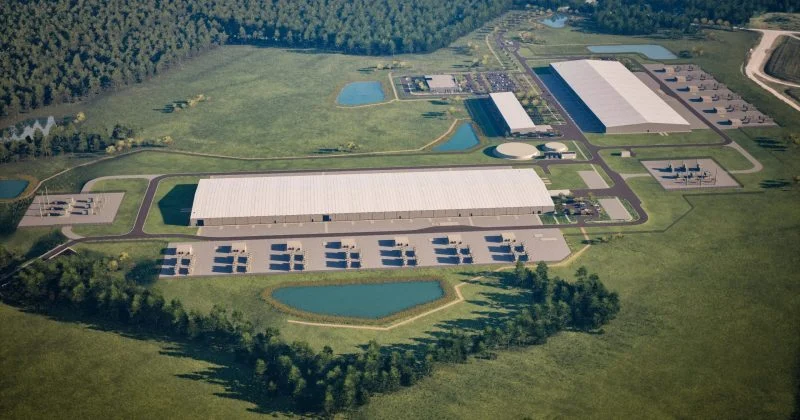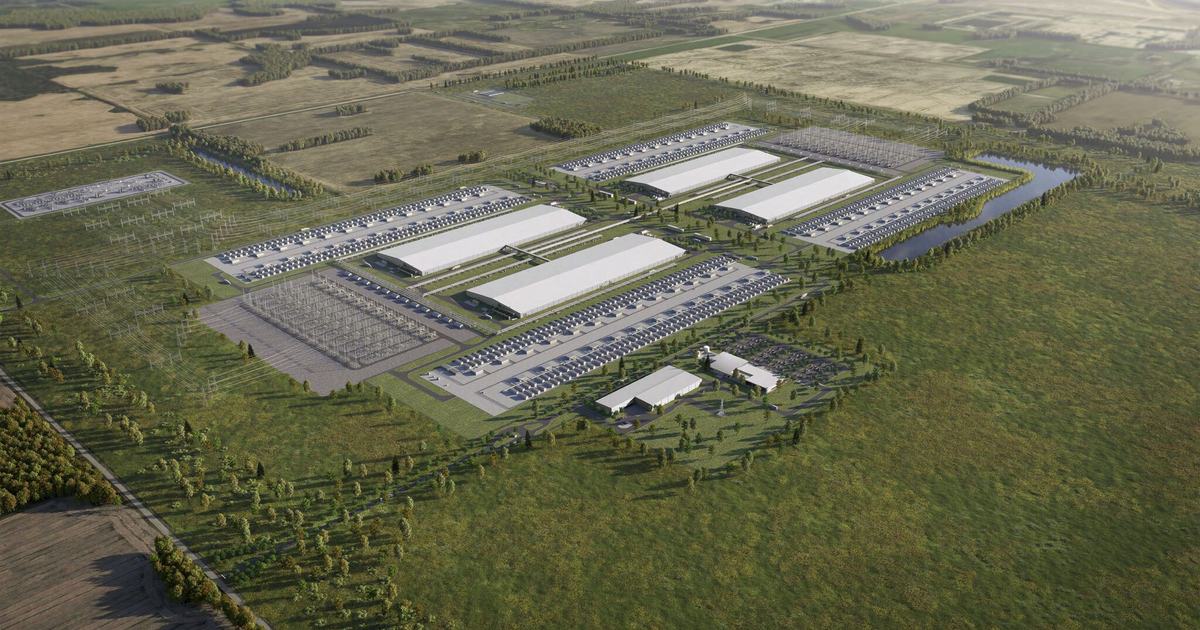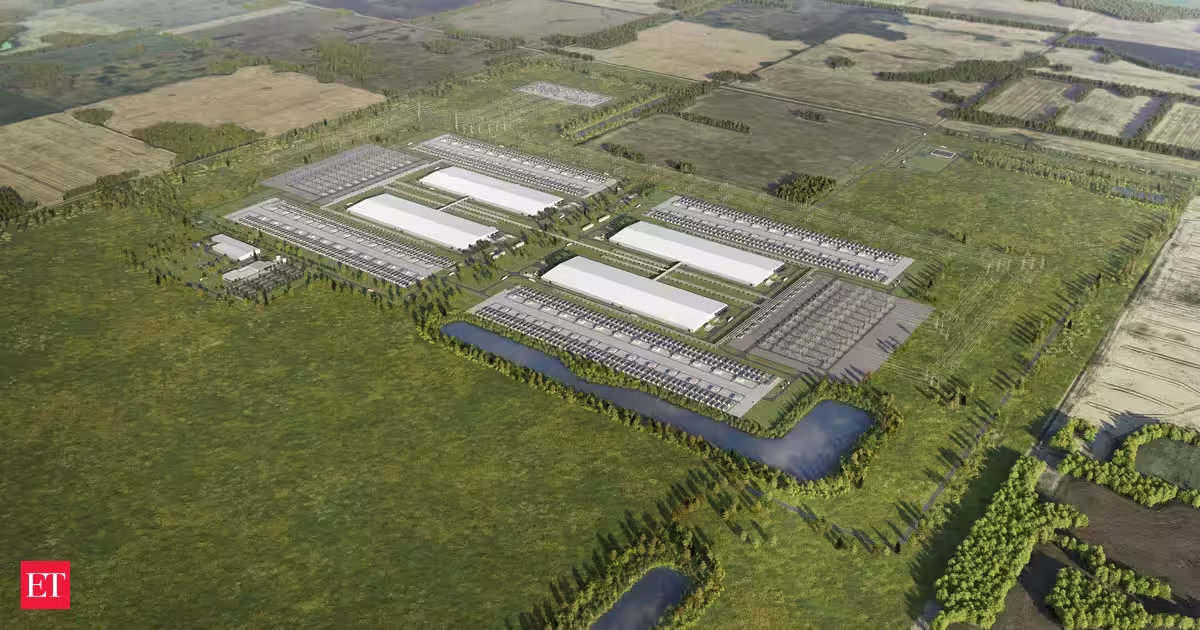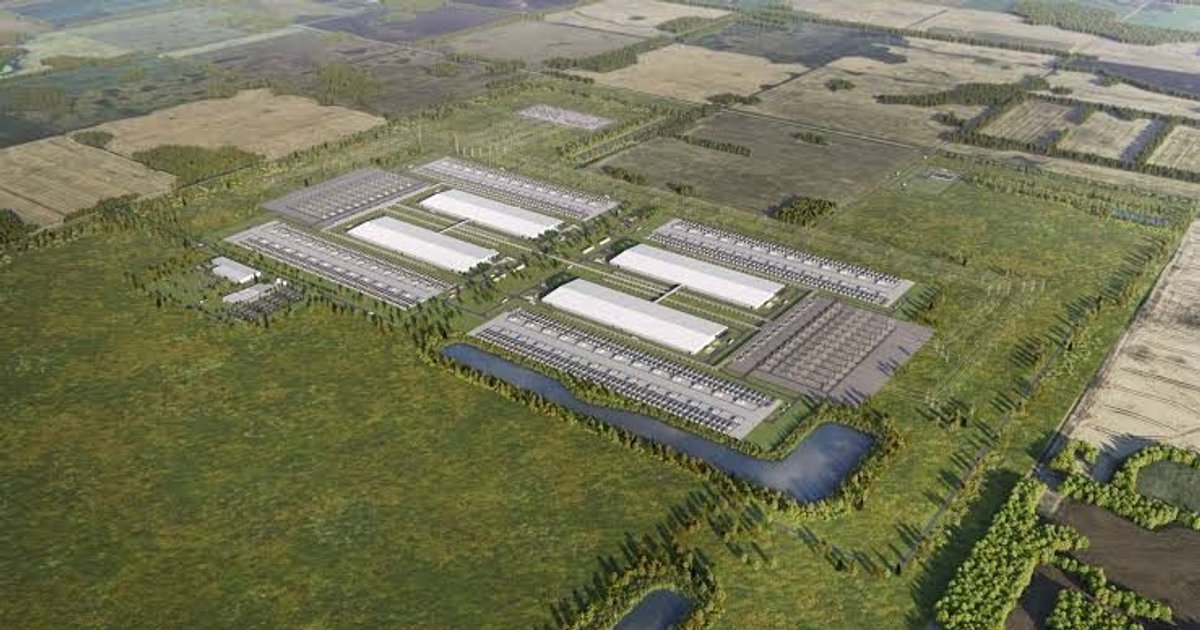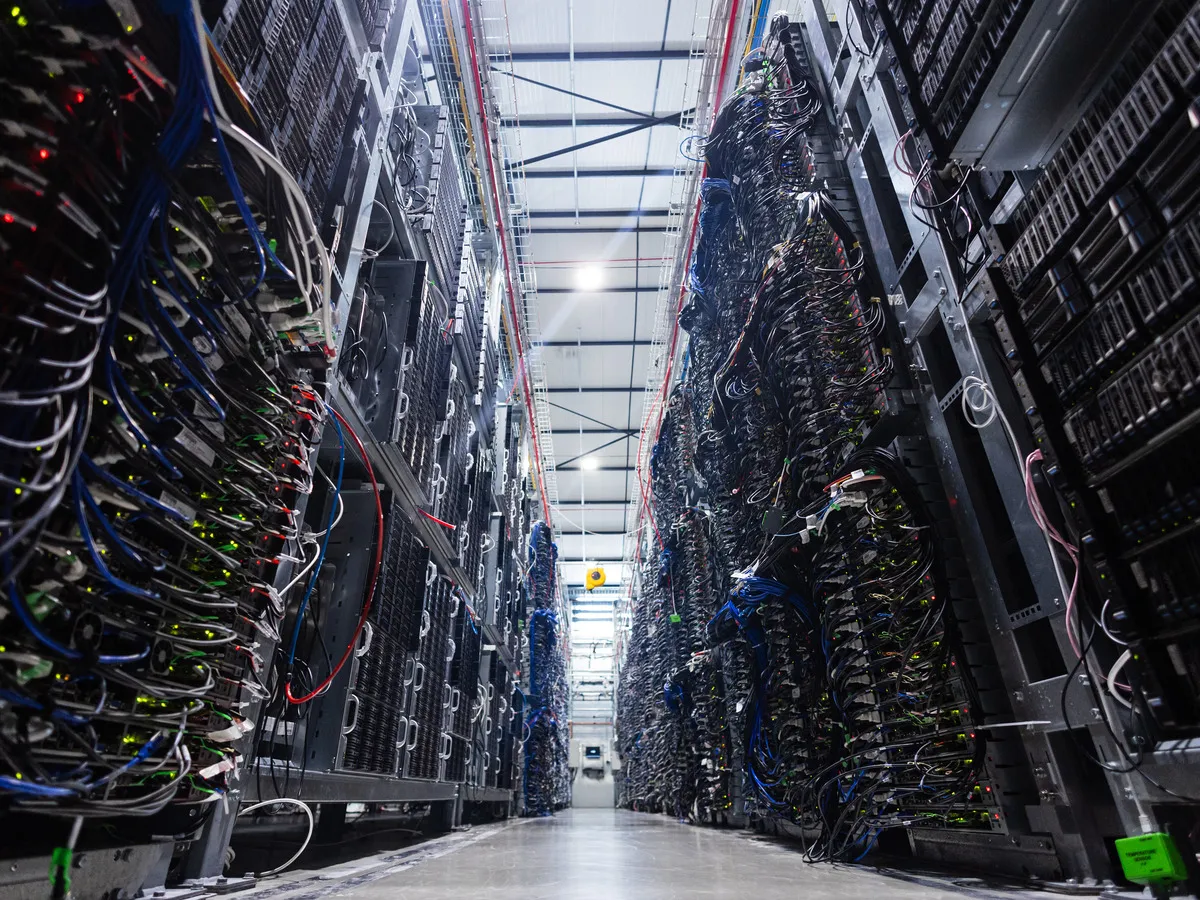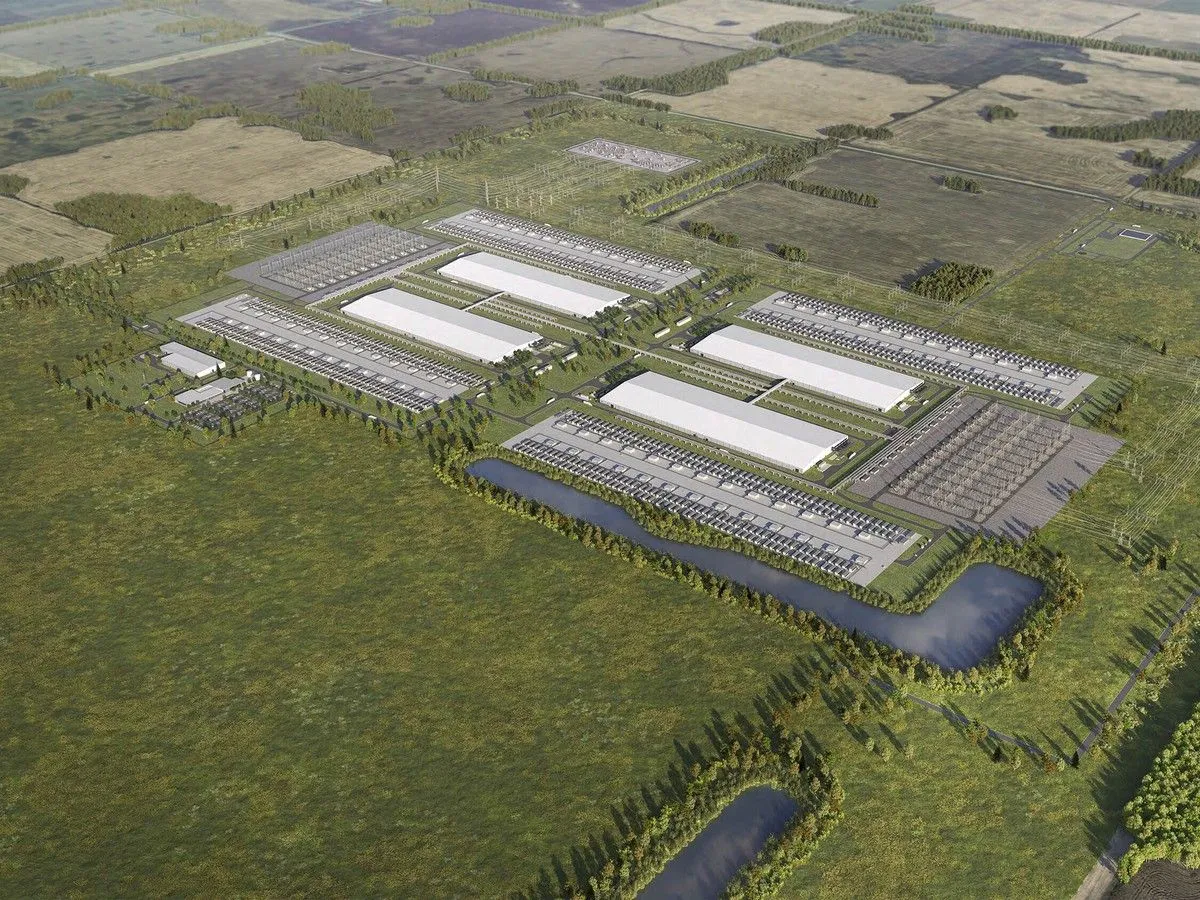
Skip to Content News Archives Economy Energy Oil & Gas Renewables Electric Vehicles Mining Commodities Agriculture Real Estate Mortgages Mortgage Rates Finance Banking Insurance Fintech Cryptocurrency Work Wealth Smart Money Wealth Management Investor Personal Finance Family Finance Retirement Taxes High Net Worth FP Comment Executive Women Puzzmo Newsletters Financial Times Business Essentials More Innovation Information Technology FP500 Podcasts Small Business Lives Told Tails Told Shopping Financial Post Store Obituaries Place a Notice Advertising Advertising With Us Advertising Solutions Postmedia Ad Manager Sponsorship Requests Classifieds Place a Classifieds ad Working Profile Settings My Subscriptions Saved Articles My Offers Newsletters Customer Service FAQ News Economy Energy Mining Real Estate Finance Work Wealth Investor FP Comment Executive Women Puzzmo Newsletters Financial Times Business Essentials HomeCommoditiesEnergyInnovationMeta unveils massive $13 billion, gigawatt-scale development in Alberta, Canada's largest data centreChris Varcoe: The massive data centre campus in Sturgeon Country, about 35 km north of Edmonton, will be geared towards AI workloadsLast updated 38 minutes ago You can save this article by registering for free here. Or sign-in if you have an account.Artist rendering of the new data centre planned near in Sturgeon County, about 30 to 35 km north of Edmonton, Alta. Photo by Courtesy/Meta Platforms Inc.It’s taken more than two years, but Alberta has attracted its first big hyperscaler — U.S. giant Meta Platforms — to develop the country’s largest data centre.Subscribe now to read the latest news in your city and across Canada.Exclusive articles from Barbara Shecter, Joe O'Connor, Gabriel Friedman, and others.Daily content from Financial Times, the world's leading global business publication.Unlimited online access to read articles from Financial Post, National Post and 15 news sites across Canada with one account.National Post ePaper, an electronic replica of the print edition to view on any device, share and comment on.Daily puzzles, including the New York Times Crossword.Subscribe now to read the latest news in your city and across Canada.Exclusive articles from Barbara Shecter, Joe O'Connor, Gabriel Friedman and others.Daily content from Financial Times, the world's leading global business publication.Unlimited online access to read articles from Financial Post, National Post and 15 news sites across Canada with one account.National Post ePaper, an electronic replica of the print edition to view on any device, share and comment on.Daily puzzles, including the New York Times Crossword.Create an account or sign in to continue with your reading experience.Access articles from across Canada with one account.Share your thoughts and join the conversation in the comments.Enjoy additional articles per month.Get email updates from your favourite authors.Create an account or sign in to continue with your reading experience.Access articles from across Canada with one accountShare your thoughts and join the conversation in the commentsEnjoy additional articles per monthGet email updates from your favourite authorsSign In or Create an AccountorMeta, owner of Facebook, unveiled plans Wednesday to build a massive data centre campus in Sturgeon Country, about 35 kilometres north of Edmonton, kick-starting one of the largest private-sector investments in the province.It’s expected to cost more than $13 billion to build — in addition to $4.6 billion for a new gas-fired electricity generating plant being built by Pembina Pipeline, Kineticor Asset Management and its partners to power it.Meta’s investment figure does not include the costs of high-tech computer chips needed in these AI-focused facilities, which would push the figure far higher.“It’s our first in Canada. It’s also pretty unique in the sense that it’s a pretty large deployment, we’re looking at a one gigawatt-scale data centre development,” Gary Demasi, Meta’s vice-president of data centre strategy and development, said in an interview on Wednesday.“The design for it, the construction of it, the operations will specifically be geared toward artificial intelligence workloads.”The massive project will include about 2.9 million square feet of facility space. It will be the company’s 33rd data centre to be built in the world, mainly within the United States.It will be “on par” with large-scale projects Meta has announced this year in Indiana and Texas, Demasi said.Construction on site will begin shortly. While a precise startup date is not yet set, such projects typically take a couple of years to complete, Demasi added. Gary Demasi, Meta’s Vice President of Data Centre Strategy and Development. Courtesy MetaThe announcement is the culmination of more than 24 months of work by provincial officials to bring a new industry into Alberta — one that has sparked controversy in some jurisdictions, but been pursued by others.In late 2024, the UCP government set a target of attracting more than $100 billion of such investment into Alberta by 2030.The Meta development is projected to create 3,000 construction jobs and support 300 operating jobs. It will lead to an estimated $250 million in annual benefits in the province, including taxes, increased natural gas royalties tied to power generation, and industry levies.The company will also spend about $60 million in local infrastructure improvements, according to the province.“Meta is committing to build what will be one of the largest data centre campuses in North America,” Alberta Technology Minister Nate Glubish said in an interview.“It’s a vote of confidence to demonstrate that, yes, you can build gigawatt-scale infrastructure in Alberta, and Meta is voting with their wallet.”The project will be fully funded by Meta, Glubish added.As the province looks to attract more of these high-tech developments, the province expects most of these facilities will be primarily powered by gas-fired generation — Alberta has large natural gas reserves — as it can provide around-the-clock reliable electricity.Meta has a goal to match all of its energy consumption with clean energy; it’s now screening potential clean energy projects in the region to offset consumption at the centre, said Demasi.Large-scale data centres need a huge amount of electricity for computing and cooling systems, and these facilities — large buildings with racks of servers, storage systems and networking equipment — can require 1,000 megawatts (MW) or more of electricity supply.The project will use a combination of grid-connected power with new onsite gas-fired generation.Last week, Calgary-based Pembina Pipelines, Morgan Stanley Infrastructure Partners and Kineticor announced they will build a new 932-megawatt (MW) gas-fired power generation facility in Sturgeon County to power the data centre, although they didn’t identify a customer at the time.The Greenlight plant is expected to begin operating in the second half of 2030.The $4.6-billion power generation facility also has approval from regulators to double its capacity to more than 1,800 megawatts. The plant will be built in the Alberta Industrial Heartland, close to the data centre.“The right elements were there to make this location a globally attractive location for us,” said Demasi, citing available infrastructure, the power supply, quality of the labour and partnerships with governments.The data centre will require high-speed fibre connections into the United States, which the company will build.In an interview last week, Carson Kearl of energy analytics firm Enverus estimated the Greenlight power facility could initiate more than $75 billion of total data centre-related capital spending over time, including computer chips and networking infrastructure. Fiber Optical cables connected to an optic ports and Network cables connected to ethernet ports data centre. Getty ImagesData centres will also enable sovereign computing capabilities in Canada, but these projects have also faced community opposition on both sides of the border, with concerns often focused on water consumption, land use, noise and the potential impact on electricity prices.Last September, a proposal for a large data centre near Calgary was rejected by Rocky View County in the face of criticism from local residents, while a project in Olds has recently faced opposition.After the Greenlight Electricity Centre was approved last week, the Pembina Institute, a clean energy think-tank, pointed to the potential impact of the project — along with Canada’s plans to boost LNG exports — on power prices in Alberta.“Adding a new power plant of this size — generating enough electricity to power a city two-thirds the size of Calgary — will massively increase demand for gas in the province,” David Pickup, director of the Pembina Institute’s electricity program, said in a statement.“This likely means household electricity costs for Albertans will keep rising in the years ahead.”Glubish pointed out the facility is being built in a large industrial park zoned for industry, and the centre will use a closed-loop, liquid cooling system to minimize water use.Meta will pay about $100 million annually of transmission fees for its power draw. As a result, Alberta ratepayers should see up to a six per cent drop in power bill transmission costs, as these expenses will be spread over a wider base, he added.“It’s really critical that other consumers do not in any way take on any of the burden of the fact that we are there, and so that’s a primary consideration,” said Demasi.“This facility annually will use less water than a typical regional golf course.”The Alberta Electric System Operator (AESO) now has 41 data centre projects, representing 19.5 gigawatts of potential load, that have applied to connect to the provincial transmission system, up from five gigawatts in the spring of 2024.AESO, which manages the province’s power grid, announced last year it would make up to 1.2 gigawatts of excess power available for data centres “without negatively impacting grid reliability.”Meta, through its partners, has secured access to 970 megawatts of grid-connected electricity, Glubish added. Nate Glubish, Minister of Technology and Innovation. Gavin Young/Postmedia“They have plans to build an onsite natural gas generation facility that will supply to them up to 1,800 megawatts upon the full buildout, so this is a significant project in scale.”The Meta plant would become the largest data centre in the country, and the largest capital spending project in the province since Suncor Energy’s Fort Hills oilsands mine was completed for $17 billion last decade.As the race to develop AI ramps up, Enverus estimates hyperscalers will spend a combined US$700 billion on data centres in 2026.What was billed as the largest data centre development in Canada was unveiled last March, with BCE Inc. announcing plans to build a $1.7-billion, 300-megawatt data centre just outside of Regina, focused on AI computing.Glubish thinks the Meta announcement will draw attention from other industry players looking for places to build such large-scale projects, and the first major development will take a major step towards Alberta reaching its $100-billion target.“This will be the first domino of many to fall, and I think you will start to see many other proponents starting to say, ‘Oh, me too,’” he said.“This project clearly puts us on the map as the epicentre, or the capital, of data centre infrastructure in Canada – and we’re just getting started.”Chris Varcoe is a Calgary Herald columnist.Bookmark this website and support our journalism: Subscribe now so you don’t miss the Calgary news you need to know and sign up for our free newsletters. Join the Conversation This website uses cookies to personalize your content (including ads), and allows us to analyze our traffic. Read more about cookies here. By continuing to use our site, you agree to our Terms of Use and Privacy Policy.
Meta unveils massive $13 billion, gigawatt-scale development in Alberta, Canada's largest data centre
What will be Canada's largest data centre campus in Sturgeon Country, about 35 km north of Edmonton, will be geared towards AI workloads.
1,825 words~8 min read