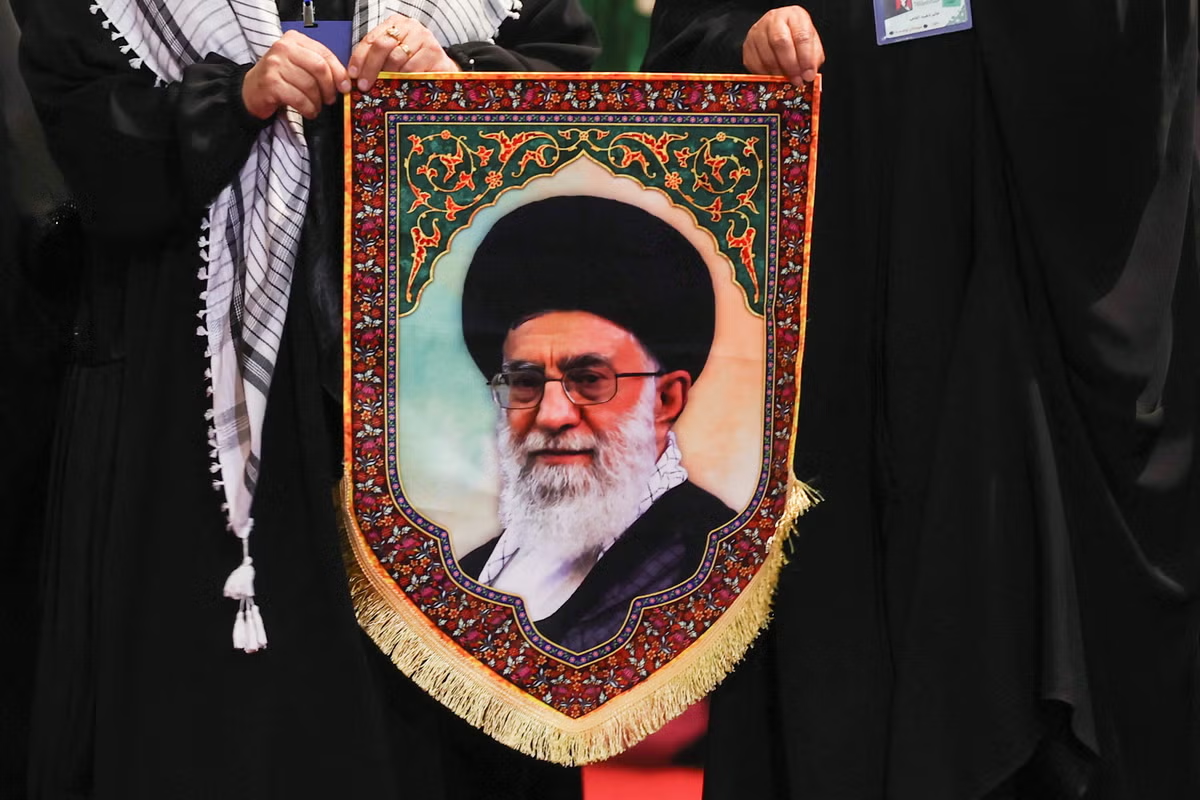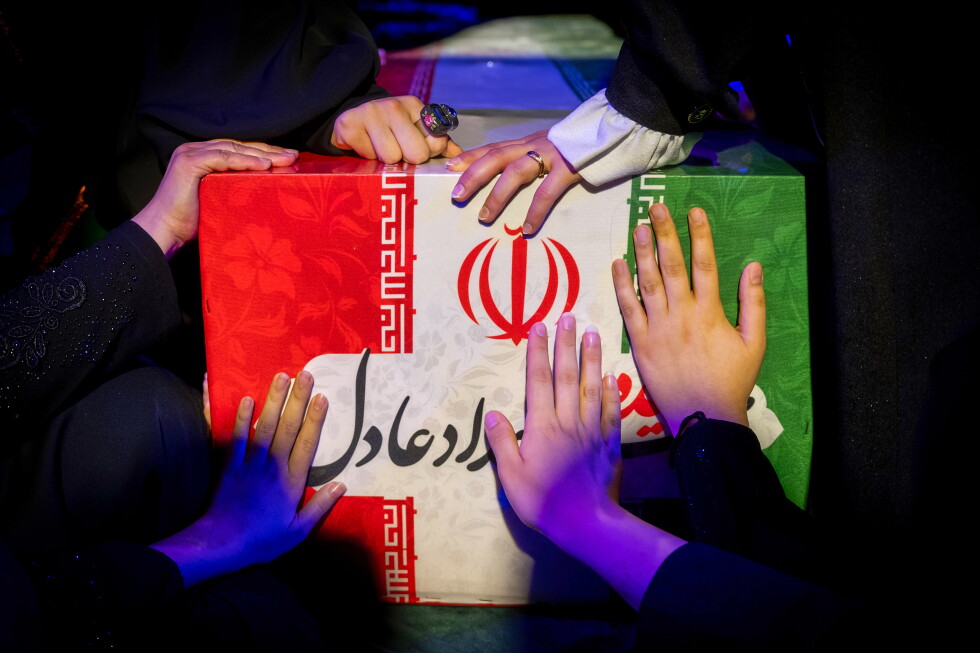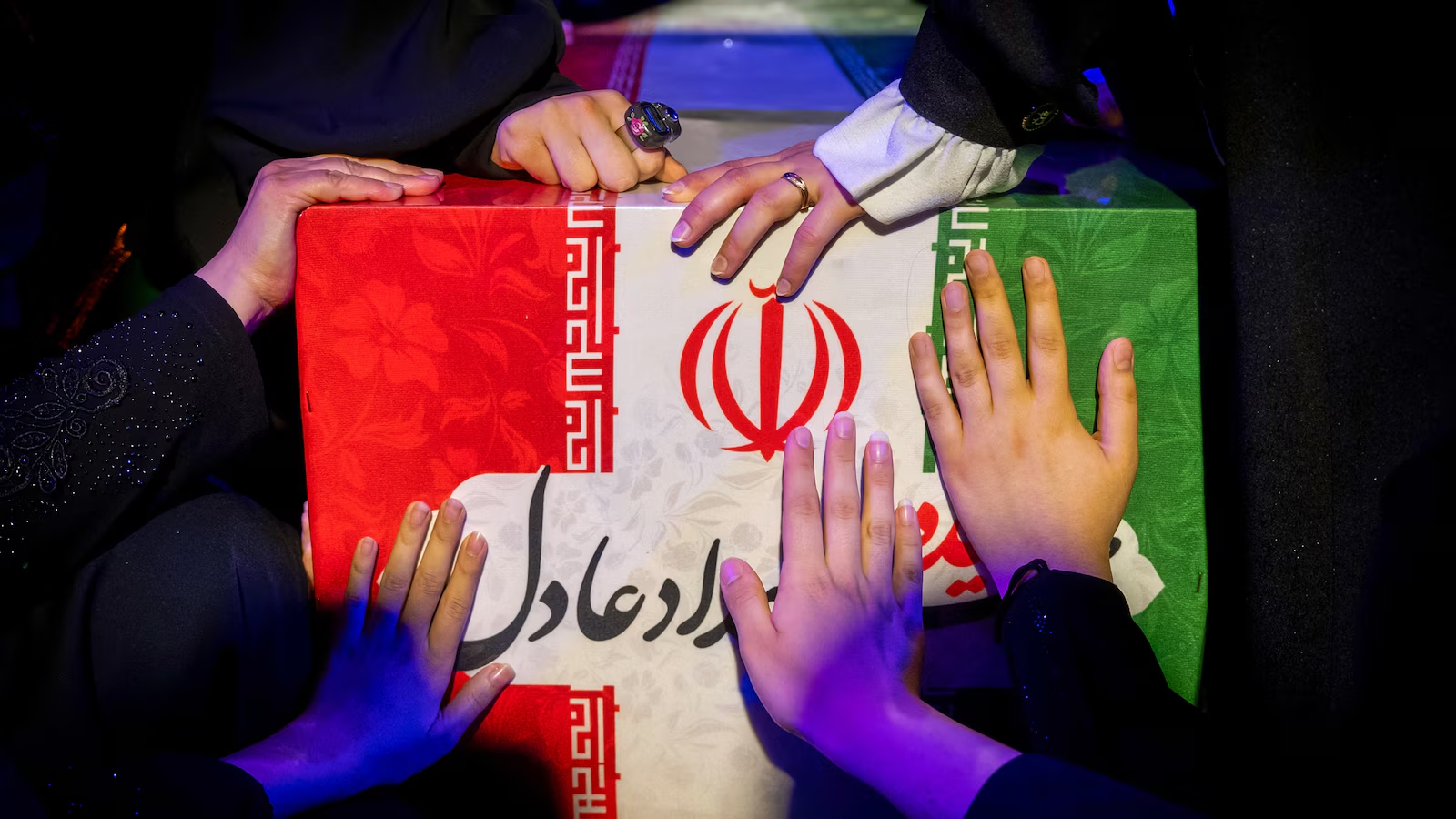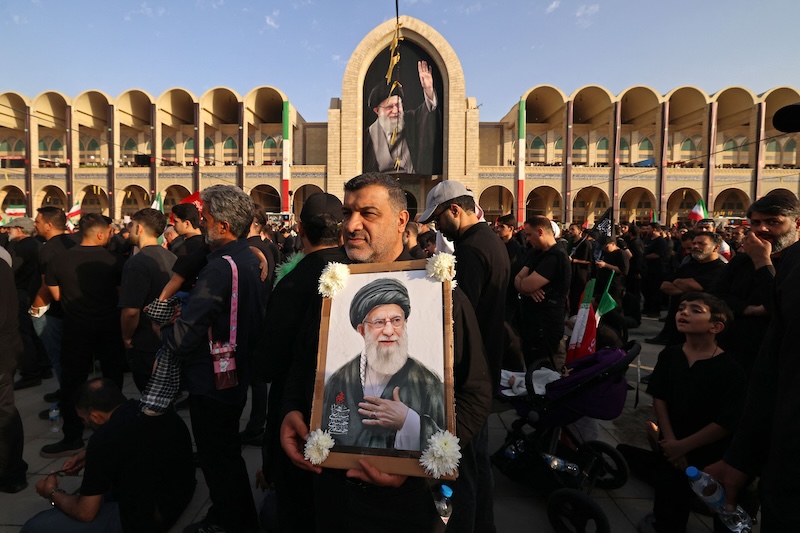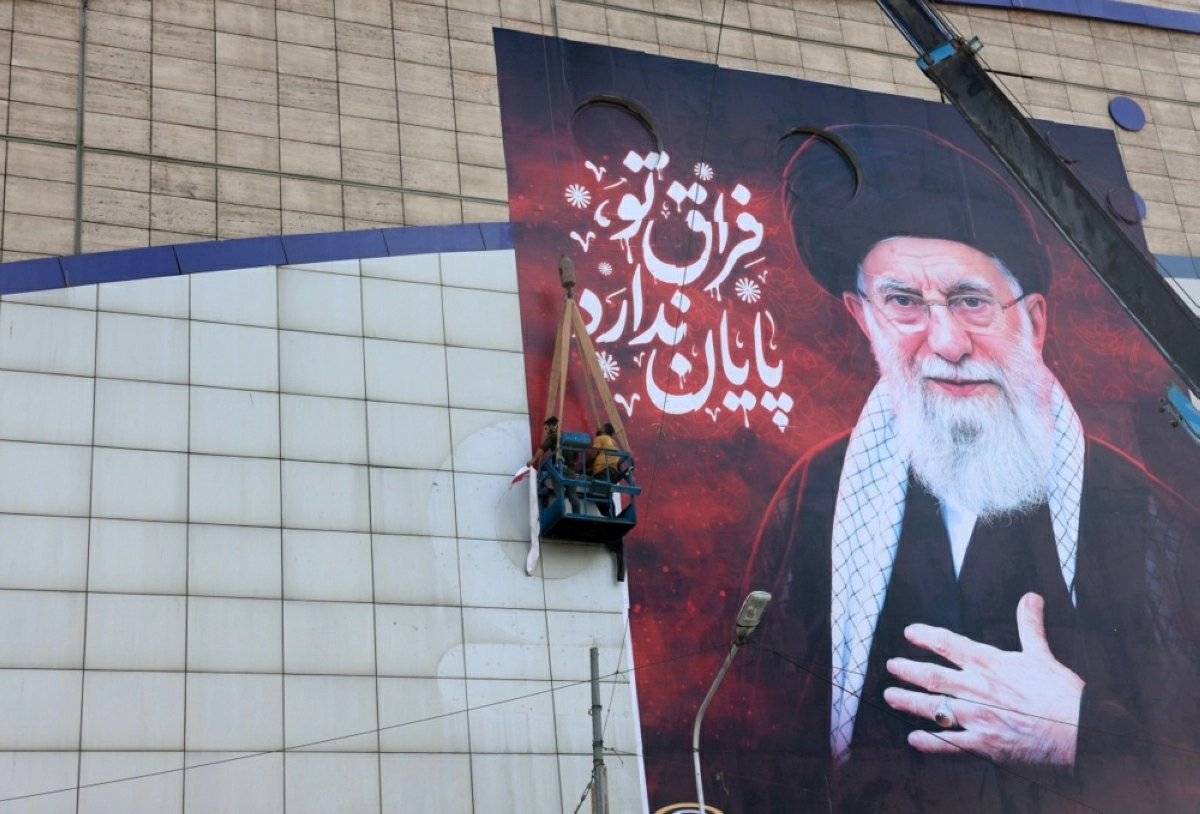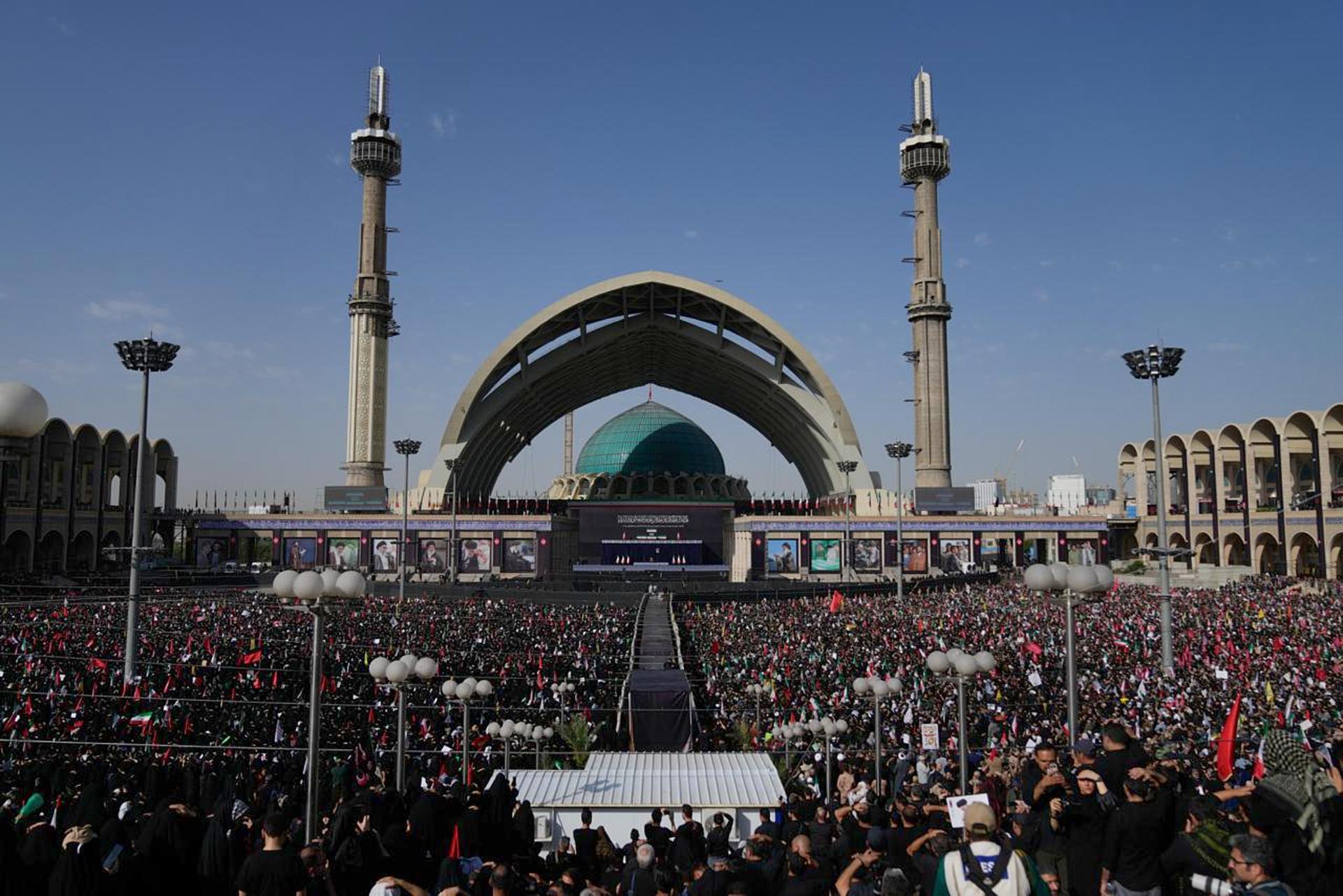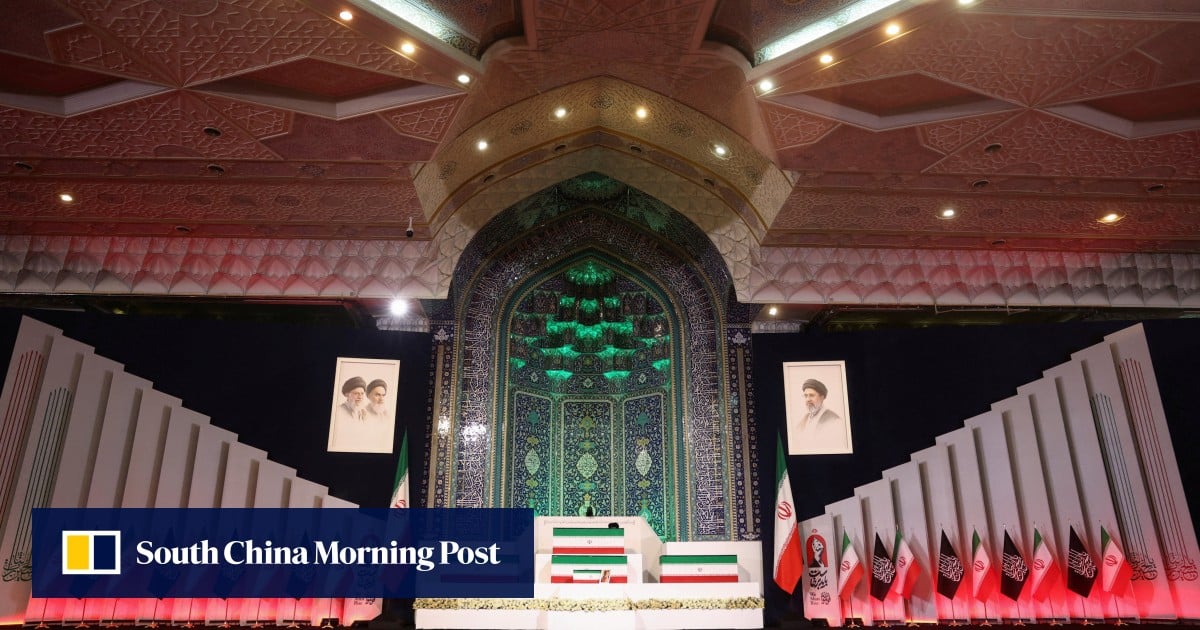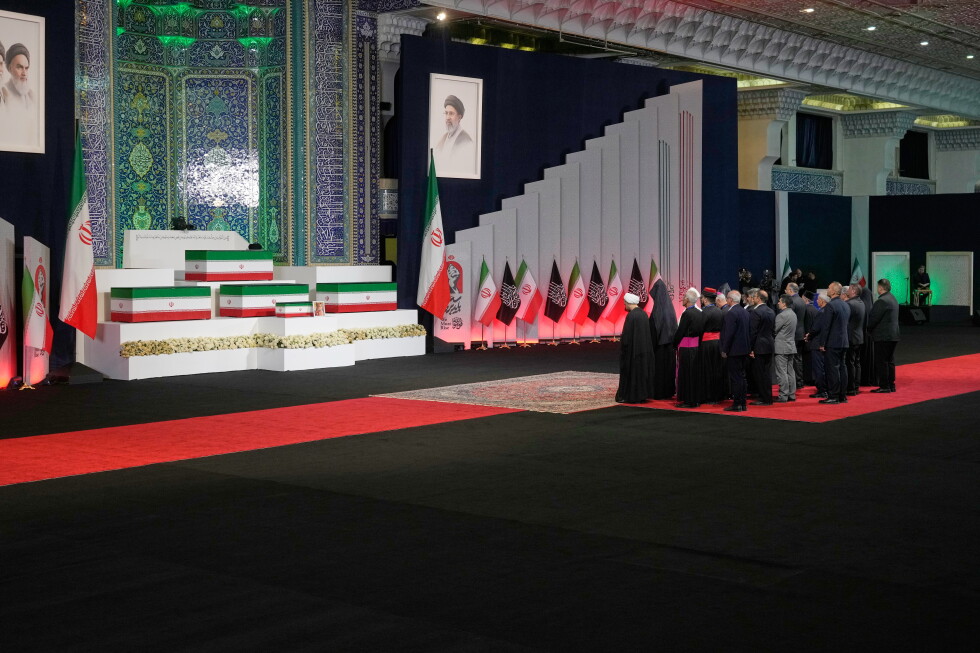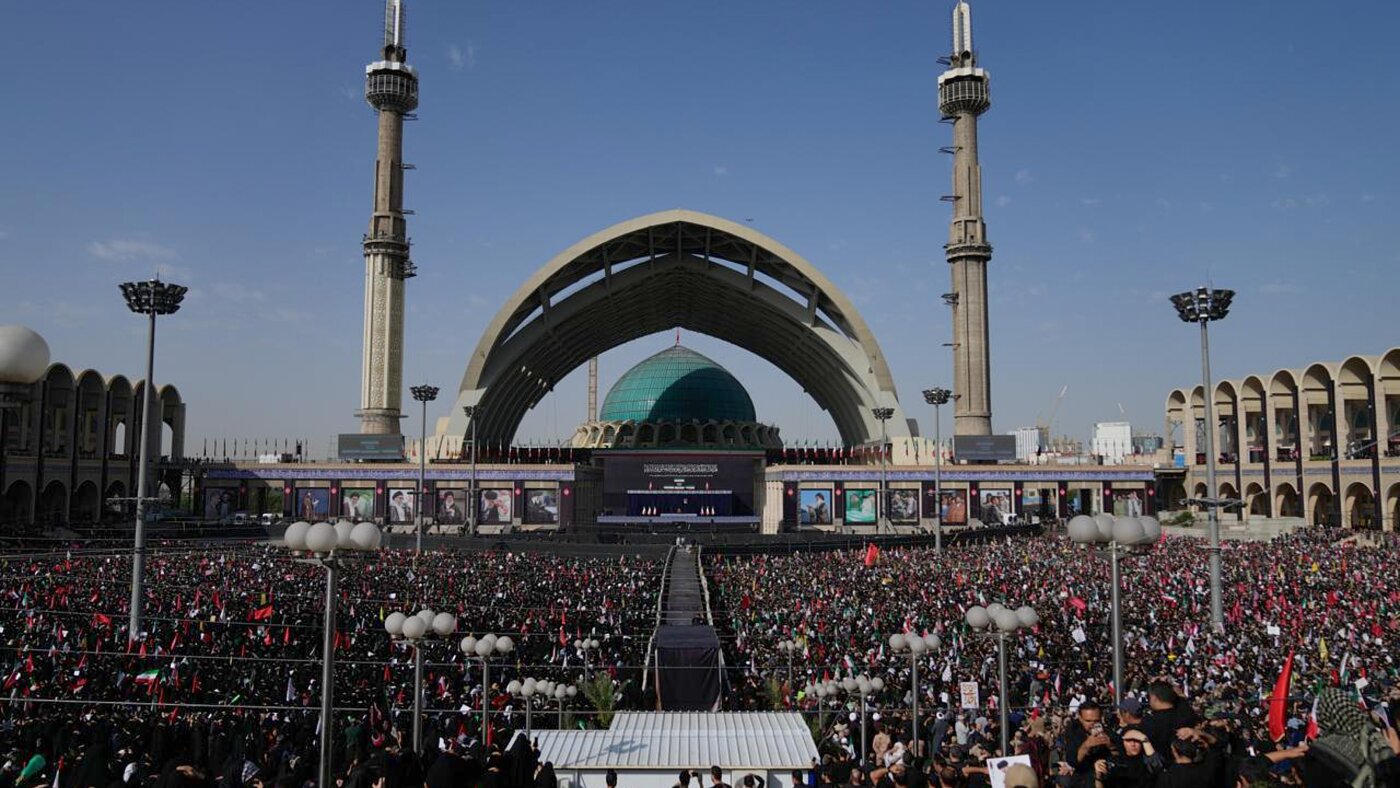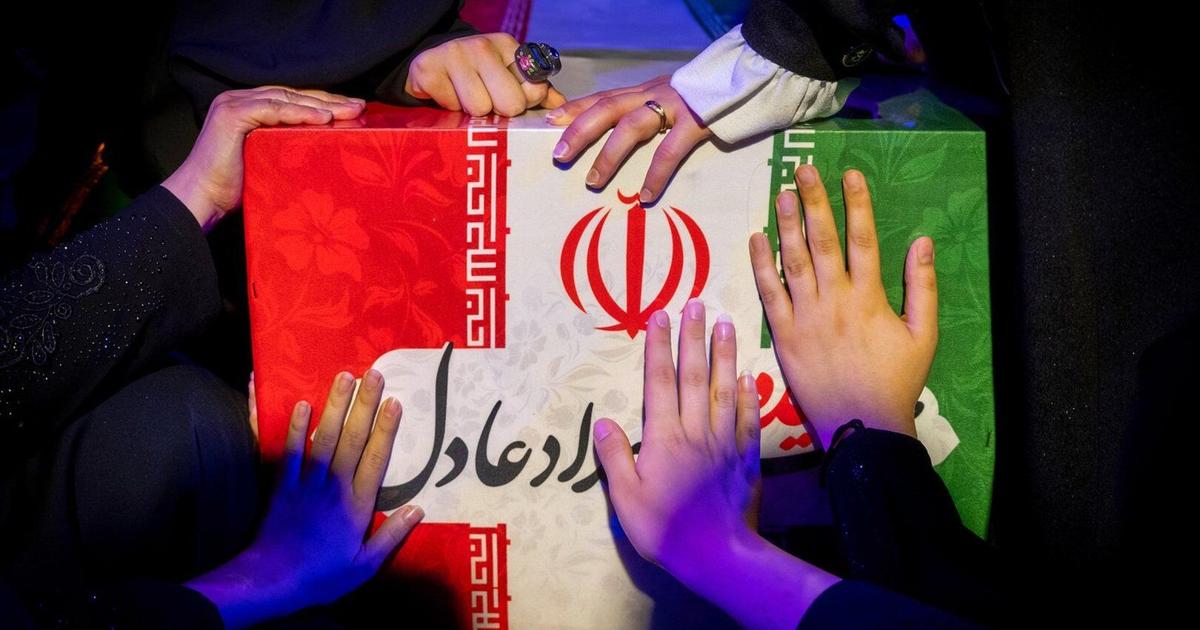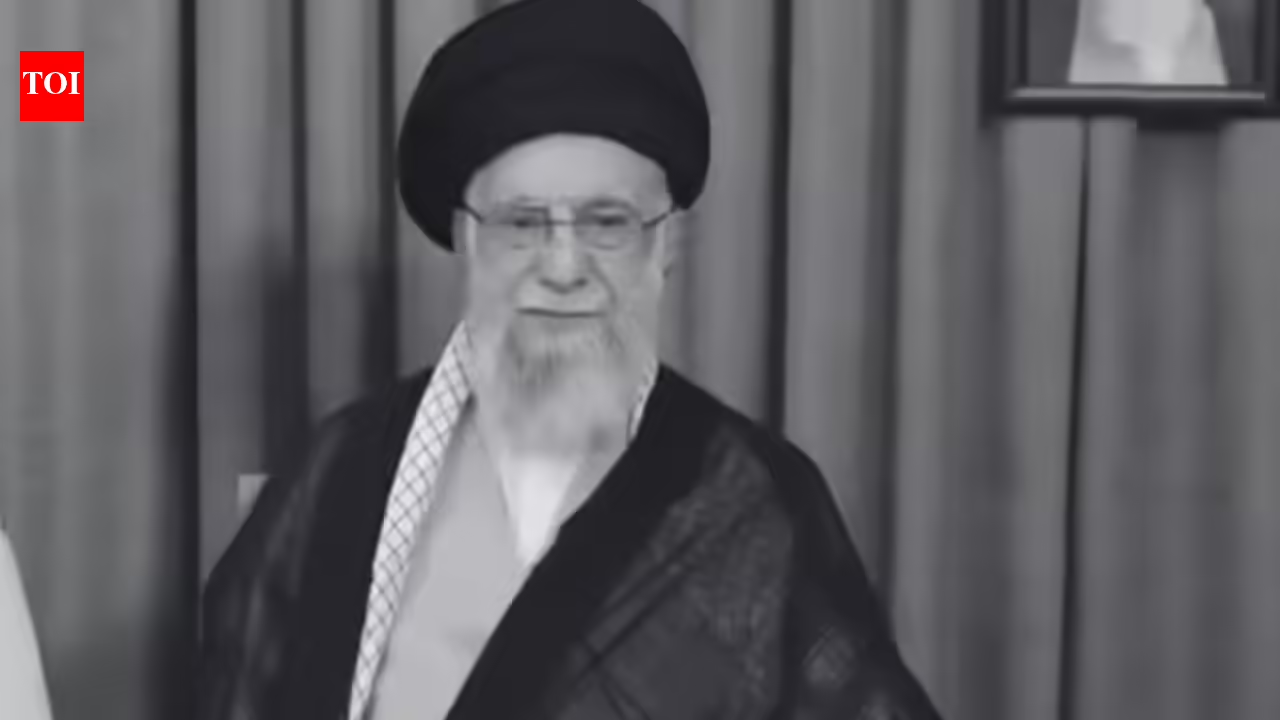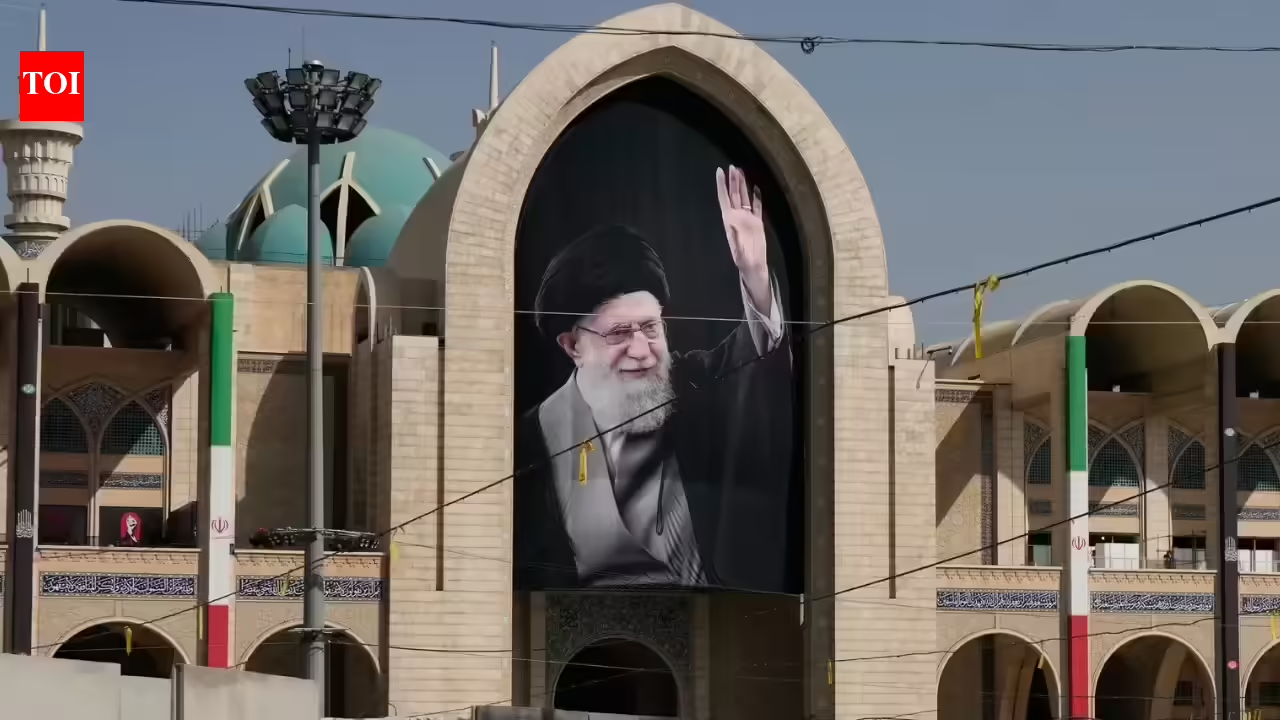
Preparations underway ahead of the dayslong funeral ceremonies for slain Iranian Supreme Leader Ayatollah Ali KhameneiMonths after Iran's Supreme Leader Ayatollah Ali Khamenei was killed at the start of the war involving Iran, the United States and Israel, the country is preparing for a dayslong funeral that will take his body across major religious and political centres in Iran and neighbouring Iraq before his final burial.Khamenei, who led Iran for nearly four decades, was killed on February 28 in a joint US-Israeli attack, according to Iranian authorities. The funeral was postponed while the conflict continued and is now being held during an uneasy ceasefire and amid ongoing negotiations over a permanent end to the war.The ceremonies are expected to be one of the biggest public events in Iran in recent years, testing the government's ability to mobilise mass public participation after months of political unrest and the war.Ali Khamenei funeral schedule: When and whereJuly 4-5: Public viewing in TehranThe funeral ceremonies begin in Tehran, where Khamenei's body will lie in state at the Grand Mosalla for two days.Thousands of mourners are expected to pay their respects, while Iranian authorities are likely to encourage government employees, members of the Revolutionary Guard, Basij forces and the public to participate in large numbers.July 6: Funeral procession through TehranOn Monday, Khamenei's body will be carried through the streets of Tehran in a large funeral procession before departing for Qom, approximately 120 kilometres south of the capital.The procession is expected to be one of the largest public gatherings in Iran since the war.July 7: Ceremonies in QomOn Tuesday, memorial ceremonies will be held in Qom, Iran's most important centre of Shiite religious scholarship.The city houses some of the country's leading seminaries and remains a key spiritual centre for Iran's clerical establishment.July 8: Procession in Karbala, IraqOn Wednesday, Khamenei's body will be taken across the border to Karbala, Iraq, home to the shrine of Imam Hussein, one of the holiest sites in Shiite Islam.The visit to Karbala is intended to honour Khamenei at a shrine deeply associated with sacrifice and resistance in Shiite tradition.The day also coincides with the anniversary of nationwide protests against Khamenei's rule, during which thousands were reportedly killed in security crackdowns.Final journey to MashhadFollowing the ceremonies in Iraq, Khamenei's body will be transported to Mashhad, Iran's second-largest city, where he will be buried.Authorities have not announced a separate public procession in Mashhad beyond the burial ceremonies.Where will Ali Khamenei be buried?Khamenei will be laid to rest at the Imam Reza shrine in Mashhad.The shrine is among the holiest sites in Shiite Islam and attracts millions of pilgrims annually. Imam Reza, the eighth Shiite Imam, holds immense religious significance, and Islamic tradition maintains that visiting the shrine brings spiritual relief and forgiveness.Several prominent Shiite clerics are buried there, including former Iranian President Ebrahim Raisi, who died in a helicopter crash in 2024.The funeral is expected to serve as a political demonstration of support for Iran's ruling establishment following months of unrest and the devastating war. Authorities are expected to mobilise state institutions, security forces and government workers to ensure large crowds line the funeral route across multiple cities.At the same time, security remains a concern. Israel previously targeted several senior Iranian military leaders during the war, in some cases reportedly using their public appearances to locate them.Crowd safety concernsIranian officials also face the challenge of managing what could become one of the country's largest public gatherings in decades.The funeral of Iran's first Supreme Leader, Ayatollah Ruhollah Khomeini, on June 6, 1989, descended into chaos after millions of mourners overwhelmed security arrangements. Crowds surged toward the casket, causing Khomeini's body to fall into the crowd. Contemporary reports said at least eight people were killed and around 11,000 injured.More recently, a stampede during the funeral of Revolutionary Guard commander Qassem Soleimani in 2020 killed at least 56 people and injured more than 2,000, underscoring the risks associated with massive public processions.Funeral amid fragile diplomacyThe ceremonies come as Iran and the United States continue negotiations under a 60-day interim agreement reached after the war.Technical talks began this week in Qatar, focusing on a permanent settlement covering Iran's nuclear programme and the future of the Strait of Hormuz. However, negotiations remain difficult, with repeated exchanges between Washington and Tehran highlighting the fragility of the ceasefire even as Iran prepares to bid farewell to its longtime supreme leader.
131 days, 4 coffins, 6 days: Full itinerary of slain Supreme Leader Ali Khamenei
Months after Iran's Supreme Leader Ayatollah Ali Khamenei was killed at the start of the war involving Iran, the United States and Israel, the country is preparing for a dayslong funeral that will take his body across major religious and political centres in Iran and neighbouring Iraq before his final burial.
730 words~3 min read