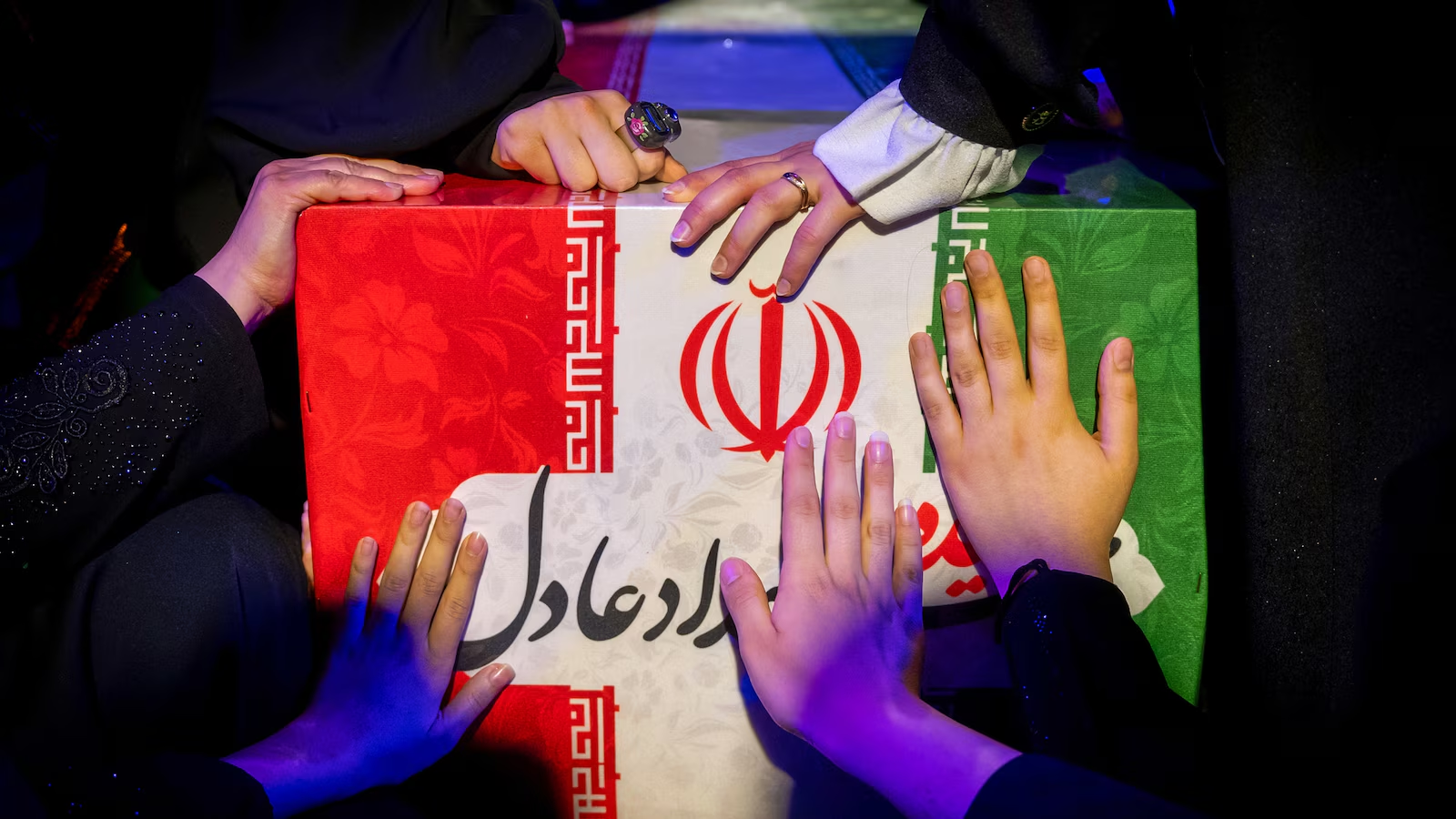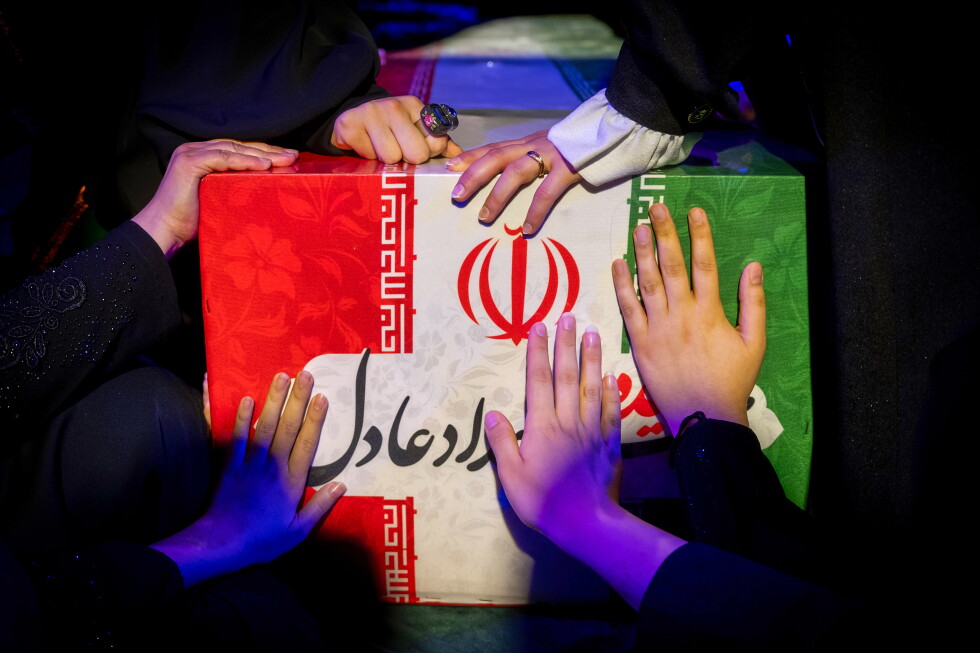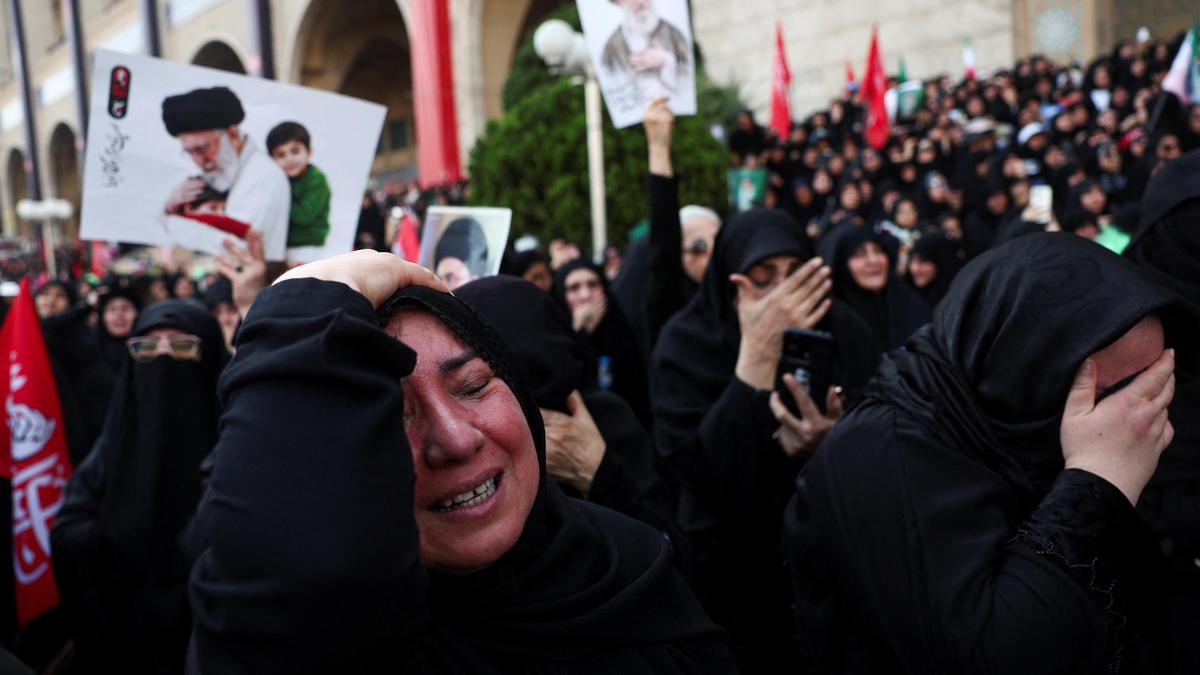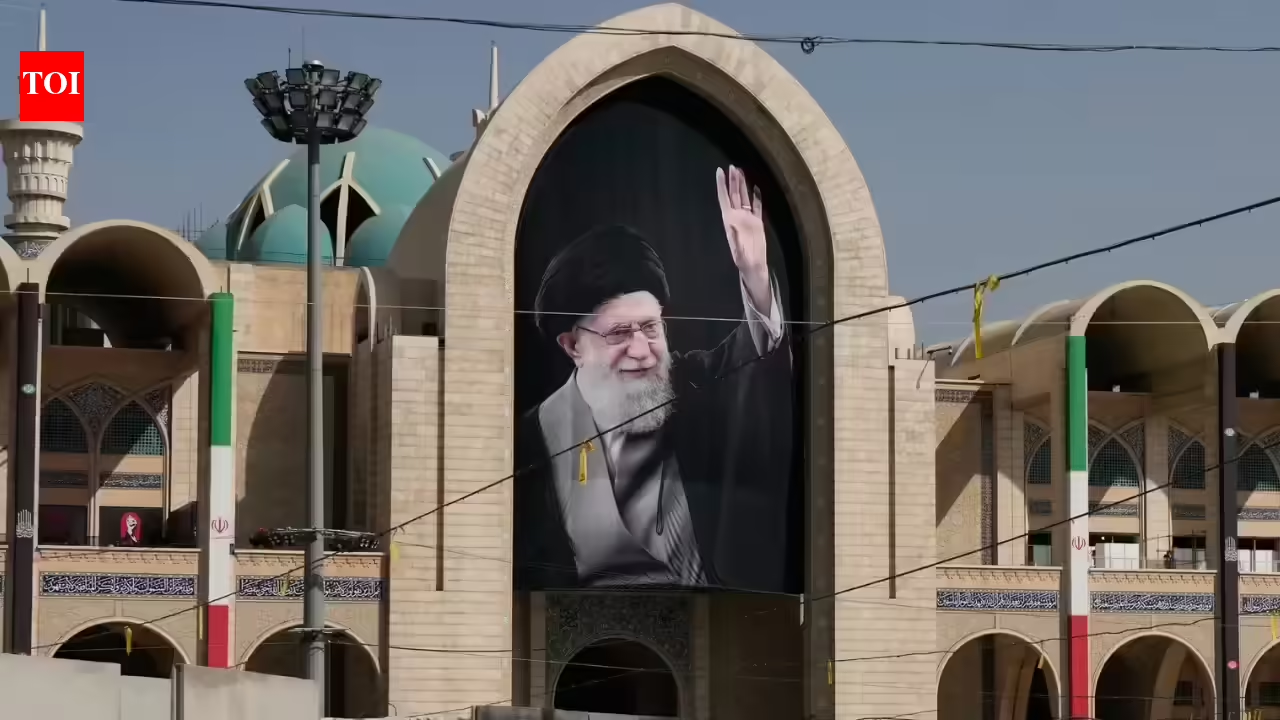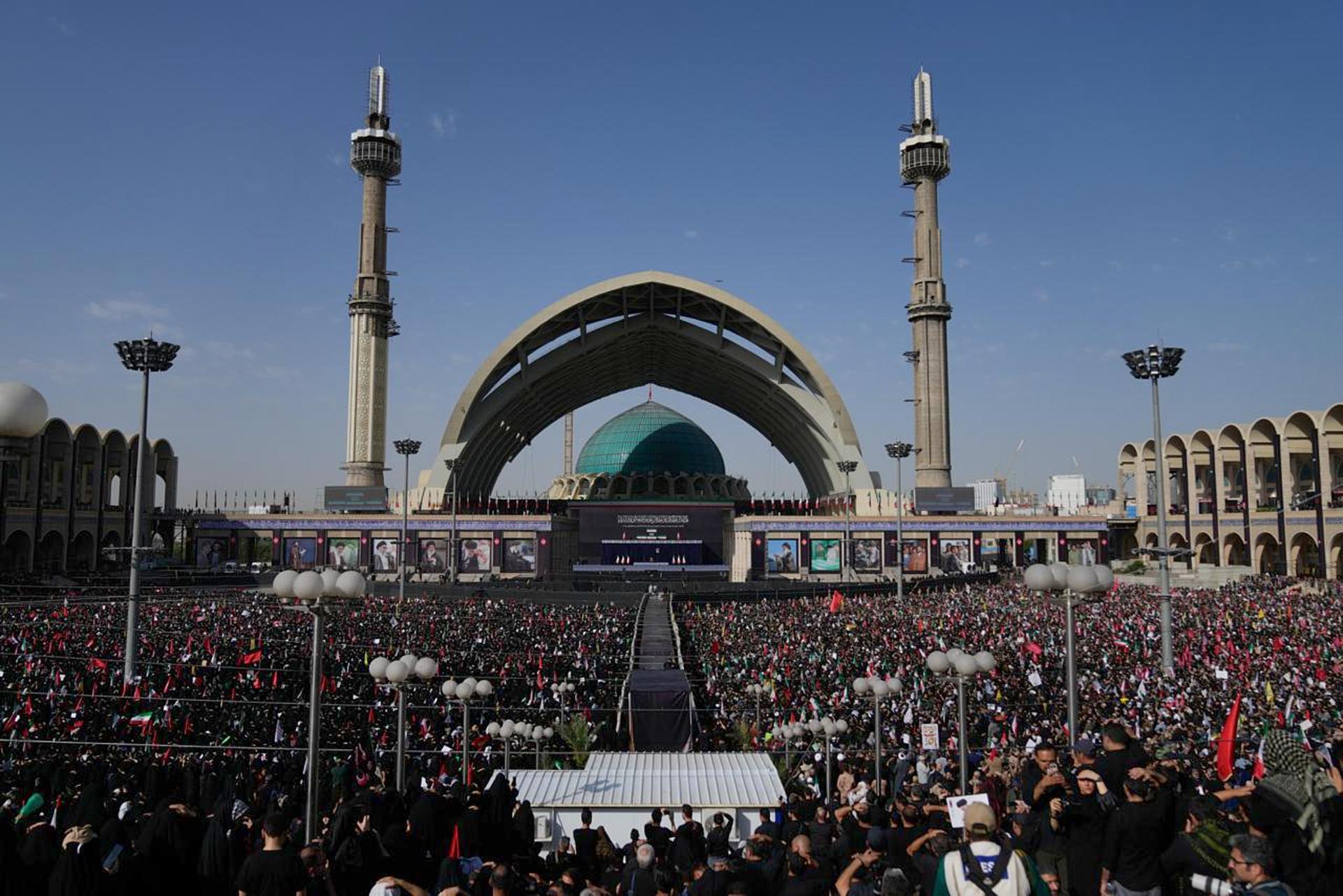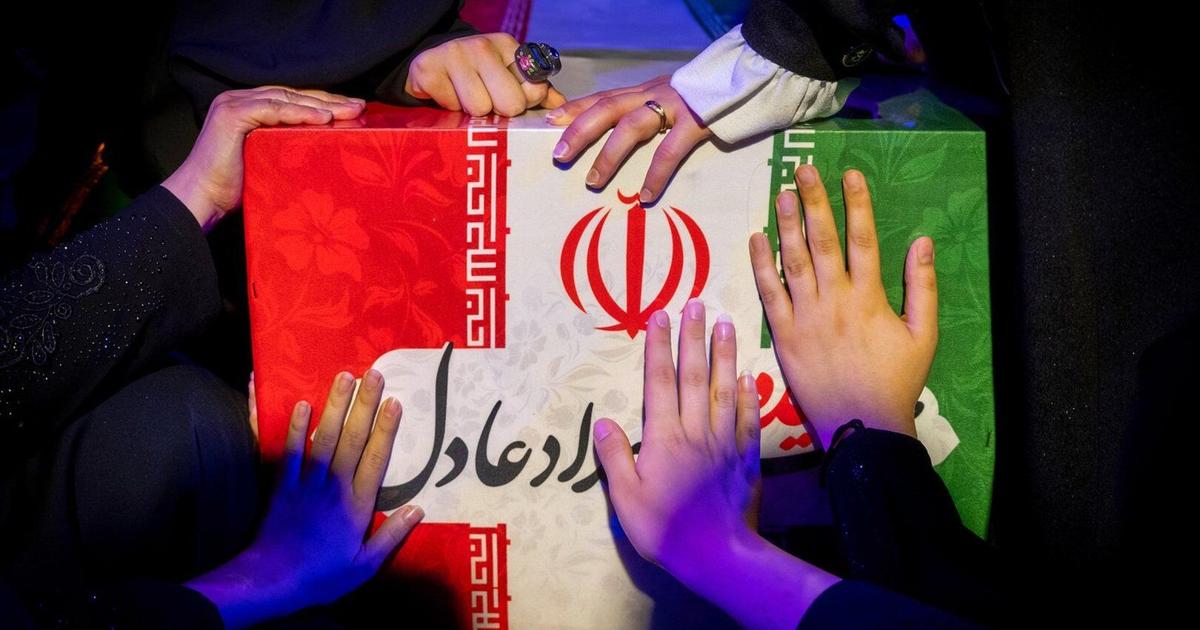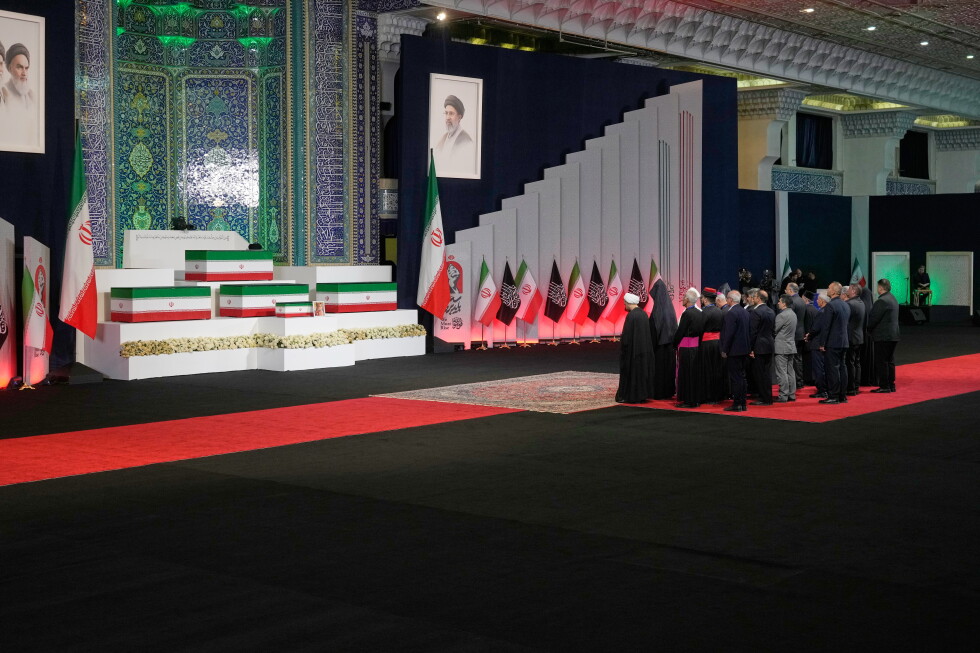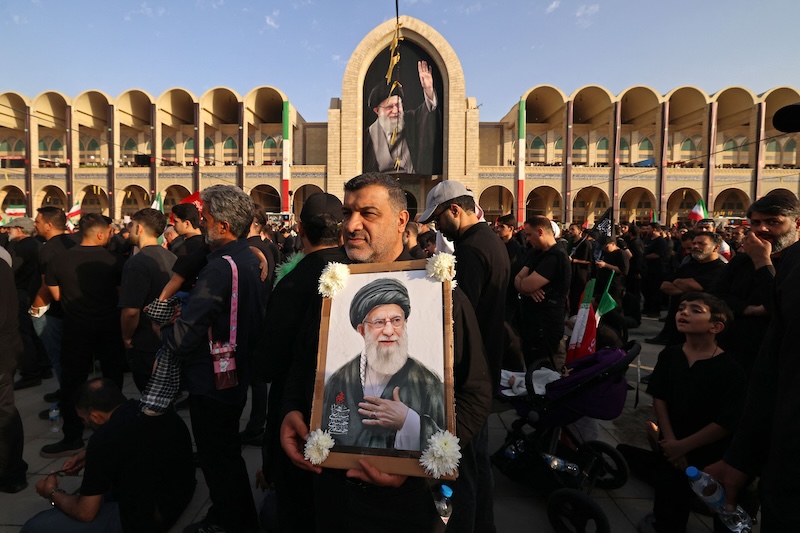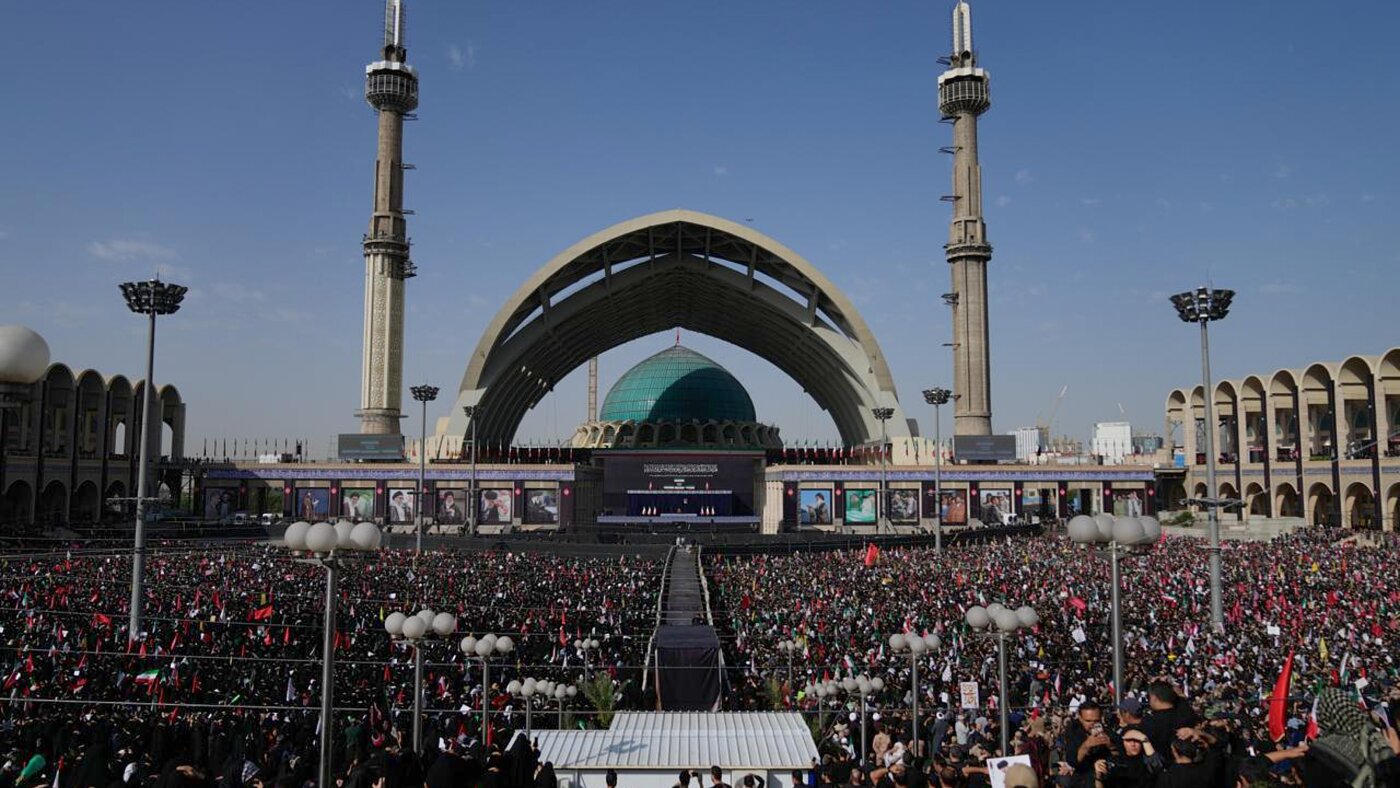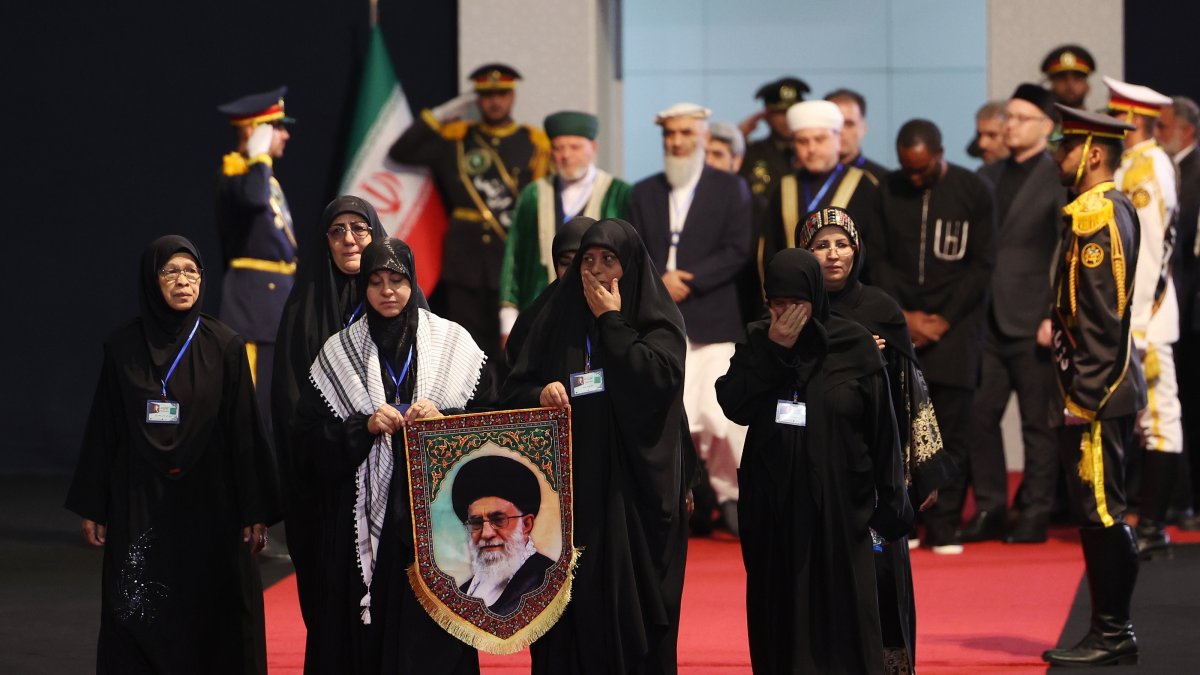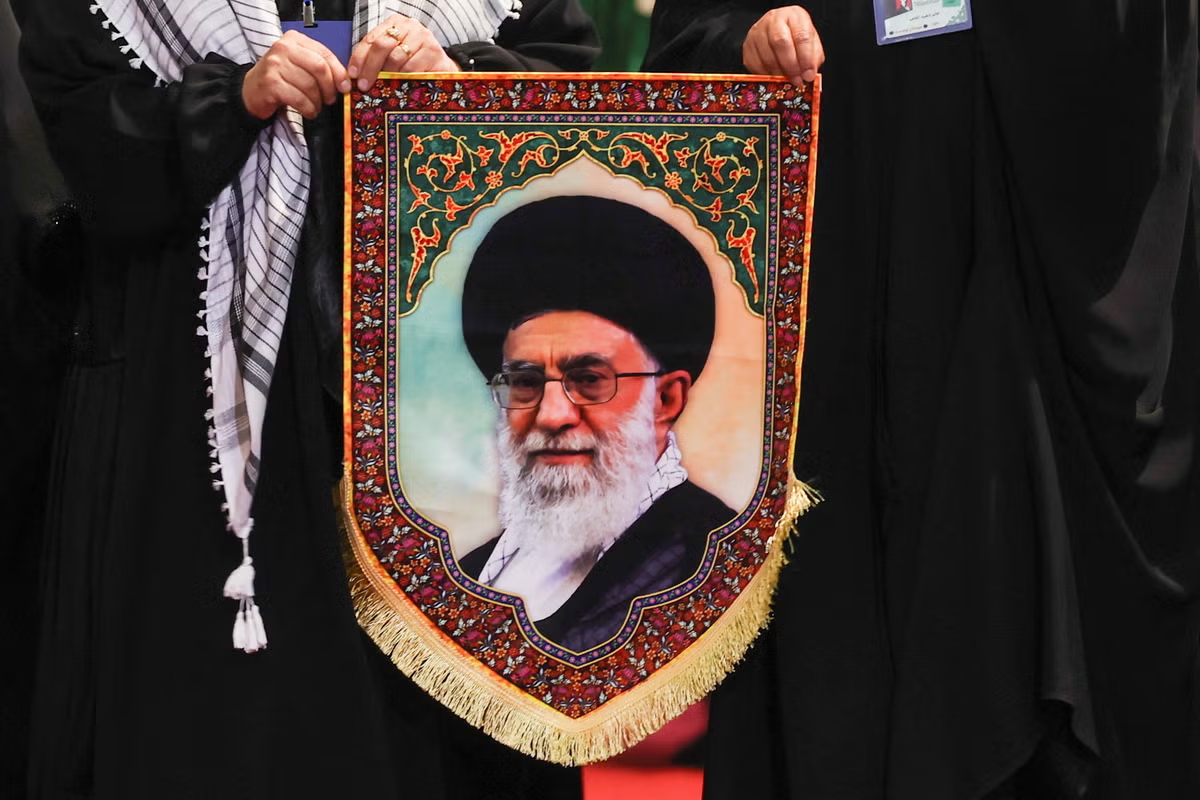
Months after his death at the outset of Iran’s war with the United States and Israel, Ayatollah Ali Khamenei, the nation’s supreme leader, will be honoured with a multi-day funeral and burial ceremony. The extensive mourning period will see his body transported through cities in both Iran and neighbouring Iraq, a spectacle likely to be heavily promoted by Iran’s theocracy to encourage public, governmental and paramilitary participation.Khamenei, who governed Iran for nearly four decades, was killed on 28 February when the US and Israel jointly initiated the conflict. The ensuing war necessitated a delay in his funeral arrangements. This delayed ceremony now serves as a critical test for Iran’s embattled theocracy, assessing its capacity to mobilise widespread public support, particularly as it unfolds six months after security forces brutally suppressed nationwide protests against Khamenei’s rule.A significant turnout, while desired by the regime, also carries the inherent risk of deadly stampedes. Such tragedies have marred past high-profile funerals, including that of Iran's first supreme leader, Ayatollah Ruhollah Khomeini. Members of the Basij paramilitary forces gather on the day international delegates participate in a farewell ceremony for Iran's late Supreme Leader Ayatollah Ali Khamenei (Reuters)An uneasy ceasefire, recently cemented by an interim agreement with the United States, is believed to have provided authorities with the confidence to proceed with the ceremony and ensure the public appearance of top officials. Throughout the war, Israel targeted and killed senior Iranian leaders, in at least one instance leveraging public appearances to track them.However, it remains uncertain whether Khamenei’s son, Ayatollah Mojtaba Khamenei, who has assumed the role of Iran’s new Supreme Leader, will make his inaugural public appearance during these ceremonies. The younger Khamenei, reportedly wounded in the attack that claimed his father’s life, has remained in hiding.The funeral is scheduled to commence on Saturday in Tehran, Iran’s capital. Khamenei’s body will be displayed at Tehran's Grand Mosalla over the weekend. On Monday, it will be paraded through the streets of Tehran before being moved to the Shiite seminary city of Qom, approximately 120 kilometres to the south, where further tributes will be paid on Tuesday.Wednesday will see Khamenei’s body transported to Karbala, Iraq, home to the revered shrine of Imam Hussein, the grandson of the Prophet Muhammad and a long-standing symbol of resistance for Shiite faithful. This day also coincides with the anniversary of the protests against Khamenei's rule, which resulted in thousands of deaths at the hands of security forces. The procession will culminate in Mashhad, Iran’s second-largest city.Authorities have confirmed that Khamenei will be interred in Mashhad at the Imam Reza shrine. Imam Reza, the eighth imam of Shiite Islam, attracts millions of pilgrims annually. A hadith, or saying, promises relief from sorrow or sin to those who visit the shrine. Many prominent Shiite clerics, as well as Iran's late President Ebrahim Raisi, who died in a helicopter crash in 2024, are buried there.Women react as they walk to pay their respects near the coffins of Iran's late Supreme Leader Ayatollah Ali Khamenei and his family members (Reuters)The funeral of Ayatollah Ruhollah Khomeini on 6 June 1989 saw millions of Iranians flood the streets, leading to chaos. Mourners surged towards the casket, causing the 86-year-old leader’s body to fall into the crowd. Initial reports indicated at least eight fatalities and approximately 11,000 injuries. Similar concerns persist for Khamenei’s funeral, particularly if crowds reach millions. The burial of the late Revolutionary Guard General Qassem Soleimani in 2020 also resulted in a stampede, killing at least 56 people and injuring over 2,000.This extensive funeral takes place as the interim deal to end the Iran war faces significant challenges. The agreement, reached in June, established a 60-day window for negotiating a final deal, encompassing Iran's nuclear programme and the future of the Strait of Hormuz. Technical discussions began in Qatar this week but have been complicated by deep disagreements and several days of crossfire between the US and Iran concerning the strait’s future.
Iran begins days-long funeral for Ayatollah Khamenei months after his death
Mourners in Iran are preparing for a days-long funeral for the late Ayatollah Ali Khamenei, who was killed at the start of the war with the US and Israel
658 words~3 min read