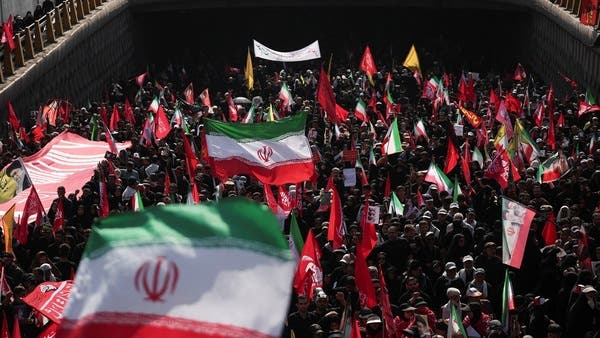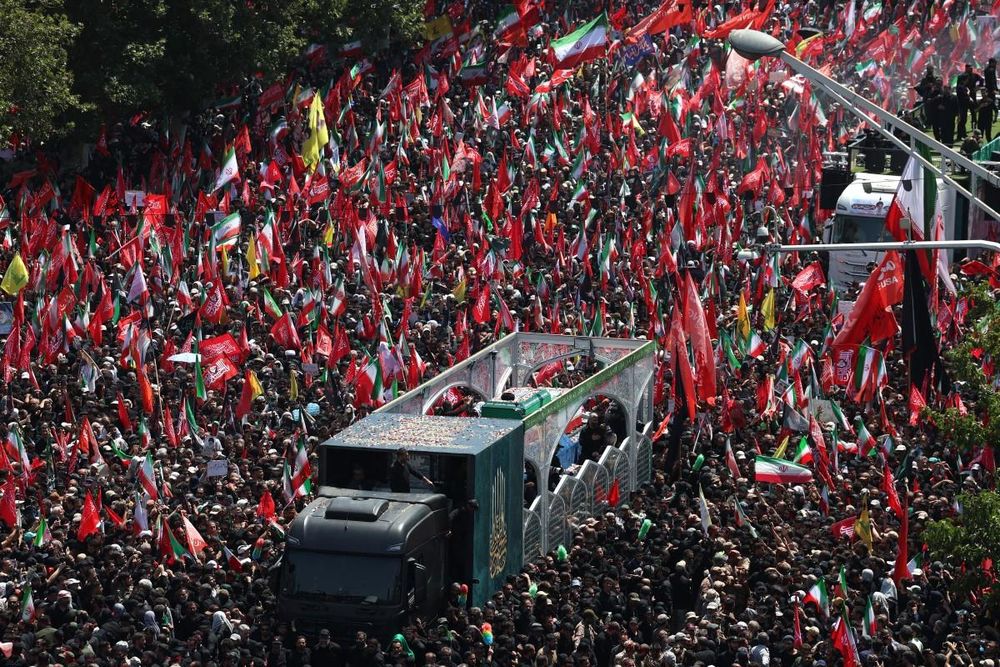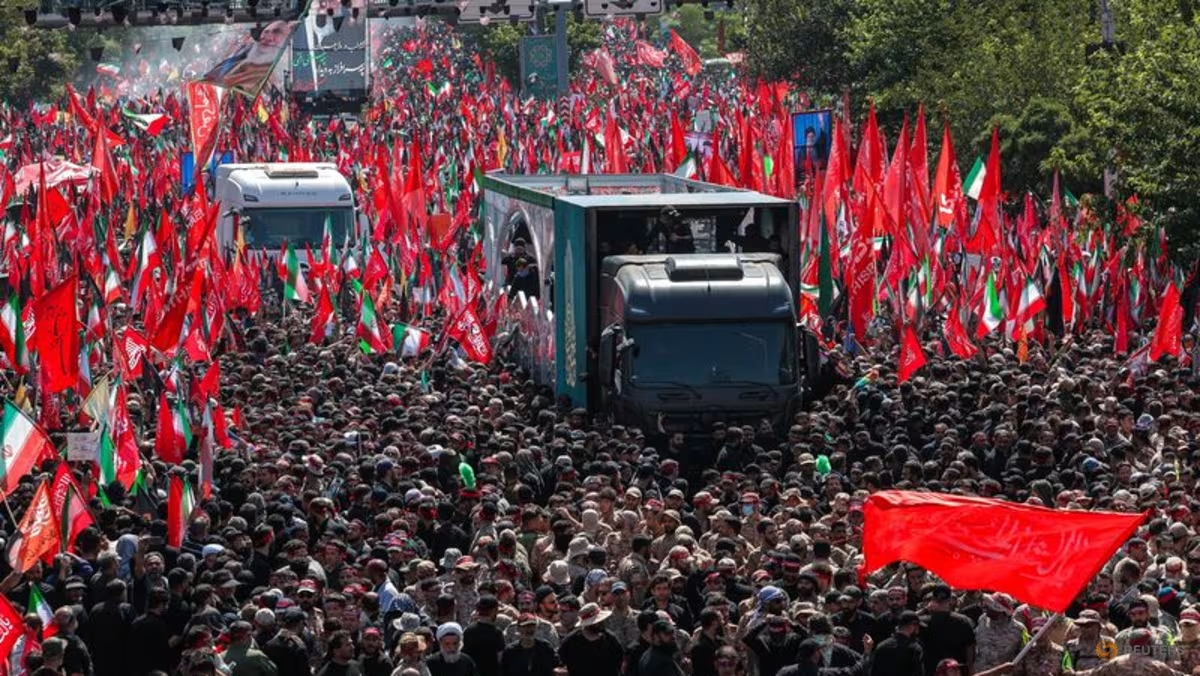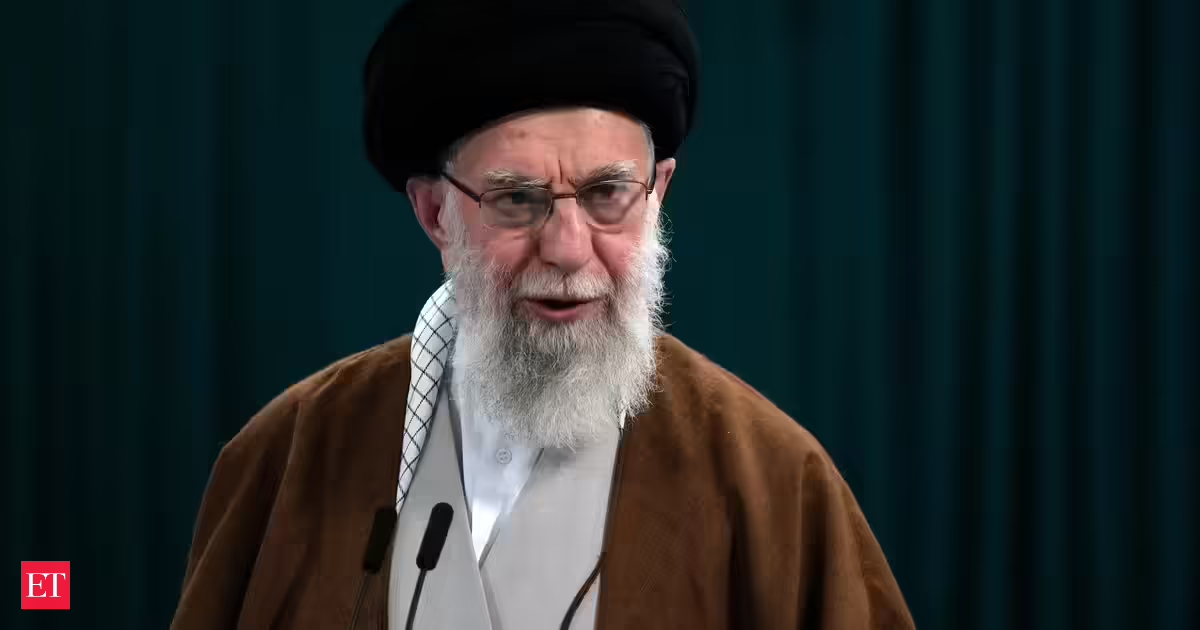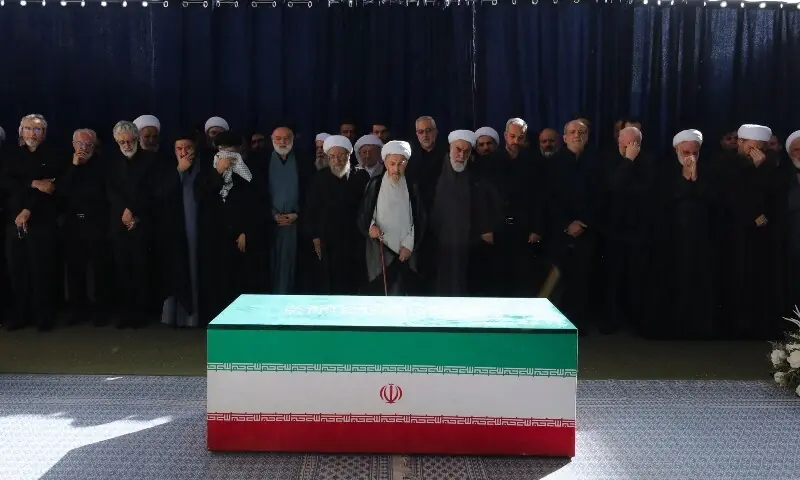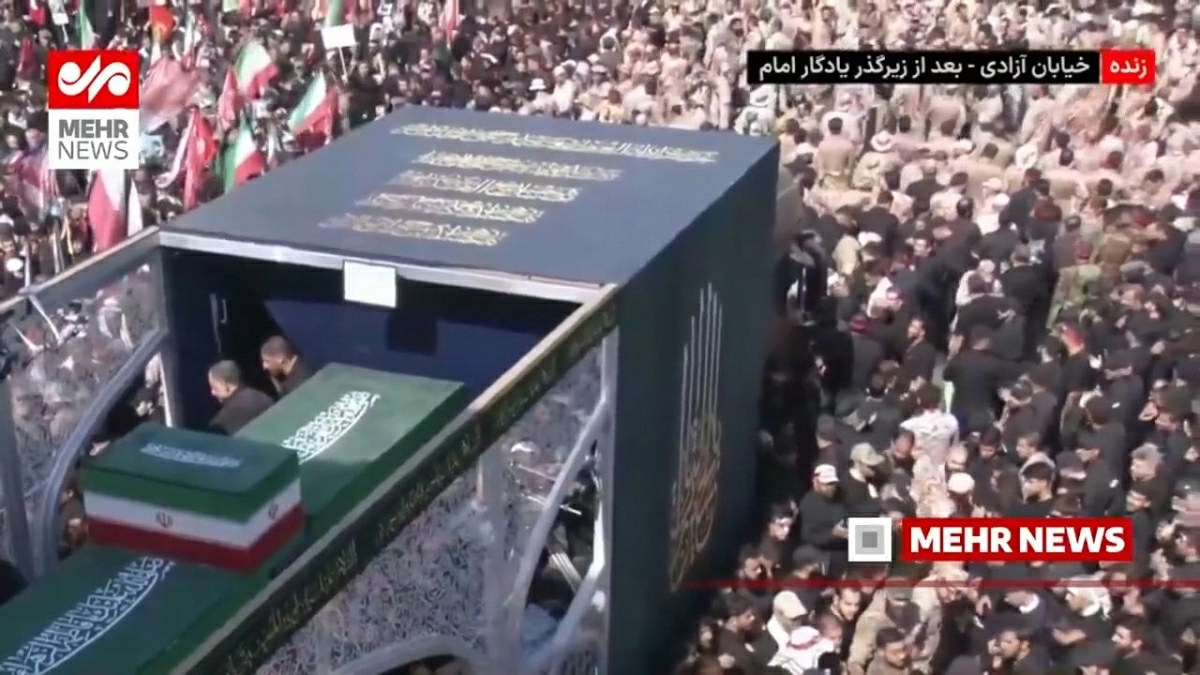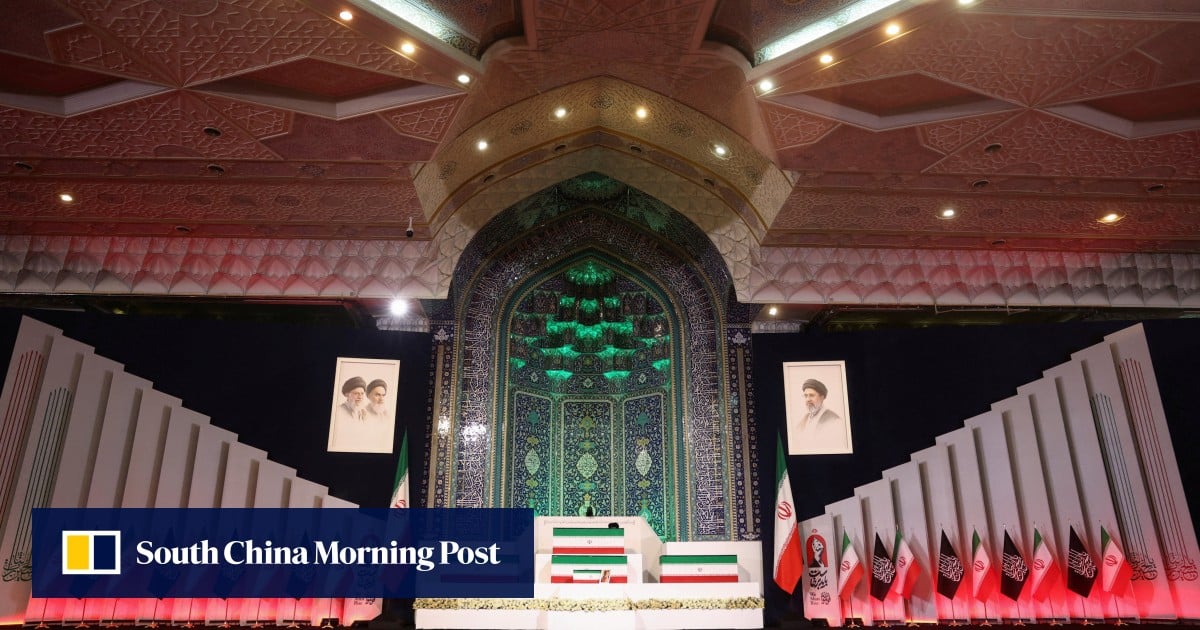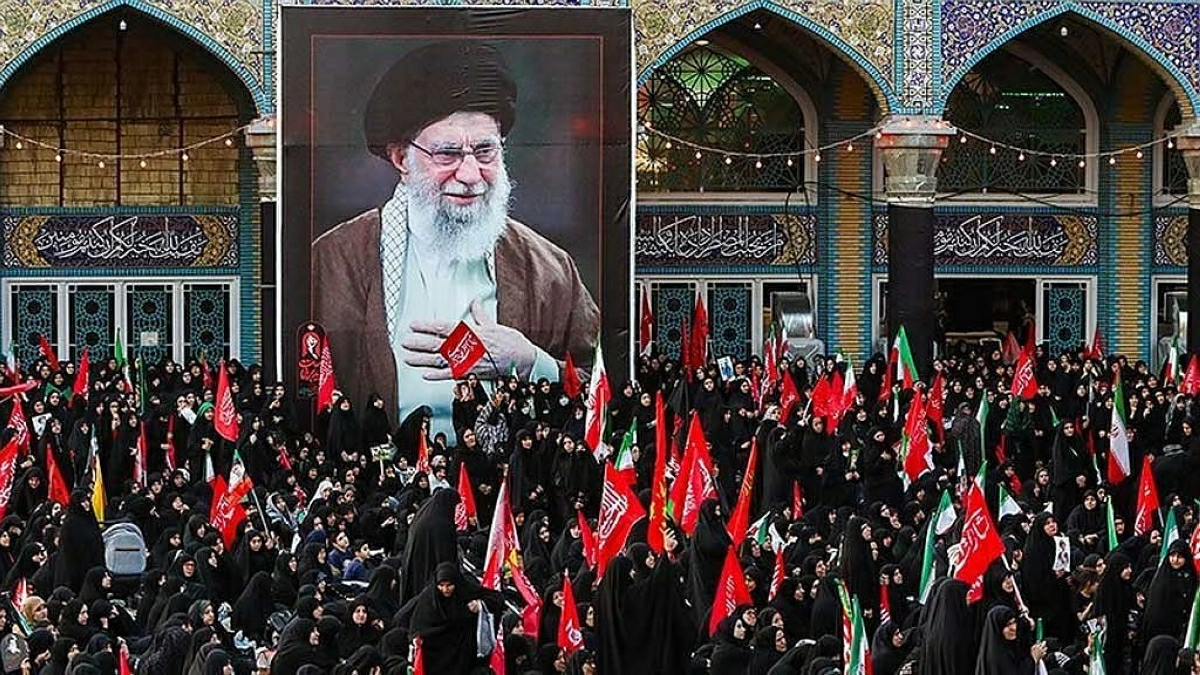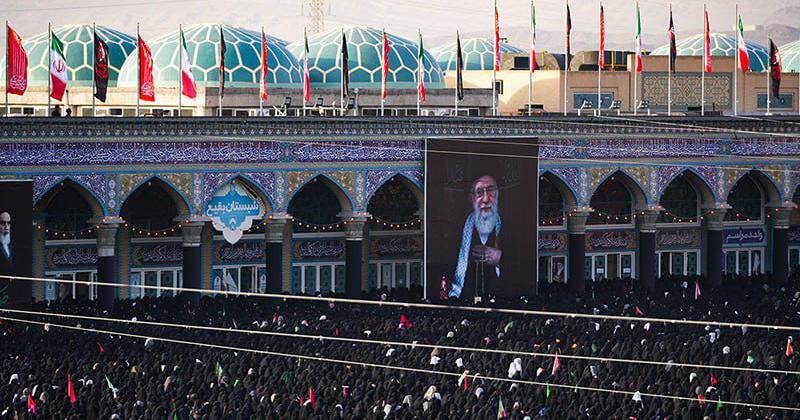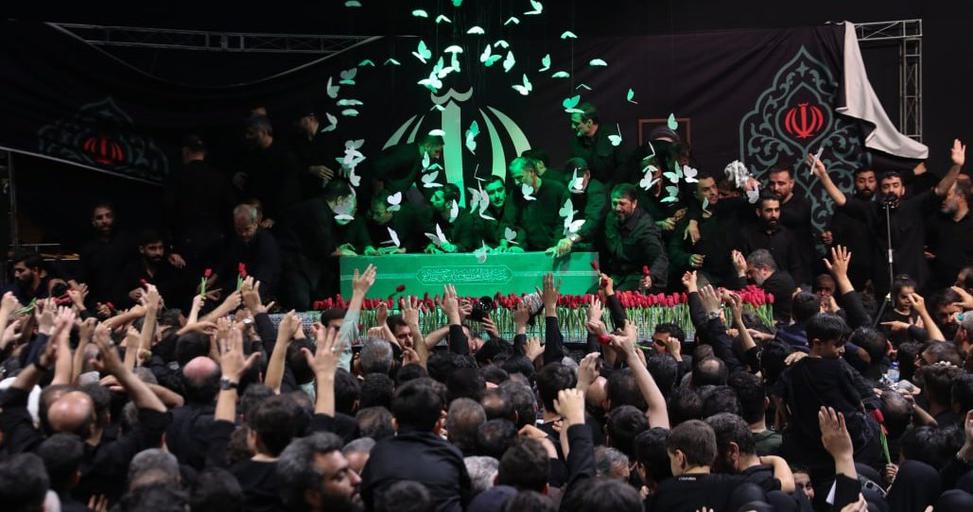
The funeral procession for Ali Khamenei, the slain leader of the Islamic Republic, and several members of his family commenced on Friday, July 3, at the Tehran Grand Musalla. This ceremony marks the initial stage of a multi-day program scheduled to take place across Tehran, Qom, Najaf, Karbala, and ultimately Mashhad.
The Tehran ceremony saw the attendance of delegations from several countries, including Russia, China, Iraq, Turkmenistan, India, and other allied nations of the Islamic Republic. In contrast, no senior Western officials were invited to the event or participated in it.
One of the most notable aspects of the procession was the continued absence of Mojtaba Khamenei, the current Supreme Leader of the Islamic Republic. Despite being designated as his father’s successor following the assassination, he has not appeared at any public ceremonies related to the funeral. International media outlets have reported that he has not been seen in public since the US and Israeli air strikes, fueling ongoing speculation regarding his physical condition and whereabouts, though Islamic Republic officials have offered no explanation for his absence.
Simultaneously, Tehran is under an intense security lockdown as the procession begins. Over the past few days, authorities have announced administrative closures, strict traffic restrictions, public transit rerouting, and a sweeping allocation of state infrastructure to accommodate the event. Schools, mosques, sports complexes, and other public facilities have been repurposed to lodge crowds bussed into Tehran from other cities.