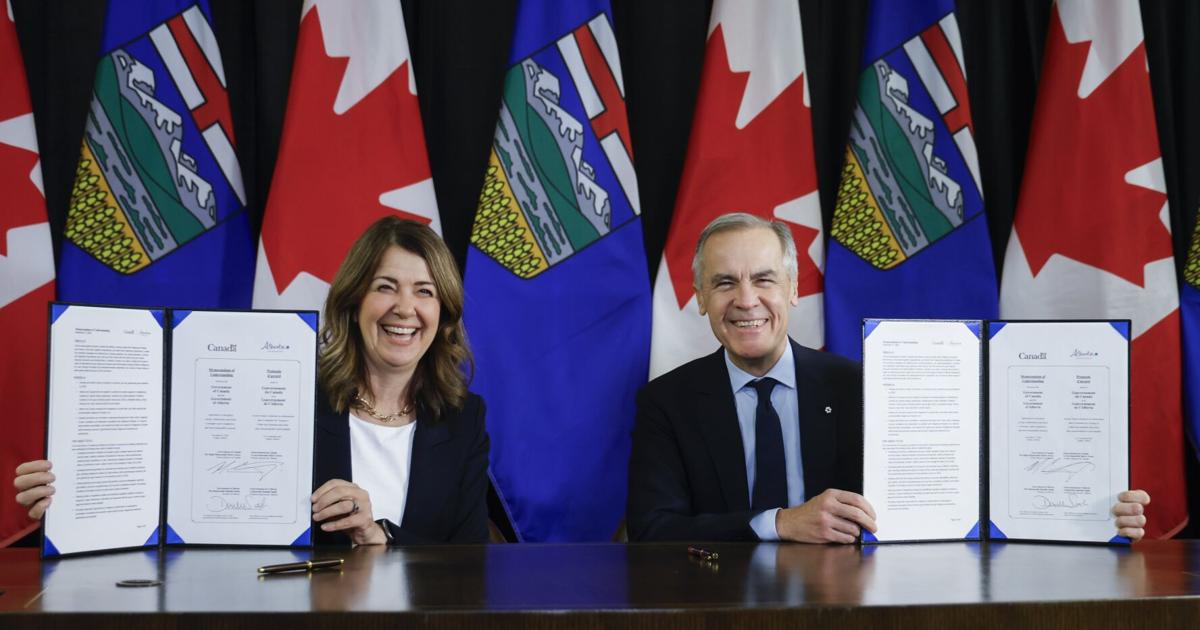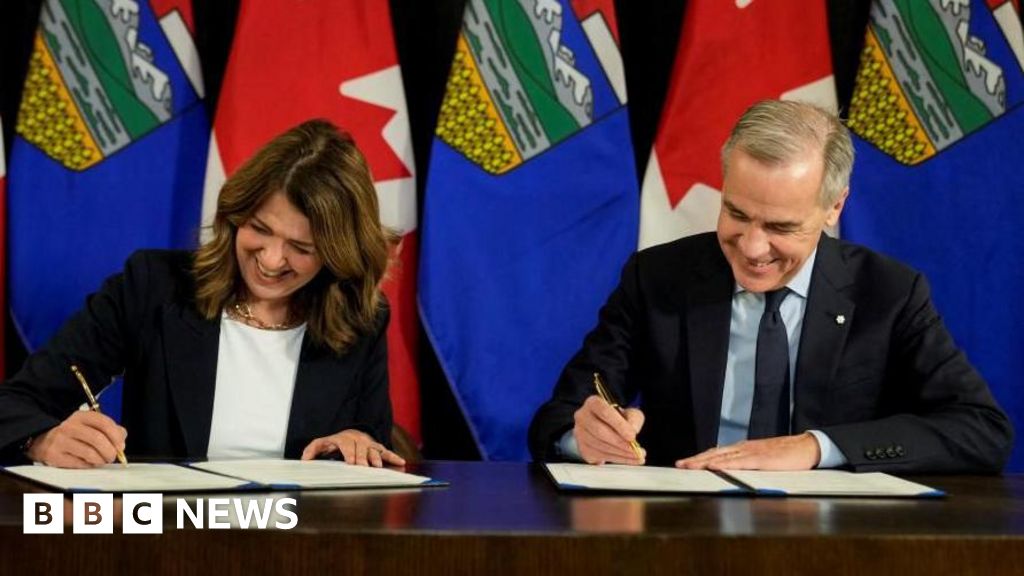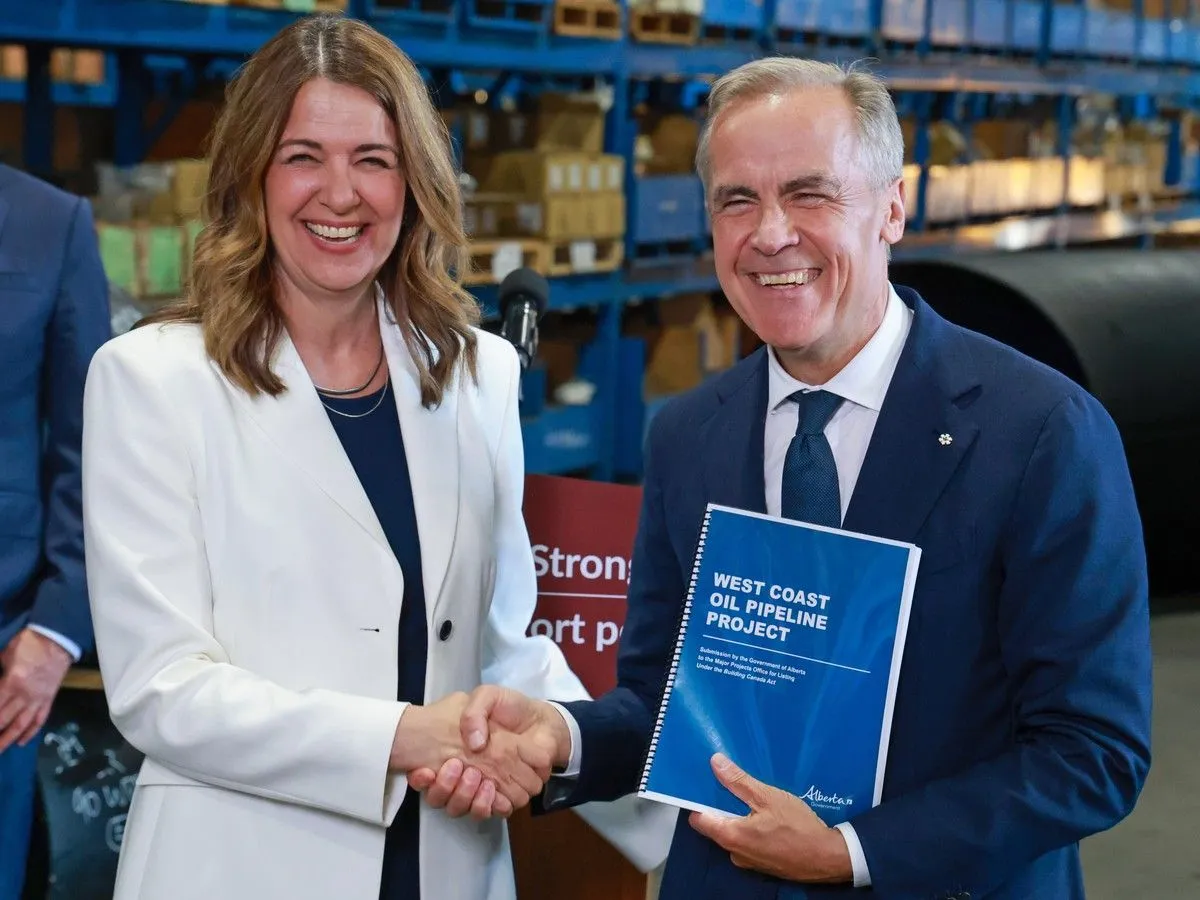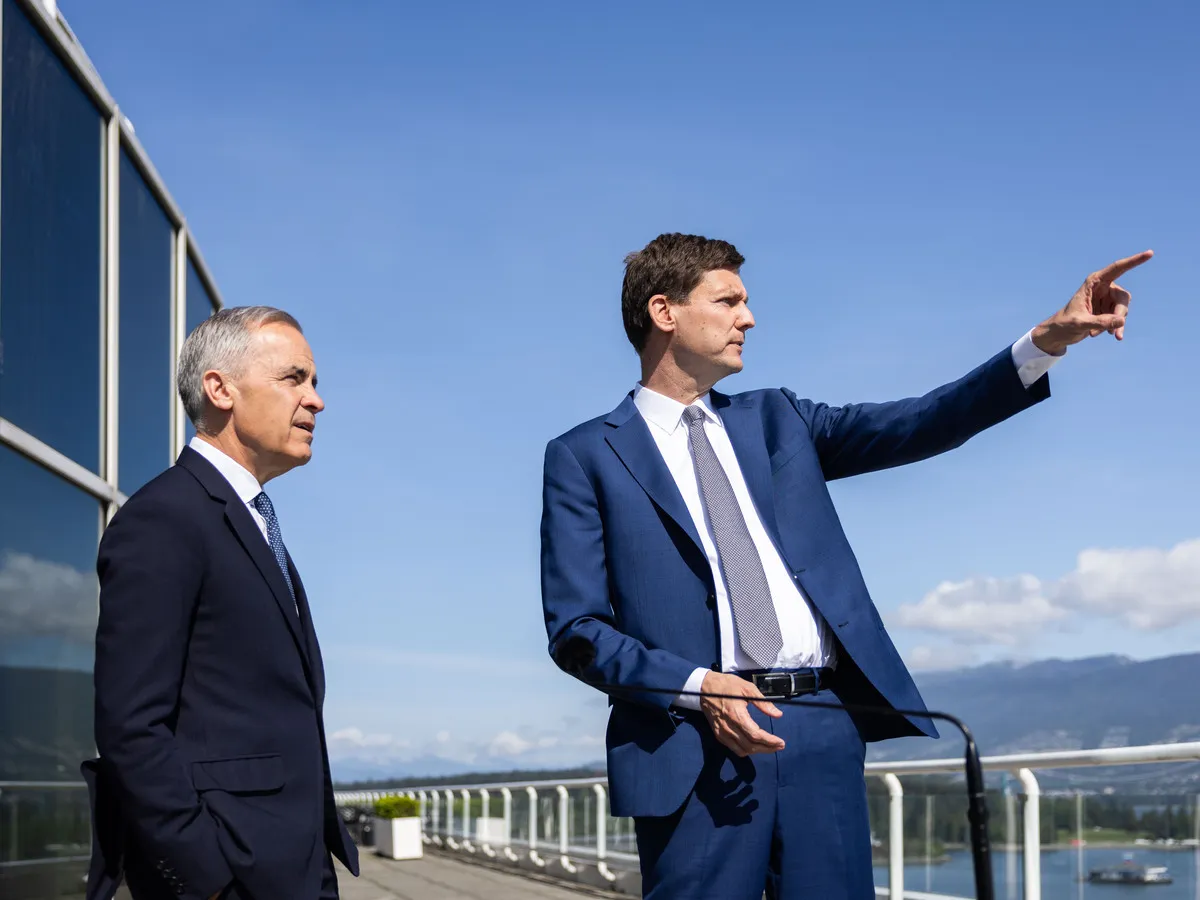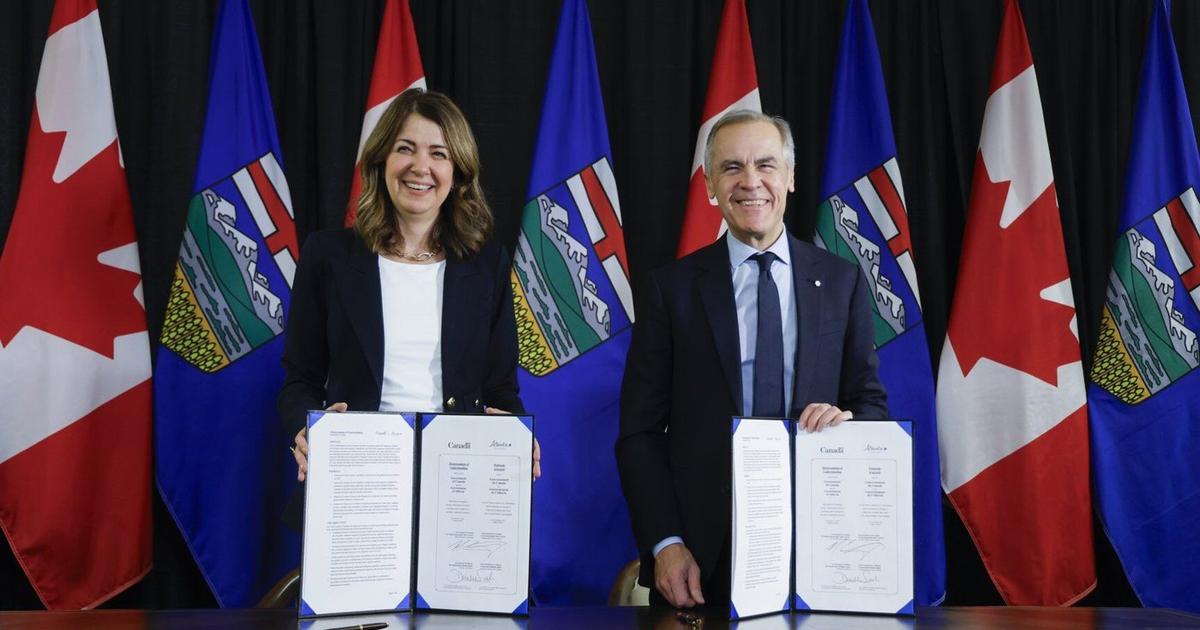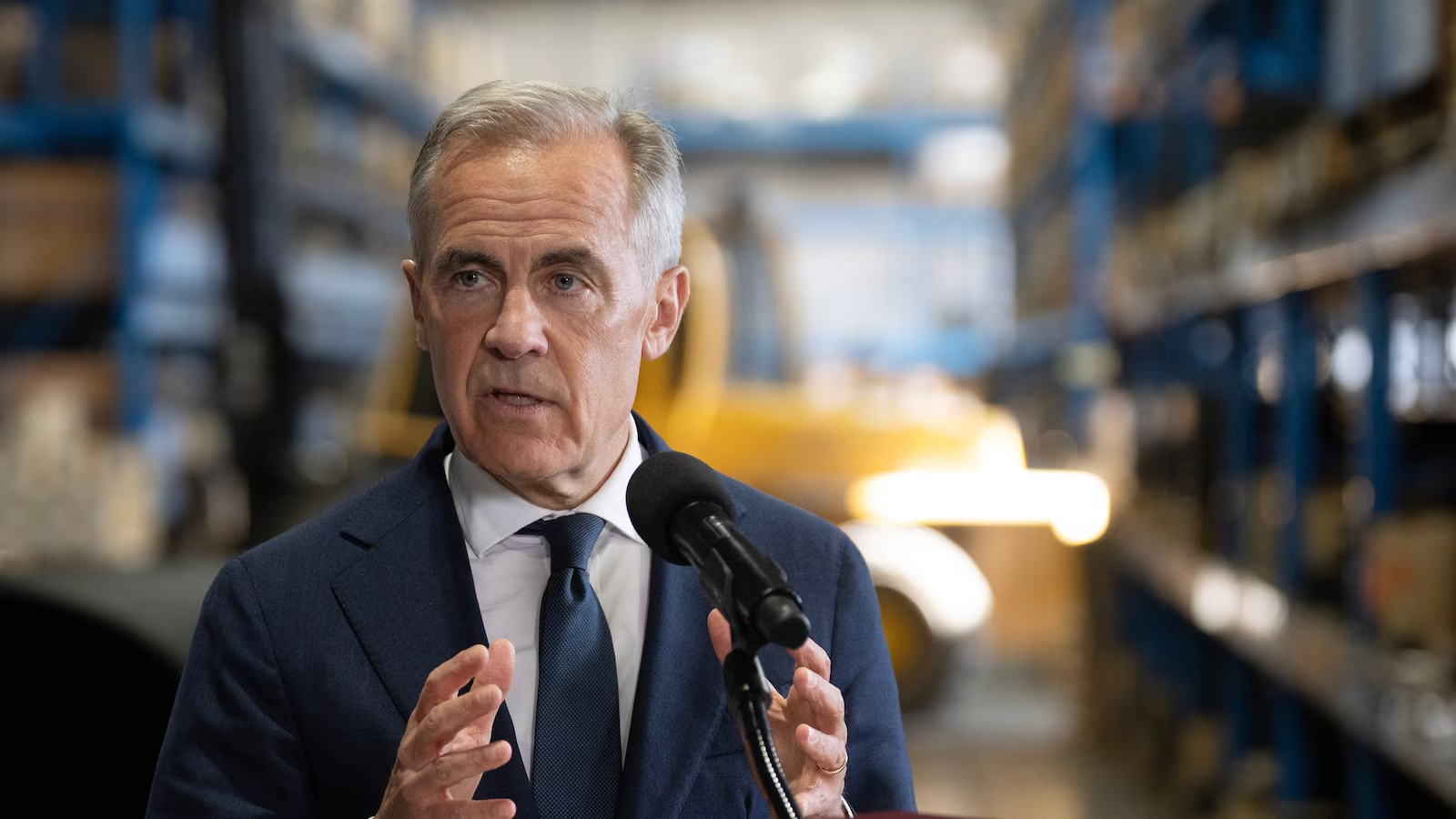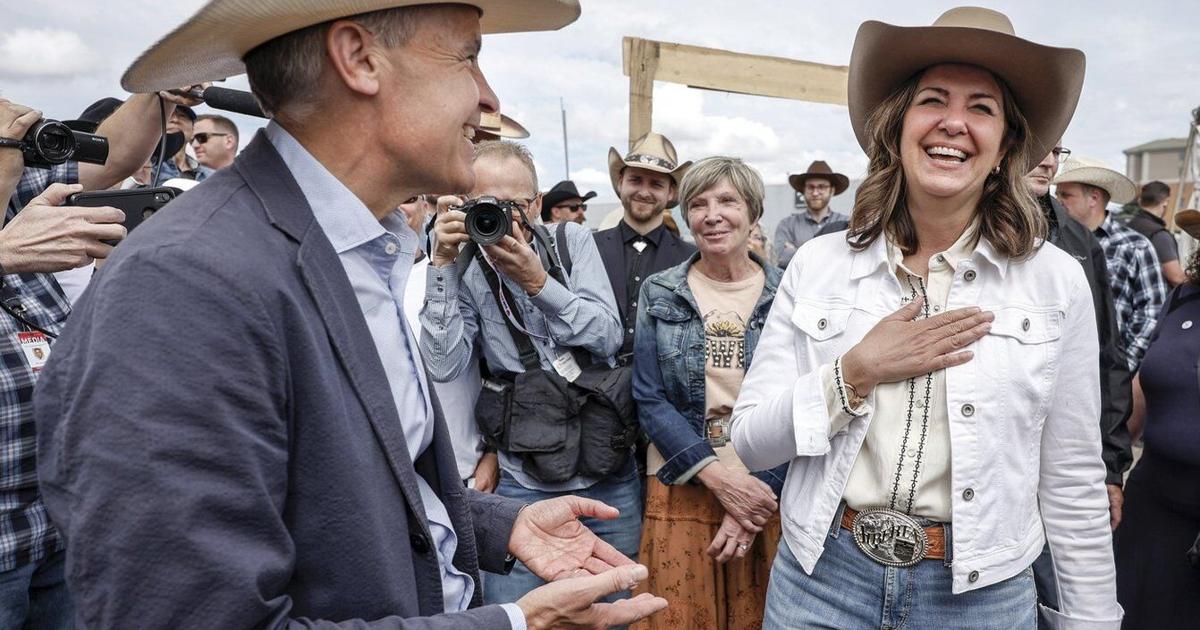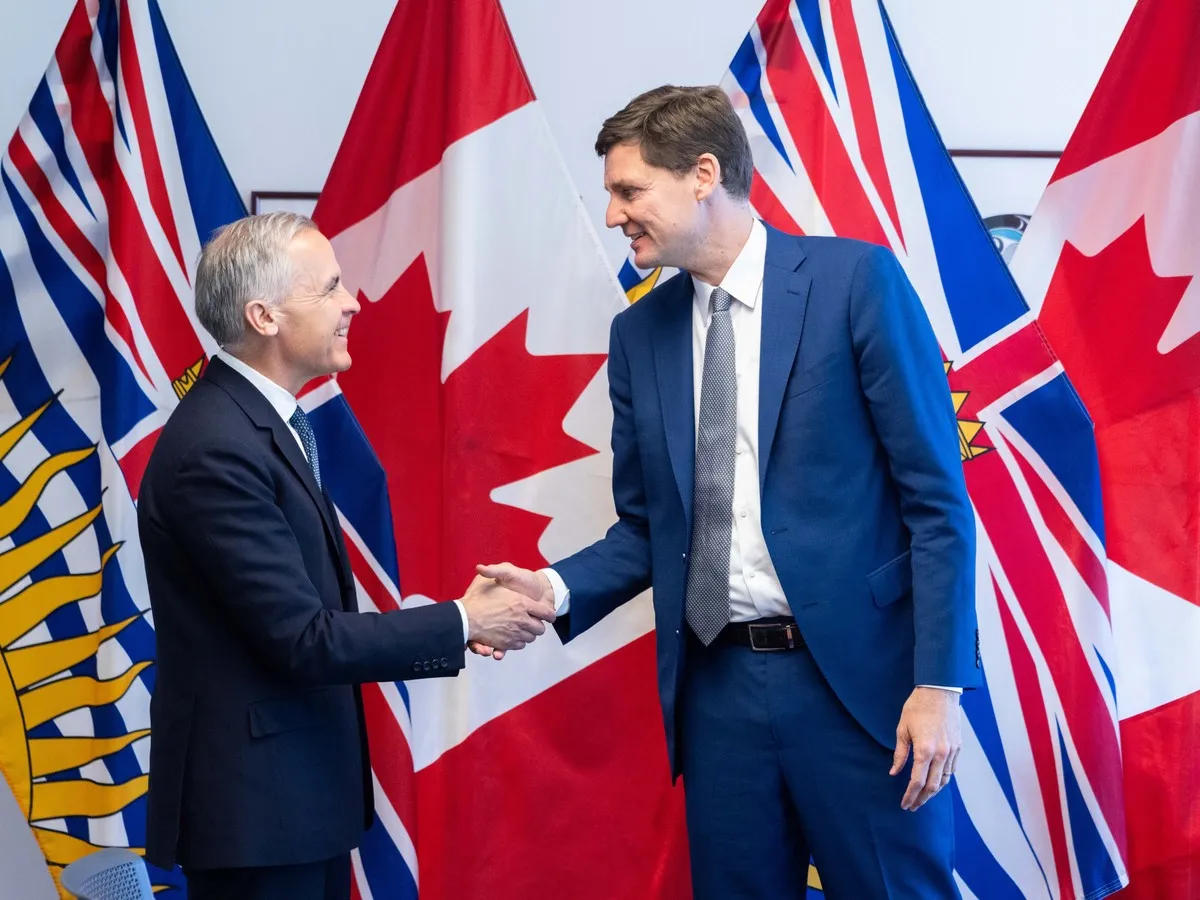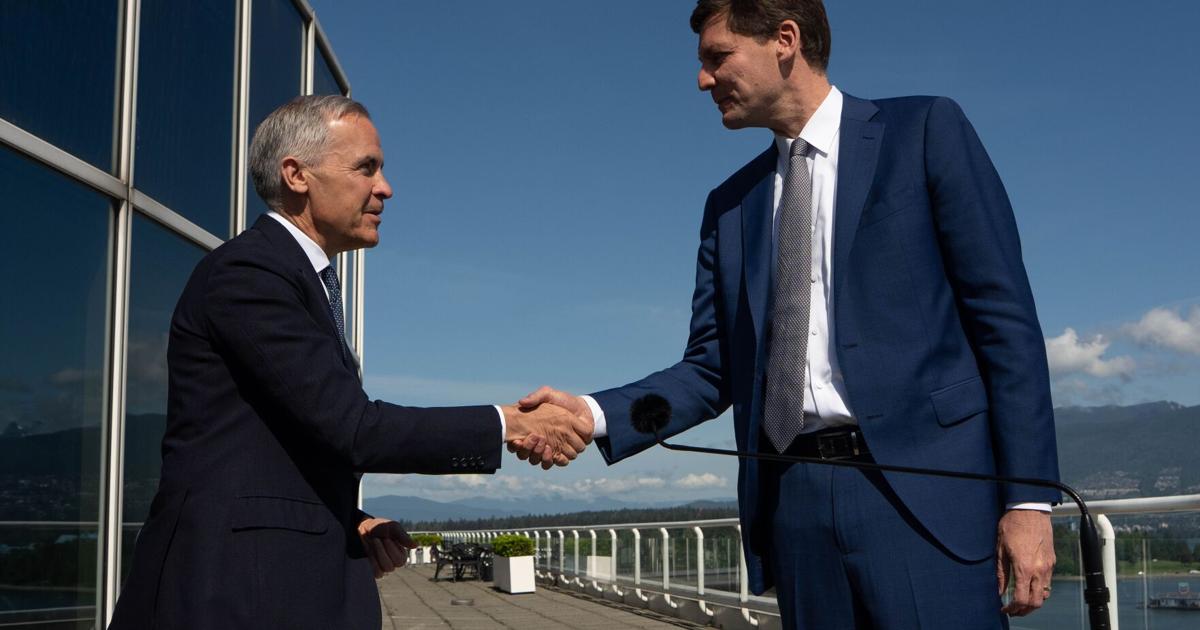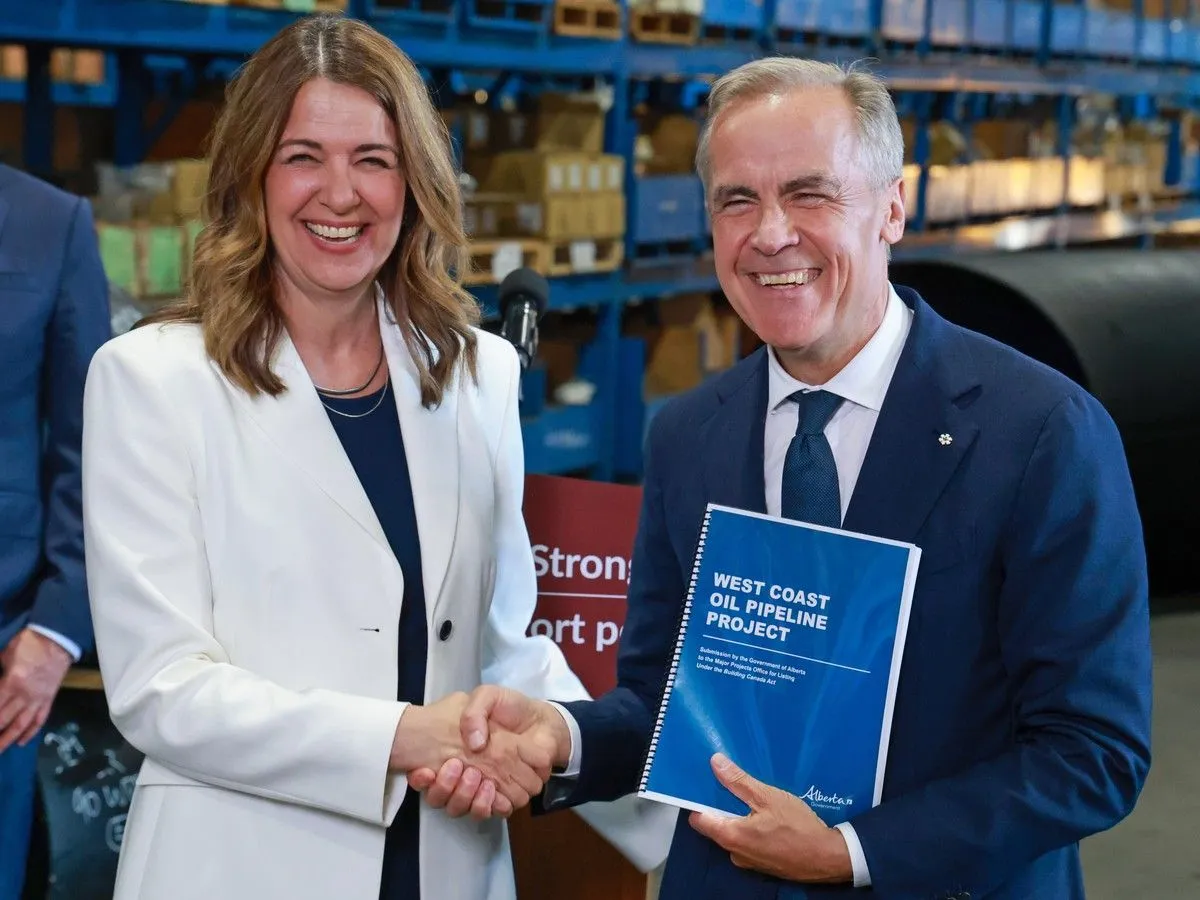
Skip to Content News Archives Economy Energy Oil & Gas Renewables Electric Vehicles Mining Commodities Agriculture Real Estate Mortgages Mortgage Rates Finance Banking Insurance Fintech Cryptocurrency Work Wealth Smart Money Wealth Management Investor Personal Finance Family Finance Retirement Taxes High Net Worth FP Comment Executive Women Puzzmo Newsletters Financial Times Business Essentials More Innovation Information Technology FP500 Podcasts Small Business Lives Told Tails Told Shopping Financial Post Store Obituaries Place a Notice Advertising Advertising With Us Advertising Solutions Postmedia Ad Manager Sponsorship Requests Classifieds Place a Classifieds ad Working Profile Settings My Subscriptions Saved Articles My Offers Newsletters Customer Service FAQ News Economy Energy Mining Real Estate Finance Work Wealth Investor FP Comment Executive Women Puzzmo Newsletters Financial Times Business Essentials HomeEnergyNewsAlberta submits pipeline proposal to federal government along Trans Mountain corridorPipeline will take a southern route, with Northern B.C. oil tanker ban still in placeLast updated 7 hours ago You can save this article by registering for free here. Or sign-in if you have an account.Prime Minister Mark Carney and Alberta Premier Danielle Smith announced the submission of the West Coast Pipeline Project at Trans Am Piping Products in Calgary on Thursday, July 2, 2026. Gavin Young/PostmediaPremier Danielle Smith met with Prime Minister Mark Carney in Calgary Thursday evening to formally submit the proposal for the West Coast Pipeline project to the federal Major Projects Office as a project of national interest.Subscribe now to read the latest news in your city and across Canada.Exclusive articles from Barbara Shecter, Joe O'Connor, Gabriel Friedman, and others.Daily content from Financial Times, the world's leading global business publication.Unlimited online access to read articles from Financial Post, National Post and 15 news sites across Canada with one account.National Post ePaper, an electronic replica of the print edition to view on any device, share and comment on.Daily puzzles, including the New York Times Crossword.Subscribe now to read the latest news in your city and across Canada.Exclusive articles from Barbara Shecter, Joe O'Connor, Gabriel Friedman and others.Daily content from Financial Times, the world's leading global business publication.Unlimited online access to read articles from Financial Post, National Post and 15 news sites across Canada with one account.National Post ePaper, an electronic replica of the print edition to view on any device, share and comment on.Daily puzzles, including the New York Times Crossword.Create an account or sign in to continue with your reading experience.Access articles from across Canada with one account.Share your thoughts and join the conversation in the comments.Enjoy additional articles per month.Get email updates from your favourite authors.Create an account or sign in to continue with your reading experience.Access articles from across Canada with one accountShare your thoughts and join the conversation in the commentsEnjoy additional articles per monthGet email updates from your favourite authorsSign In or Create an AccountorThe proposed route will follow the existing Trans Mountain corridor, running from Bruderheim, Alberta, to B.C.’s southwest coast. The project, Carney said, will be an equal partnership between Canada and Alberta.The Trans Mountain Corp. will plan and construct the pipeline, working closely with Pembina Pipeline Corp., which Carney said will bring its “private sector expertise (and) capital discipline” to the pipeline’s construction and operation.Breaking business news, incisive views, must-reads and market signals. Weekdays by 9 a.m.By signing up you consent to receive the above newsletter from Postmedia Network Inc.A welcome email is on its way. If you don't see it, please check your junk folder.The next issue of Posthaste will soon be in your inbox.We encountered an issue signing you up. Please try again“What we’ve agreed is that the time for action is now,” Carney said. “We will continue to work together, Albertans, British Columbians, with industry and Indigenous partners at one table instead of many to deliver.”Smith said that “there is no doubt whatsoever” that the project is of national interest, and will connect Alberta’s oil and gas industry to global markets.“This is not just another energy project, it’s a nation-building project that will unlock wealth and opportunity for millions of people across the country and provide desperately needed energy to millions more across the globe,” she said.Smith had previously touted a route through northern B.C. as the preferred option, but said the chosen southern route offered “key advantages,” including the existing infrastructure and relationships with Indigenous partners, and, ultimately, the ability to get the project to market quicker.The cost for both routes, she said, was “fairly comparable,” but the southern option would likely be completed sooner.“With the help of our technical advisory group made up of industry experts, we determined that this route offers the fastest, most cost-effective path to expanding Canada’s energy exports,” Smith said. Premier David Eby has secured a multi-billion-dollar agreement with Prime Minister Mark Carney that includes protecting the tanker ban and British Columbia’s northern coast. Photo by Government of British ColumbiaEarlier Thursday, Carney met with B.C. Premier David Eby in Vancouver to sign a multibillion-dollar agreement for several critical infrastructure, clean energy and natural resource projects — but included in the deal was a stipulation that the north coast tanker ban will remain untouched. The oil tanker moratorium prohibits vessels carrying more than 12,500 metric tons of crude oil or persistent oil products from stopping, loading, or unloading at ports along the section of B.C.’s coast north of Vancouver Island.“Today’s Canada-BC agreement will maintain the federal north coast tanker ban in accordance with the proposed route of a new trans-provincial pipeline under the bilateral agreement with Canada and Alberta,” Carney said.Eby called the agreement a “significant win” for B.C., and said that the province has always regarded a pipeline through northern B.C. to be out of the question.“We have anxiety about the impact of any new pipeline project, period, on British Columbia’s coast, which is why in this agreement there are very clear safeguards in place . . . around British Columbia’s participation.”The agreement doesn’t require B.C. to support the proposal for a pipeline, he said, adding that B.C. will not be going to court to fight a pipeline proposal.“Pipelines are federal jurisdiction. That’s why this agreement matters. It ensures that the northern tanker ban stays in place, and it ensures that if a pipeline goes ahead, that British Columbians are fairly compensated for environmental risks we would take on any new pipeline project,” he said.He added that the federal government was “under no obligation” to involve B.C. in pipeline conversations, and called Carney’s decision to hear the province’s concerns “a sign of leadership and a commitment to collaborative federalism — to a Canada that works.” CFN president and Heiltsuk Nation Chief Marilyn Slett. Photo courtesy of Heiltsuk NationB.C.’s Coastal First Nations, an alliance of First Nations on the North Pacific Coast who have previously advocated against a pipeline to the north coast, applauded the agreement in a Thursday statement.“There is no technology that can clean up an oil spill at sea, and a single oil spill could destroy our way of life,” said CFN president and Heiltsuk Nation Chief Marilyn Slett.“We remain steadfast in our position that oil tankers will never be part of our vision for a healthy, productive and sustainable North Coast.”The tanker ban, Slett said, is the result of more than 50 years of advocacy from First Nations and other northern B.C. communities.“Protecting the North Coast means protecting thousands of jobs, hundreds of businesses, and billions in economic value we have built up over several decades,” she said.“The tanker ban also protects one of the most productive and ecologically valuable cold-water marine ecosystems on earth – the Great Bear Sea.”Catch up with the day’s headlines, curated by our editors and delivered to your email inbox at lunchtime on every business day. Sign up now for the Calgary Herald Noon News Roundup. Join the Conversation This website uses cookies to personalize your content (including ads), and allows us to analyze our traffic. Read more about cookies here. By continuing to use our site, you agree to our Terms of Use and Privacy Policy.
Alberta submits pipeline proposal to federal government along Trans Mountain corridor
Premier Danielle Smith met with Prime Minister Mark Carney in Calgary Thursday evening to formally submit the proposal.
1,326 words~6 min read