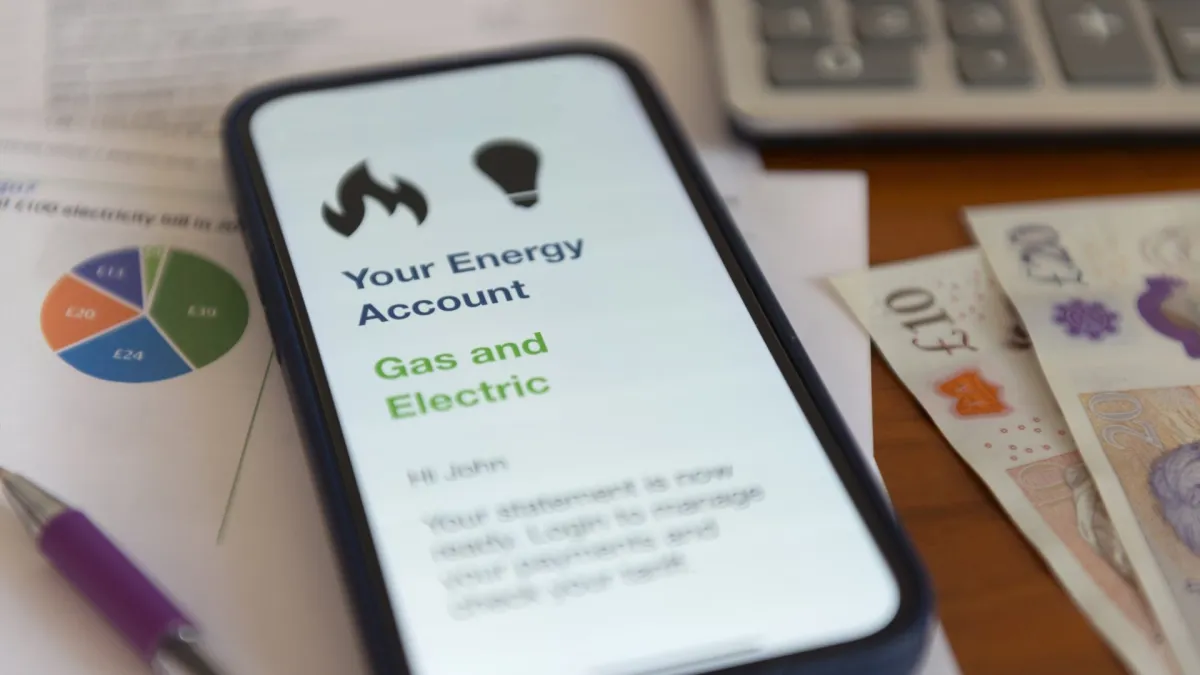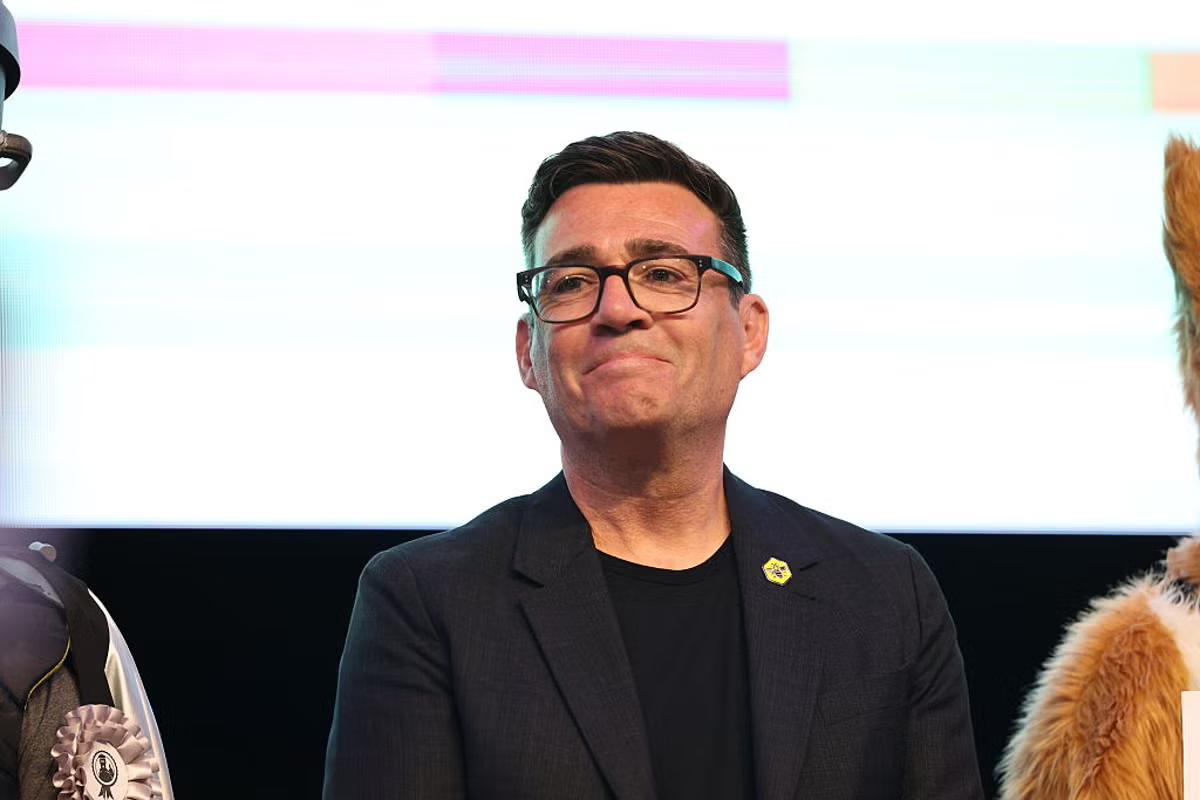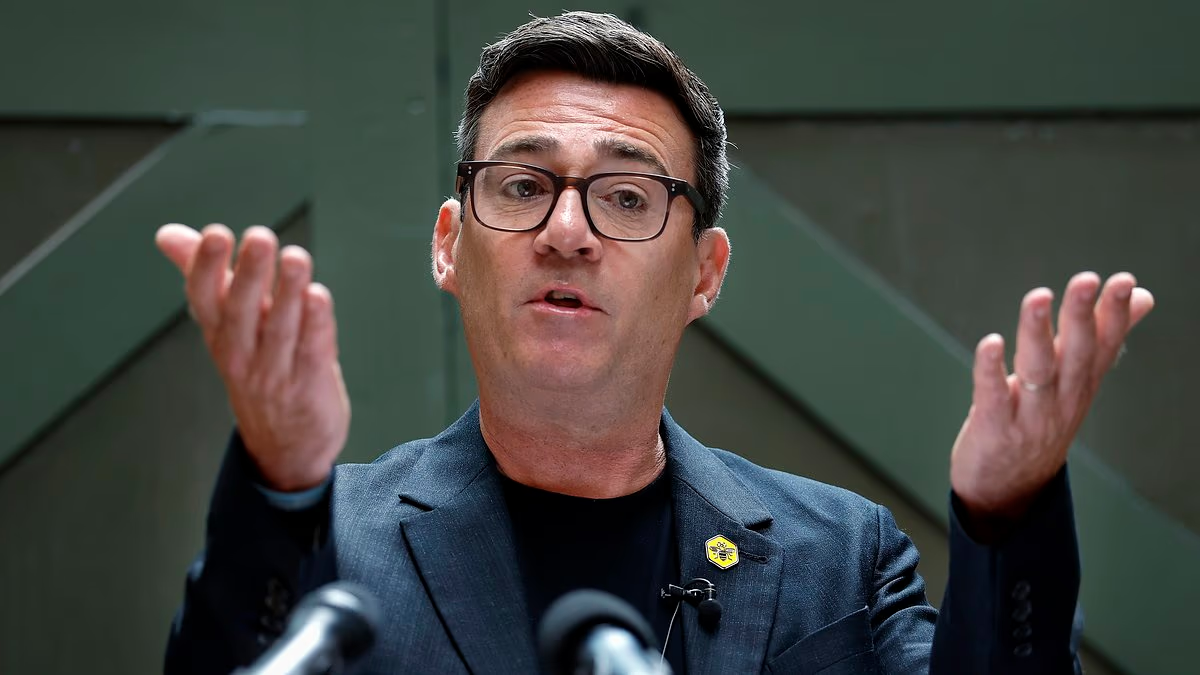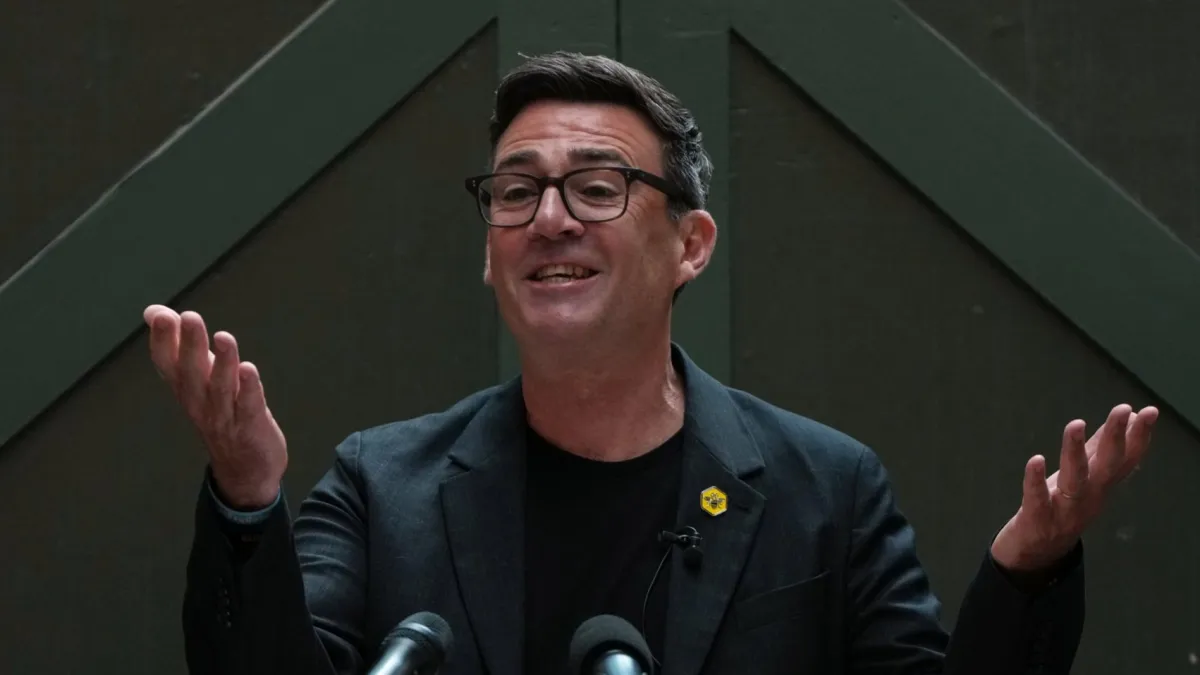
Is Andy Burnham plotting to base his premiership around a policy of ‘cost of living populism’? That is what is being reported following the publication yesterday of a poll by Persuasion UK – and part-funded by the left-wing Global Fund for a New Economy – which claimed that Labour could win the next election on the back of a programme of measures to target the cost of living.
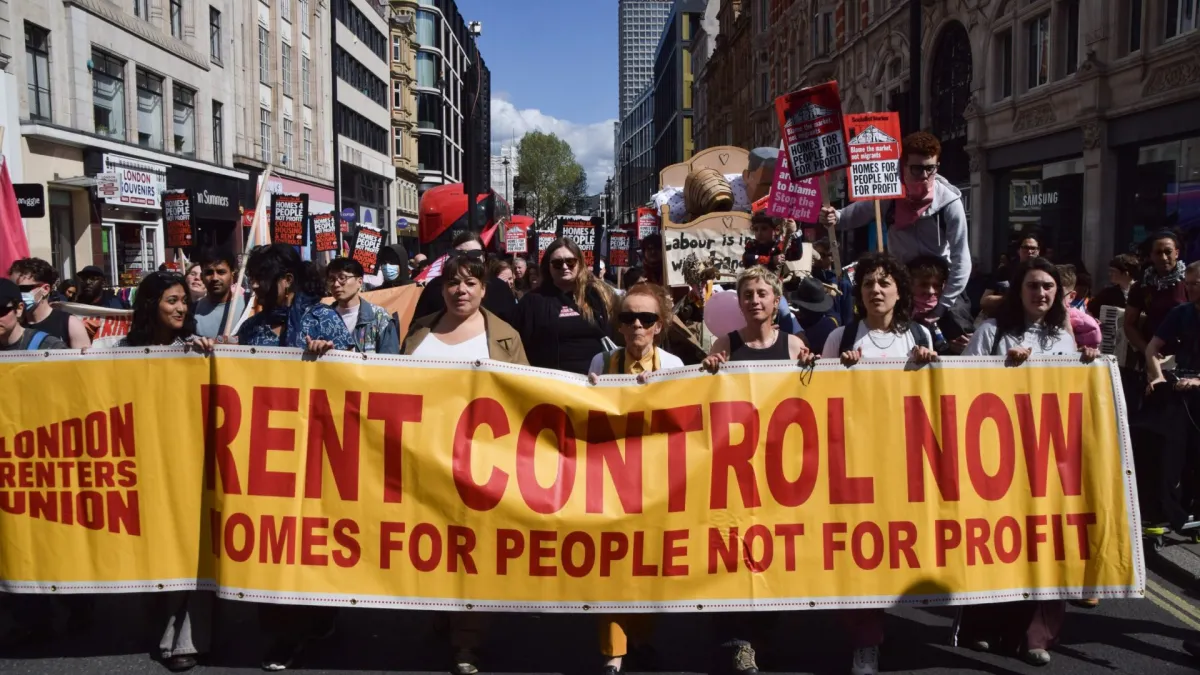
Carry on as it is going, claims the poll, and Labour would be reduced to 19 per cent of the vote and 95 seats in the next general election. Introduce a package of cost of living measures, on the other hand, and it could win 34 per cent of the vote – exactly what it won in 2024 but this time translating to a lower majority of 66 seats. Persuasion UK says it has tested a variety of cost-of-living policies on 19,000 voters, with the most popular policies being a £1 cap on bus fares, tax cuts on food and drink, renationalisation of water companies, minimum pay and conditions in the retail and care sectors, student loan reforms, rent control and forcing energy companies to charge a lower rate for ‘essential’ energy use.
‘Cost of living populism’ is just an attempt to rebrand Labour’s traditional weakness
It shouldn’t be surprising that these policies are superficially popular with the public. Any politician who offers free beer will be popular in some quarters, at least for a while, until the bill comes in. And there lies the rather obvious snag. Persuasion UK doesn’t seem to have done much to ensure that these policies were put in their proper context: that they have a cost, and that might have a serious impact on our already-crumbling public finances.