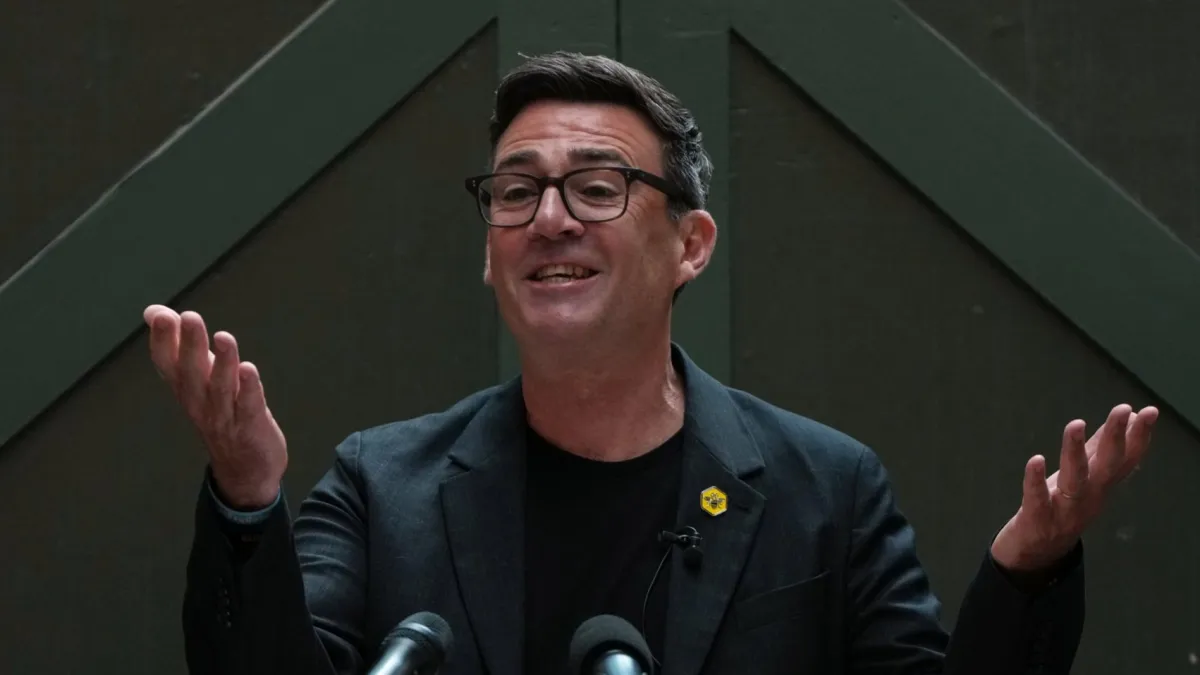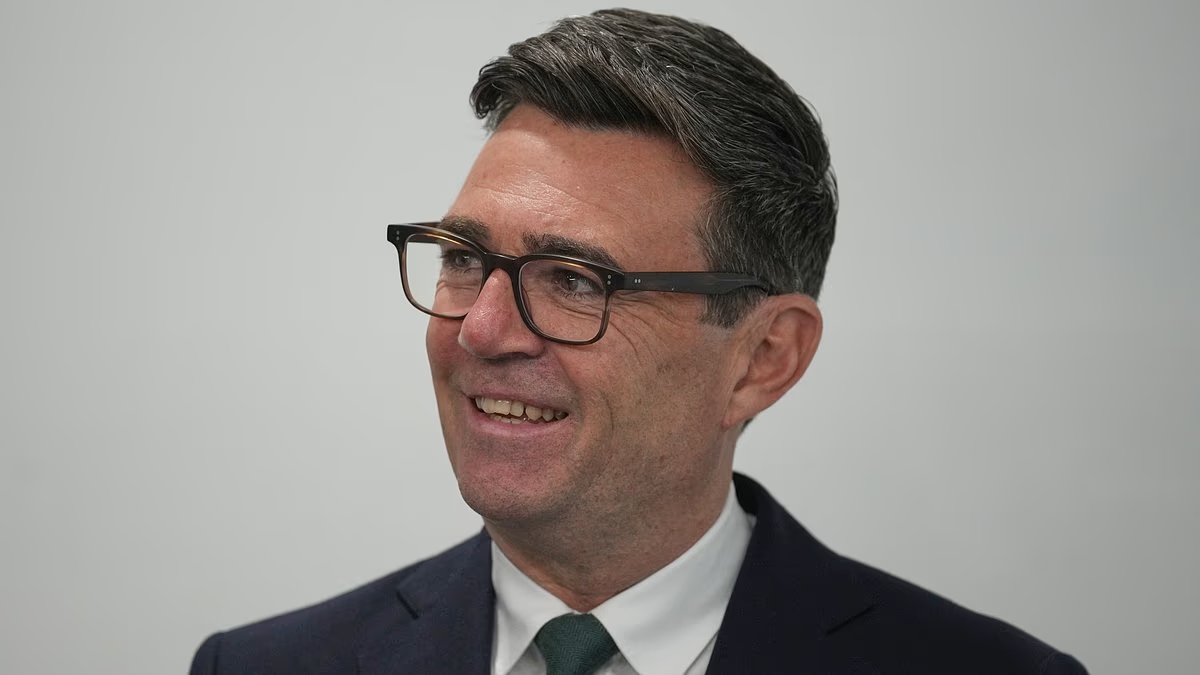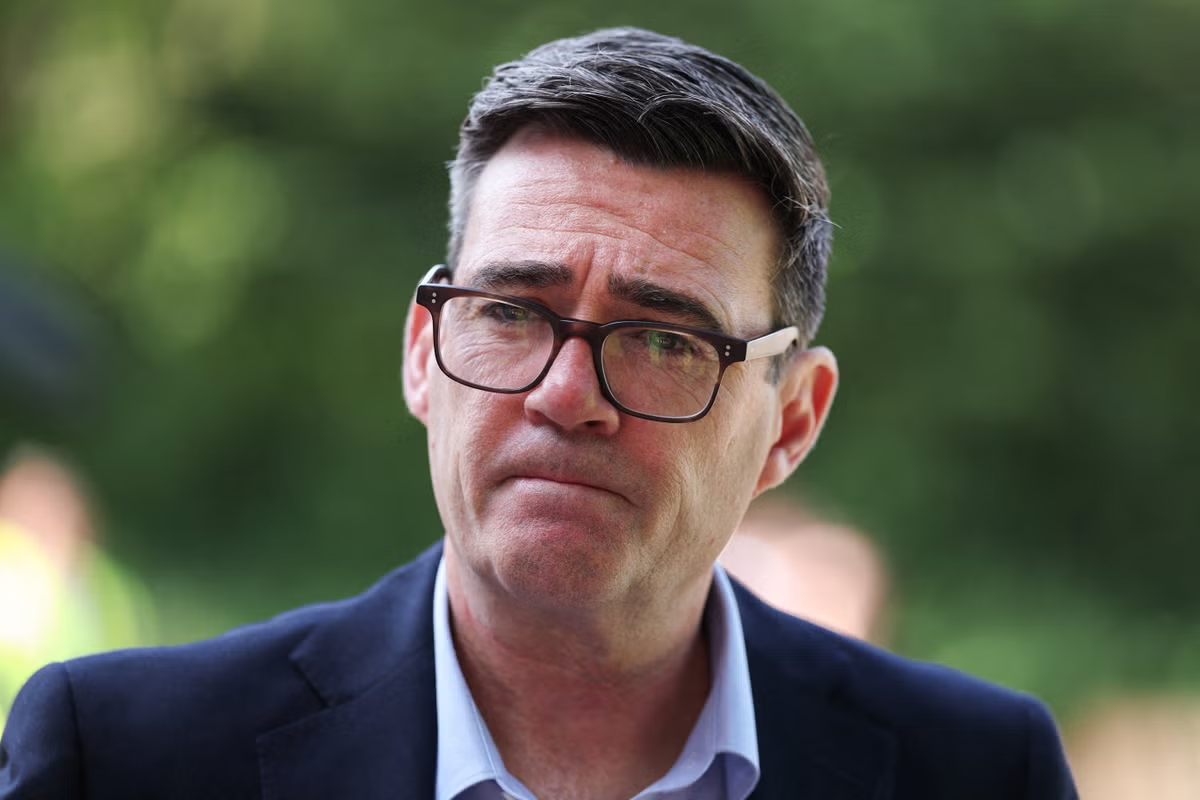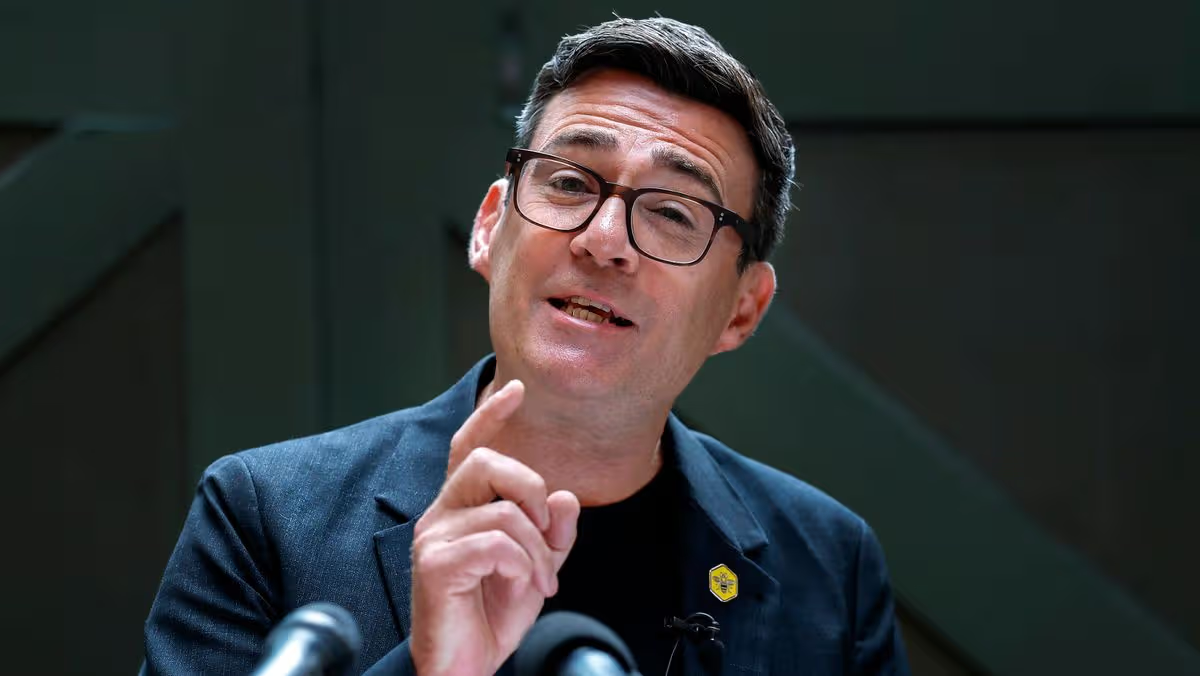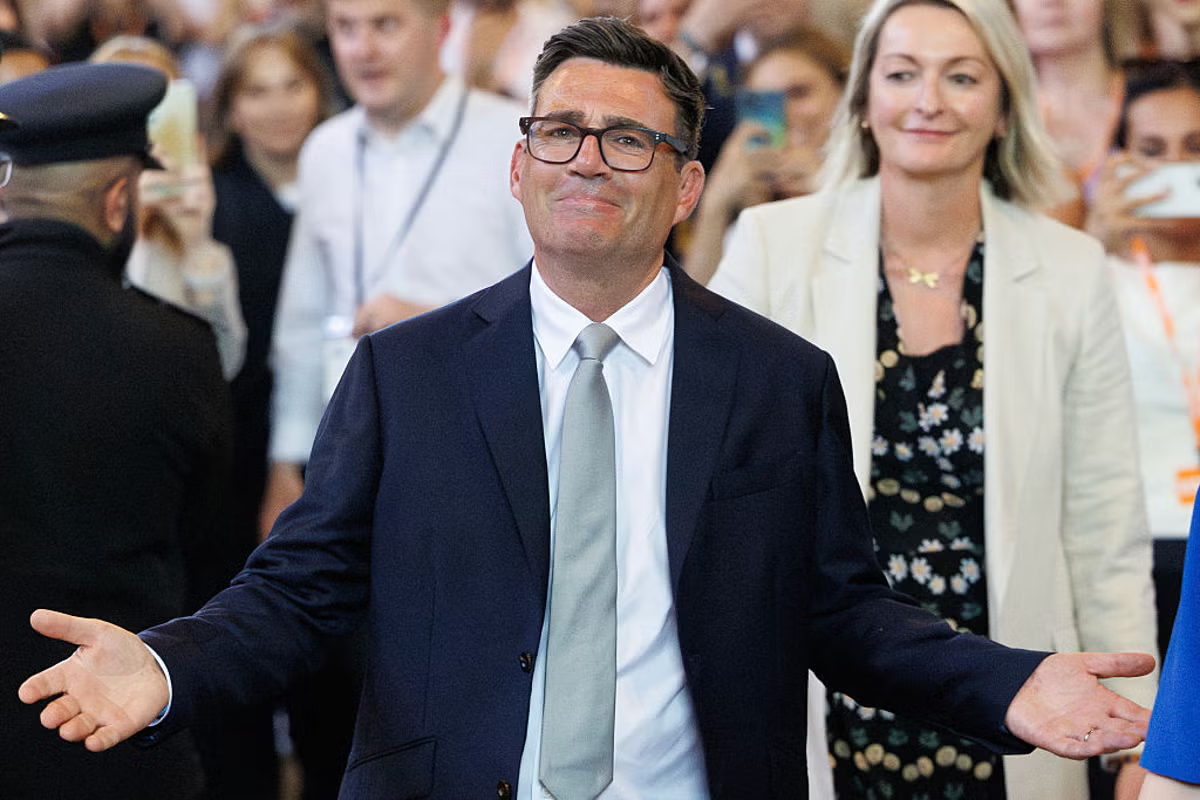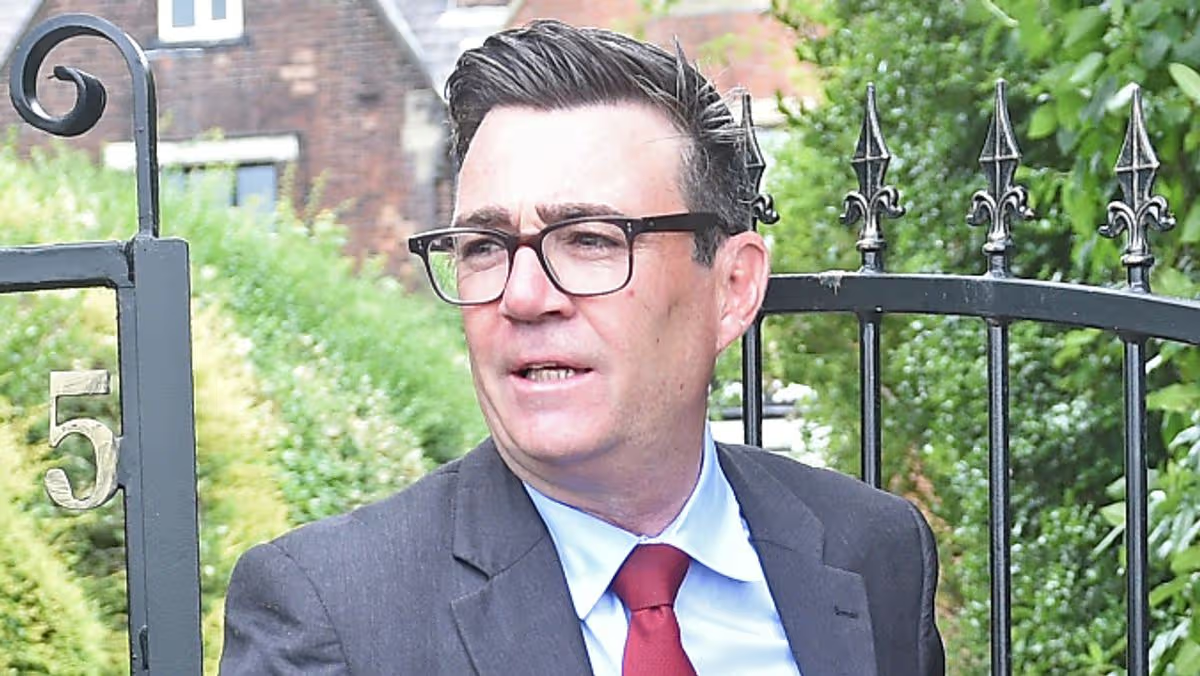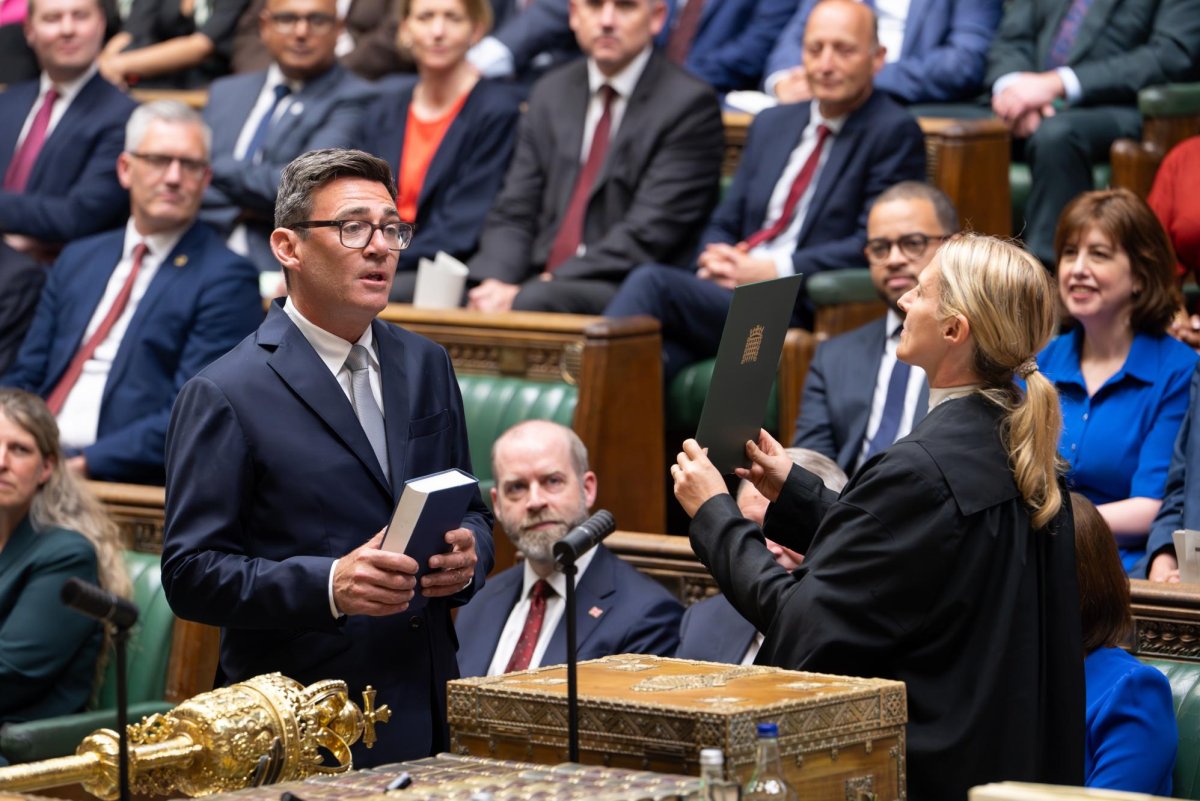
Andy Burnham's vow to kick-off the largest council house-building programme since the war could lead to an overall fall in the number of houses being built in Britain, an expert warned today.The prospective prime minister yesterday referenced his 1970s childhood as he outlined a vision for his premiership that included a massive focus on affordable homes funded by the state.He said his government - if he becomes Labour leader - would use vacant public land to reduce costs and focus on higher density development in existing towns, to both reinvigorate high streets and protect green spaces from development.But Lucian Cook, head of residential research for the estate agent Savills, warned it would take investment cash away from private developments at a time when housebuilders face 'real viability challenges'.They are being hit by wage and material cost inflation, he told BBC Radio 4's Today programme, at a time when the sales market is also taking a pounding.'You would probably see a fall in overall levels of housebuilding and indeed the government has set itself a very ambitious housebuilding target of 1.5m homes over the course of this parliament. I don't think anyone really thought that was realistic, indeed our outlook is that it might be as low as 840,000,' he added.'Clearly it is a good thing that you get more affordable housing but the reality is you need more housing across all tenures if you are really going to address some of the underlying affordability issues in the housing market.'New figures released yesterday showed the number of home mortgage approvals made to buyers dropped to a two-and-a-half-year low in May. The prospective prime minister yesterday referenced his 1970s childhood as he outlined a vision for his premiership that included a massive focus on affordable homes funded by the state He said his government - if he becomes Labour leader - would use vacant public land to reduce costs and focus on higher density development in existing towns, to both reinvigorate high streets and protect green spaces from development.While stopping short of calling for full nationalisation, Mr Burnham said his future government would 'ensure that all parts of the UK are able to take greater public control of essential services'.These included water, housing, energy and transport, and would come with a decade-long plan to bring down the costs of these essentials.On housing, he said No10 North would 'oversee the biggest council house building programme since the post-war'.In a Manchester speech he said: 'Let me just take you back to the 1970s… when we were growing up here amongst the friends we had at school, there were two things that were the foundations of working class aspiration: a council home, a secure home that was the foundation for everything, and then good technical education.'Those things have been taken away in the decades since, so no wonder so many young people struggle to make it work… don't blame them, blame ourselves.'Some 56,200 mortgage approvals for house purchase were recorded in May, down from 66,000 in April and below the average of 63,300 over the past six months, according to the Bank of England's latest money and credit report.It marked the lowest number of approvals since December 2023.Approvals for remortgaging, which only capture remortgaging with a different lender, also decreased to 33,300 in May from 51,200 in April.The drop in approvals for house sales, which are looked to as an indicator of future borrowing, came against a backdrop of rising mortgage rates following the outbreak of the US-Israel war with Iran at the end of February.Many mortgage deals were pulled and average fixed rates ticked higher amid financial uncertainty prompted by the conflict in the Middle East.Three in five homes listed for sale since January are yet to sell, according to property listing site Zoopla.Buyers have vanished amid higher mortgage rates and political turmoil, with homes sitting on the market and enquiries about properties down 15 per cent compared to last year, it said.The West Midlands has seen the steepest collapse in buyer demand, with enquiries dropping by 30 per cent compared to last year, closely followed by the North East, down 29 per cent.
Burnham's council house bonanza 'will lead to fall in housebuilding'
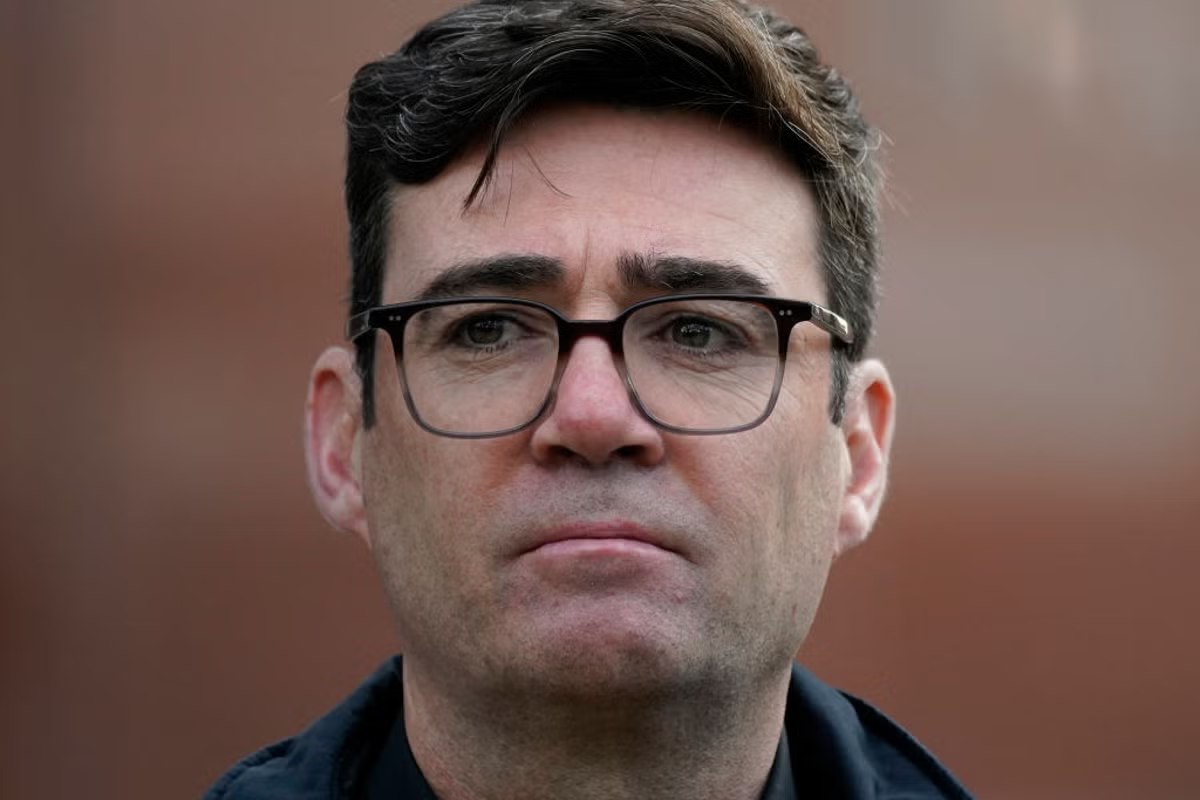
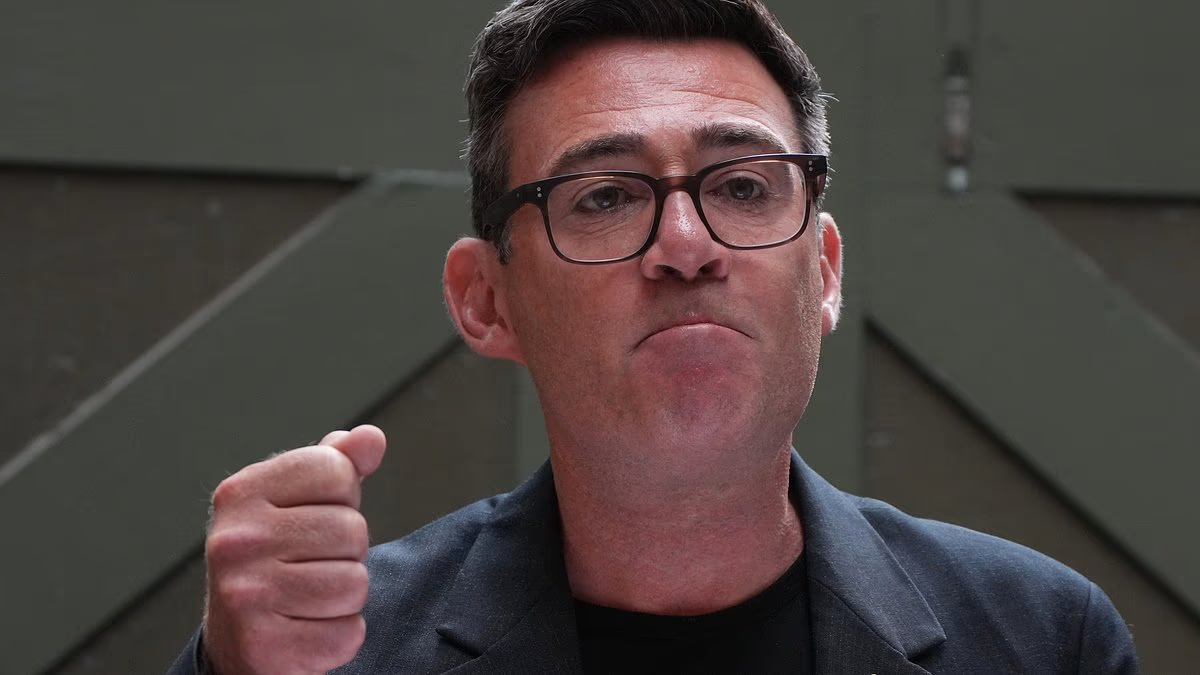
The prospective prime minister yesterday referenced his 1970s childhood as he outlined a vision for his premiership that included a massive focus on affordable homes funded by the state.
690 words~3 min read