Tuesday 23 June 2026 5:00 am
| Updated:
Tuesday 23 June 2026 9:22 am
Burnham faces a harsh fiscal reality if he wins the keys to number 10
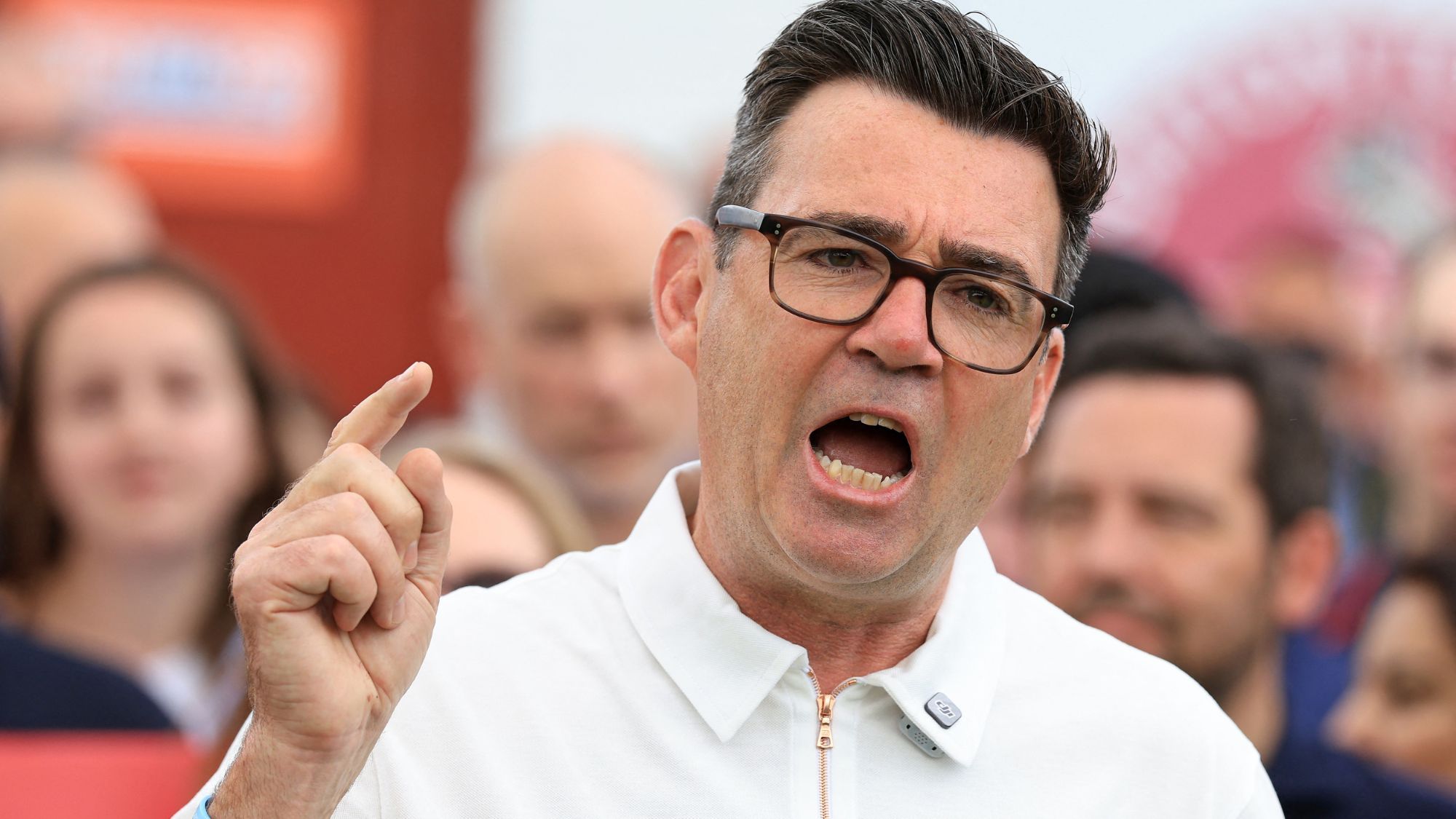
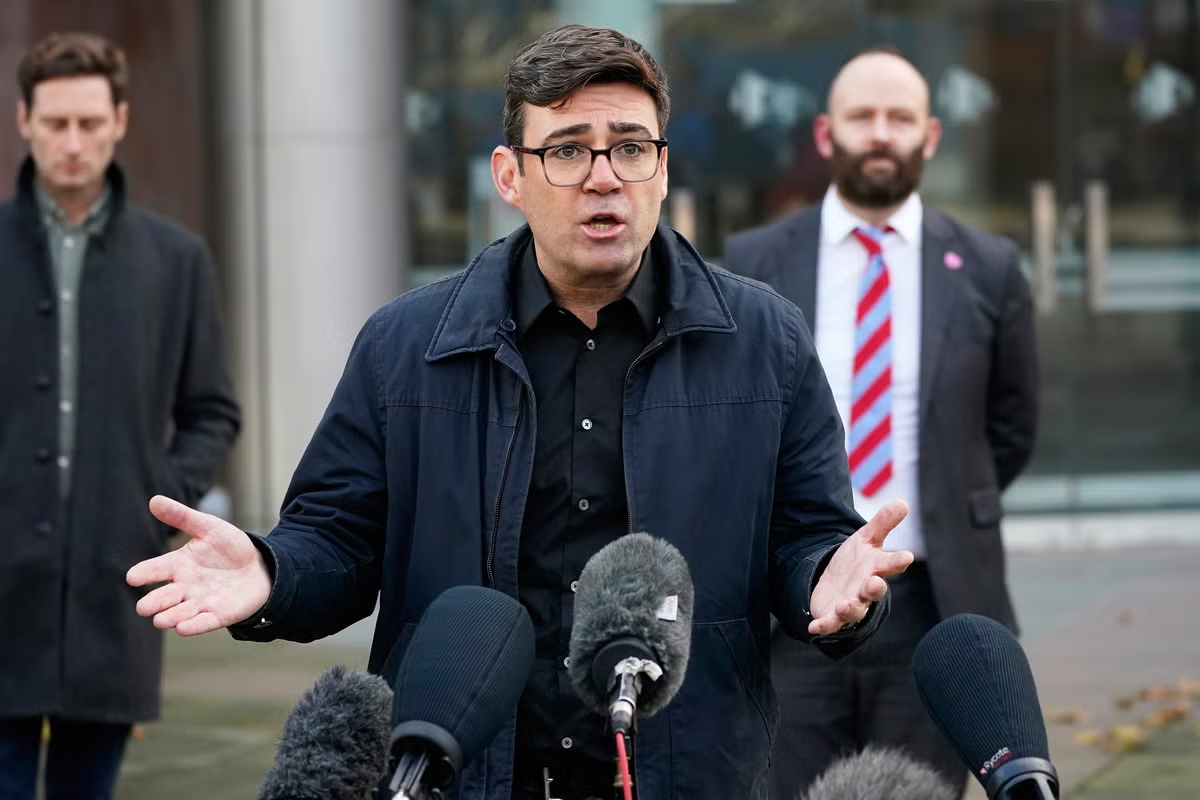
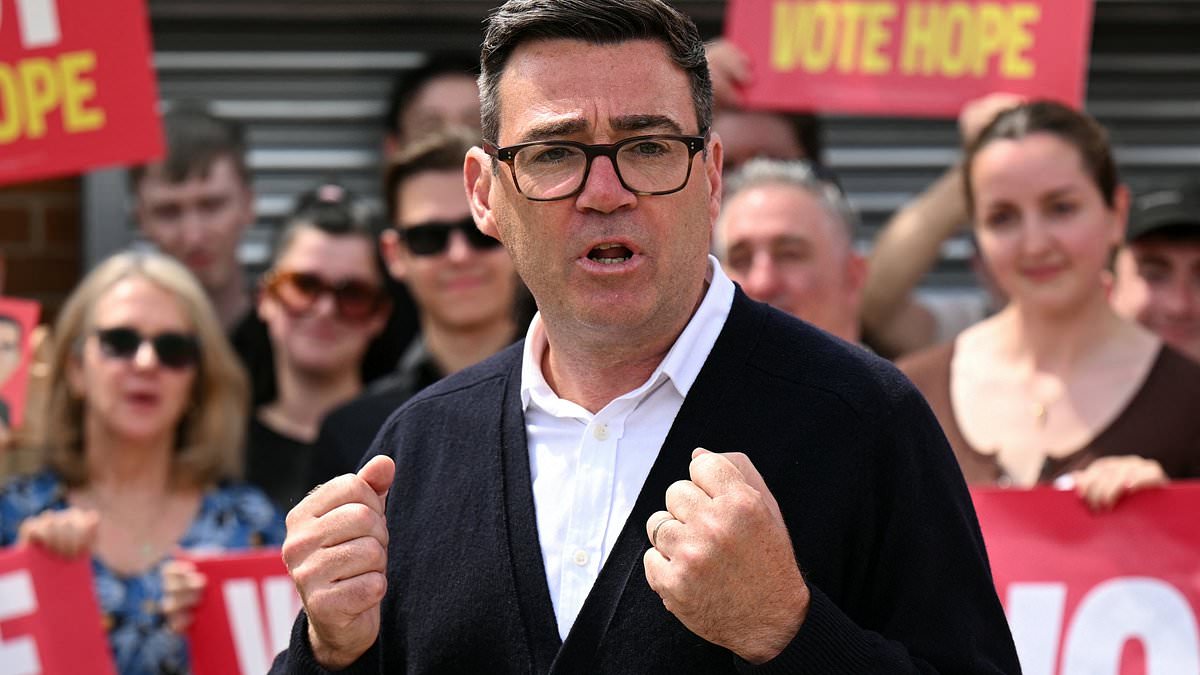
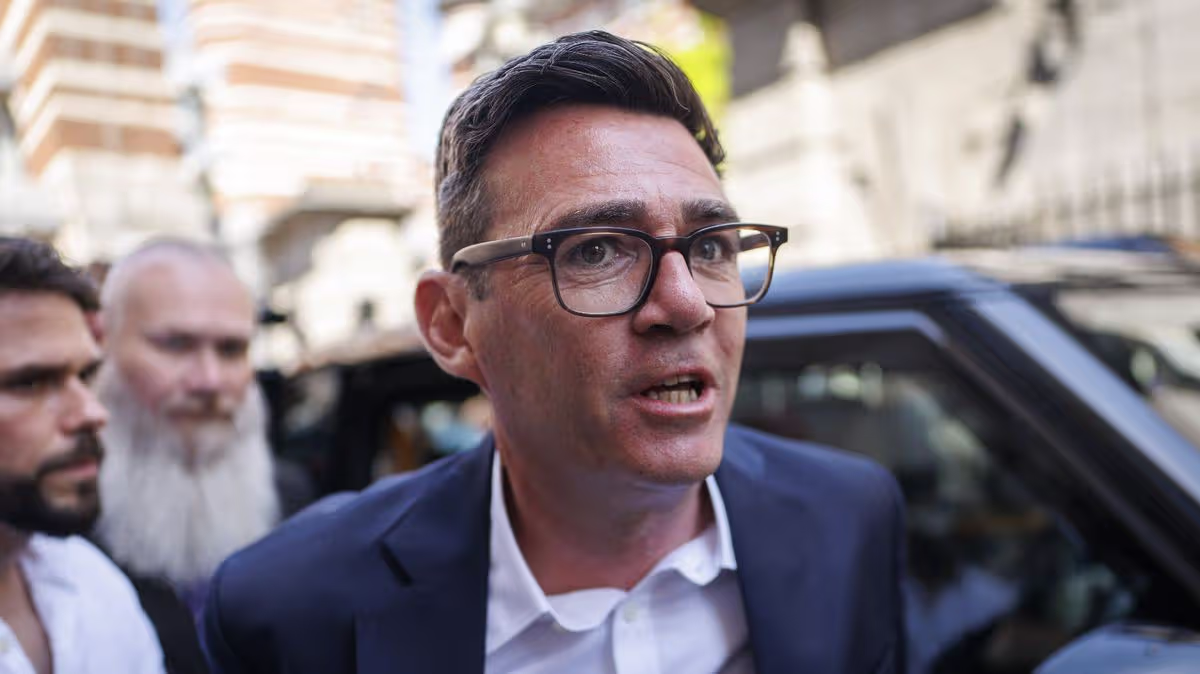
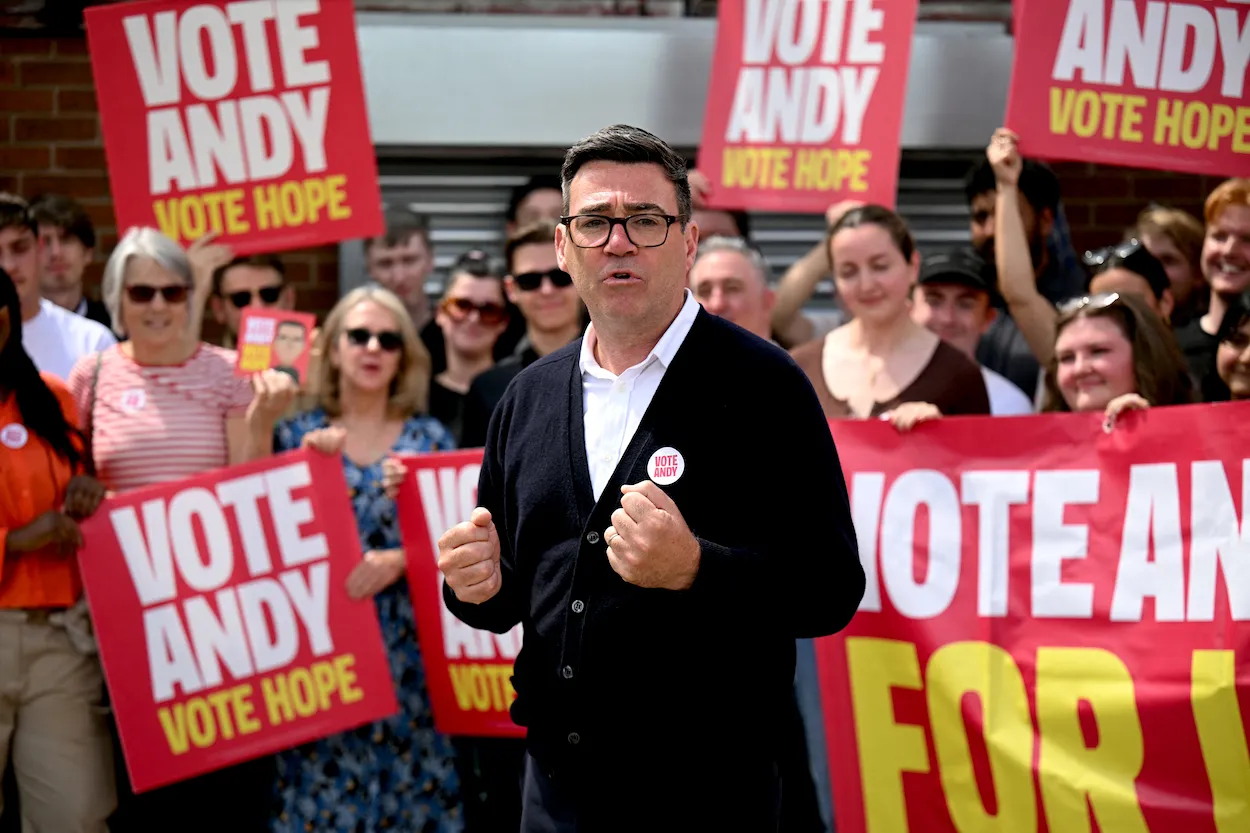
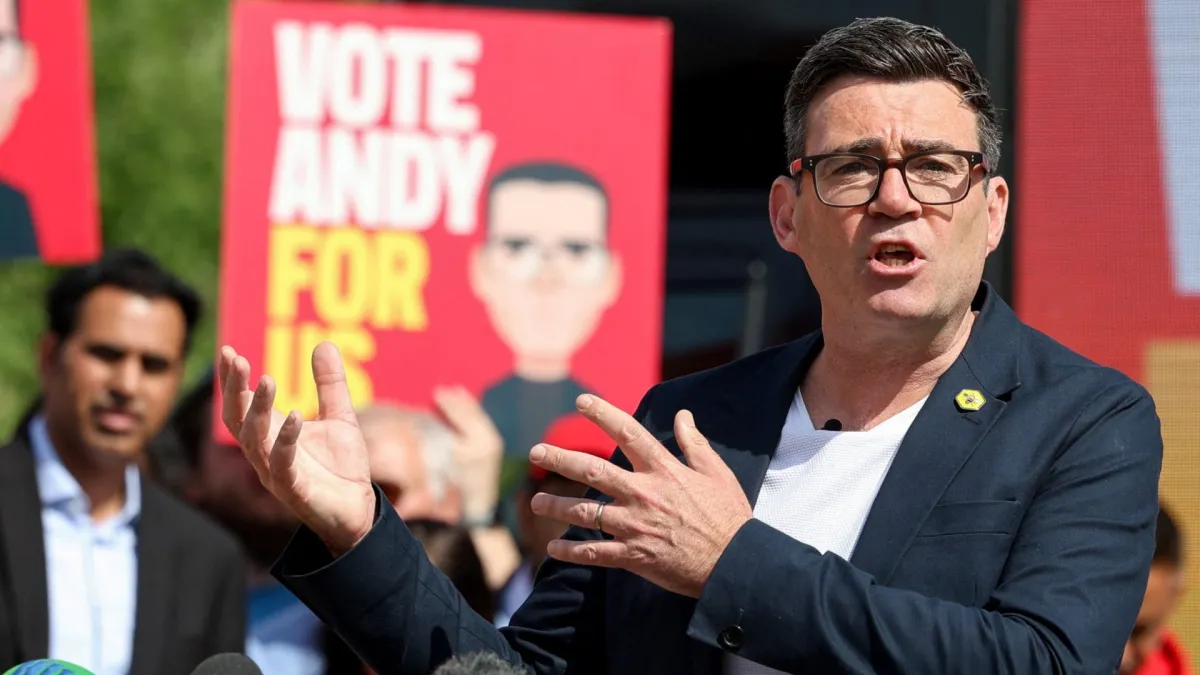
Andy Burnham was not shy with his spending pledges in the run up to victory in Makerfield last week. At various points, the former Manchester Mayor has pledged his party will nationalise water companies, including Thames Water; “stick with” the Waspi women, signalling a potential multi-billion pound payout to aggrieved pensioners; slash rail fares; kick off “the biggest programme of council house building since the Second World War”; and resurrect the scrapped northern leg of HS2.He has also called for the model of “Manchesterism” to be adopted nationwide – suggesting a move towards greater state control of industries in partnership with the private sector.Burnham’s political skills have been touted as a key reason for his triumph over Reform in Makerfield. But, should he win Labour’s leadership contest, he will take over the party at a moment of fiscal peril. In a bid to soothe skittish investors, unnerved by his now infamous comment that the government must not be “in hock” to the bond market, Burnham recently pledged to stick to Rachel Reeves’ fiscal rules, which limit the scope of government borrowing. He has also ruled out hiking the main rates of income tax, VAT and National Insurance, in line with Labour’s manifesto. “Everyone arrives in the post with great hopes but then the lack of growth and the financial realities hit,” Deutsche Bank analyst Jim Reid observed yesterday. “Until you have stronger economic growth and are less constrained by debt it’s highly likely the conveyor belt of PMs will continue.”If Burnham secures the keys to No. 10, he may find himself in a tighter bind than his promises suggest. Here are five graphs that show the fiscal headache waiting for Burnham in Downing Street.Borrowing is pricey for the government The UK’s struggle to recover from the pandemic and Russia’s full-scale invasion of Ukraine have put the government’s fiscal policies under more intense scrutiny than ever. It’s not all down to Liz Truss’ mini-budget after all. Signalling fiscal prudence and a commitment to easing inflation may help Burnham to shake off criticism that he doesn’t understand what the bond markets want.Government borrowingRachel Reeves earned some kudos for tightening the deficit with a string of tax measures and small spending cuts – yet government borrowing is still set to continue onto 2030. Burnham is facing pressure to spend more on defence and other areas such as infrastructure, as well as introduce tax cuts for employers and hospitality businesses. Stubborn inflationInflation was back on its way to the Bank of England’s two per cent target after years of high price growth. But the Iran war could set the UK economy up for a difficult few months, making it even harder for any Prime Minister to tackle the number one issue for voters: the cost of living.Growth has slowed down radically Labour made growth its top “mission”. But the UK has never quite delivered the same level of annual growth seen during the Tony Blair years. Lower growth, in part due to the UK’s so-called “productivity puzzle”, has added to strains on public finances and left Britons wondering why they aren’t getting any richer.Debt interest payments are climbingThe result of high inflation, near-stagnant growth and looser fiscal policy is higher debt interest payments, which are now nearly double the size of the Ministry of Defence’s budget. Despite the fiscal rules set by Reeves, costs are still set to climb higher and make fiscal choices all the more troublesome for the next government.Stagnating jobs marketA weakening jobs market has also compounded economic problems for Labour, with the number of vacancies plummeting over the last two years amid businesses’ complaints about hot wage pressures, further employment red tape and a £25bn rise in labour taxes.