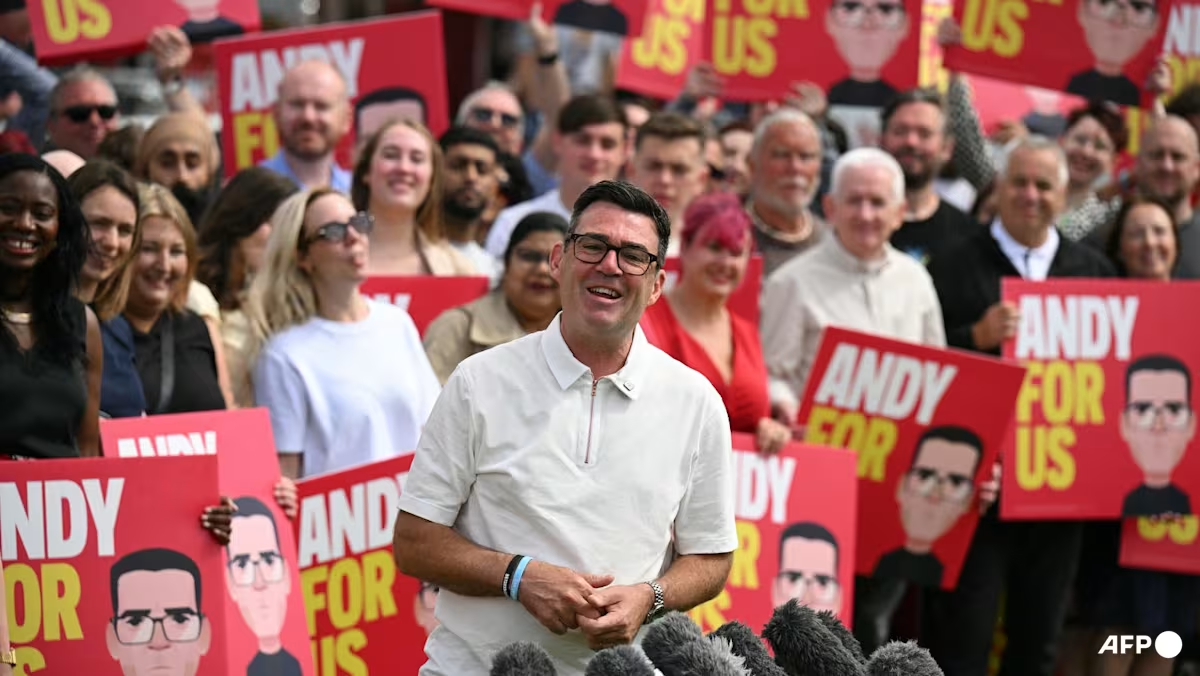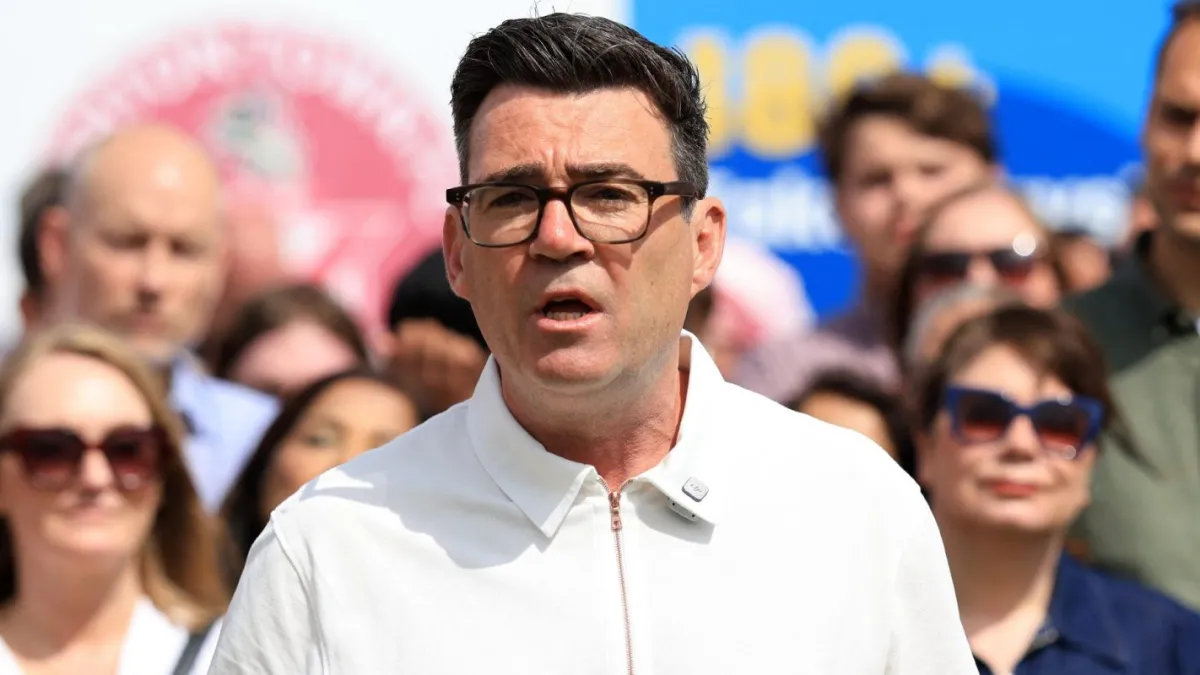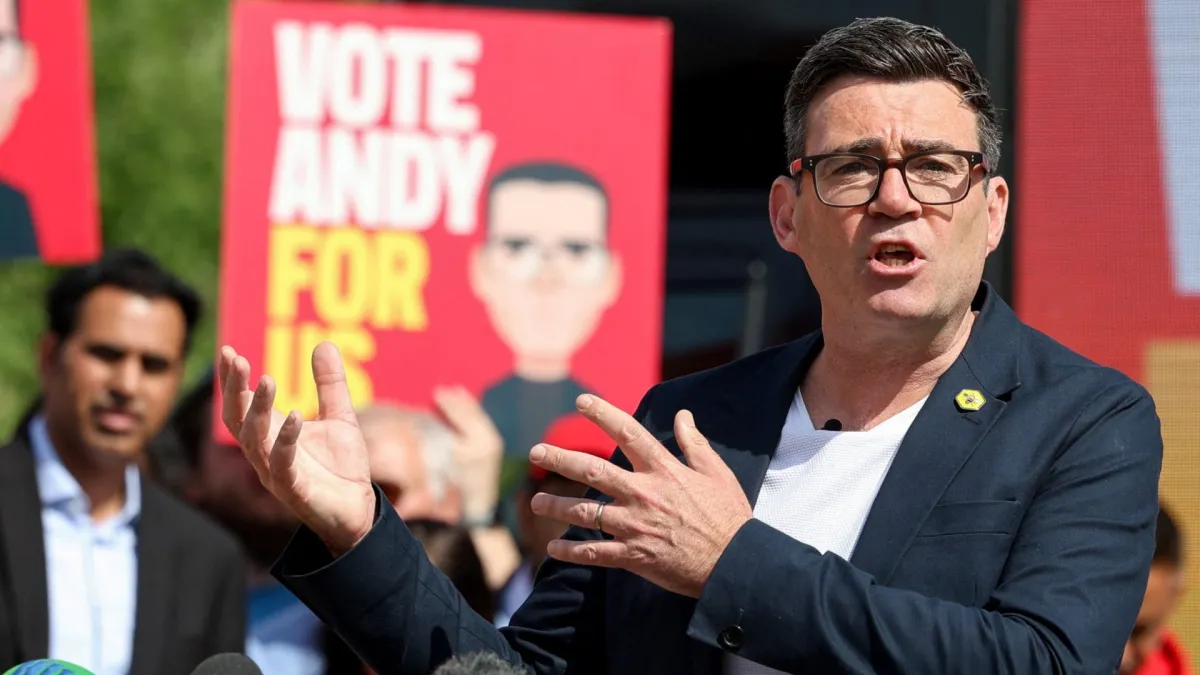
Andy Burnham’s landslide win of the Makerfield by-election has Britons wondering if he could really be the next prime minister and, if he is, what that might mean for their finances.We’ve all seen politicians say they plan to do one thing, and ultimately be incapable or unwilling to make it happen – so it remains to be seen if Mr Burnham in No 10 would be able replicate the success he has seen as mayor of Greater Manchester.Join our campaign to rebuild Britain’s future in Europe hereBut, based on what he has previously said on the economy, The Independent takes a look at how your pocket might be impacted in the event of a change in leadership.MortgagesThe first thing to understand, or at least accept, is that money markets are a minefield of cause and effect.So here’s an example: In September last year, Mr Burnham said: “We’ve got to get beyond this thing of being in hock to the bond markets.” What does that mean? Well, it might run something like this: gilts, also called UK government bonds, are sold off if the markets don’t like a new economic plan (or lack thereof), which lowers the price but raises the yield. That yield is effectively the cost for the government to borrow money and spend on things like infrastructure and public services, so the amount the government must pay in interest is increased.If it also sees overseas investors lose faith, the value of the pound could fall, making imports more expensive and having an inflationary effect – or, if a Burnham government rapidly increases public spending and causes a surge in demand for products and services, that can also be inflationary.When prices are rising too fast (high inflation), the Bank of England (BoE) can step in to consider raising interest rates, and if the market smells that, it will far more quickly send swap rates up – they are basically future expectations of interest rate movements, and the tool which lenders base the price of their mortgage products on, even if the BoE base rate doesn’t move.When swap rates rise, so do the headline interest rate figures on mortgages, as evidenced during the Iran war.Get a free fractional share worth up to £100.Capital at risk.Terms and conditions apply.Go to websiteADVERTISEMENTGet a free fractional share worth up to £100.Capital at risk.Terms and conditions apply.Go to websiteADVERTISEMENTChancellor choice counts for muchWhoever ends up as a PM, their choice of chancellor will also have an impact on how the bond markets react, including any promises to stick to the current fiscal plan, which Mr Burnham has previously stated he will.Current chancellor Rachel Reeves is seen as stable, consistent and predictable – all things the market likes.“Burnham’s choice of chancellor if he becomes prime minister could have a major impact on bond markets,” said Dan Coatsworth, head of markets at AJ Bell.The market likes Rachel Reeves, who is seen as a stable figure on the economy (Getty)“Bond investors like boring and dull – they want someone who has a plan where the maths stacks up and they stick to it. Former transport secretary Louise Haigh is seen as one of Burnham’s closest allies, but a fraud conviction could stop her from being the country’s numbers person. Ed Miliband is also being touted as a potential candidate for chancellor and would bring considerable experience from prior senior political roles.”Oxford Economics senior economist Edward Allenby pointed out that the speed of change might mean Mr Burnham has little choice other than to run with what is already planned.“There’s little to suggest Burnham’s team has a detailed policy package already in the works,” he said. “Developing that package in time for the autumn Budget will be made even harder if Burnham has to win a prolonged leadership contest first.”Property costsMr Burnham has previously suggested stamp duty and council tax should be reformed, with a Land Value Tax (LVT) replacing stamp duty on property sales – something he wrote about in the Guardian back in 2010.The idea is it makes buying more accessible for those with lower financial backing to get on the ladder, while it’s also harder to evade paying later on.“It won’t be a top priority but a move to tax the asset rather than the transaction appears to be on Burnham’s radar,” said Tom Bill, head of UK residential research at estate agents Knight Frank.“He supports a proposal by campaign group Fairer Share, which wants to replace stamp duty and council tax with a levy equivalent to 0.48 per cent of a property’s value.“The simplicity of the proposal is commendable and scrapping stamp duty make sense given how it hinders social and economic mobility, but the proposal in question feels too overtly political. Shouldn’t the sole aim be to maximise tax revenue?”It won’t be popular with everyone, obviously.Labour party candidate Andy Burnham (Peter Byrne/PA) (PA Wire)“Under the plan, landlords, developers, overseas buyers and second-home owners would pay more,” said Mr Bill.“A similar approach with stamp duty since 2014 has curbed activity in exactly the sort of high-value locations where most revenue is presumably being targeted. A regular flow of tax receipts has obvious benefits for the Chancellor, but politicising the housing market feels like an approach that’s been tried and failed.”The process could also lead to higher rents through lower numbers of properties being available, Mr Bill adds, while there are also implementation costs to consider.Tim Stovold, head of tax at accountancy firm Moore Kingston Smith, told the Financial Times: “A tax of this type will reduce property values when introduced.”Income, council and inheritance taxThree taxes to mention around Mr Burnham are income tax, inheritance tax (IHT), and council tax.For the first, the current threshold at which an earner becomes a basic-rate taxpayer is £12,570. He has spoken about raising that personal allowance, which has been frozen for more than five years. That move would put more money in the pockets of low earners and basic rate taxpayers, while recent lifts to the state pension has put retirees on the verge of paying tax even if they don’t have any other income.At the other end of the scale, he has suggested there’s “definitely a case” to reintroduce the 50p top rate of income tax; it is currently 45 per cent on income above £125,140.Inheritance tax would be abolished under one bold idea he has, and replaced with a social care levy on inherited assets. It is set to soon incorporate unused pensions, which it hasn’t previously, and which will make succession planning far more important and tricky for families.One notable change made in Manchester was was halving bus fares after bringing the transport network into the public control setup. Usage rose accordingly, but council taxes were raised to subsidise the move.Share prices in FTSE 100 water firms Severn Trent and United Utilities were both down 1.5 per cent on Friday, as investors showed early caution over the potential for nationalisation, though with those firms in particular it’s a markedly different conversation to Thames Water, which has been in financial difficulty for some time.“Public ownership is absolutely an option. I would say for Thames Water, that is what should be done,” said Burnham at the start of June – but that’s about a private firm tens of billions in debt which serves a quarter of the UK population, not a profitable public-listed firm.Mr Burnham also told The Guardian earlier this month: “If you look at water as an industry as a whole, it’s run predominantly in the private interest rather than the public interest, or in other words, it’s an industry where the shareholders can never lose and the bill payers never win.”
What Andy Burnham as prime minister might mean for your money
The Makerfield by-election winner has spoken out on income tax, stamp duty and more – so what might change?
TL;DRAI
Burnham's by-election win positions him as PM candidate; his fiscal stance would shape mortgage rates through bond market reaction to swap and gilt yields. His Land Value Tax replacing stamp duty and higher personal allowance would shift property and income taxation toward assets, affecting housing affordability and rents.
1,277 words~6 min read