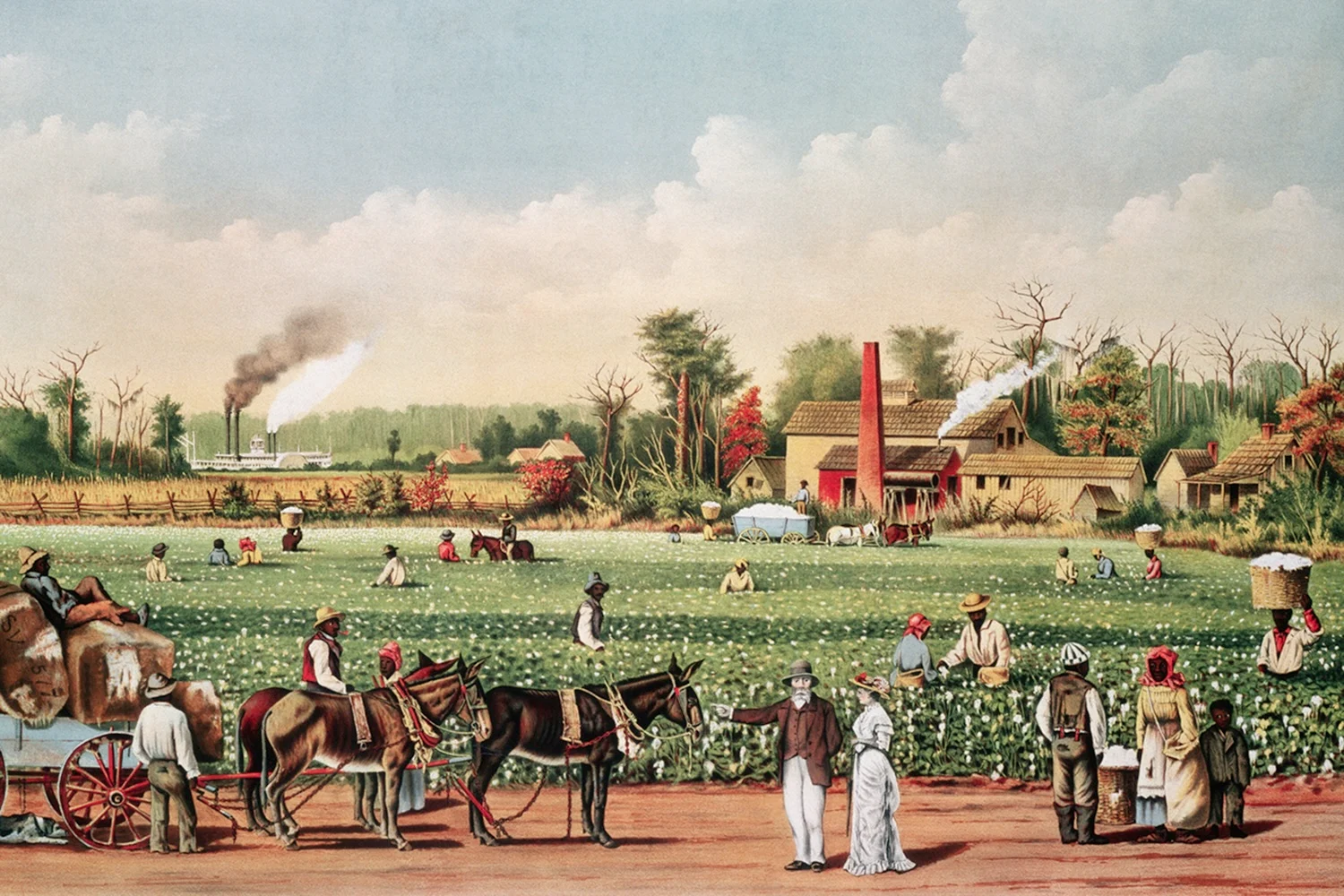
In the early 1750s, the surveyors Joshua Fry and Peter Jefferson sent a map of Virginia and Maryland to a printer in London. Virginia was still a tobacco colony, and their map shows a fastidious attention to every creek on the rivers that floated tobacco into the Atlantic: the Rappahannock, the York and the James. An inset shows a scene at a harbour: gentlemen negotiate the terms of trade while enslaved Black men serve wine and roll hogshead barrels of tobacco on to an Atlantic ship.
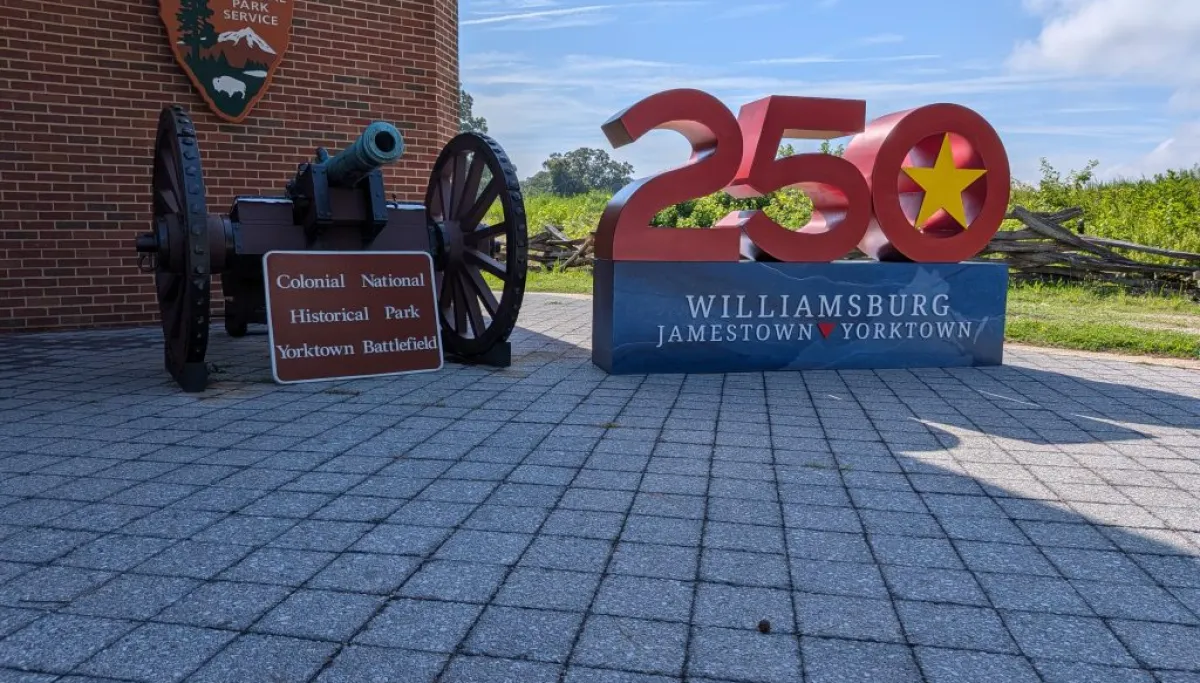
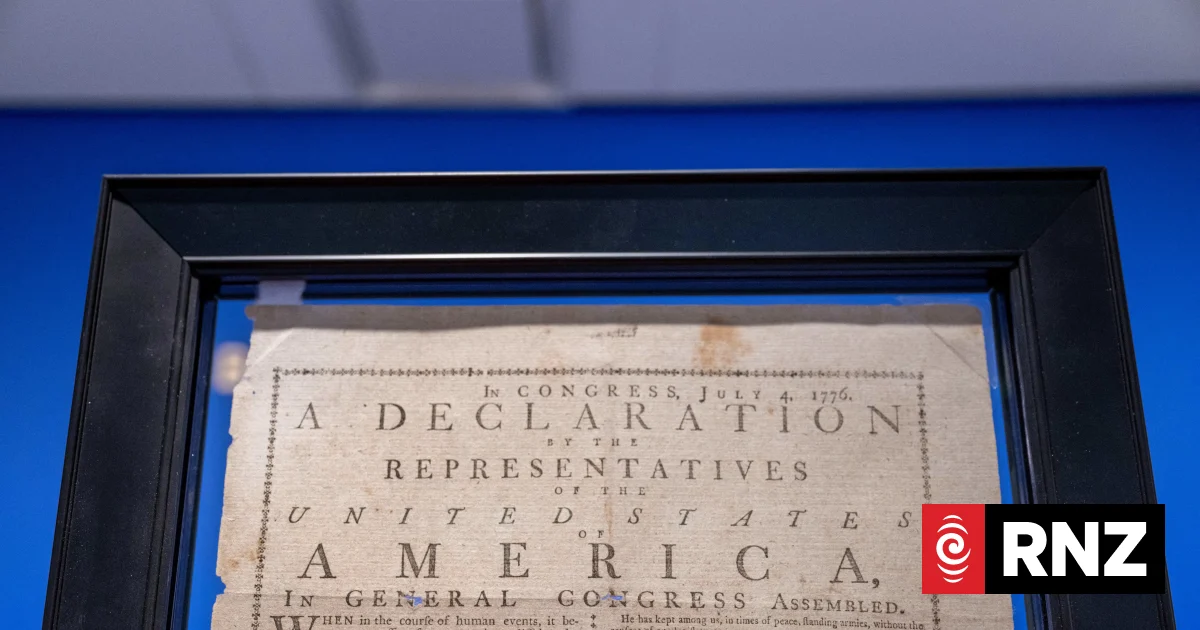
This map is on show as part of an exhibition celebrating the 250th anniversary of American independence, at the Grey Art Museum in New York, presented by the Berkley Collection. It is possible to see, with the help of some of the documents on display, how Americans understood their wealth at the time.
We think of wealth now as a portfolio, a collection of impersonal financial assets. Under British rule, Americans didn’t have chartered joint-stock companies or even banks; what they thought of as wealth is visible on Fry and Jefferson’s map: land, personal credit and human beings.
The best picture we have of colonial wealth comes from Alice Hanson Jones, a historian who, in the 1960s and 1970s, compiled a vast database of probates from the year 1774. A probate was a list, written upon death, of everything the deceased owned, owed and was owed. For the American colonists, money sat mostly on shop ledgers and promissory notes. Death was a moment of settlement, and ads in colonial newspapers often urged readers to clear all their credits and debts with the dead.