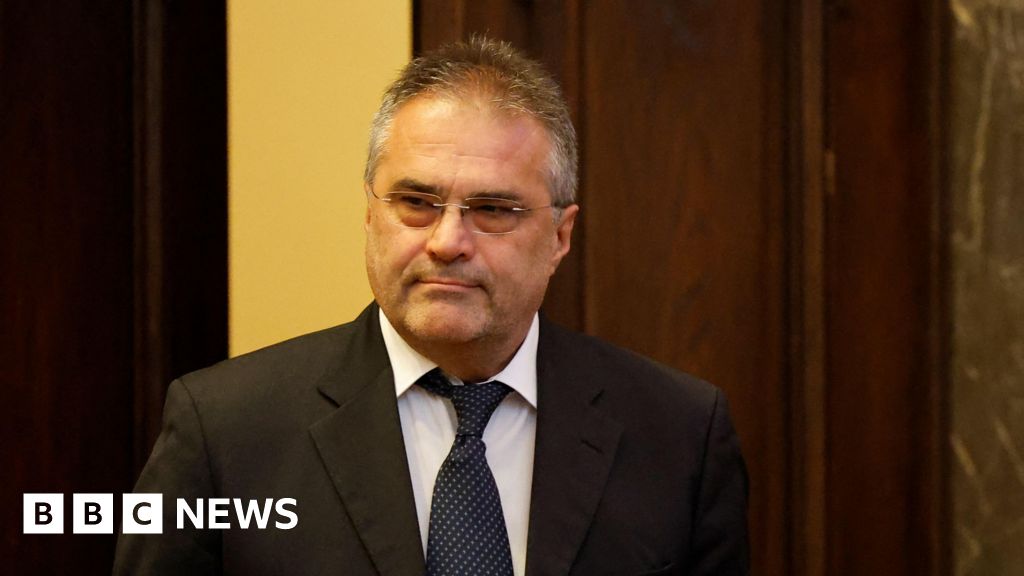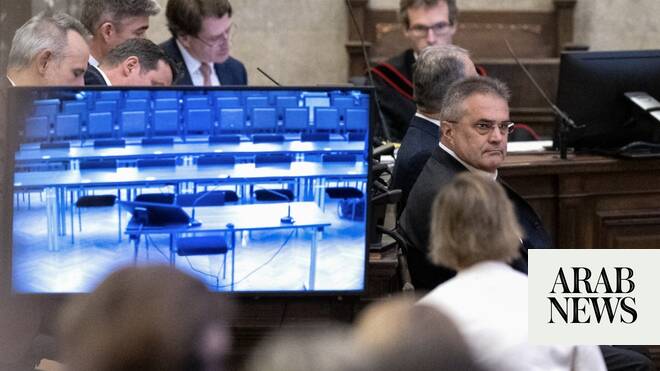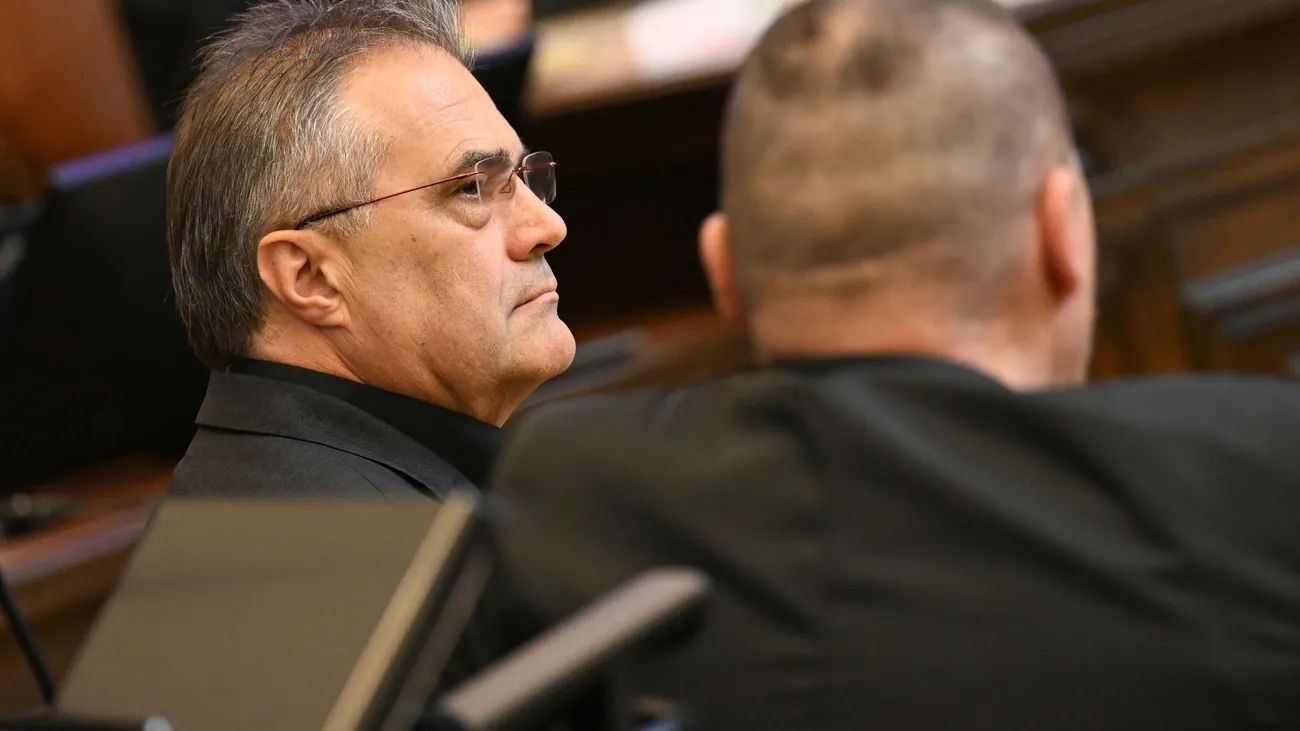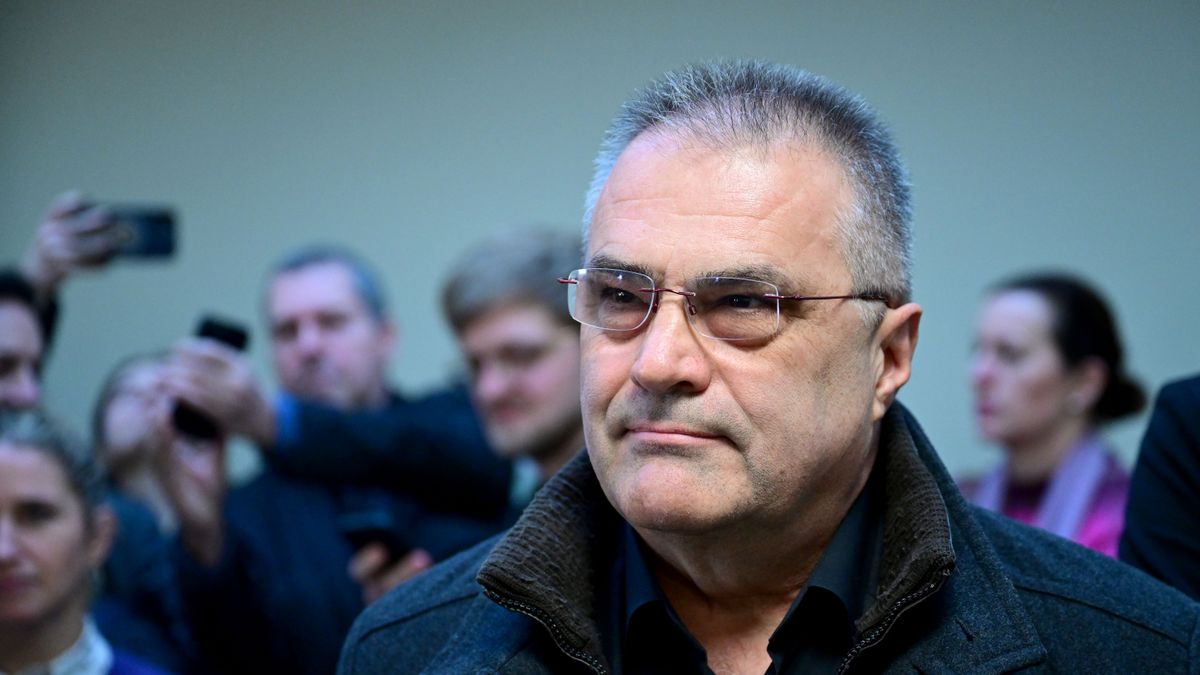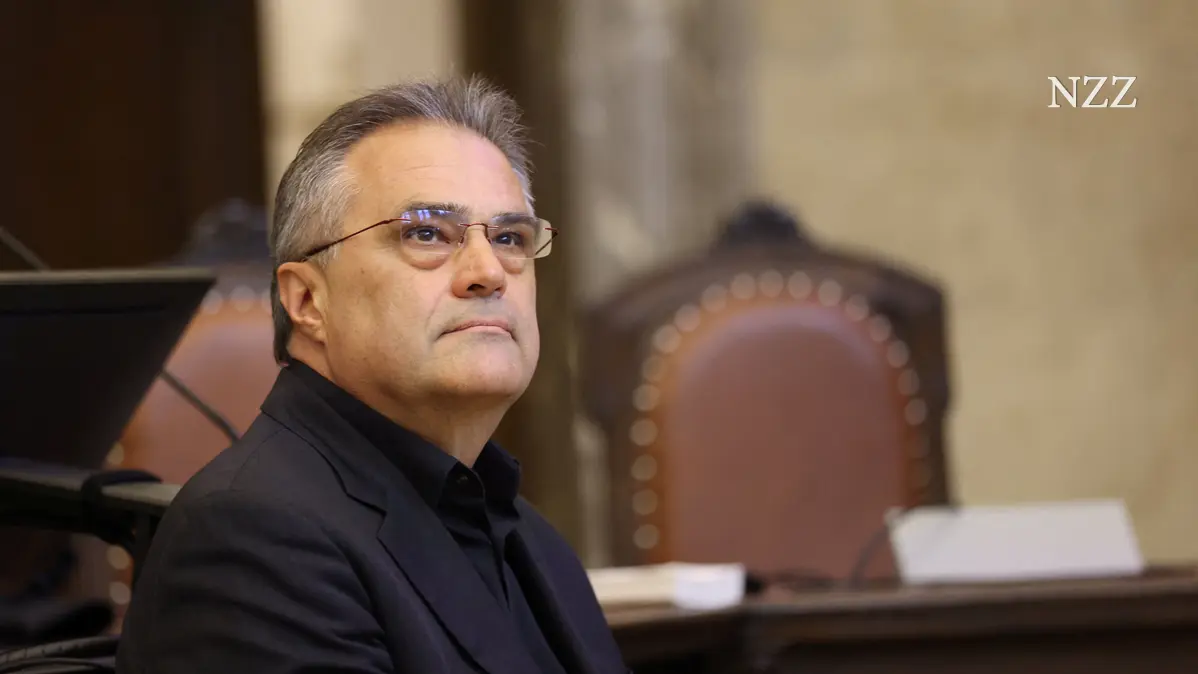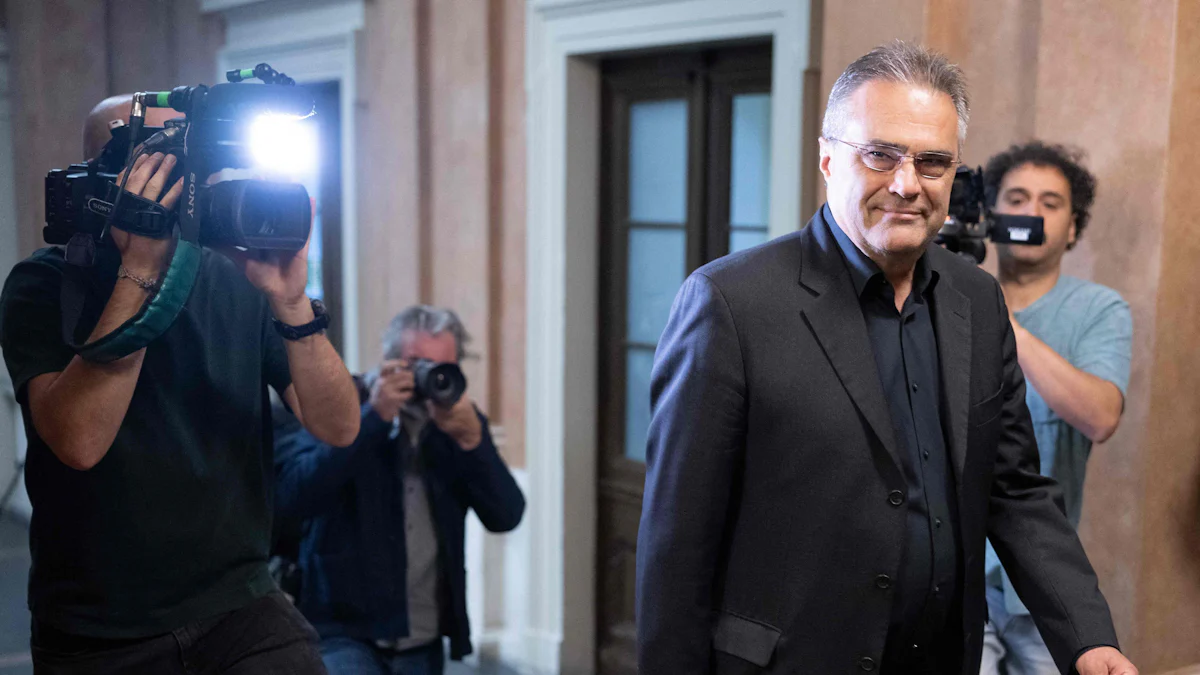
Last month, the largest espionage trial in decades concluded at the Vienna regional court in Austria. Former agent of the Austrian intelligence service Egist Ott was, for now non‑finally, sentenced to an unconditional four years and one month in prison.
According to the charges, Ott was a Russian spy and also cooperated with the most wanted man in Europe, former Wirecard executive Jan Marsalek, who is currently hiding in Russia.
Interestingly, one of the most important verdicts in the history of a country known as a hub for spies was handed down by a lay jury.
The case has reminded the public of the role of Vienna and Austria in Russian espionage activities, of how the country wants to come to terms with this dark side, and of how dangerous the populist far‑right Freedom Party (FPÖ) can be. The spy worked at the interior ministry at a time when it was headed by the party’s leader Herbert Kickl as minister.
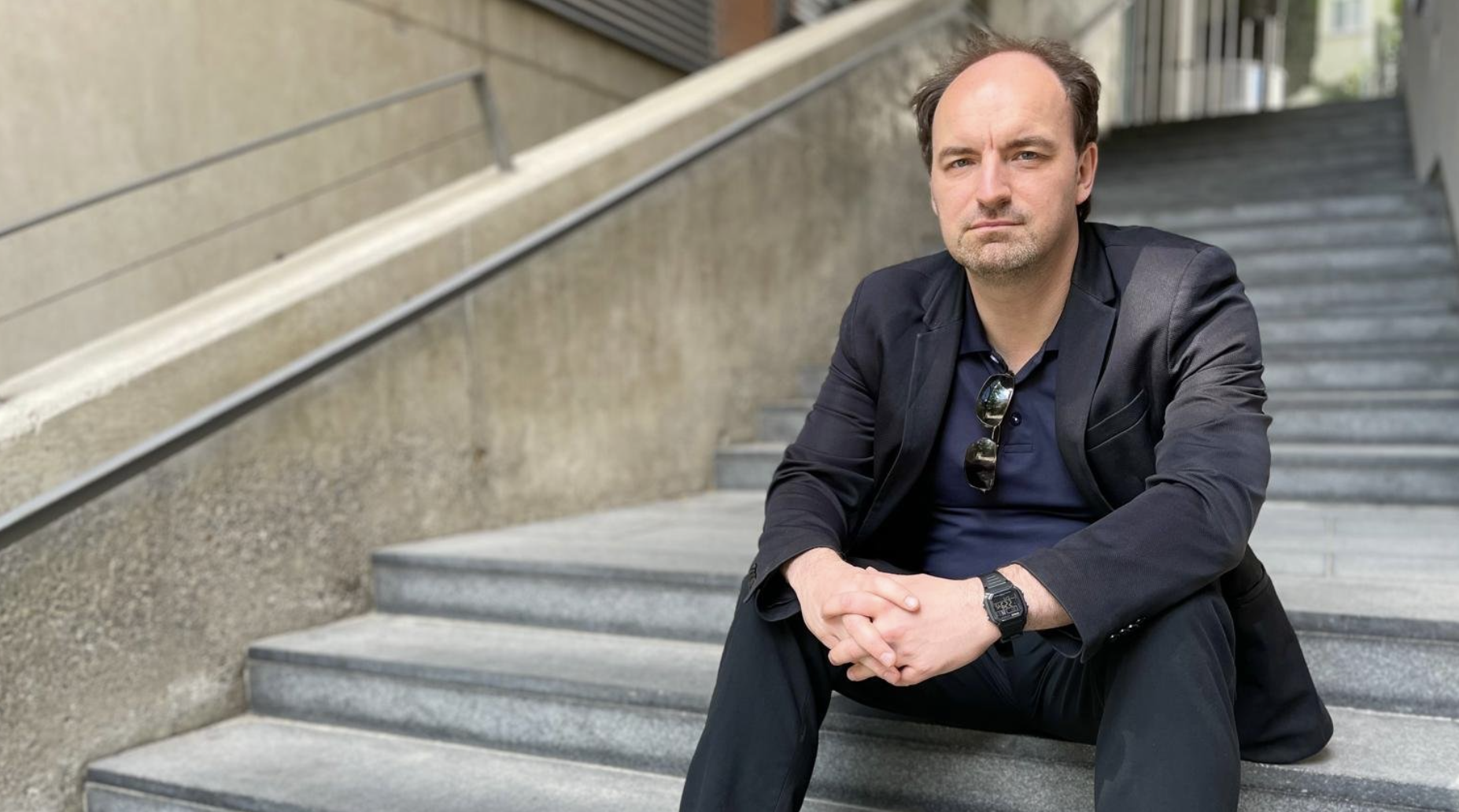
Austrian expert on Russian hybrid warfare Dietmar Pichler has long been warning about Russian activities in Austria. He said Austrian society is permeated by people who spread pro‑Russian narratives. “The problem is that we have hundreds of cases here that I call Karin Kneissl light, and nobody cares about them,” he said for Denník N, referring to the former Austrian foreign minister who invited the Russian president to her wedding.