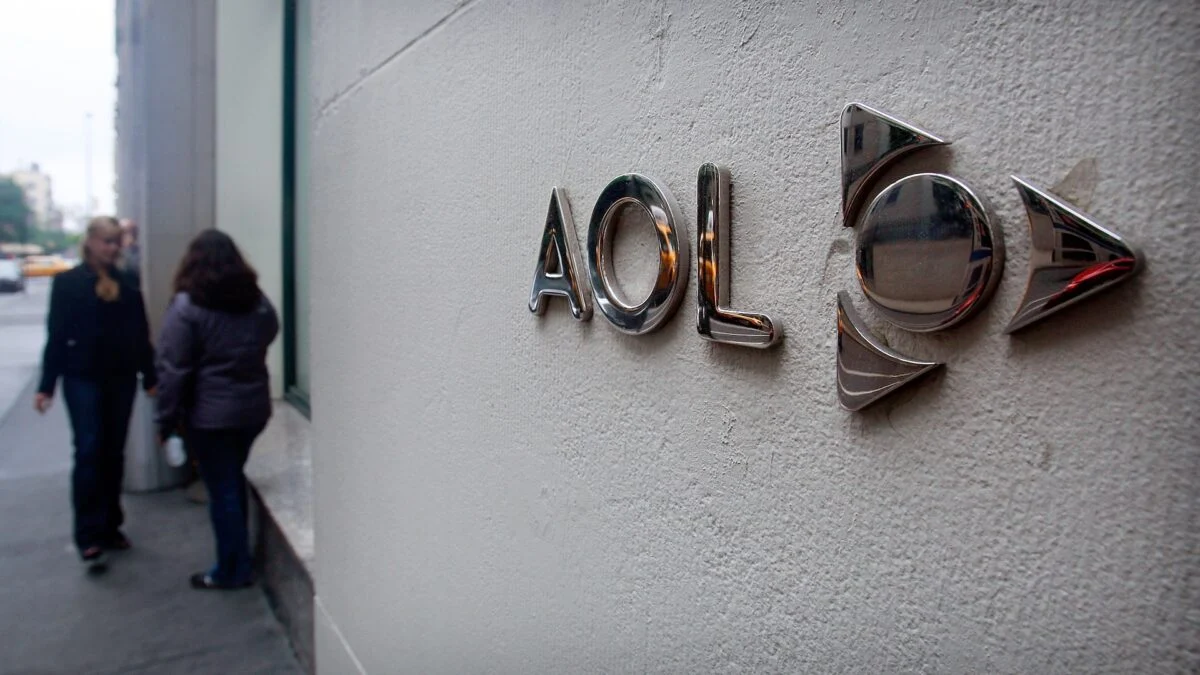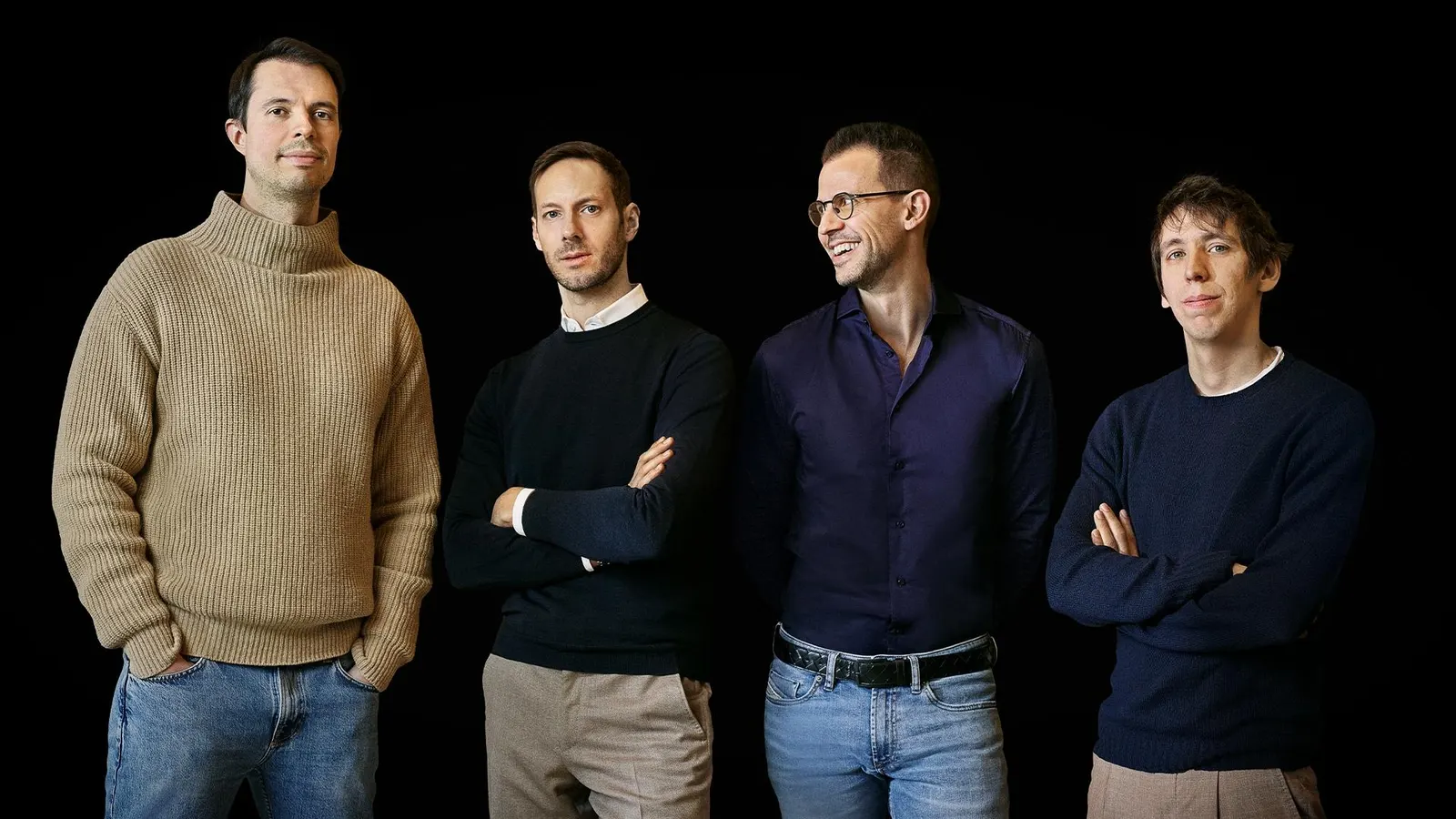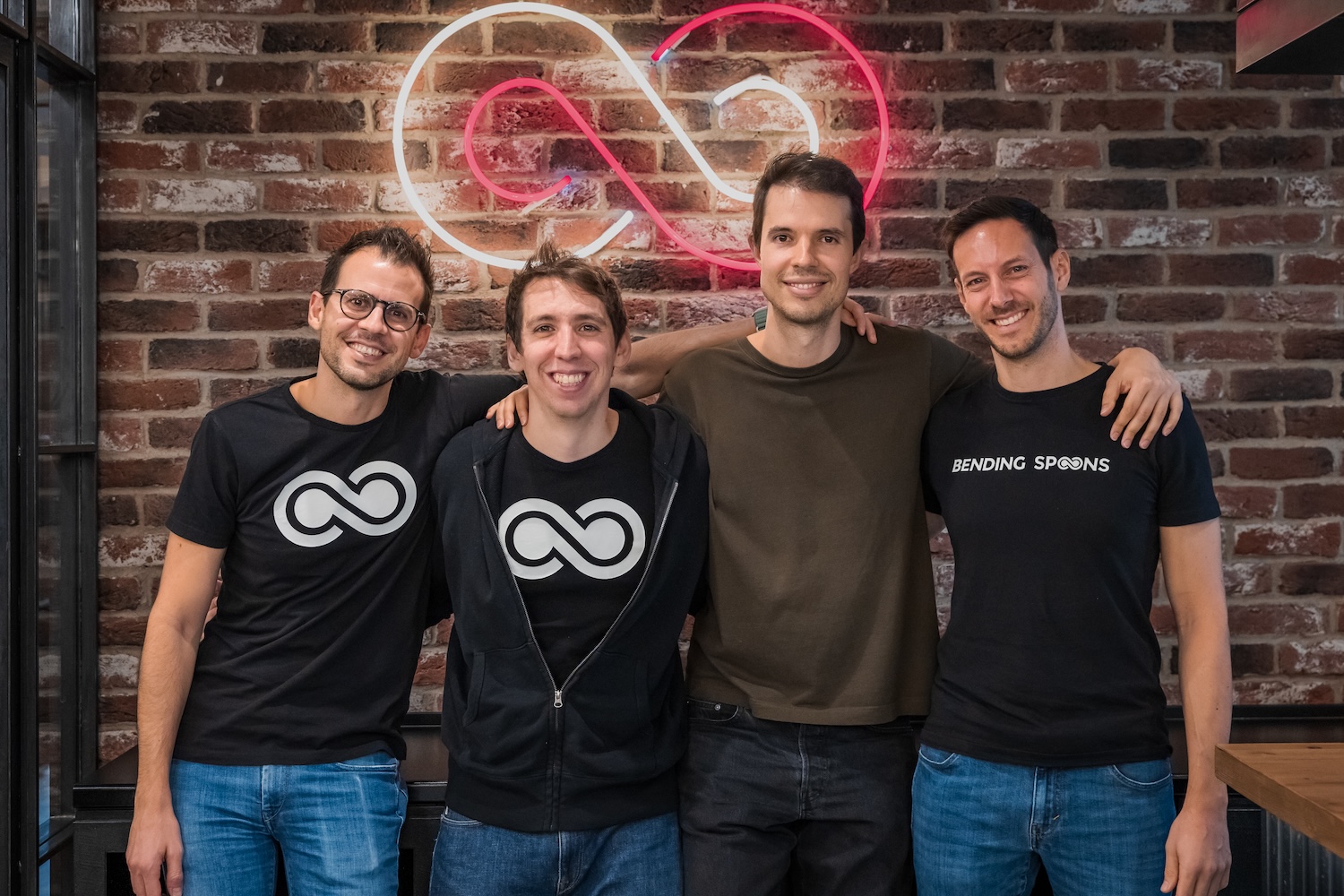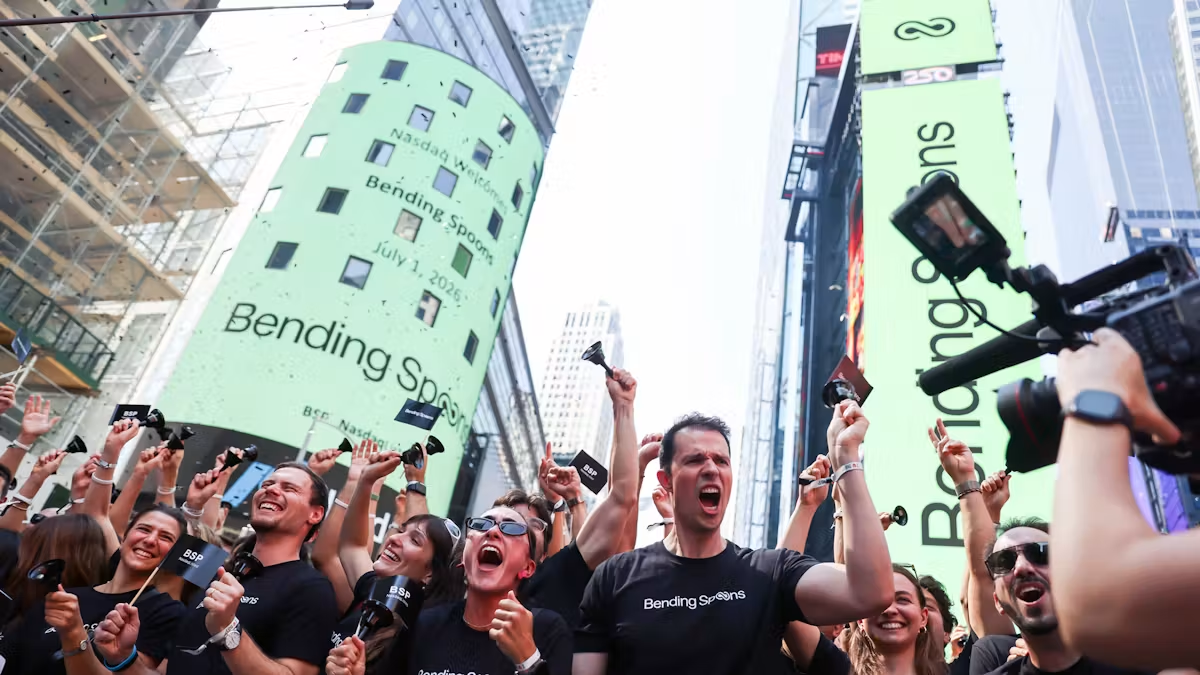
Do you remember the sound of logging into AOL via a dial-up modem? Did you ever organize you life in Evernote, or RSVP to events on Eventbrite?You might assume those old-time internet brands are dead and buried, but the truth is they are still earning one company billions of dollars a year.Nope, it's not Google, Microsoft or Meta.They're all part of an Italian software business called Bending Spoons, which has quietly built a multi-billion-dollar empire by buying some of the internet's biggest forgotten brands, giving them a makeover and turning them back into money-makers.Now the company is stepping into the spotlight after raising $1.68 billion in a Nasdaq stock market debut that values the business at around $18.4 billion, making it one of Europe's biggest technology listings in recent years.The Milan-based company has spent the past few years snapping up internet names that many people assumed had long since faded away.Its growing collection includes AOL, Evernote, Vimeo, WeTransfer, Meetup, Brightcove and Eventbrite, companies that once defined different eras of the web before newer rivals stole the spotlight.Italian software business Bending Spoons has quietly built a multi-billion-dollar empire by buying some of the internet's biggest forgotten brands and giving them a makeover For millions of Americans, AOL remains the most surprising survivor.Although its famous dial-up internet service shut down last year, the company still attracts around 30 million monthly users through advertising, cybersecurity subscriptions, tech support and other digital services. Bending Spoons bought AOL earlier this year for $1.5 billion.Chief executive Luca Ferrari says the company's strategy is different from a traditional investment firm.'Our idea is to be a hybrid between a private equity firm and Google,' Ferrari told The New York Times in a 2024 interview. 'It's like they had a baby.'Speaking to Reuters ahead of the IPO, Ferrari added: 'We're engineers and scientists, and we spend almost all of our time building technologies and products.'Unlike many investment firms that eventually sell businesses for a profit, Ferrari says Bending Spoons intends to keep the companies it buys.'If someone wants to see nothing change, we're not a good buyer,' he told The New York Times. Chief executive Luca Ferrari says the company's strategy is different from a traditional investment firm The company is stepping into the spotlight after raising $1.68 billion in a Nasdaq stock market debut that values the business at around $18.4 billionThat approach has transformed the company into what has been likened to a technology 'scrap yard' for aging internet brands.Rather than chasing the latest artificial intelligence startup, Bending Spoons searches for older apps and websites that still have loyal users but have stopped growing. The company then rebuilds the software, cuts costs and hopes to revive the business.'It's the best of both worlds of Berkshire Hathaway and a technology company,' Ferrari told Forbes.The strategy hasn't always been popular.After buying Evernote, Bending Spoons significantly increased subscription prices while cutting jobs. Similar changes followed acquisitions of Vimeo, WeTransfer and other platforms, with many former employees criticizing the company's aggressive restructuring.Still, the financial results suggest the model is working. Bending Spoons bought AOL earlier this year for $1.5 billion The company's name is itself a throwback. Ferrari and his co-founders borrowed it from the famous spoon-bending scene in The Matrix, reflecting their belief that struggling software businesses can be transformed rather than discardedThe company generated $1.3 billion in revenue during 2025 and says almost half of its subscription income now comes from customers who have stayed with its products for more than five years.Bending Spoons says it now owns more than 50 software products and has identified more than 1,000 additional acquisition targets.Joe Hyrkin, who sold digital publishing platform Issuu to Bending Spoons, believes many of these older technology companies still have untapped potential.'These are not walking dead companies,' Hyrkin told The New York Times. 'They are simply no longer of interest to venture capital investors.'The company's name is itself a throwback.Ferrari and his co-founders borrowed it from the famous spoon-bending scene in The Matrix, reflecting their belief that struggling software businesses can be transformed rather than discarded.As Silicon Valley races to build the next generation of artificial intelligence, Bending Spoons is betting there's still plenty of life left in yesterday's biggest internet brands.Judging by Wall Street's reaction to its blockbuster IPO, investors appear to agree that nostalgia can still be very profitable.
Remember AOL and Evernote? They're still making billions
AOL, Evernote, Eventbright. They're the forgotten internet brands of yesterday - and they're still earning BILLIONS of dollars for one enterprising Italian company
723 words~3 min read